
Fitness


30-Day Running Challenge for Complete Beginners: What to Expect
Starting to run for the first time is one of those goals that sounds simple until you're standing outside in your shoes, unsure whether you should be jogging or walking or something in between. The good news is that 30 days is genuinely enough time to build a real foundation, as long as the plan respects where you're actually starting from instead of assuming you can run three miles on day one.

7 Fitness Mistakes People Make in Their 30s That Slow Everything Down
Your 30s are a fantastic time to be fit – but they're also when a few quiet habits start working against you. The approach that felt effortless at 22 doesn't quite land the same way now, and small missteps that didn't matter before begin to add up into stiffness, fatigue, and slower progress.
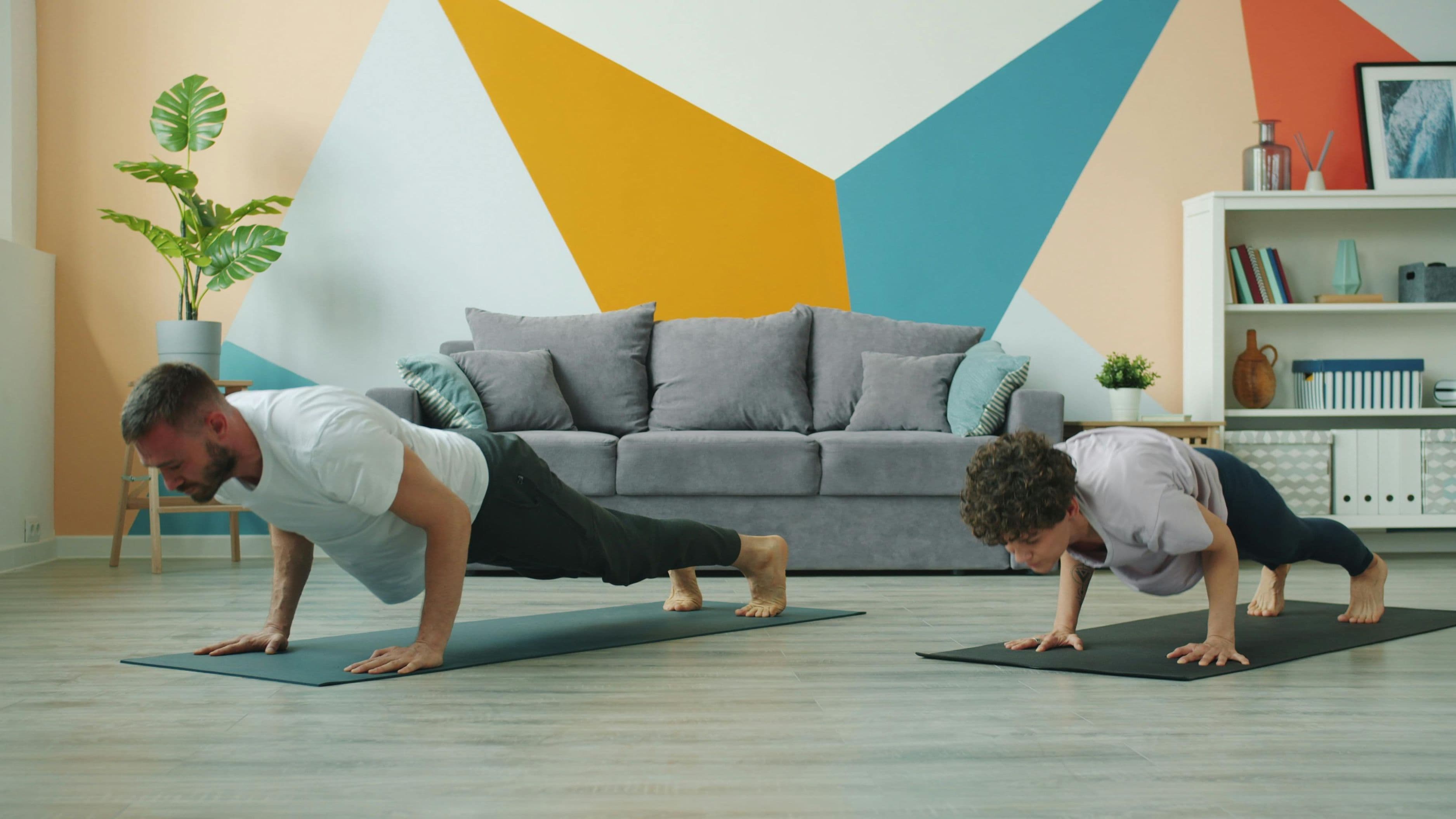
7 Low-Impact Workouts That Are Harder Than They Look
"Low-impact" often gets mistaken for "easy." It's not. Low-impact simply means your joints aren't taking a beating – no jumping, no hard landings, no pounding on pavement. But your muscles, cardiovascular system, and core? They can still be working hard. Very hard, in some cases.

7 Signs Your Workout Routine Needs a Complete Overhaul
Sticking with a workout routine is genuinely good – consistency is most of the battle. But there's a difference between a routine that's still working for you and one you're just going through the motions with out of habit. If exercise has started to feel more like an obligation than something that actually moves you forward, it might be time for a real reset rather than just pushing through. Here are seven honest signs it's worth rethinking your current approach.
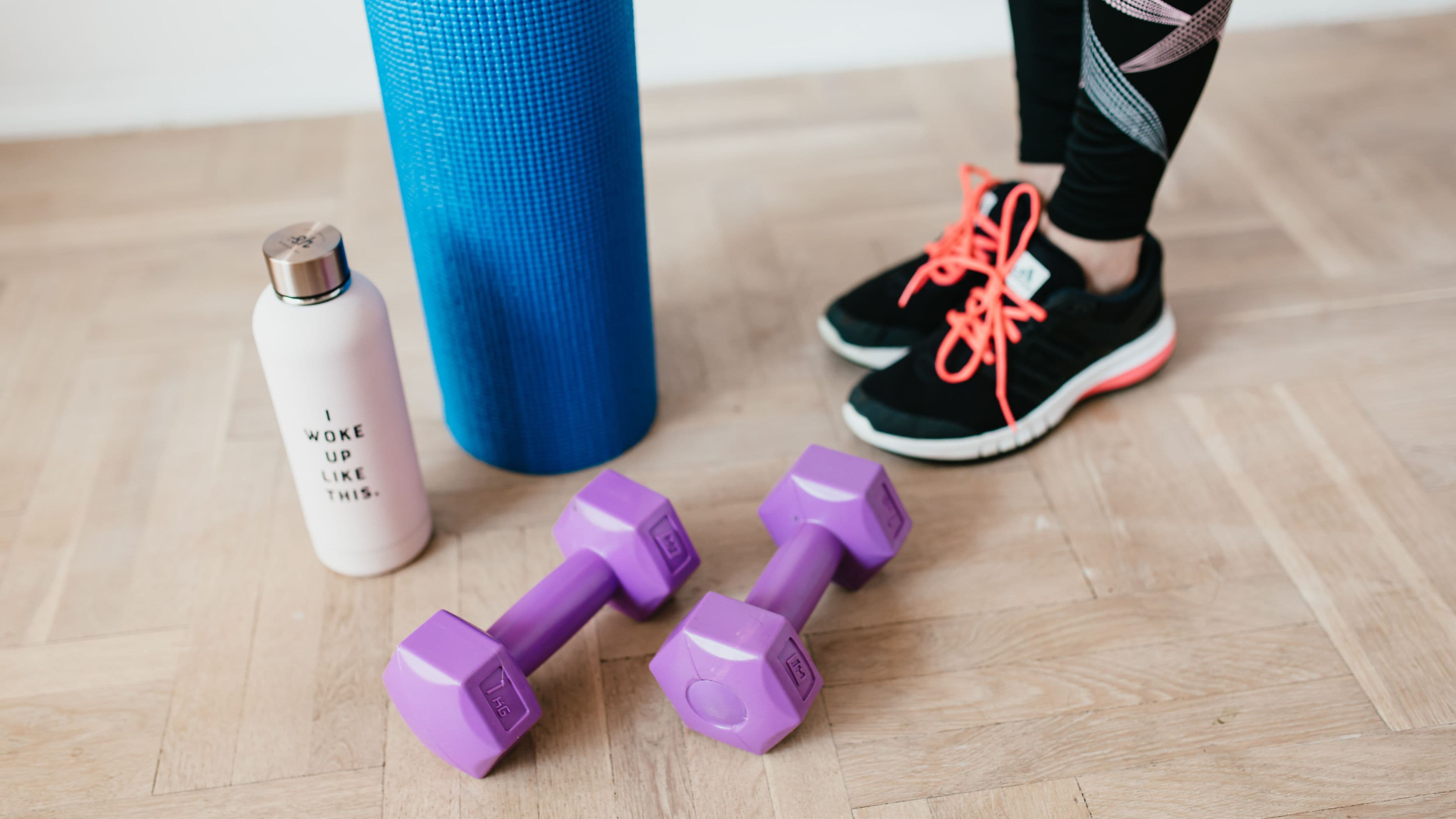
Can You Get Fit in 20 Minutes a Day? Here's What the Research Says
The claim shows up everywhere – apps, fitness influencers, YouTube thumbnails promising to transform your body in twenty minutes flat. Most people hear it and assume it's marketing. The reality is more interesting than that. There's a meaningful body of research suggesting that short, well-structured workouts can produce real and measurable fitness gains – not because twenty minutes is magic, but because the quality of movement matters more than most people have been told.
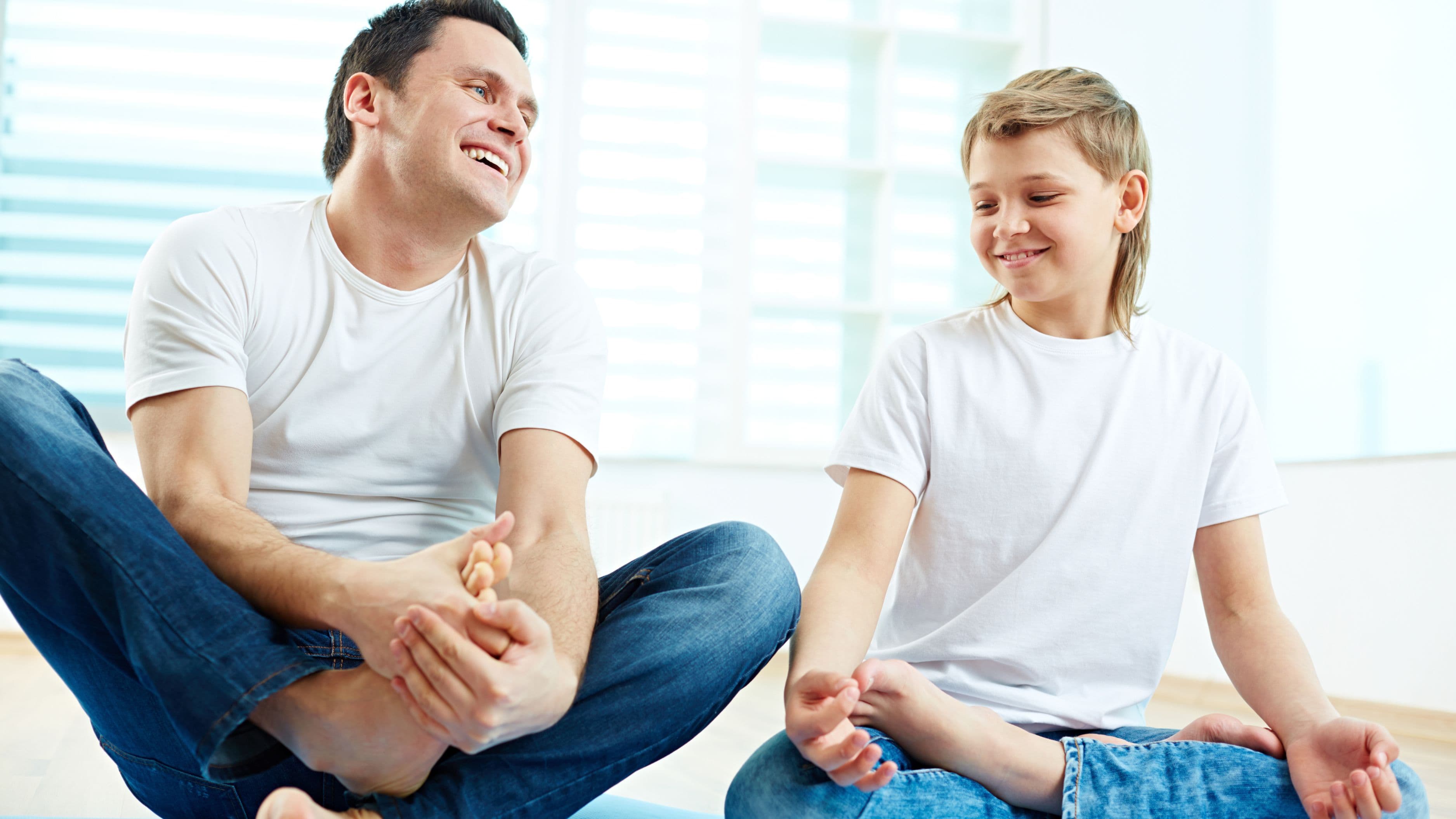
How Yoga Can Improve Your Life Even If You're Not Flexible
If the thought of starting yoga makes you picture someone effortlessly folding into a pretzel shape, and you can barely touch your knees, you're not alone – and more importantly, you're not disqualified. Flexibility is something yoga develops over time, not a prerequisite for starting. The benefits that actually matter most – stress reduction, better sleep, improved focus, and a stronger connection to your body – have very little to do with how far you can bend.
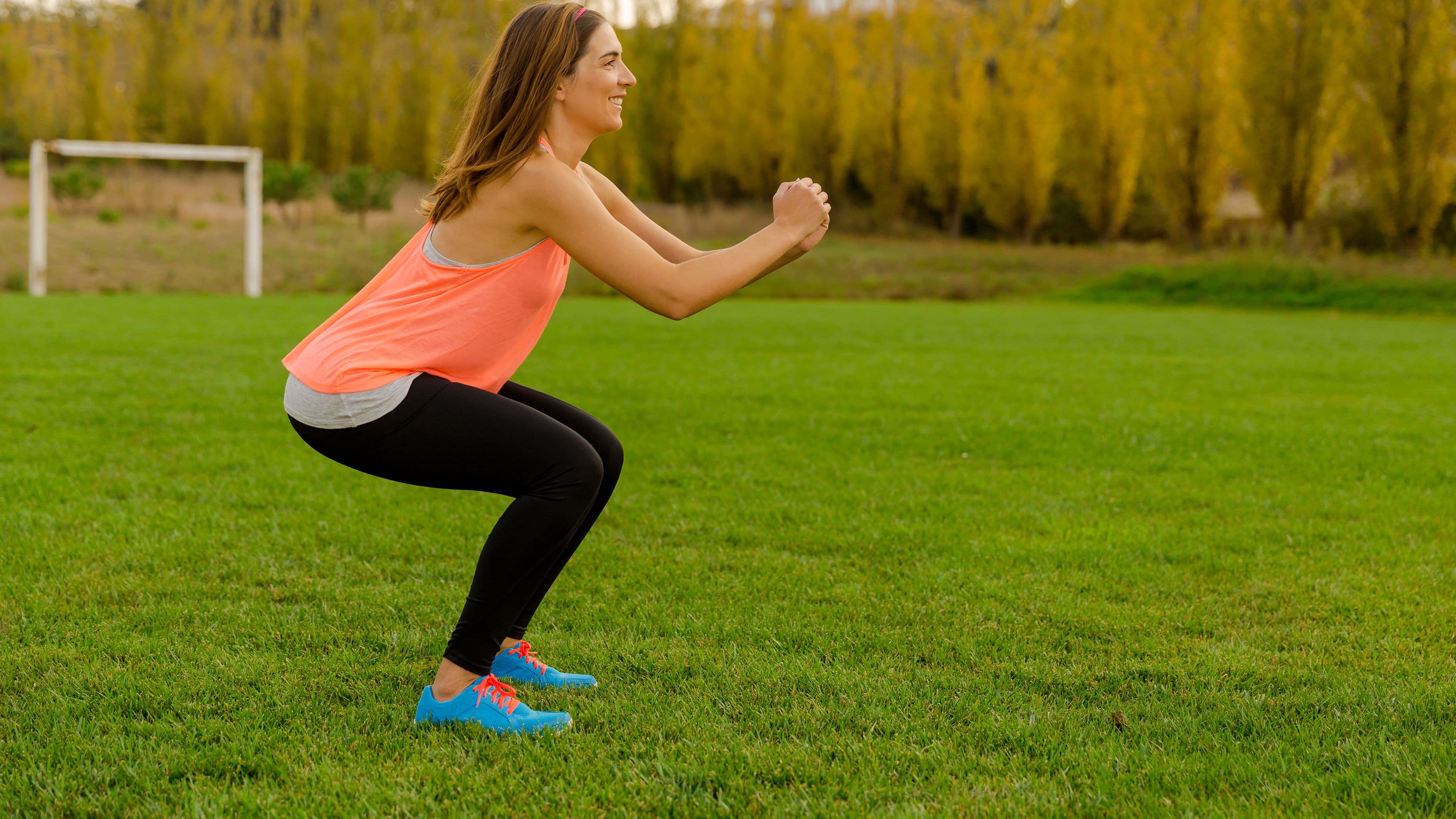
How to Add Movement to Your Day When You Don't Have Time to Work Out
Not having time for a full workout doesn't have to mean not moving at all. There's a meaningful difference between "I didn't do a structured 45-minute workout" and "I didn't move my body today," and once you separate those two things, adding real, beneficial movement to a genuinely busy day becomes much more achievable than it initially feels.
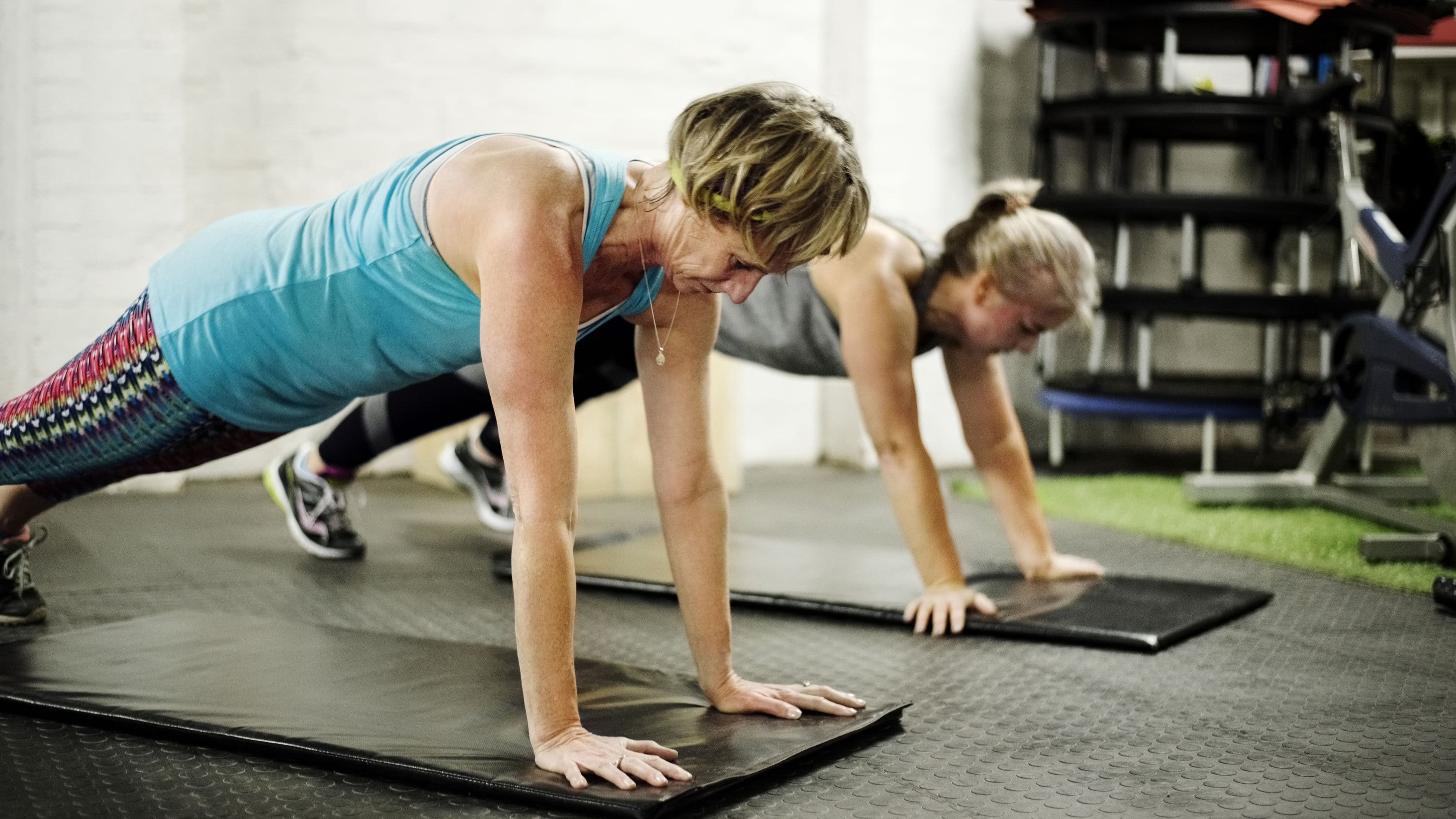
How to Build Core Strength Without a Single Sit-Up
Sit-ups have this weird staying power as the default answer to "how do I work my core," even though most trainers moved away from recommending them years ago. The truth is your core does a lot more than just crunch forward, and there are gentler, arguably more effective ways to build real strength there without the neck strain and lower back discomfort a lot of people associate with traditional sit-ups.

How to Build a Consistent Morning Workout Habit in 3 Weeks
Most people don't fail at morning workouts because they lack motivation. They fail because they set up the habit wrong from the start – waking up at 5am on day one, doing a 45-minute session they're not ready for, and burning out before the end of week one. The habit never had a chance.
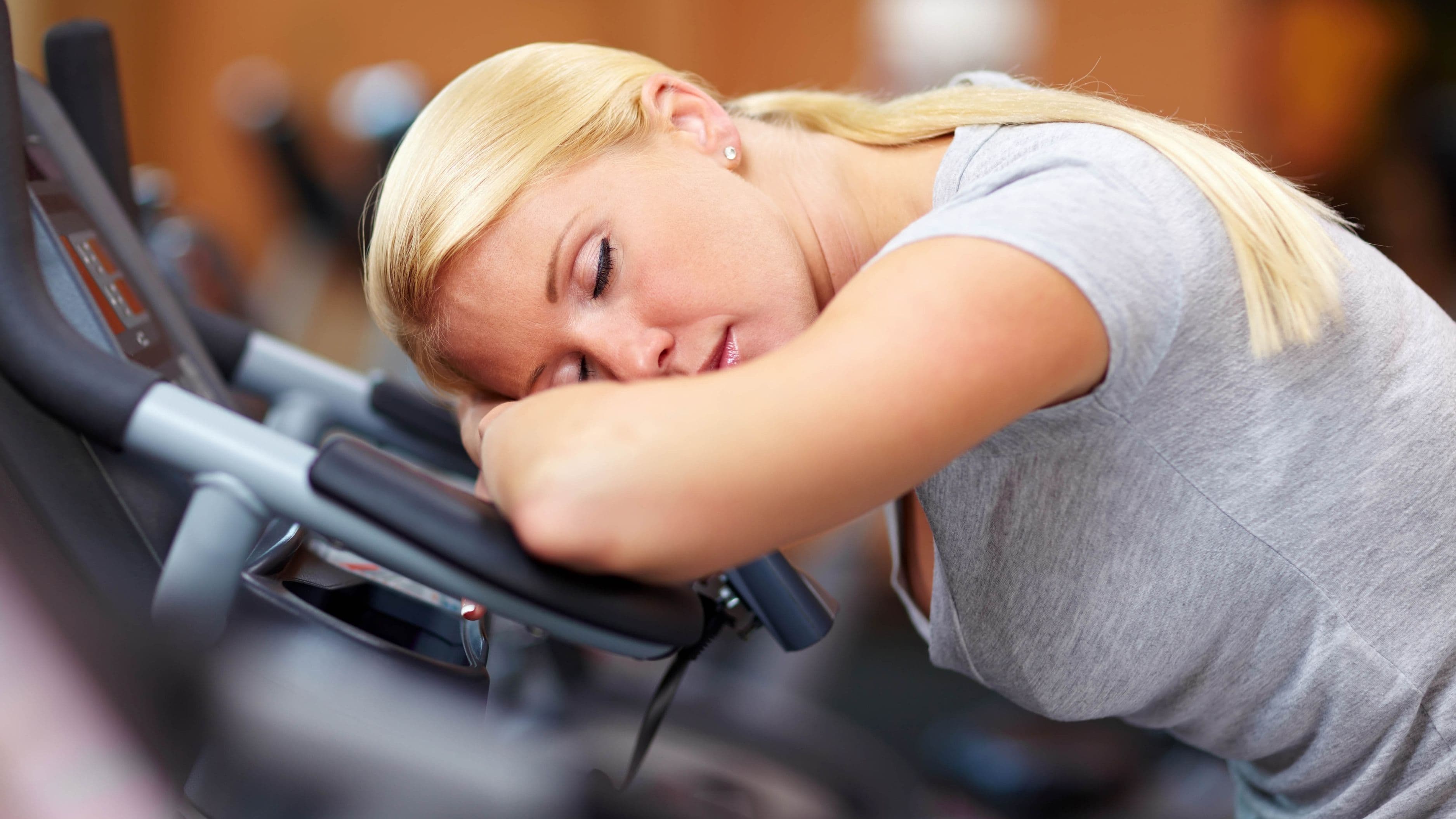
How to Exercise When You're Exhausted and Unmotivated
Some days you wake up knowing the workout isn't happening. The thought of getting off the couch, changing clothes, and doing literally anything physical feels like an enormous ask. You're tired. You don't feel like it. And the internal argument – the one where you try to reason yourself into movement – isn't working.

How to Stay Active When You Work From Home All Day
Working from home sounds like it should make staying active easier – no commute eating your day, no strict office schedule, more control over your time. In practice, it often does the opposite. You sit down to start work, look up, and it's 4pm. You haven't moved. You haven't eaten properly. Your back hurts and you feel oddly more tired than you would after a day at an office. Remote work can create a kind of sedentary bubble that's surprisingly easy to get stuck in and genuinely hard to get out of without a deliberate system.
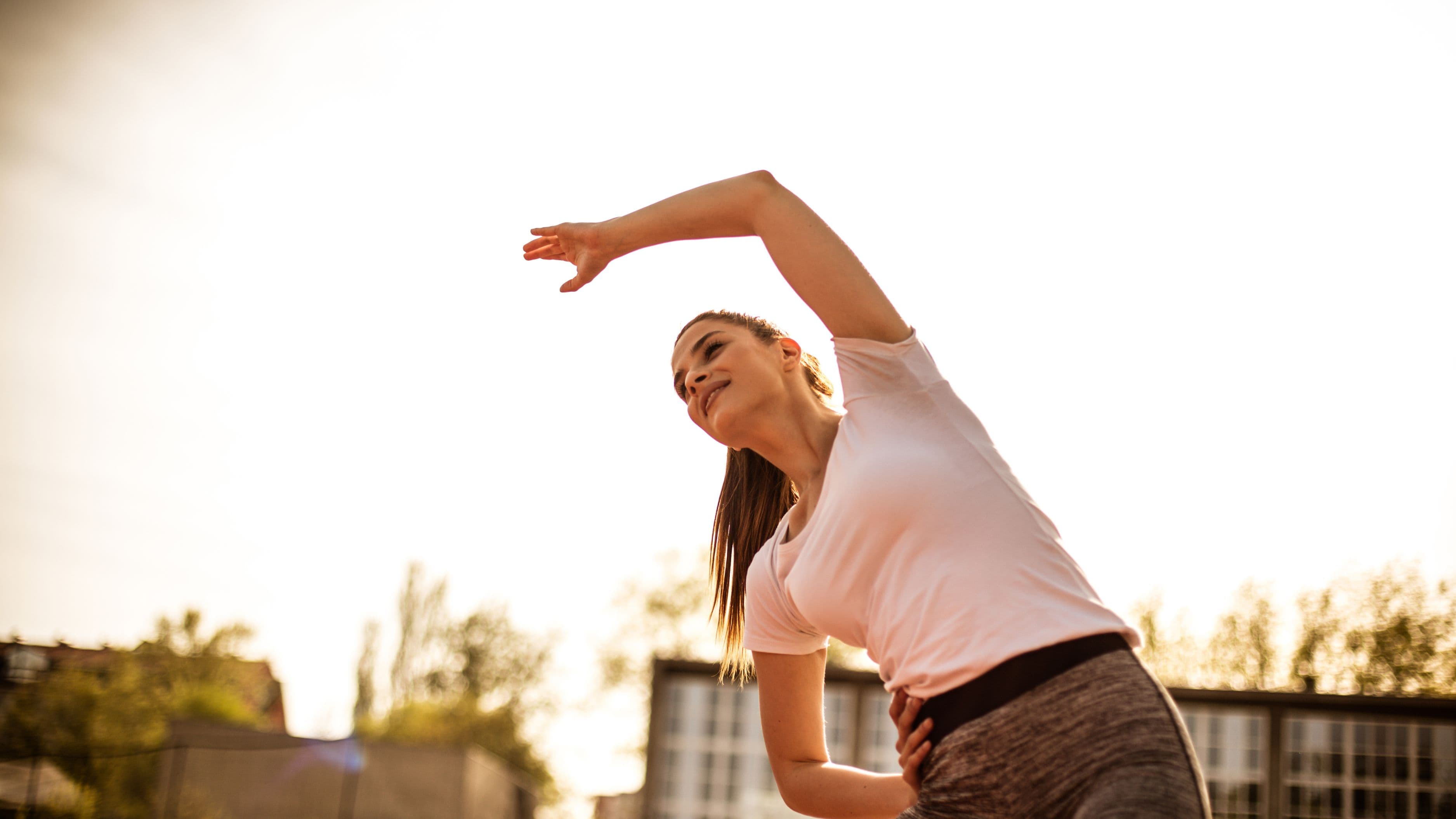
How to Stay Motivated to Exercise During the Summer Heat
There's a particular kind of resistance that shows up in summer – it's not that you don't want to move your body, it's that the idea of doing it in 90-degree heat feels genuinely unappealing. That's a completely normal reaction, not a sign of weak willpower. The good news is that staying consistent through summer heat isn't about pushing through misery – it's about adjusting your approach so exercise feels manageable again, rather than something you're constantly talking yourself into.
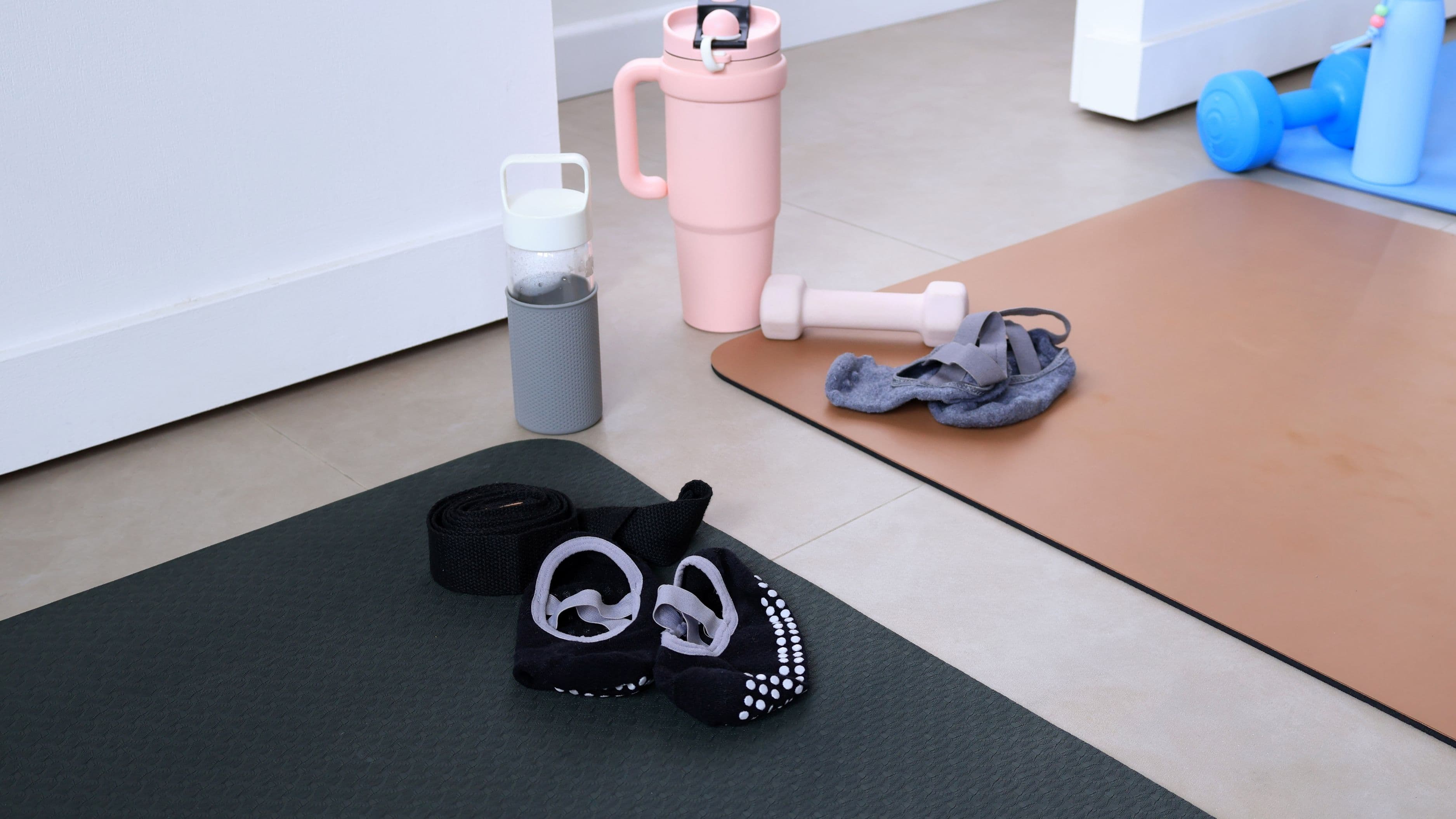
How to Work Out in a Small Space with No Equipment
You don't need a gym membership, a spare room, or a single piece of equipment to get a real workout. A patch of floor about the size of a yoga mat – the space next to your bed or in front of the couch – is genuinely enough to build strength, get your heart rate up, and feel better in your body.
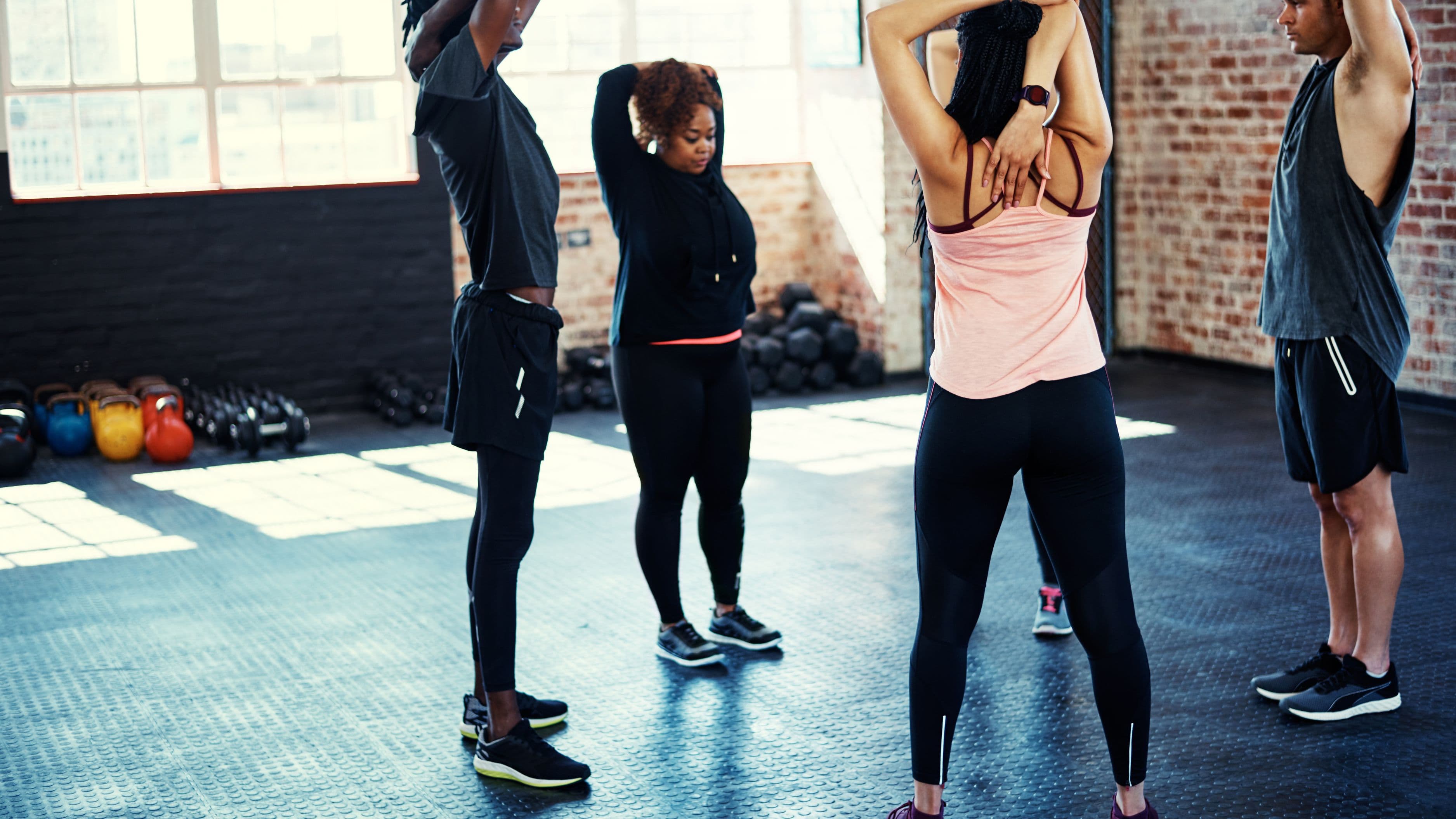
Is Your Warm-Up Routine Actually Doing Anything?
Most people either skip warming up entirely because it feels like a waste of limited workout time, or go through a habitual routine of static stretches without really knowing whether it's helping at all. Understanding what a warm-up is actually supposed to accomplish makes it much easier to tell whether yours is doing real work or just filling time before the workout you actually came to do.
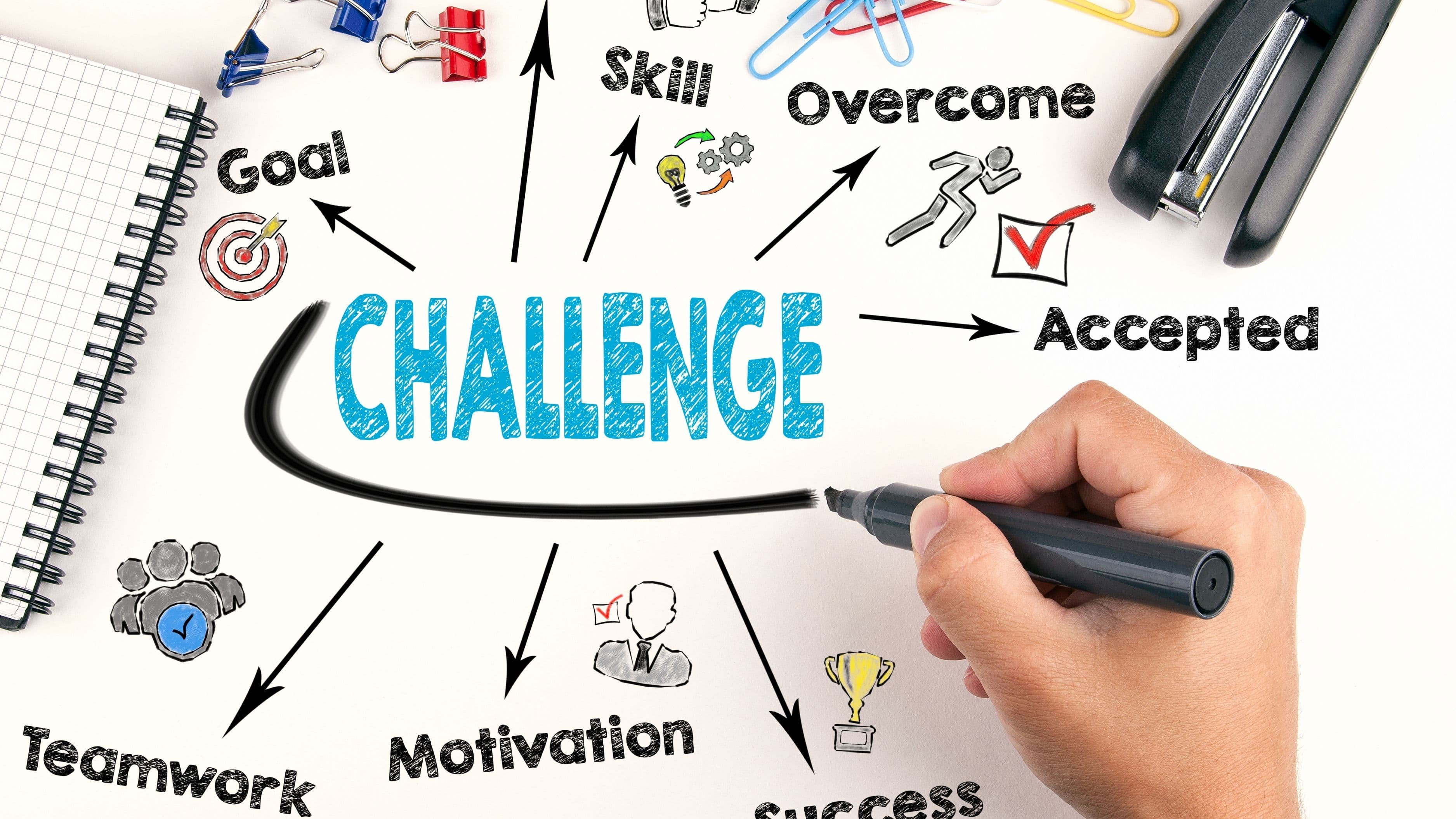
The 30-Day Flexibility Challenge: Can You Actually Change Your Mobility?
Most people assume flexibility is something you either have or you don't. You either touched your toes as a kid, or you've spent your adult life watching other people do yoga while your hamstrings silently protest. The good news is that flexibility is actually one of the most trainable physical qualities you have – and 30 days of consistent, low-effort stretching can produce changes that feel almost surprising.
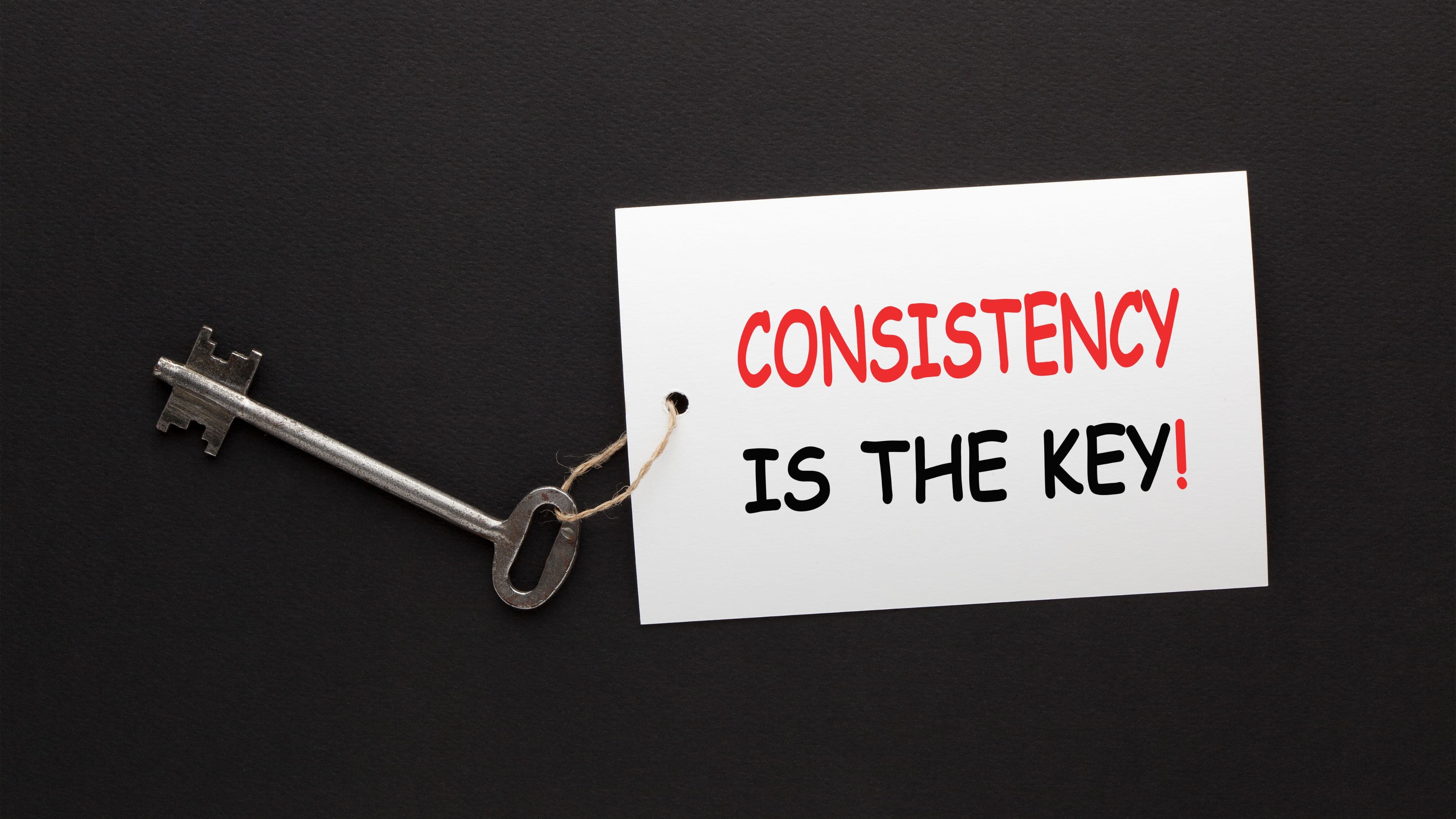
Why Consistency Matters More Than Intensity When Starting Out
It's easy to picture change as something dramatic – an intense workout, a strict new diet, a complete overhaul of your daily routine starting Monday morning. That picture is exciting for about a week, and then it usually collapses under its own weight. The people who actually build lasting habits almost never start with intensity. They start with something small enough to repeat, and they repeat it consistently, long after the initial motivation fades.
Explore other categories
Same editorial standard, different decisions.
Fitness & Sports
Browse Fitness & Sports
Health & Nutrition
Browse Health & Nutrition
Home Improvement
Browse Home Improvement
Lifestyle
Lifestyle is where mindset and productivity meet real life — sleep optimization, precision nutrition, financial wellbeing, and boundaries that protect your energy. Practical, sustainable, and built for people with real schedules.
Browse Lifestyle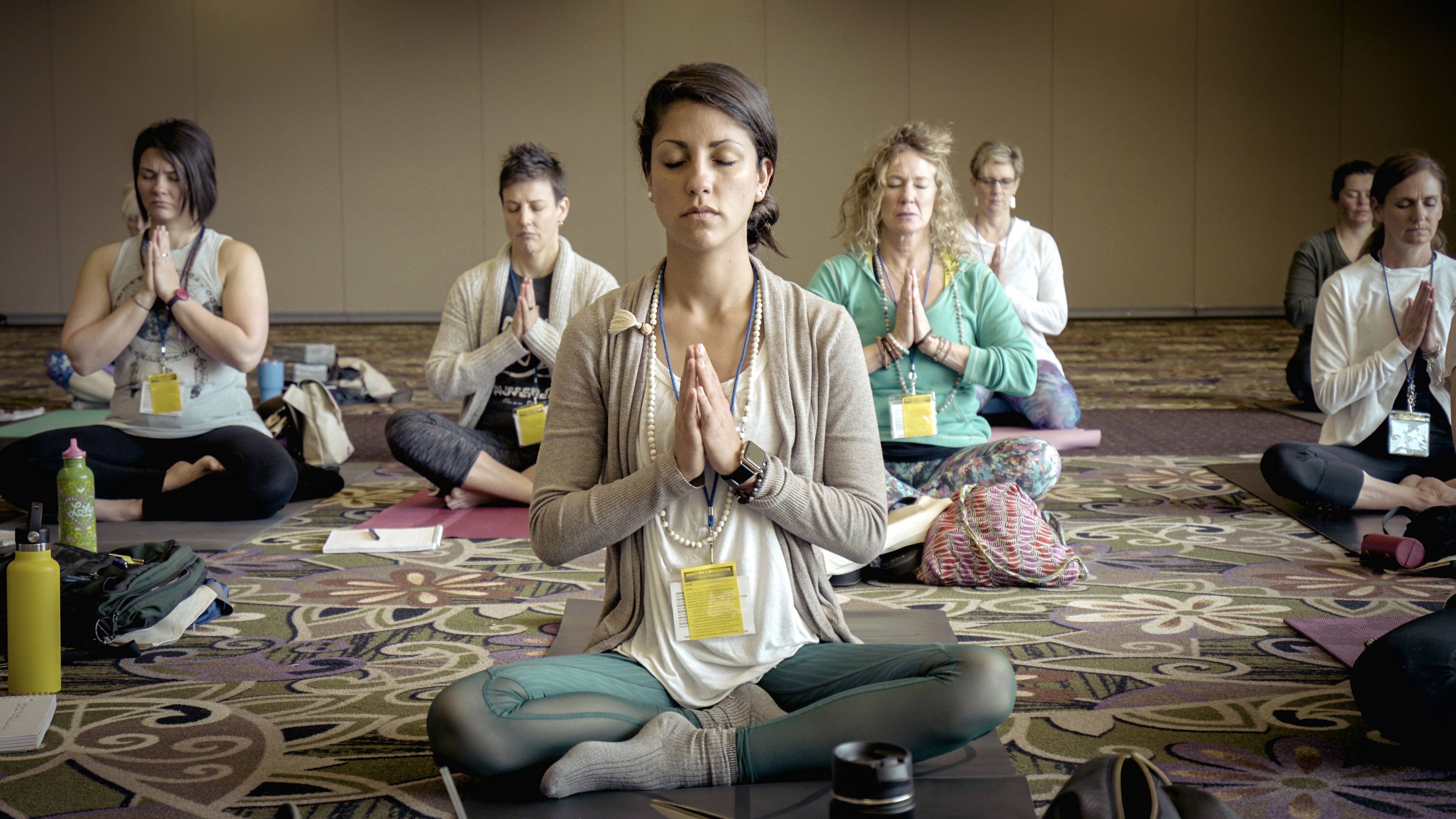
Mind & Soul
Browse Mind & Soul
Mindset
Mindset is the inner operating system behind everything else you do. This collection covers emotional fitness, nervous-system science, journaling frameworks, and the small daily practices that build lasting mental strength — no toxic positivity, just research-backed tools you can use today.
Browse Mindset
Productivity
Productivity isn't about doing more — it's about doing what matters with less friction. Explore focus systems, habit architecture, digital minimalism, and the AI tools reshaping how high-performers plan their days in 2026.
Browse Productivity
Relationships
Browse Relationships
Wellness & Tech
Browse Wellness & Tech