The Concept, Simply Explained
Your core isn't just your abs – it's the whole set of muscles stabilizing your spine and pelvis, including your obliques, deep transverse abdominis, and the muscles running along your lower back. Real core strength is less about how many times you can crunch forward and more about how well those muscles work together to stabilize your body during everyday movement, which is exactly why exercises built around stability and controlled movement tend to build more functional strength than repetitive sit-ups ever did.
Sit-ups also place a fair amount of strain on the neck and lower back for people without solid form, which is part of why so many people associate ab work with discomfort rather than genuine progress. Shifting to plank variations, rotational movements, and controlled leg work builds the same – often stronger – core engagement with meaningfully less strain.
Action Steps
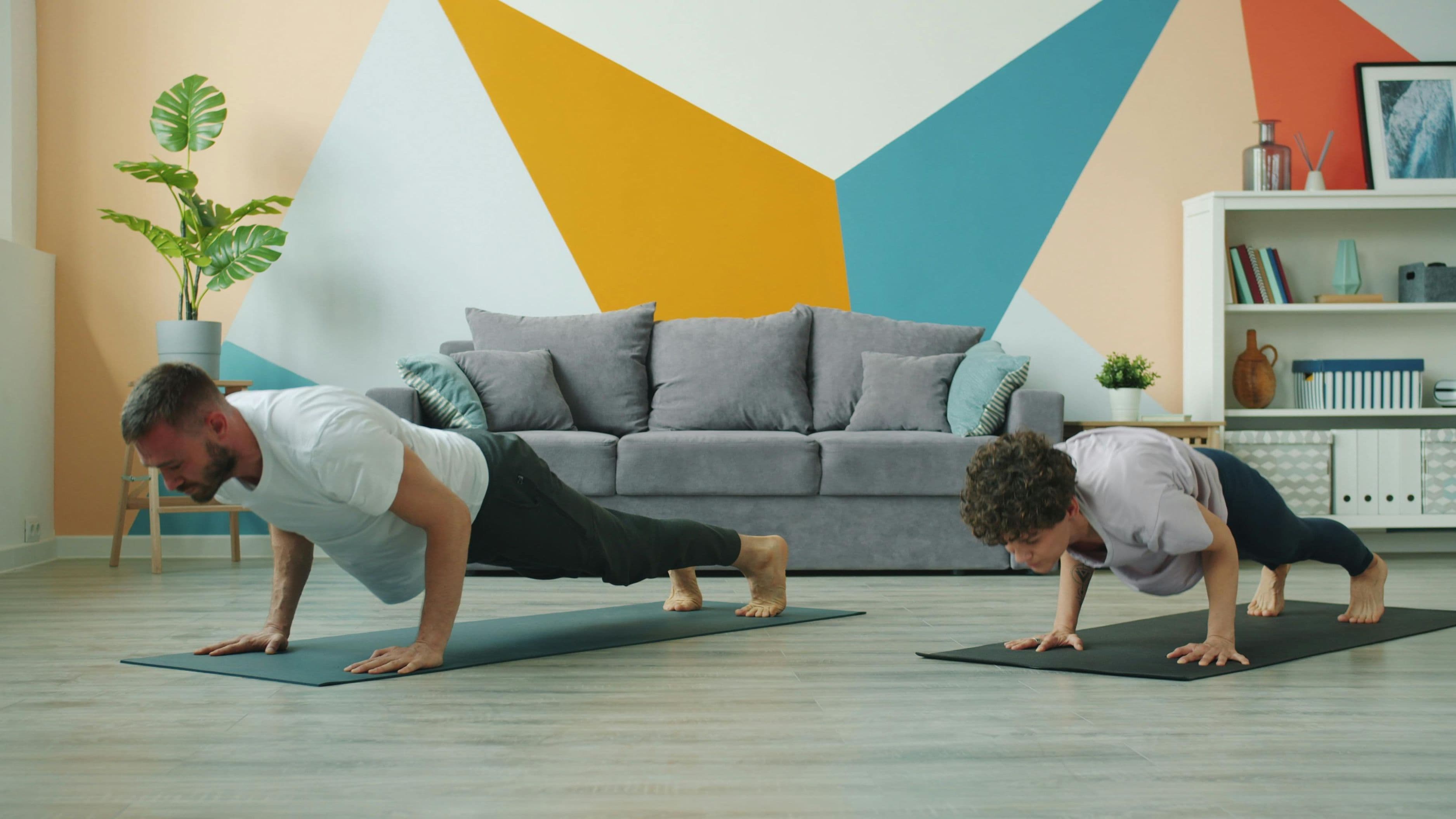
Start with a basic plank hold
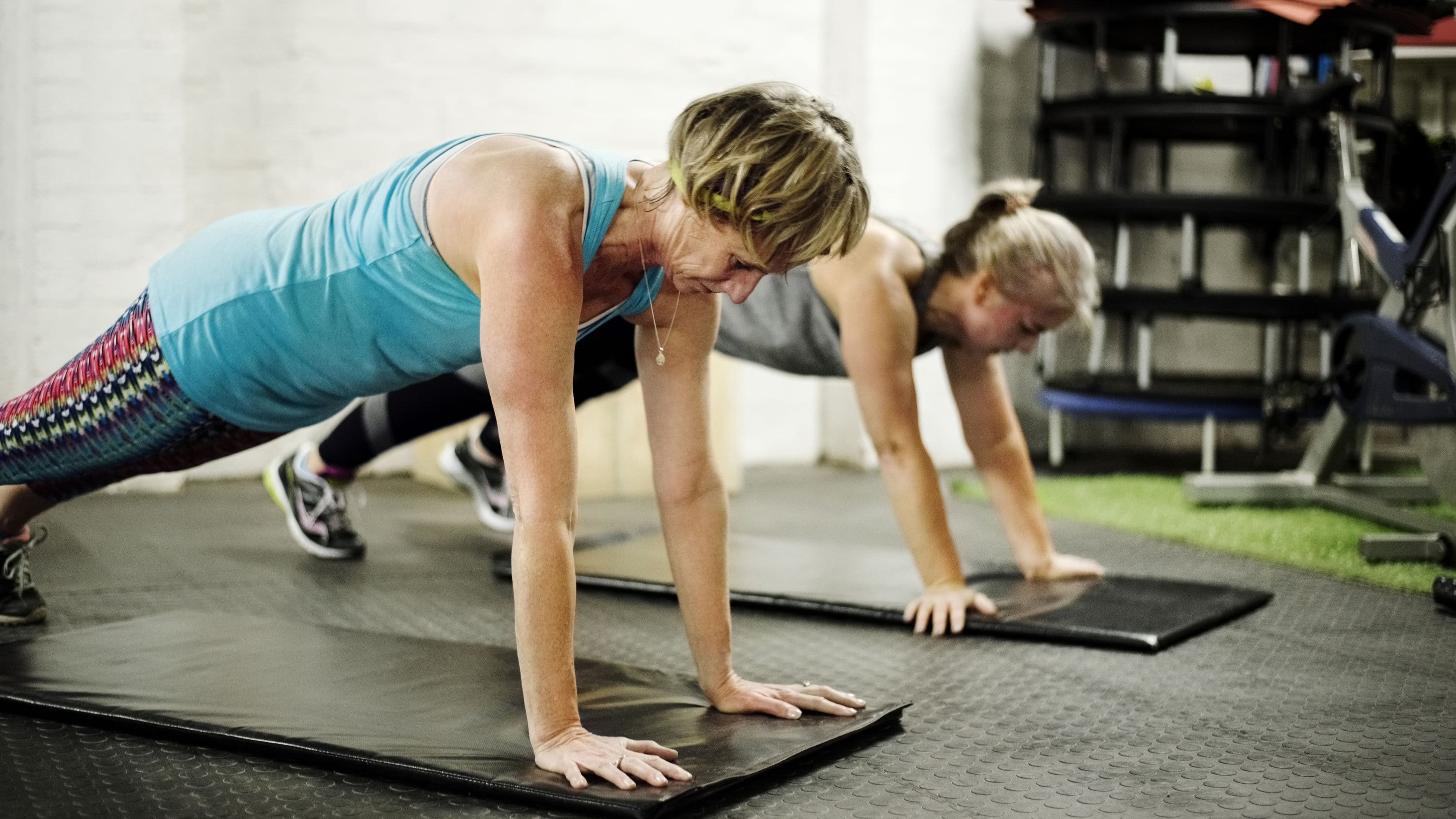
Planks engage your entire core simultaneously without the repetitive spinal flexion of a sit-up. Begin with 20-30 second holds, focusing on keeping your body in a straight line from shoulders to heels rather than letting your hips sag or pike upward.
Add side planks for oblique strength
Side planks target the oblique muscles more directly than a standard forward plank, building rotational stability that a sit-up doesn't really address. Hold for 15-20 seconds per side to start, working up gradually as strength builds.
Incorporate dead bugs for controlled core engagement
This exercise, done lying on your back with arms and legs extended, then slowly lowering opposite arm and leg toward the floor while keeping your lower back pressed down, teaches genuine core control without any spinal flexion at all. It's a favorite among physical therapists specifically because it builds strength while protecting the lower back.
Try bird dogs for stability and coordination
Performed on hands and knees, extending opposite arm and leg while keeping your torso stable, bird dogs build the same stabilizing strength dead bugs target, from a different angle. This combination hits your core from multiple directions without a single crunch.
Add standing rotational movements
Simple standing torso rotations, with or without light resistance like a light medicine ball, build functional core strength that translates directly into everyday movement – twisting to grab something, turning while carrying groceries – in a way a sit-up's isolated forward crunch doesn't replicate.
Tips for Consistency
Focus on quality over duration when you're starting out – a well-executed 20-second plank builds more genuine strength than a sloppy 60-second one where your form breaks down halfway through. Building these exercises into a short, consistent routine two to three times a week tends to produce more noticeable progress than sporadic, longer sessions.
Common Mistakes
Holding your breath during planks and stability exercises is one of the most common mistakes, and it actually works against you – steady breathing helps your core engage properly rather than tensing up in a way that limits how long you can hold good form. It's also worth avoiding letting your hips sag during a plank, since that shifts the strain toward your lower back rather than your core, undermining the exact benefit you're trying to build.
FAQ
How long does it take to notice a difference in core strength? Most people notice improved stability and endurance in planks and related holds within two to three weeks of consistent practice, though visible changes in appearance depend on broader factors like overall body composition, not just these exercises alone.
Are these exercises safe for people with lower back issues? Generally these exercises are considered gentler on the lower back than traditional sit-ups, but anyone with an existing back condition should check with a doctor or physical therapist before starting a new exercise routine.
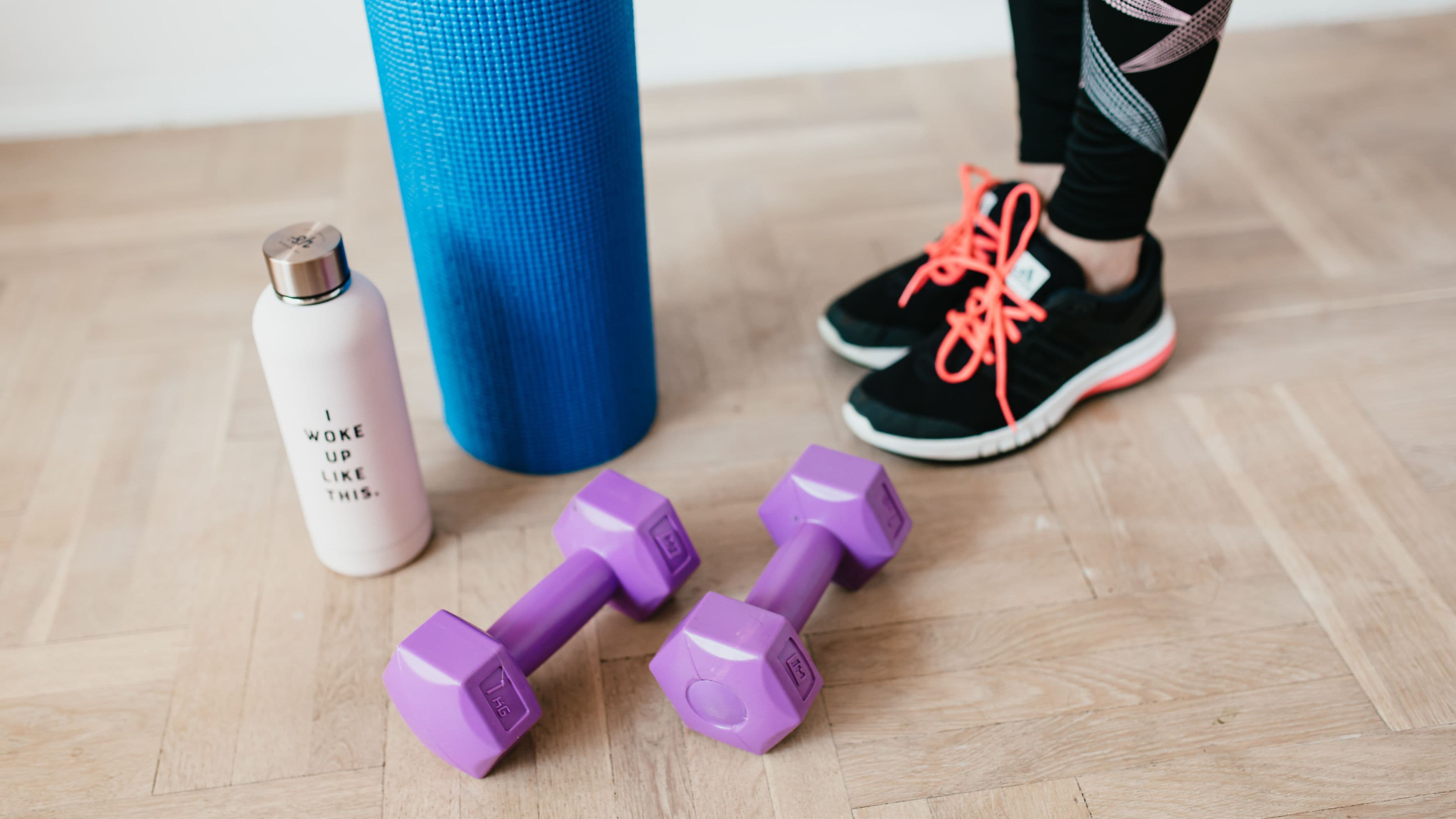
Do I need any equipment for these exercises? No equipment is required for planks, side planks, dead bugs, or bird dogs. A yoga mat adds comfort but isn't strictly necessary.
📚 Sources
American Council on Exercise – core stability exercise guidance – https://www.acefitness.org/resources/everyone/blog/
Harvard Health Publishing – core strengthening without back strain – https://www.health.harvard.edu/exercise-and-fitness
National Academy of Sports Medicine – functional core training principles – https://www.nasm.org/