Women's Lifestyle


Are Black Friday Deals Actually Worth It, and What Should You Really Be Buying This Year?
You've been told that Black Friday is the ultimate shopping event—the one day when you can score unbeatable deals on everything you've been eyeing all year. But that advice might be draining your bank account while filling your home with regret disguised as bargains.

Does Medicare Really Cover Dental Care? What You Wish You Knew Before Your Next Dentist Appointment
You've been told that Medicare takes care of your health needs after 65—but that belief might be costing you thousands in dental bills you never saw coming.
The Color That Secretly Controls Your Appetite
Last Tuesday, I walked into my favorite fast-food restaurant and something felt... off. The bright red and yellow décor that usually made my mouth water seemed almost aggressive. My usual craving for a double cheeseburger had completely vanished, replaced by an odd sense of unease. It wasn't until I stepped outside and noticed the workers repainting the exterior a calming sage green that it hit me – colors had been manipulating my appetite all along, and I'd never even realized it.

The Daily Habit That's Aging You 10 Years Faster
Did you know that 95% of Americans check their phones within an hour of waking up, and the average person touches their device over 2,600 times per day? While we've become accustomed to living with our smartphones practically glued to our hands, emerging research reveals a shocking truth: chronic phone posture isn't just giving you neck pain—it's literally aging your entire body at an accelerated rate.

Which Room in Your House Is Making You Depressed?
I used to wonder why I felt so drained every evening, despite having what seemed like a perfectly normal day. The mystery unraveled one autumn afternoon when I decided to work from my bedroom instead of my usual kitchen table setup. Within hours, I felt sluggish, unmotivated, and inexplicably sad. That's when it hit me – my environment wasn't just affecting my productivity; it was actively dampening my mood. As I began paying closer attention to how different spaces in my home made me feel, I discovered something fascinating: certain rooms were literally making me depressed, while others lifted my spirits instantly.

Why Do Minimalists Actually Live Longer?
Did you know that people living in "Blue Zones"—regions where residents regularly live past 100—own an average of just 300 items, compared to the typical American household's 300,000 possessions? This striking difference isn't just coincidence. It turns out that the ancient philosophy of "less is more" might be the secret ingredient to adding years to your life and life to your years.

Why Rich People Sleep on the Floor (and You Should Too)
Last year, I stumbled into the penthouse apartment of a tech billionaire during a networking event in San Francisco. While everyone else marveled at the floor-to-ceiling windows and million-dollar art collection, I was fixated on something entirely unexpected in the master bedroom: a simple Japanese futon rolled out on the hardwood floor. No king-size bed, no designer headboard, just a thin mattress that probably cost less than most people's monthly coffee budget.
Will Solar Panels Actually Save You Money, or Are You Just Making Your Electric Company Rich?
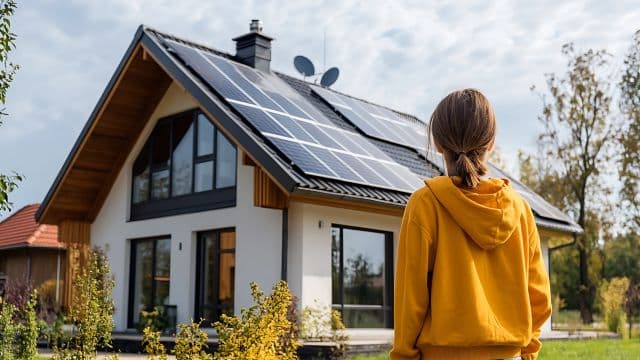
You've been told that solar panels are a guaranteed path to slashing your electricity bills—but that promise might be costing you more than your current power company ever did.

How Fertility Awareness Is Changing the Conversations Women Have About Their Bodies
For a long time, understanding your own cycle meant relying on a general sense of "that time of the month" without much deeper insight into what your body was actually doing day to day. Fertility awareness has quietly shifted that, giving more women a genuinely detailed understanding of their hormonal patterns, and that shift is changing conversations far beyond just pregnancy planning.
How Non-Alcoholic Socializing Is Changing the Way Adults Connect
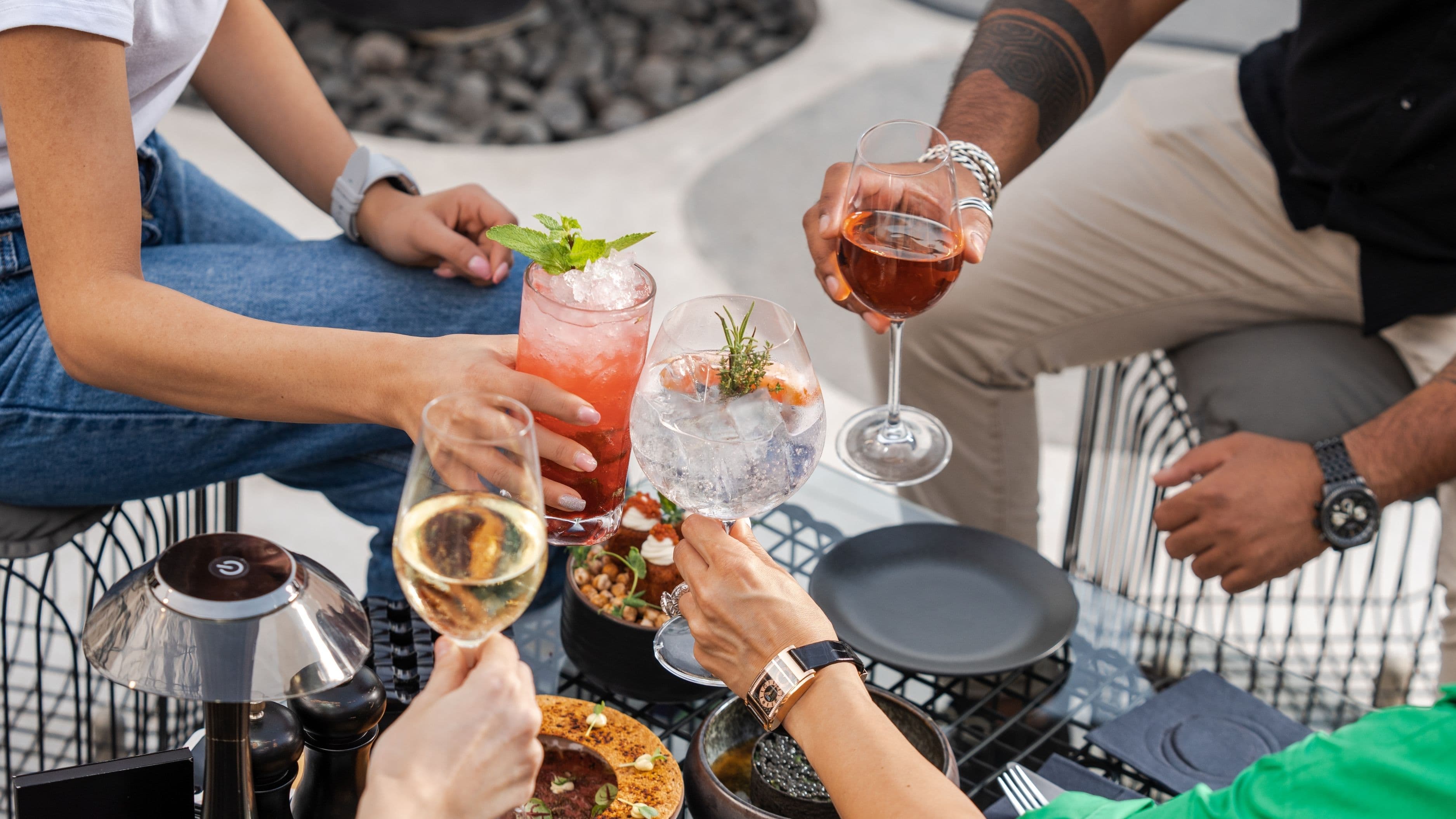
Something is quietly shifting in how people choose to spend their evenings, weekends, and social time. Across age groups – but particularly among adults in their 20s and 30s – there's a growing movement toward socializing that doesn't revolve around alcohol. It's not about deprivation or judgment. It's about people realizing that some of their most meaningful connections happen when they're fully present, and that the pressure to drink to participate in social life is something they can simply stop accepting.
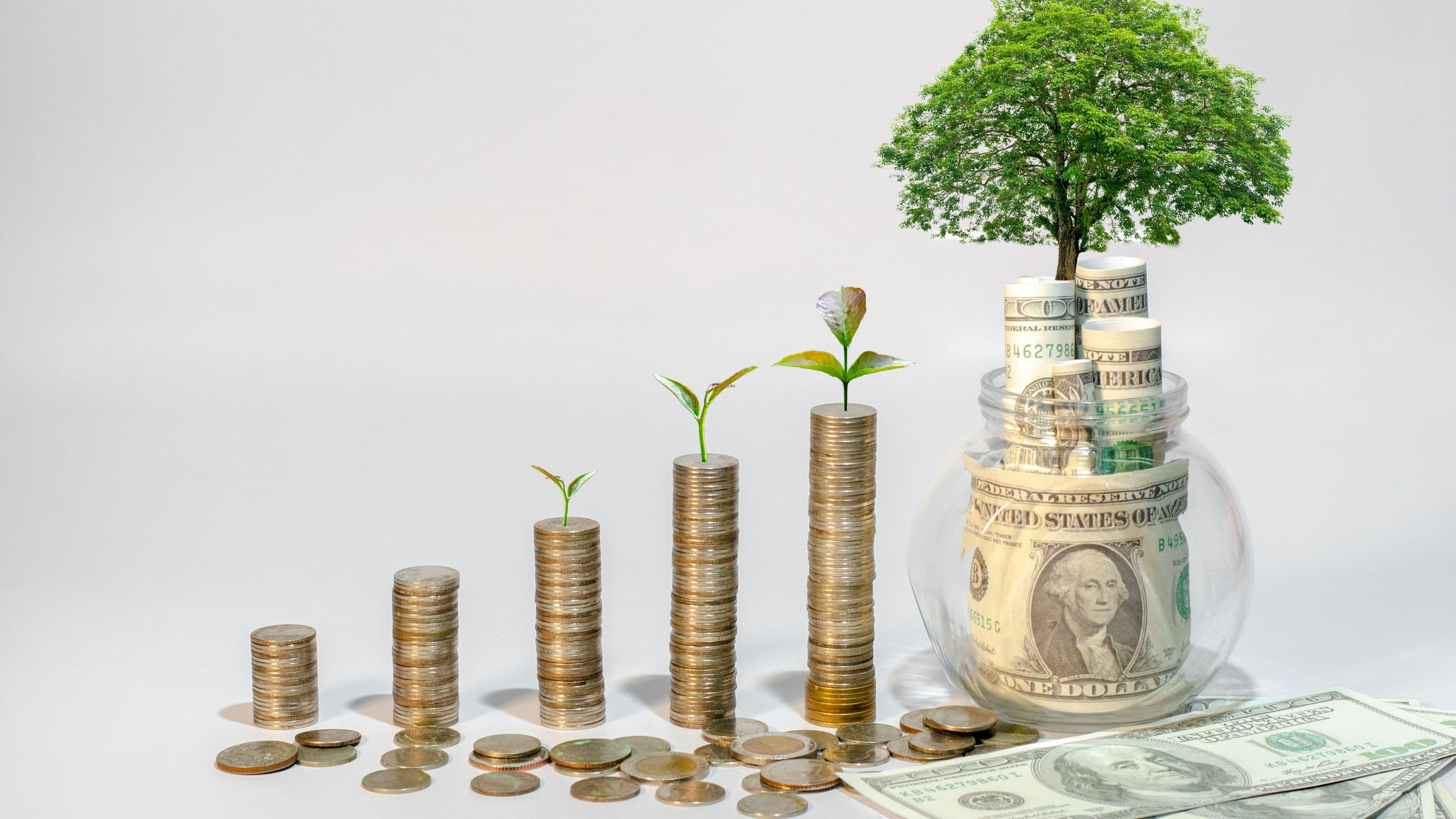
How to Create a Simple Financial Wellness Routine for Your 30s
Your 30s tend to be the decade where finances stop feeling like something you'll figure out "later" and start feeling like something that genuinely needs a system. Between career growth, maybe a mortgage or kids entering the picture, and retirement finally feeling like a real, approaching thing rather than an abstract someday, this is often when the gap between having good intentions about money and actually having a routine becomes obvious. The good news is that a financial wellness routine doesn't need to be complicated to be genuinely effective – it just needs to be consistent.

How to Create a Weekly Routine That Actually Reduces Decision Fatigue
By the time most people hit Wednesday, something subtle has happened to their brain. The decisions made since Monday – what to eat, what to wear, what to work on first, how to respond to that message, whether to go to the gym – have slowly chipped away at the mental energy available for everything else. The result isn't always obvious exhaustion. It shows up as procrastination, irritability, worse food choices, and the creeping feeling that the day is harder than it should be.
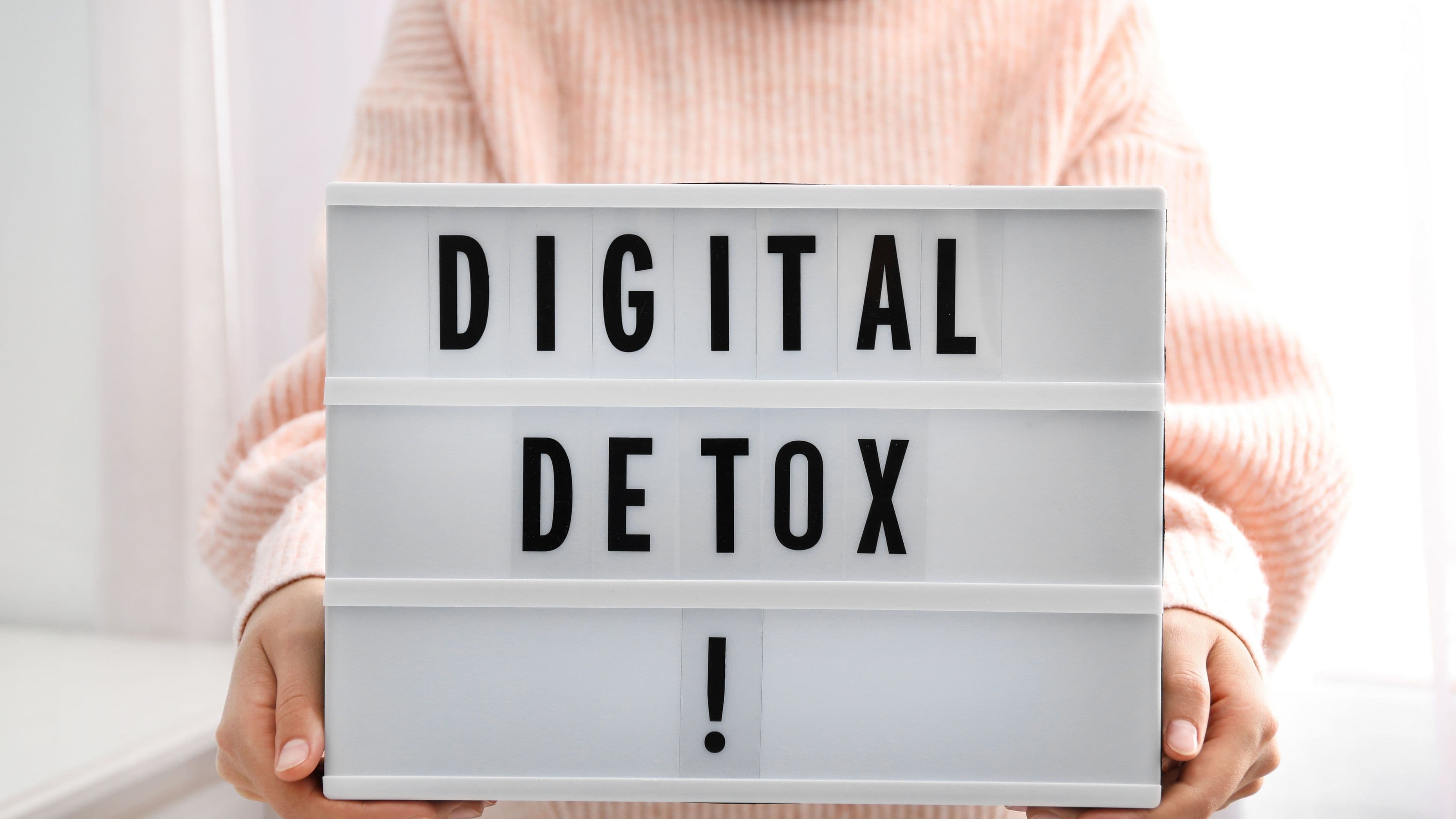
How to Do a Digital Detox Without Quitting the Internet Entirely
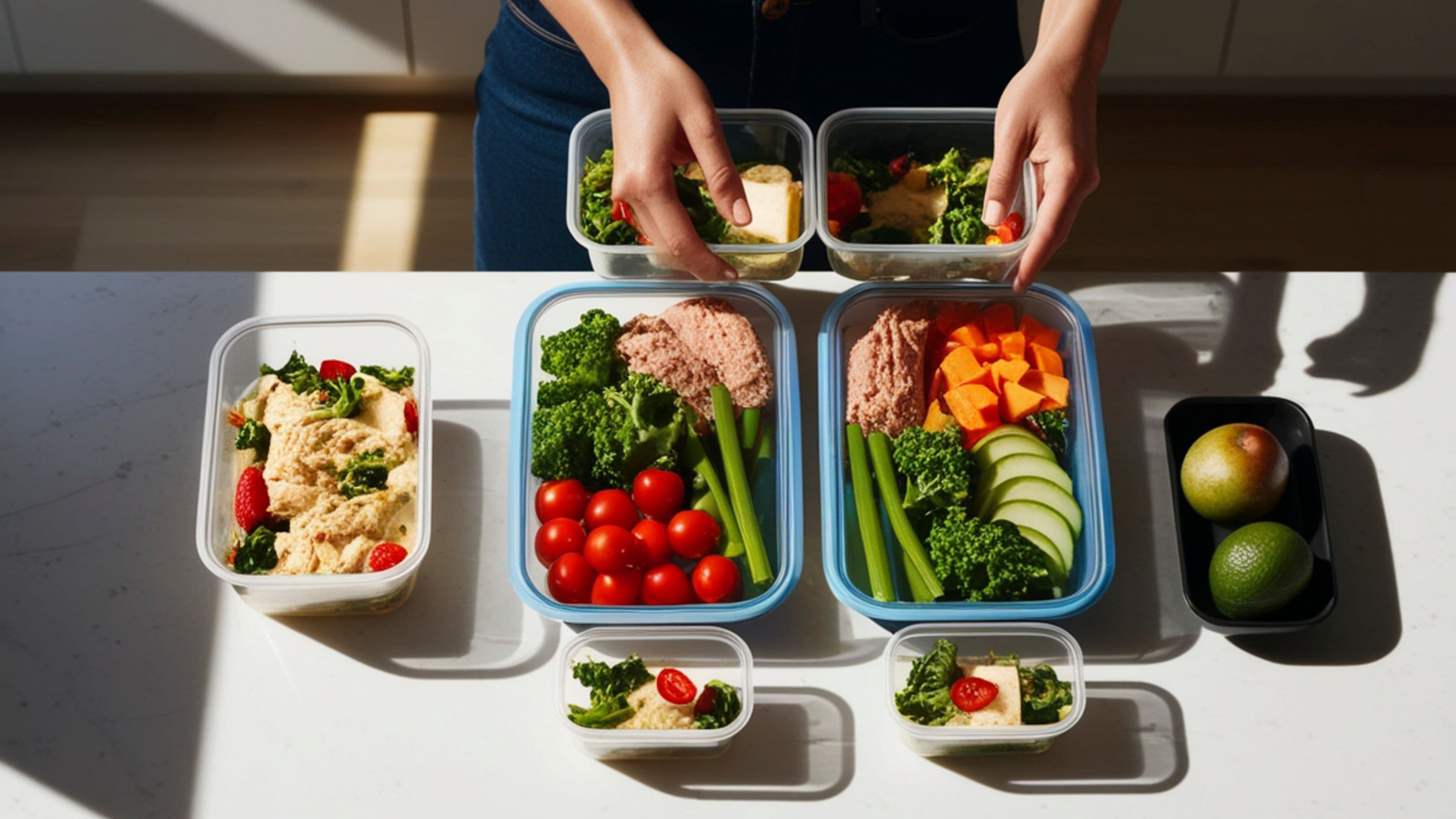
How to Meal Prep for the Week in Under 2 Hours
Most people don't fail at meal prepping because they're disorganized. They fail because they treat it like a cooking show – elaborate recipes, multiple proteins, color-coded containers – when all they actually needed was food ready to go in the fridge by Sunday evening.
How to Prepare for a Hard Conversation Before You Have It
There's a specific kind of dread that builds in the days before a difficult conversation – the kind where you rehearse the same three sentences in your head on repeat, then somehow still feel unprepared when the moment actually arrives. That gap between mental rehearsal and real readiness usually comes down to preparing for the wrong things. A little structure beforehand can make a genuinely nerve-wracking conversation feel far more manageable.
How to Start Decluttering When Everything Feels Important
Standing in a cluttered room trying to figure out where to even begin can feel paralyzing, especially when every item seems to carry some kind of meaning, potential use, or "I might need this someday" justification. The good news is that decluttering doesn't require deciding everything's fate in one exhausting session. A gentler, more realistic approach can get you real progress without the overwhelm.
How to Stop Procrastinating Without Willpower or Productivity Apps
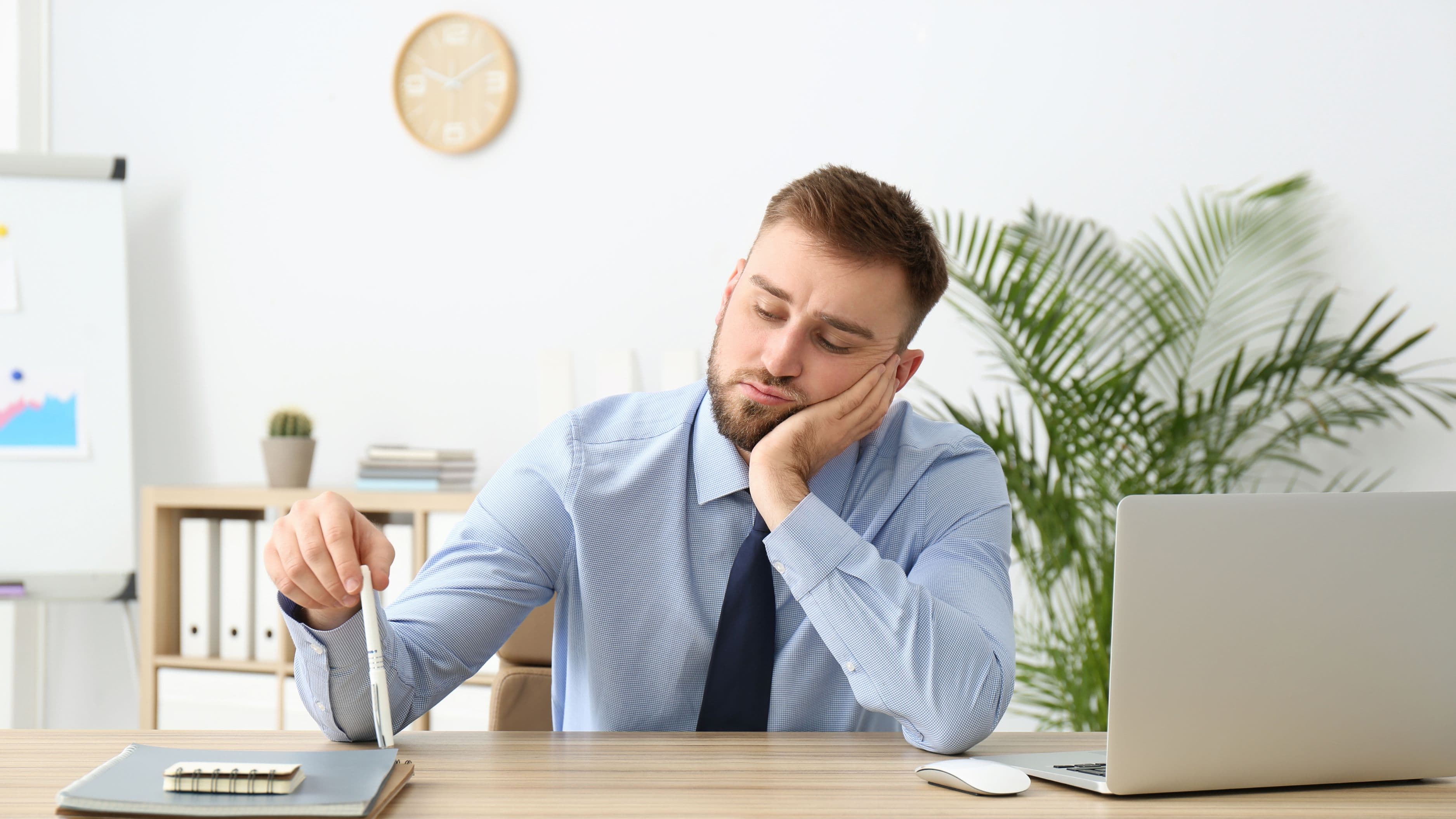
If you've tried to fix procrastination by "just having more discipline" or downloading yet another productivity app, you already know how well that tends to work: for about three days. Willpower is a limited resource that gets depleted throughout the day, and apps can only help if the actual problem is a lack of organization, when for most people, procrastination has much more to do with how a task feels emotionally than how well it's tracked on a to-do list.

The 30-Day Burnout Recovery Plan for People Who Can't Afford to Stop
You're exhausted. Not just tired – the kind of worn-down where even small tasks feel impossible, your patience runs out before noon, and you can't remember the last time you did something that felt genuinely good. But here's the thing: you still have a job to show up to. Bills. People depending on you. Stopping isn't an option.

The Minimalist Morning Routine That Actually Saves Time
Most morning routine advice does the opposite of what it promises. It starts with a reasonable suggestion – wake up earlier, drink water, don't check your phone – and then quietly expands into a 2-hour protocol involving journaling, meditation, cold showers, exercise, affirmations, and a homemade smoothie. By the time you're done reading, the routine sounds like a part-time job, and the result is that you try it once, feel like a failure by day three, and go back to exactly what you were doing before.

The Productivity Habits That Actually Hold Up Over Time
Most productivity advice has a shelf life of about two weeks. You try the new morning routine, the elaborate task management system, the color-coded calendar, and it works great right up until a genuinely busy or stressful stretch hits, at which point the whole system quietly falls apart and you're back to whatever you were doing before. The habits that actually last tend to look considerably less exciting than the ones that trend online, mostly because they're built to survive real life rather than an idealized version of your schedule.

Why Slow Mornings Are Becoming the New Productivity Hack
Most productivity advice starts with an alarm. A brutal one. The assumption has always been that the earlier and more aggressively you start your day, the more you get done. Wake at 5am, hit the gym, cold shower, emails answered before the rest of the world is awake. The people selling this approach aren't wrong that discipline matters – but the evidence on what actually makes people productive, calm, and effective across a full day is pointing somewhere different. Slow mornings are gaining serious attention not as an indulgence but as one of the most sustainable ways to set up your day well.
Explore other categories
Same editorial standard, different decisions.
Fitness & Sports
Browse Fitness & Sports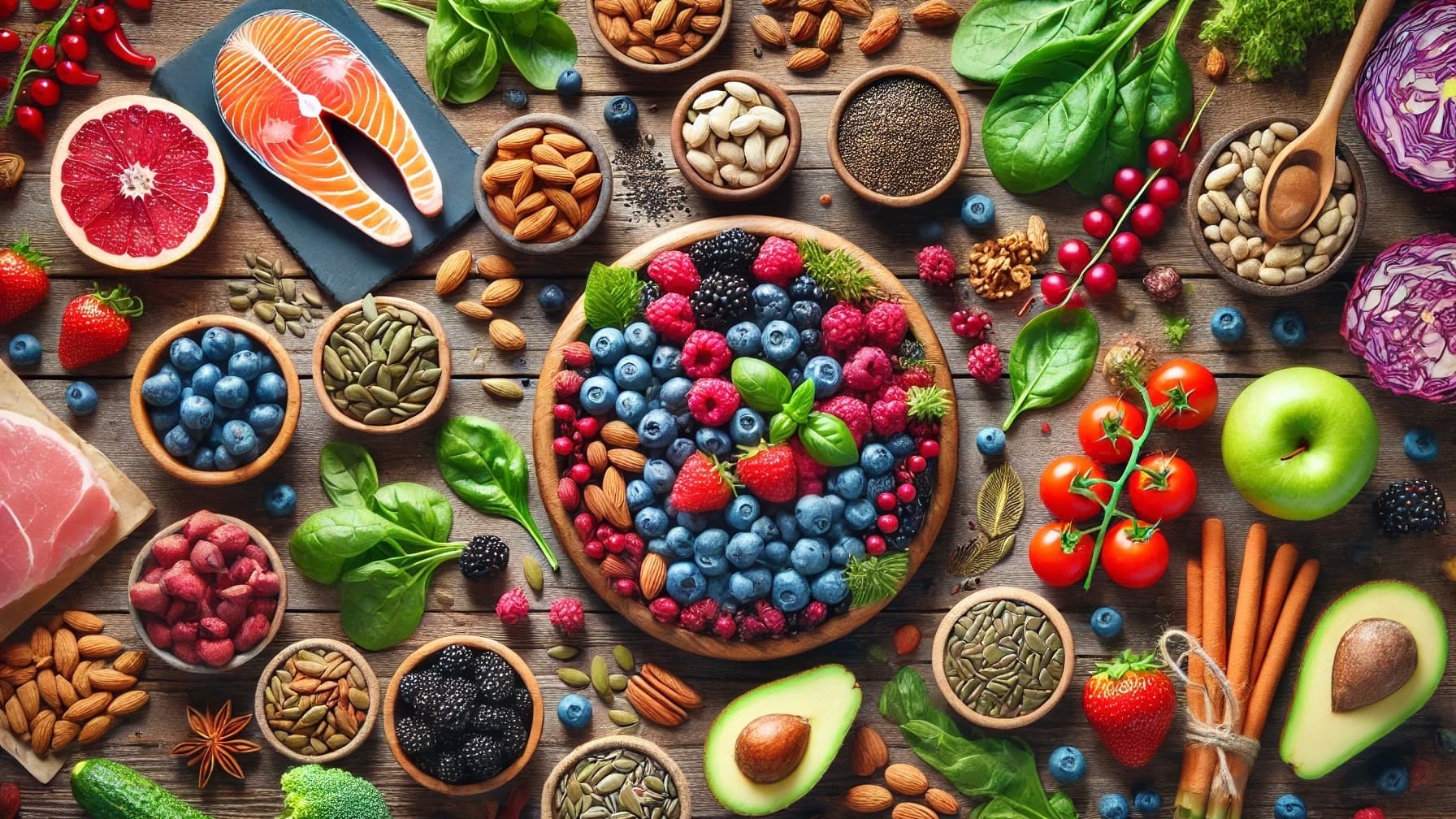
Health & Nutrition
Browse Health & Nutrition
Home Improvement
Browse Home Improvement
Lifestyle
Lifestyle is where mindset and productivity meet real life — sleep optimization, precision nutrition, financial wellbeing, and boundaries that protect your energy. Practical, sustainable, and built for people with real schedules.
Browse Lifestyle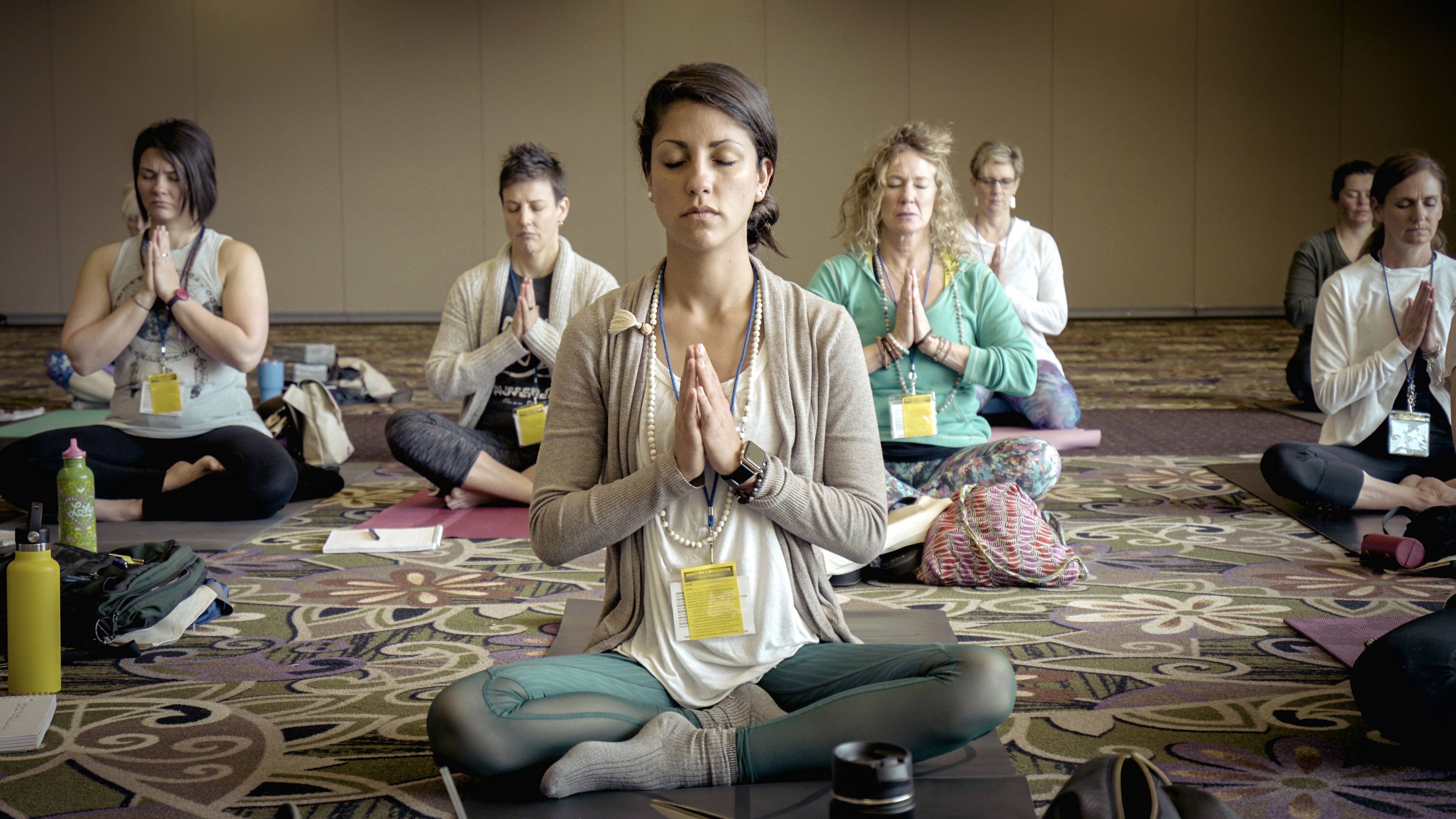
Mind & Soul
Browse Mind & Soul
Mindset
Mindset is the inner operating system behind everything else you do. This collection covers emotional fitness, nervous-system science, journaling frameworks, and the small daily practices that build lasting mental strength — no toxic positivity, just research-backed tools you can use today.
Browse Mindset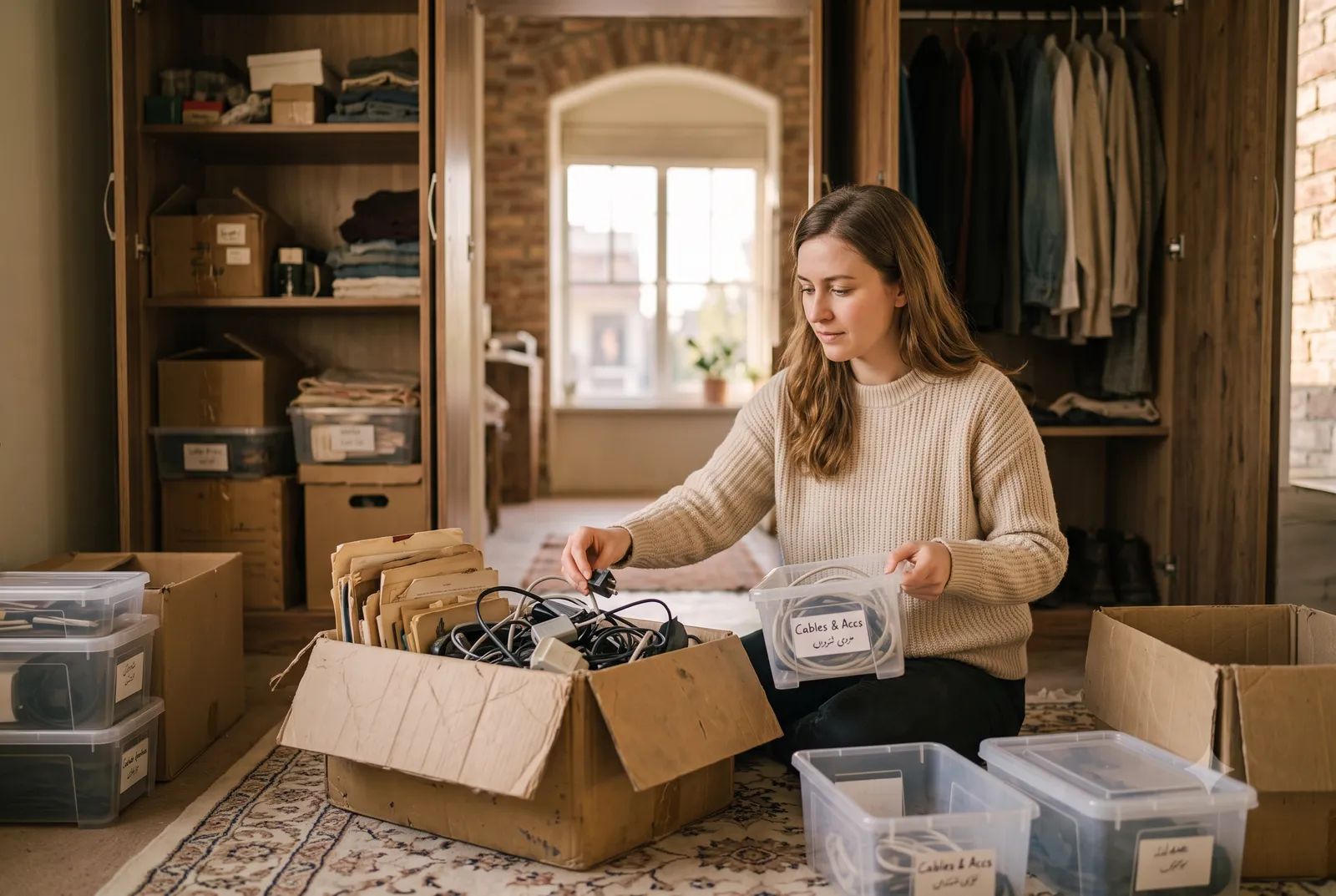
Productivity
Productivity isn't about doing more — it's about doing what matters with less friction. Explore focus systems, habit architecture, digital minimalism, and the AI tools reshaping how high-performers plan their days in 2026.
Browse Productivity
Relationships
Browse Relationships