
Why the Flexibility Myth Keeps People from Starting
Social media and studio marketing tend to showcase advanced poses, which creates a skewed impression of what yoga actually looks like for most practitioners. In reality, the vast majority of people who regularly practice yoga aren't naturally flexible – they became more flexible gradually through consistent, gentle practice, the same way anyone builds any physical skill over time. Waiting until you're "flexible enough" to start yoga is like waiting until you're strong enough to start lifting weights – it gets things backward.
The Real Benefits That Have Nothing to Do with Flexibility
Stress and nervous system regulation. Yoga combines movement with intentional breathing, which activates the parasympathetic nervous system – your body's "rest and digest" state. This happens regardless of how deep your poses go; the breathing and mindful movement are doing the real work here, not the depth of a stretch.
Improved body awareness. Regular practice builds a stronger sense of how your body moves and holds tension, which can translate into better posture, more mindful movement throughout your day, and earlier awareness of physical stress before it becomes pain.
Better sleep quality. Several studies have linked consistent yoga practice, even gentle or beginner-level sessions, to improved sleep quality, largely through its stress-reducing effects rather than any physical flexibility gained.
A structured way to slow down. For many people, yoga is one of the only parts of their day genuinely free from multitasking or screens, offering a rare structured pause that's valuable independent of any physical outcome.
Starting Where You Actually Are
Choose beginner-friendly styles first. Gentle, restorative, or beginner hatha yoga classes are specifically designed for people newer to movement and flexibility, unlike more advanced vinyasa or power yoga styles that assume some existing physical baseline.
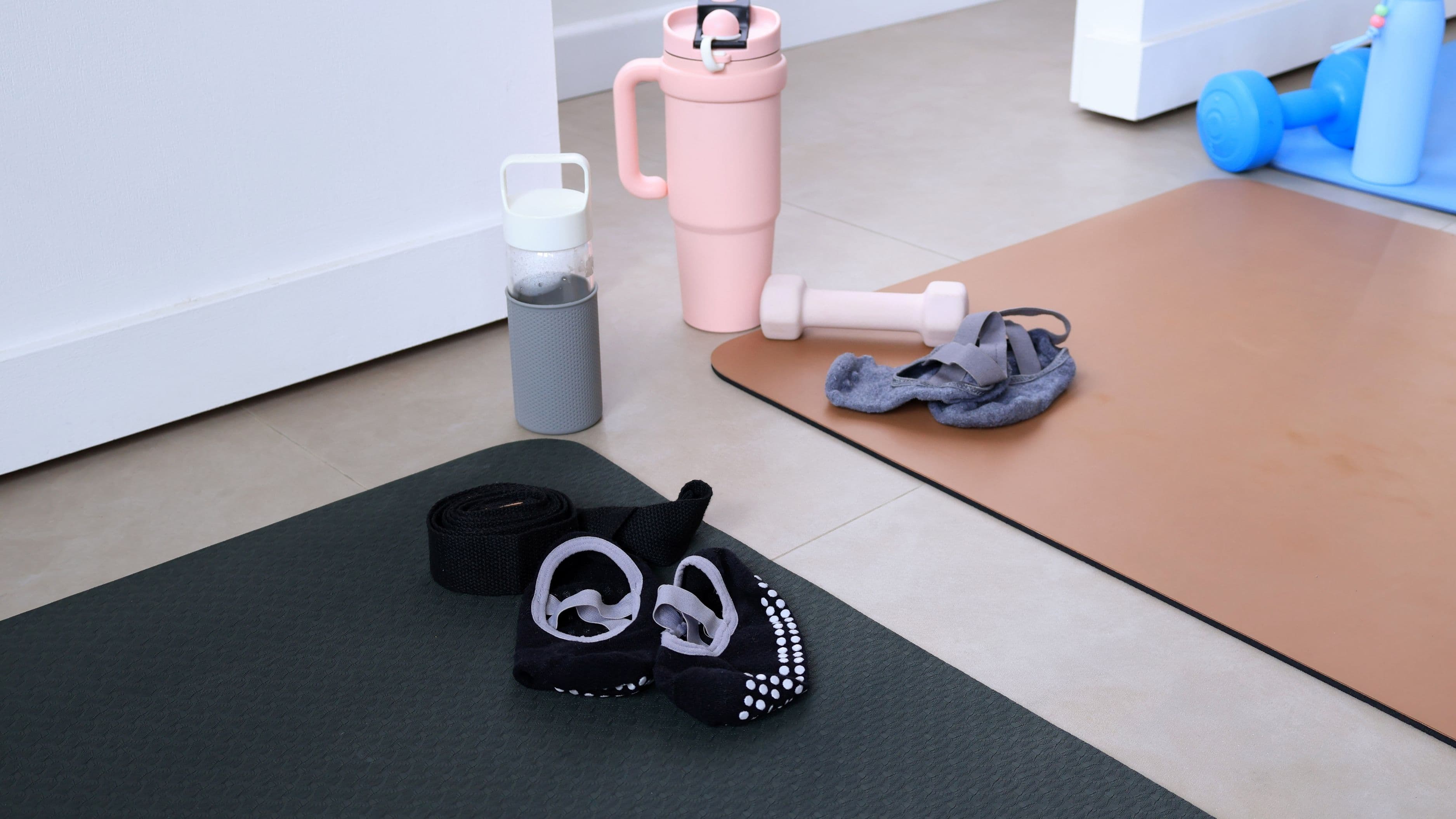
Use props without hesitation. Blocks, straps, and bolsters exist specifically to meet your body where it currently is – using a block under your hand in a pose isn't a sign you're doing it wrong, it's a legitimate, common way to practice safely while your flexibility develops naturally over time.
Focus on breath over depth. In nearly every pose, the quality of your breathing matters more than how deep you can go into the stretch – a shallow stretch with steady, intentional breathing offers more benefit than forcing a deeper position while holding your breath from strain.
Expect gradual, not dramatic, change. Flexibility genuinely does improve with consistent practice, but the timeline is measured in weeks and months of regular practice, not single sessions – patience here is realistic, not a sign you're doing something wrong.
What a Realistic First Month Looks Like
Most beginners notice improvements in stress levels, sleep, and general body awareness well before they notice significant flexibility changes, since those benefits build faster than physical range of motion does. Two to three short sessions a week, even 15 to 20 minutes each, is a realistic and sustainable starting point – more valuable than an ambitious daily commitment that's hard to maintain and easy to abandon after a rough week.
Common Mistakes to Avoid
Don't compare your practice to more experienced practitioners in a class or on social media – yoga is genuinely non-competitive by design, and comparison tends to undermine the exact stress-reduction benefit you're trying to build. Avoid pushing into pain in an attempt to force flexibility faster, since this risks injury and works against the gradual, sustainable progress yoga is actually built around. And don't quit after a few sessions if you don't notice dramatic results immediately – the stress-reduction and body-awareness benefits typically build with consistency over several weeks, not instantly.
Realistic Expectations
Give yourself a genuine month of consistent, gentle practice before evaluating whether yoga is working for you. Expect subtle shifts first – slightly better sleep, a little more ease in your shoulders, a calmer response to a stressful moment – rather than a dramatic physical transformation. The flexibility will come with time, but it was never actually the point.
FAQ
Do I need to be flexible to try a beginner yoga class? No – beginner classes are specifically designed for people without existing flexibility, and instructors expect and accommodate a wide range of starting abilities.
How long before I notice any benefits from yoga? Many people notice stress-related benefits like improved sleep or calmer reactions within the first couple of weeks of consistent practice, while flexibility changes typically take longer, over weeks to months.
Is it normal to feel awkward or stiff during early yoga sessions? Completely normal – nearly everyone starts here, and the awkwardness fades naturally with consistent, patient practice rather than through any particular technique or shortcut.