
The good news is that none of these mistakes are hard to fix once you spot them. This isn't about overhauling your life or punishing yourself – it's about adjusting a handful of things so your body works with you instead of against you. Here are seven common fitness mistakes people make in their 30s, and the simple, realistic shifts that turn them around.
1. Skipping Strength Training and Only Doing Cardio
Plenty of people spend their 30s running, cycling, or doing cardio classes while skipping strength work entirely. The problem is that muscle mass naturally begins to decline gradually from around this decade onward, and strength training is the most effective way to slow that and keep your metabolism, posture, and everyday strength intact.
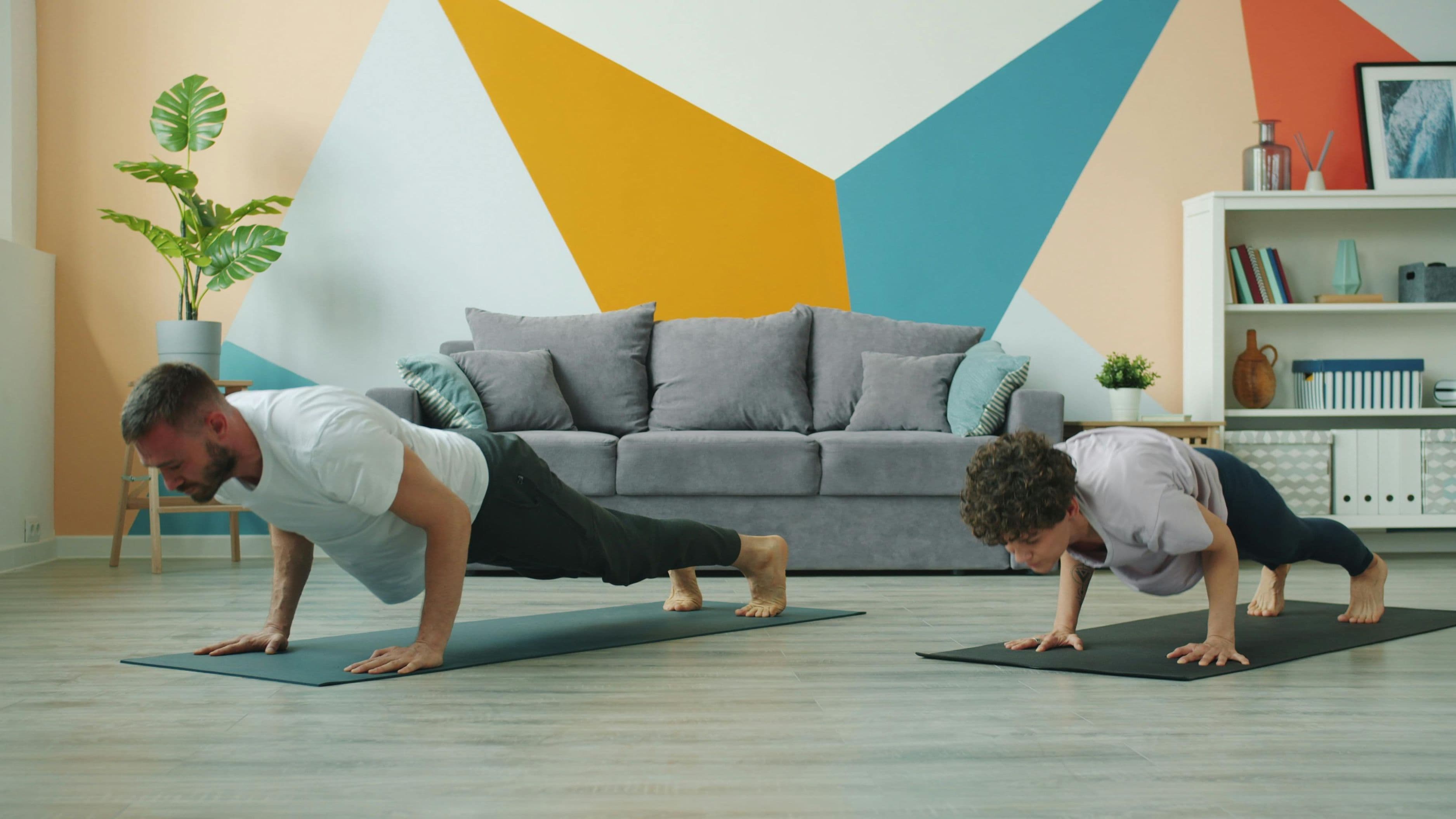
The fix is simple: add two short strength sessions a week, even bodyweight ones at home. You don't need heavy weights or hours in a gym – consistent, manageable resistance work makes a noticeable difference in how strong and energetic you feel. Skipping it is one of the biggest reasons people feel like things are "slowing down."
2. Ignoring Recovery and Sleep
In your 20s you could train hard, sleep little, and bounce back fast. In your 30s, recovery becomes just as important as the workout itself, and skimping on it is a quiet way to stall your progress and invite injury. Your body rebuilds and gets stronger during rest, not during the workout, so shortchanging sleep and recovery undercuts all your effort.
Prioritize consistent, sufficient sleep and give yourself genuine rest days between harder sessions. Treat recovery as part of your fitness plan rather than a luxury. This single shift often unlocks better results than adding more workouts, because you finally let your body adapt to the work you're already doing.
3. Training Like You're Still 20
Diving into a workout cold, skipping warm-ups, and pushing maximum intensity every session is a fast track to strains and setbacks once you're in your 30s. Tissues take a little longer to warm up and recover, and ignoring that reality tends to end in nagging injuries that derail everything for weeks.
The fix isn't to go easy – it's to be a bit smarter. Spend a few minutes warming up before you train, ease into intensity, and pay attention to form. Working out intelligently keeps you consistent, and consistency over months beats a handful of intense sessions followed by an injury layoff every single time.
4. Falling Into the All-or-Nothing Trap
This is one of the most common and self-defeating mistakes at any age, but it bites especially hard in busy 30s lives. You miss a few workouts because work or family got hectic, decide you've "fallen off," and abandon the routine entirely – when a short, imperfect workout would have kept the habit alive.
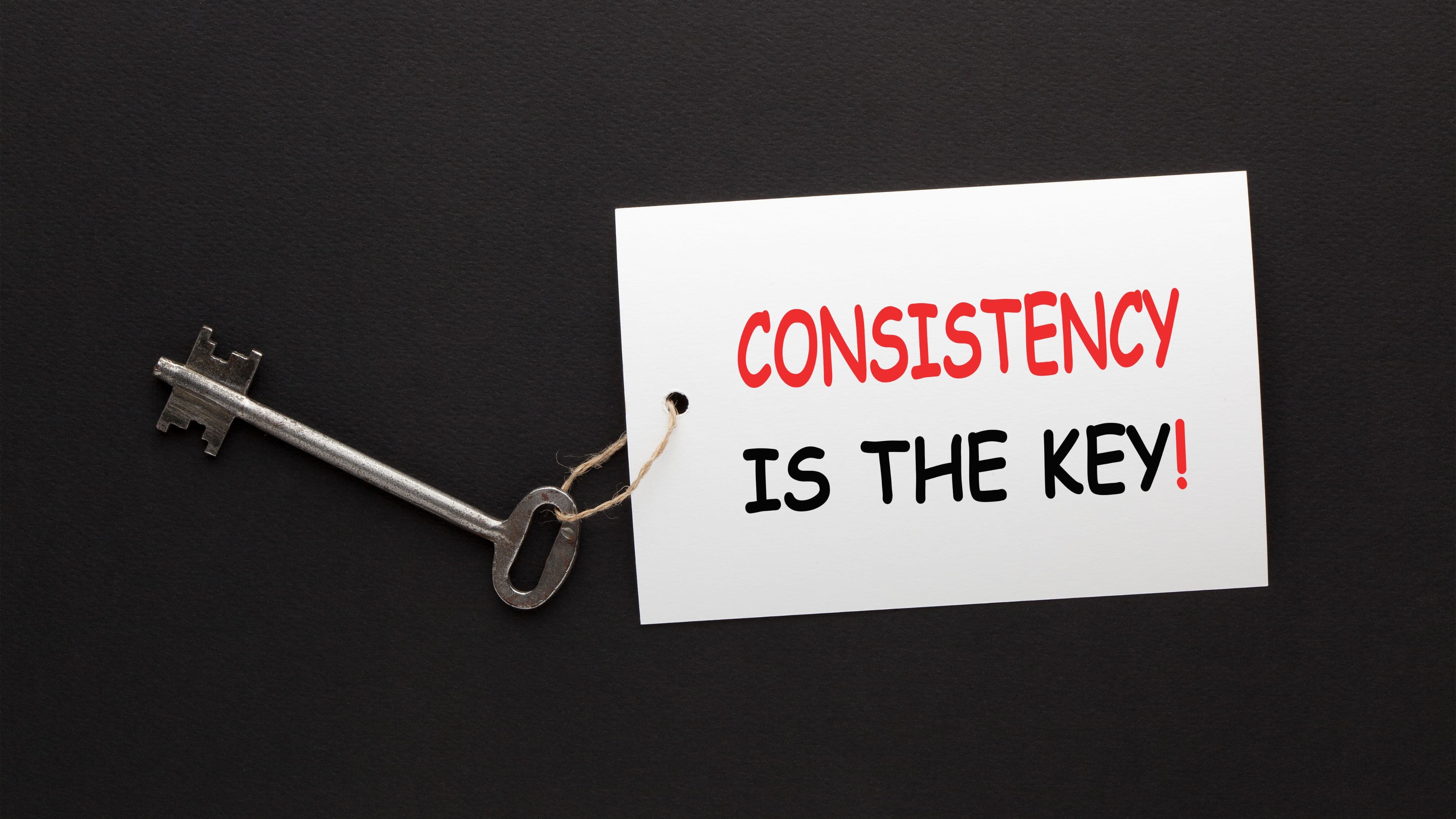
The shift is a mindset one: aim for consistency, not perfection. A 10-minute session on a chaotic day keeps your momentum going far better than waiting for the perfect hour that never comes. Missing a day isn't failure; quitting because you missed a day is what actually slows you down. Be kind to yourself and just pick it back up.
5. Neglecting Mobility and Flexibility
Stiffness tends to creep in during your 30s, often from long hours sitting at a desk, and many people only notice it once something hurts. Ignoring mobility and flexibility leaves you tighter, more prone to injury, and moving less freely than you need to – which quietly makes every workout and everyday task harder.
A few minutes of gentle stretching or mobility work most days makes a real difference. Focus on the areas that tend to get tight from sitting, like hips, shoulders, and the back. It's low-effort, it feels good, and it keeps you moving comfortably so you can keep doing everything else. This is the kind of small habit that pays off enormously over the years.
6. Not Fueling Your Body Properly
Many people in their 30s either undereat in an effort to manage weight or simply don't pay attention to getting enough quality nutrition to support their activity. Both leave you under-fueled, low on energy, and struggling to recover or build strength. Food is the raw material your body uses to repair and adapt, and skimping on it works against your goals.
The realistic fix is to focus on eating enough balanced, nourishing food – including plenty of protein, which becomes increasingly important for maintaining muscle as you age – rather than chasing restriction. Aim to support your activity, not starve it. If you have specific nutrition goals or concerns, a doctor or registered dietitian can give guidance tailored to you, which is far more useful than any one-size-fits-all rule.
7. Chasing Intense Programs Instead of Sustainable Habits
It's tempting to jump into an extreme program promising fast results, but these are usually too demanding to maintain alongside a busy 30s schedule – and the moment life gets hectic, they collapse, often taking your motivation with them. The cycle of starting hard and burning out is itself what slows people down, because it never builds lasting fitness.
Choose an approach you can actually sustain for months, not days. A moderate, repeatable routine that fits your real life will always outperform an intense one you quit in two weeks. Sustainable beats spectacular every time, and the people who stay fit through their 30s are almost always the ones who picked something they could keep doing.
The Mindset That Ties It All Together
Notice the thread running through all seven: in your 30s, fitness rewards consistency, recovery, and working smart far more than raw intensity. None of these fixes ask you to do more or push harder – most actually ask you to be a little gentler and more strategic. That's not slowing down; it's training in a way that fits the decade you're in.
If you want a starting point, pick just one or two of these to address over the next 30 days rather than tackling all seven at once. Add a couple of strength sessions, or commit to better sleep, or simply start stretching daily. Small, focused changes stick – and they compound into feeling genuinely stronger and more energetic over time.
FAQ
Is it normal to feel like fitness gets harder in your 30s? To a degree, yes – muscle maintenance and recovery start needing a bit more attention than in your 20s. But "harder" mostly means "needs a smarter approach," not that you can't be fit. Most people who adjust their habits feel great in their 30s.
Do I really need strength training, or is cardio enough? Both matter, but strength training becomes especially important in your 30s for maintaining muscle, metabolism, and everyday strength. Even two short sessions a week alongside your cardio makes a meaningful difference.
How important is sleep for fitness in your 30s? Very. Your body recovers and gets stronger during rest, so consistent, sufficient sleep directly affects your results and how you feel. Improving sleep is often the most overlooked fitness upgrade.
What if I keep falling off my routine? That's normal, and the fix is letting go of all-or-nothing thinking. Aim for consistency over perfection, do short workouts on busy days, and treat a missed day as a pause, not a failure. Just restart without guilt.
Should I follow an intense program to see results faster? Usually not. Intense programs are hard to sustain alongside a busy life and often lead to burnout or injury. A moderate routine you can keep up for months delivers far better long-term results.
The Bottom Line
The fitness mistakes that slow people down in their 30s aren't about a lack of effort – they're usually about effort pointed in the wrong direction: too much intensity, too little recovery, no strength work, and an all-or-nothing mindset. Fix even a couple of these and you'll likely feel the difference within a month. Be patient and kind with yourself, focus on sustainable habits over spectacular ones, and remember that in this decade, training smart is what keeps you feeling strong, energetic, and capable for the long haul.
📚 Sources
Centers for Disease Control and Prevention – Physical Activity Guidelines for Adults: https://www.cdc.gov/physical-activity-basics/guidelines/adults.html
Harvard Health Publishing – Preserving Muscle Mass as You Age: https://www.health.harvard.edu/staying-healthy/preserve-your-muscle-mass
Mayo Clinic – Strength Training: Get Stronger, Leaner, Healthier: https://www.mayoclinic.org/healthy-lifestyle/fitness/in-depth/strength-training/art-20046670
Sleep Foundation – Exercise and Sleep: https://www.sleepfoundation.org/physical-activity/exercise-and-sleep
American Council on Exercise – Why Warm-Ups and Recovery Matter: https://www.acefitness.org/resources/everyone/blog/