
The good news is that you don't need to overhaul your entire day or build elaborate routines to fix this. Small, consistent habits make the real difference.
Why Sitting All Day Hits Differently at Home
In an office, movement is baked in without you thinking about it. You walk to the building, walk to meetings, walk to get coffee, walk to a colleague's desk. It's not much, but it adds up to a meaningful baseline of physical activity throughout the day that most people only notice when it disappears.
At home, all of that goes away. Your commute might be twenty steps from bedroom to desk. Your "meetings" are video calls you take without leaving your chair. Coffee is five feet away in the kitchen. The cumulative absence of incidental movement is significant – research consistently shows that people who work from home sit for longer uninterrupted periods than office workers, and prolonged sitting is linked to lower energy, worse focus, and a range of longer-term health effects.
The fix isn't about becoming more disciplined or fitting in a formal workout at 6am. It's about building in movement in ways that actually fit your day.
Start with a Simple Morning Routine
The way you start your remote day has an outsized effect on whether you stay active through it. If you wake up, open your laptop immediately, and start working, you're setting a sedentary tone that tends to persist.
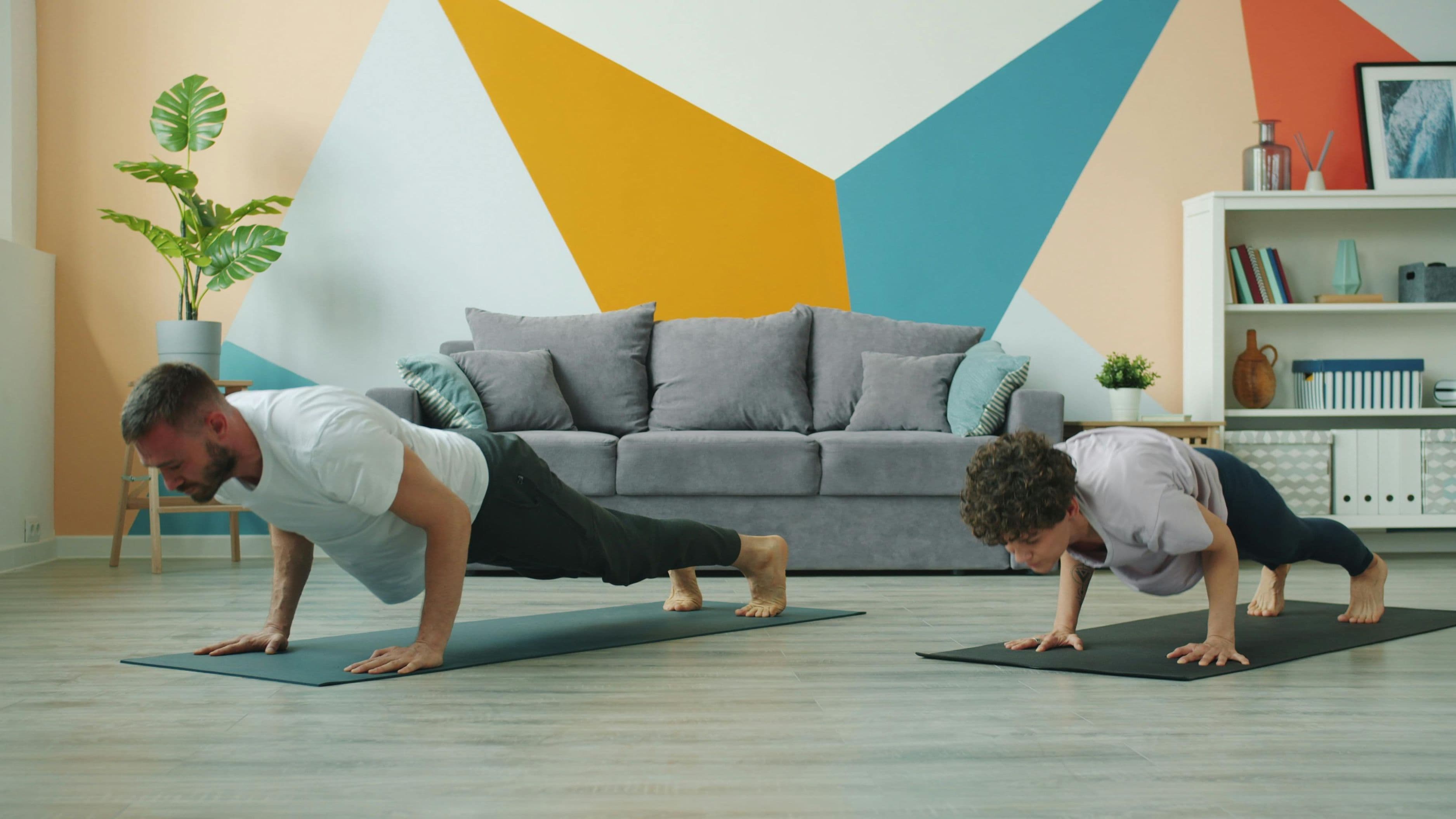
A short morning movement habit – even ten minutes – signals your body that today is not a stationary day. This doesn't have to be a structured workout. A ten-minute walk around the block, a brief stretch sequence on your bedroom floor, or a YouTube yoga or mobility routine gives your body a reason to wake up and keeps you from spending your first hour in a completely static slump. The specifics matter far less than the consistency.
The goal isn't fitness – it's shifting your default from "I'm a person sitting at a desk" to "I'm a person who moves." That framing carries through the day better than you might expect.
Use Movement Breaks as a Focus Tool
Here's a reframe that actually makes building in movement easier: movement breaks aren't an interruption to focused work, they're a tool for sustaining it. Research on cognitive performance consistently shows that short physical breaks improve focus and reduce the mental fatigue that builds up over long work sessions. You're not stopping work to go for a walk – you're making the next hour of work better.
A simple version of this is the Pomodoro-style approach: work for 25 minutes, move for 5, repeat. During those five minutes, stand up, walk around your home, do some gentle movement, refill your water. You don't need to elevate your heart rate – you just need to stop being still. After four rounds, take a longer break and consider a proper ten to fifteen minute walk outside.
The hardest part of this approach is the interruption feeling. When you're in flow, stopping to move can feel counterproductive. One way around this is to use natural interruption points – the end of a document, the completion of a task, the transition between meetings – as your movement triggers instead of a strict clock. The goal is regular breaks, not perfect intervals.
Set Up Your Space to Encourage Movement
Your physical environment makes staying active significantly easier or harder, and most remote workers set up their space purely for convenience without thinking about how it affects their movement patterns.
A few changes that make a real difference: put your water bottle in the kitchen rather than on your desk so you need to walk to refill it. Take phone calls standing up or walking around – most calls don't require you to be at your computer, and pacing while you talk is an easy source of additional daily steps. If you have the option to set up a standing desk or even a makeshift raised work surface for part of the day, alternating between sitting and standing reduces the accumulated strain of hours in one position.
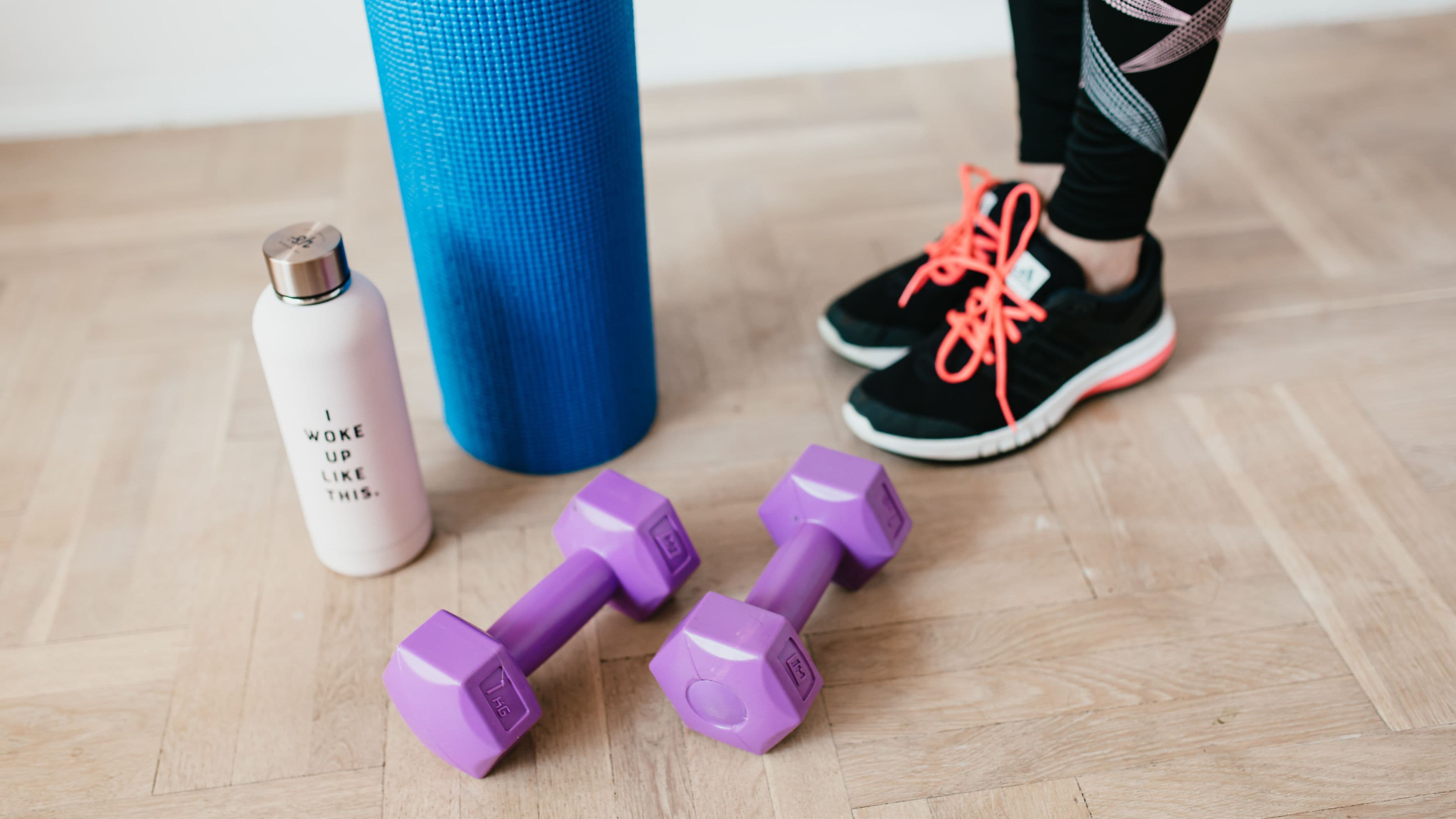
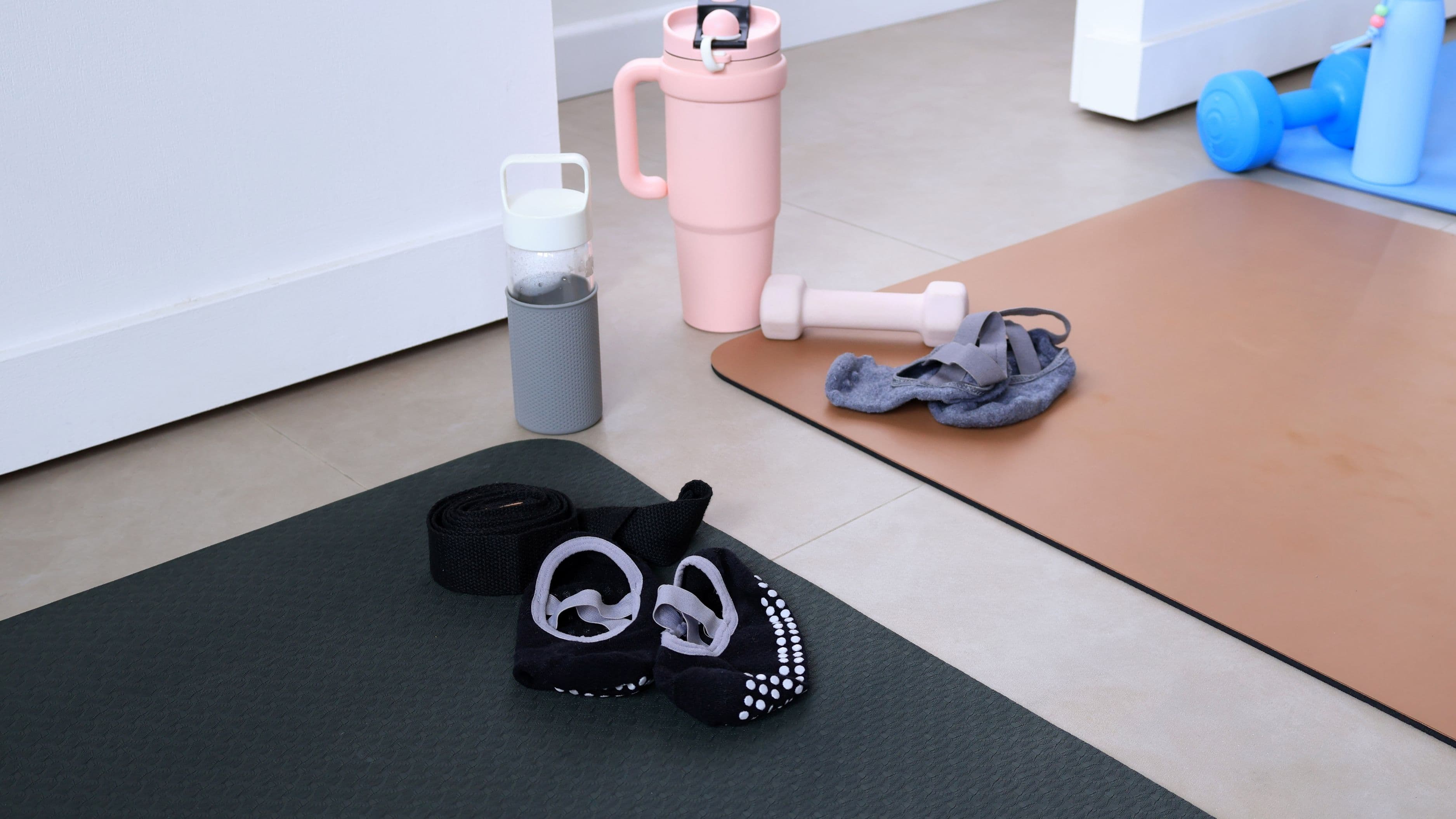
Keeping a foam roller, resistance band, or yoga mat visible near your workspace also lowers the barrier to using them. Equipment that's stored in a closet gets used far less than equipment that's sitting in your line of sight. This isn't about motivation – it's about friction. The lower you make the barrier to moving, the more naturally you'll do it.
Build in a Midday Movement Anchor
One of the most effective habits for remote workers is a fixed midday movement ritual – something that happens at roughly the same time every day and physically takes you away from your desk. This could be a 20-minute walk, a quick at-home workout, or even just a slow walk to get lunch rather than eating at your desk.
The fixed timing matters more than the intensity. When a midday walk becomes a habitual anchor, it breaks the day into two halves and prevents the slide into an eight-hour sitting marathon. It also gives you something to look forward to and a natural reset that improves afternoon focus.
If you have flexibility in your schedule, lunchtime movement is significantly better than cramming exercise into the morning or evening. You're already interrupting work for lunch – adding twenty minutes of walking to that break costs you almost nothing in productivity and returns a lot in afternoon energy.
Take Your Calls Outside or on Foot
This one is low effort and disproportionately effective. Any call that doesn't require you to look at a screen is a potential walking opportunity. Team check-ins, one-on-ones, client calls, casual conversations – most of these work perfectly well on a walk. You're still fully present and often more engaged than you'd be sitting passively at a desk.
Even if you only convert two or three calls a week to walking calls, the accumulated movement is significant over time. More than that, walking calls tend to feel different – more conversational, less formal, often more productive. A lot of people find they think better on their feet during discussions than sitting still.
If you're hesitant about the optics, you don't need to announce it. Most people on the other end of a call can't tell you're walking unless the background noise gives it away.
End the Day with a Clear Physical Transition
One of the stranger aspects of working from home is the absence of a natural end to the workday. In an office, leaving is a physical act – you close your laptop, gather your things, walk out the door, and commute home. That transition signals to your brain that work is over. At home, closing your laptop often happens at the same desk where you also eat, watch TV, and spend your evenings.
A short end-of-day walk – even ten or fifteen minutes – creates that transition deliberately. It's not primarily about fitness; it's about drawing a line between work mode and the rest of your day. People who build in an end-of-day walk consistently report better mental decompression from work and less spillover of work stress into their evenings.
This is one of the simplest habits in this list and one of the ones with the most noticeable effect on overall wellbeing if you actually do it consistently.
What to Avoid
Trying to change everything at once is the most reliable way to change nothing. If you add a morning routine, movement breaks, a midday walk, walking calls, and an evening walk simultaneously, the overhead of maintaining all of them at once tends to cause the whole system to collapse. Start with one anchor habit – the midday walk is usually the most impactful place to start – and let it settle before adding anything else.
Waiting for motivation to move is another trap. Motivation follows action, not the other way around. You don't need to feel like taking a walk – you just need to get up and start walking. The feeling of wanting to be active tends to arrive after you've already started, not before.
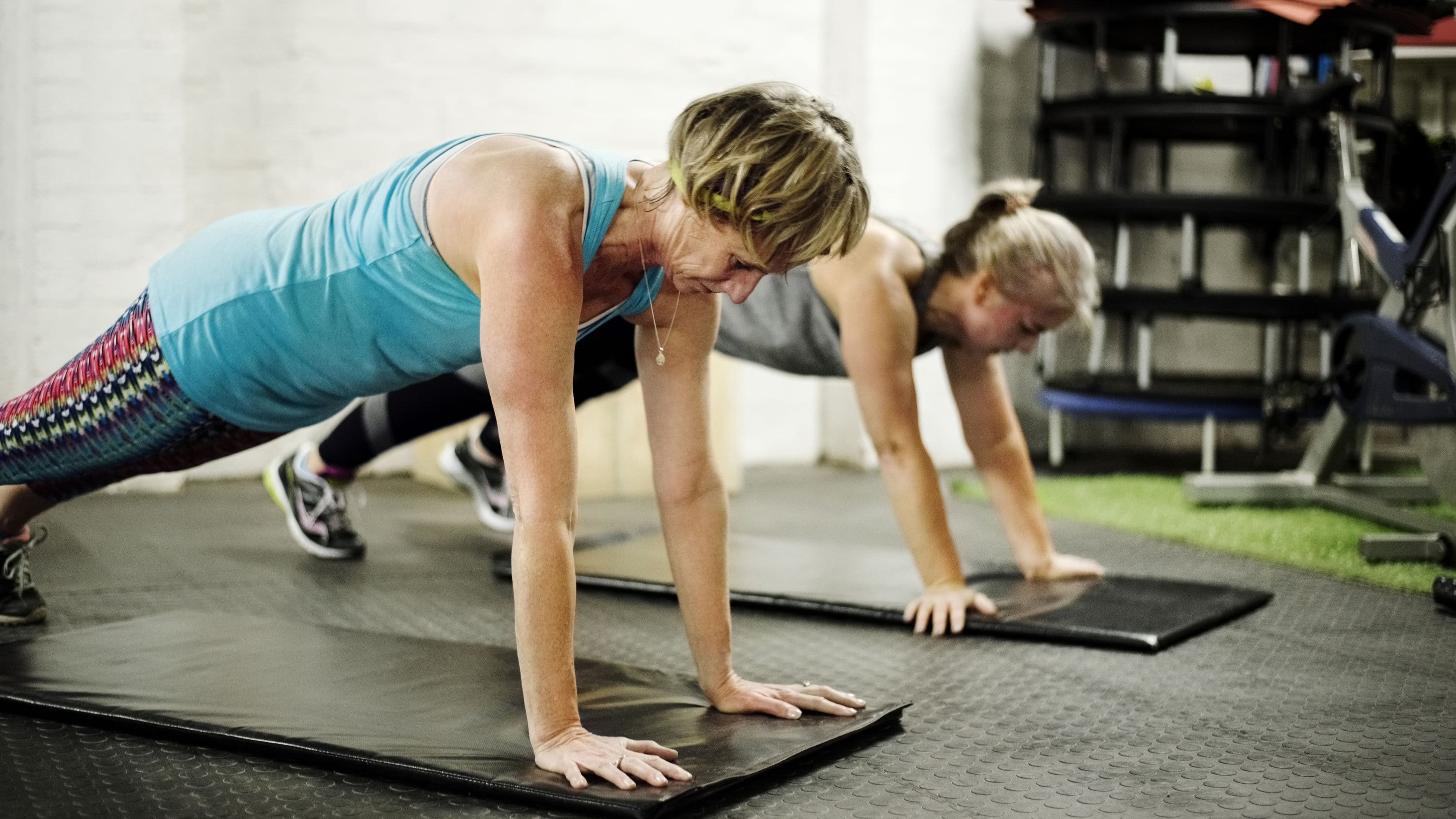
Equating "staying active" with "formal exercise" is worth being careful about too. This isn't about fitting in a gym session or hitting a step count. It's about reducing prolonged stillness throughout the day. A series of short movement breaks with no athletic component whatsoever is genuinely effective for both physical and mental health – and far more sustainable than ambitious workout plans that don't fit your actual life.
A Simple Week to Get Started
You don't need a complicated plan. A realistic starting point looks like this: this week, commit to one midday walk every day – just twenty minutes, same rough time, outside if possible. That's it. Do only that for seven days and notice what changes in your energy and afternoon focus. Once that feels normal, add one other habit – a morning movement routine or a weekly set of walking calls. Build from there, one habit at a time.
The goal isn't to become someone who exercises constantly. It's to stop being someone who sits still for eight hours a day and feels worse for it.
FAQ
What if my schedule is too unpredictable for fixed movement breaks? Use task transitions as your movement triggers instead of the clock. Every time you finish a task, switch contexts, or complete a meeting, stand up and move for two to three minutes before starting the next thing. It's less consistent than a timer-based system but captures the same accumulated movement benefit across a varied day.
Is a standing desk actually worth it? A standing desk is useful if it leads to alternating between sitting and standing throughout the day. If you stand for eight hours straight, the benefits disappear and you introduce new problems. The research suggests alternating in roughly thirty-to-sixty-minute blocks is optimal. A standing mat is also important – standing on a hard floor for extended periods without one causes its own discomfort that discourages use.
How many steps should a remote worker aim for? The 10,000-step target is somewhat arbitrary and not derived from strong research. More useful is the idea of "not sitting still for more than an hour at a stretch" as a minimal daily standard. If you have a fitness tracker, aiming for 7,000–8,000 steps as a realistic daily target for a remote worker is achievable through movement breaks and walks without requiring dedicated workouts.
What if I feel guilty taking movement breaks during work hours? Short movement breaks consistently improve rather than harm cognitive performance over a full day. If you treat them as part of working well rather than a departure from it, both the guilt and the hesitation tend to diminish. Most people who build in regular breaks find they're more productive on break days than on uninterrupted sitting days.
What's the single best habit if I can only pick one? A daily midday walk. It breaks the day in half, forces you away from your desk, provides outdoor light exposure that helps regulate energy and mood, and creates a natural reset that improves afternoon focus. It's the highest-return single habit for remote workers dealing with sedentary days.
📚 Sources
Mayo Clinic – The Risks of Sitting Too Much: https://www.mayoclinic.org/healthy-lifestyle/adult-health/expert-answers/sitting/faq-20058005
Harvard Health – Why is it hard to stay focused and what can help: https://www.health.harvard.edu/mind-and-mood/train-your-brain
Journal of Physical Activity and Health – Breaks in Sedentary Time and Metabolic Outcomes: https://journals.humankinetics.com/view/journals/jpah/jpah-overview.xml
NHS – Physical Activity Guidelines for Adults: https://www.nhs.uk/live-well/exercise/exercise-guidelines/physical-activity-guidelines-for-adults-aged-19-to-64/
Psychology Today – Why Walking Improves Thinking and Mood: https://www.psychologytoday.com/us/blog/the-athletes-way/201603/why-does-exercise-make-you-feel-better