If you've been putting off exercise because your apartment is tiny or you don't own weights, this is your permission slip to start anyway. Here's a simple, realistic way to work out in a small space using nothing but your own body, designed for busy people who'd rather build a lasting habit than chase an intense overnight transformation.
Why a Small Space Is Actually Enough
Your body is the only equipment you need for a surprisingly complete workout. Bodyweight movements – squats, push-ups, lunges, planks, and dozens of variations – build real strength and fitness, and most of them require nothing more than room to stand and lie down. Fitness organizations have long recognized bodyweight training as an effective, accessible way to stay fit, precisely because it travels anywhere and costs nothing.
The small-space limitation actually works in your favor in one way: it removes excuses and friction. There's no commute, no equipment to set up, no waiting for a machine. You can roll out of bed and start, which makes the habit far easier to keep – and consistency, not fancy equipment, is what actually changes how you feel over time.
Step 1: Clear Your Spot and Set the Bar Low
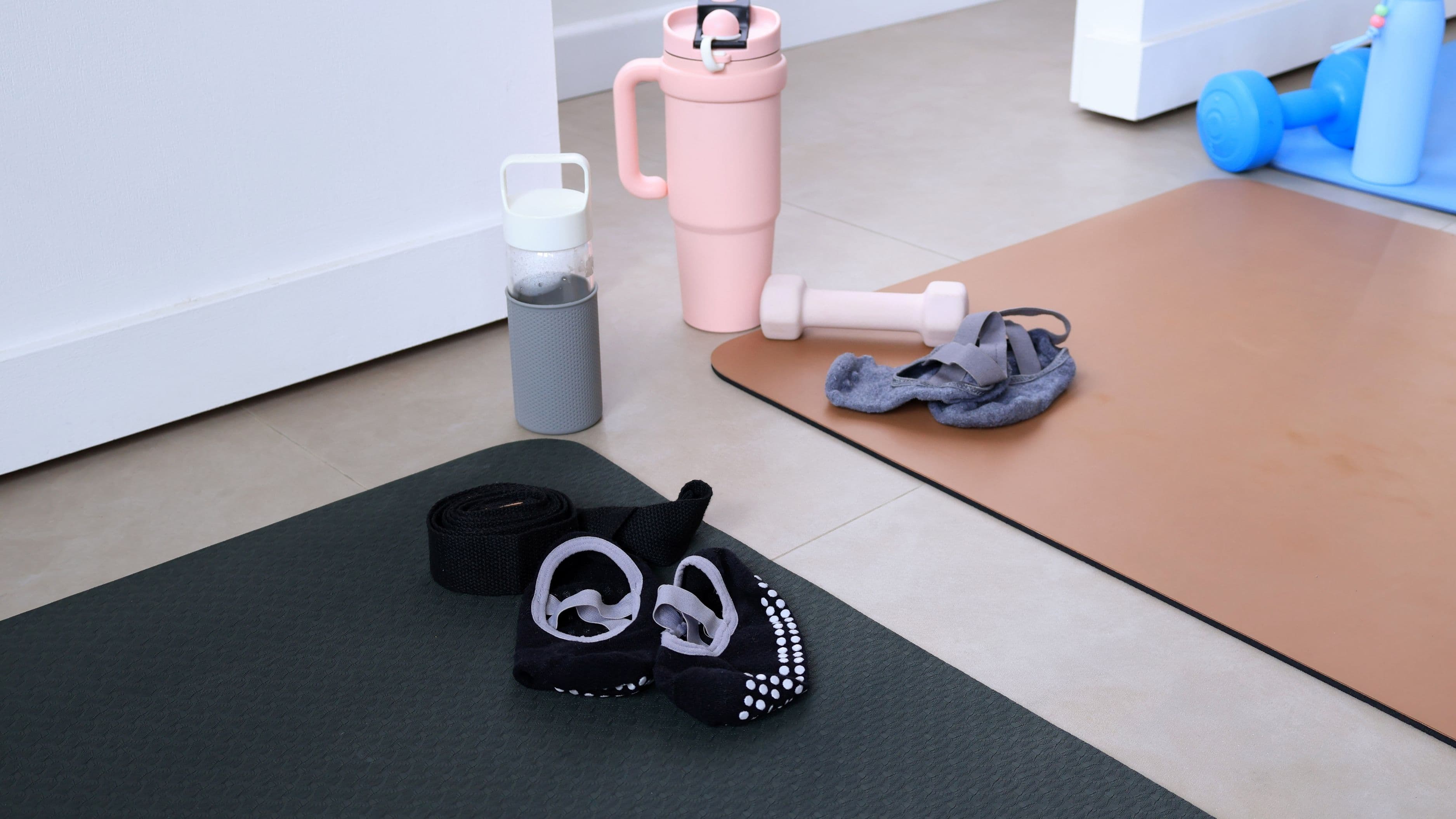
Start by picking one small area you'll use every time – beside your bed, in the living room, wherever you have floor space roughly the size of a towel or mat. Having a consistent spot signals "this is where I move," which quietly builds the habit.
Then set an almost embarrassingly low starting bar. Five or ten minutes is plenty to begin. The goal in your first week isn't to exhaust yourself; it's to show up and prove to yourself this fits your life. People who start small and stay consistent dramatically outlast those who go all-in for three days and burn out. You can always do more once the habit sticks.
Step 2: Learn a Handful of Core Movements
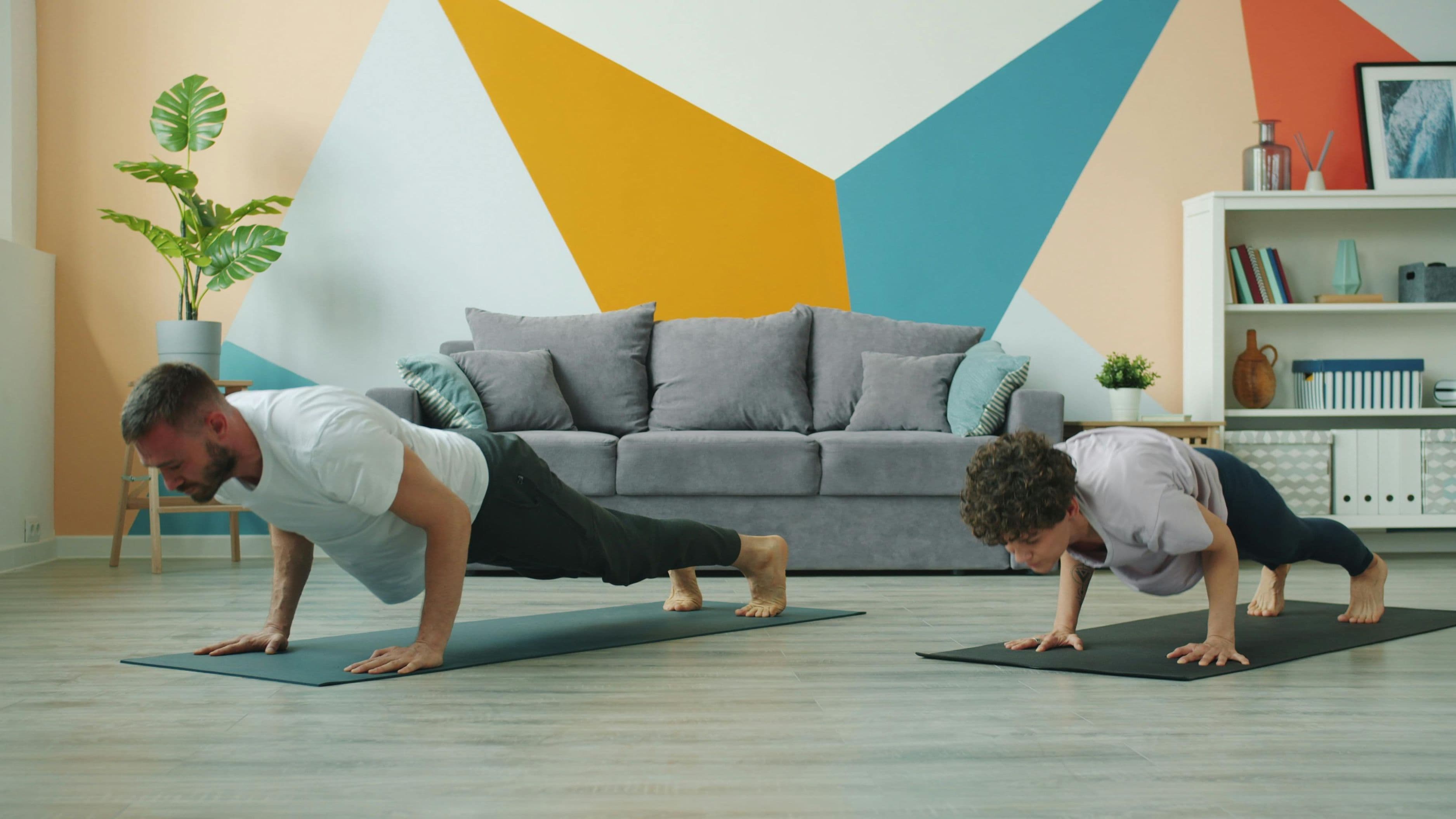
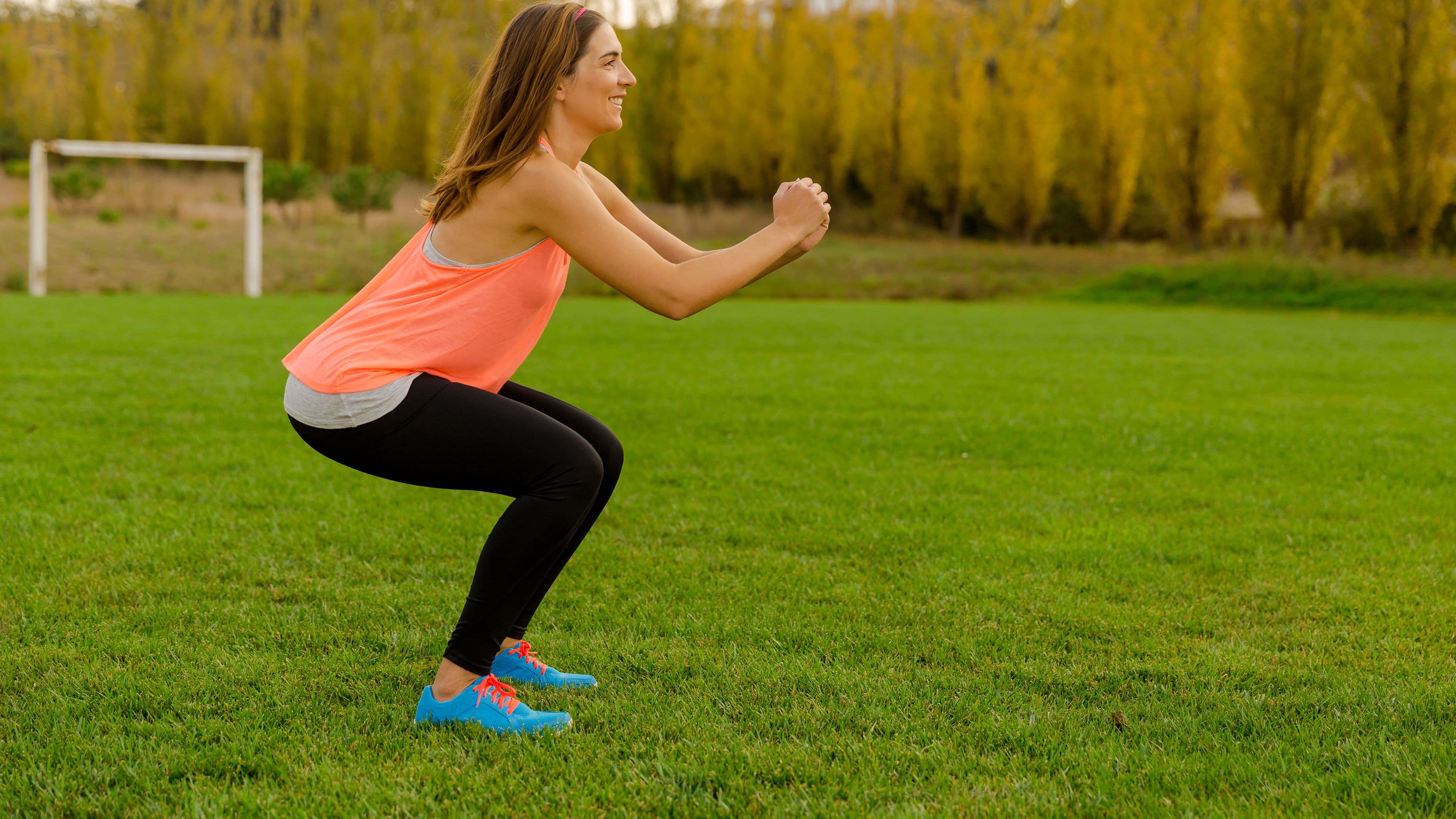
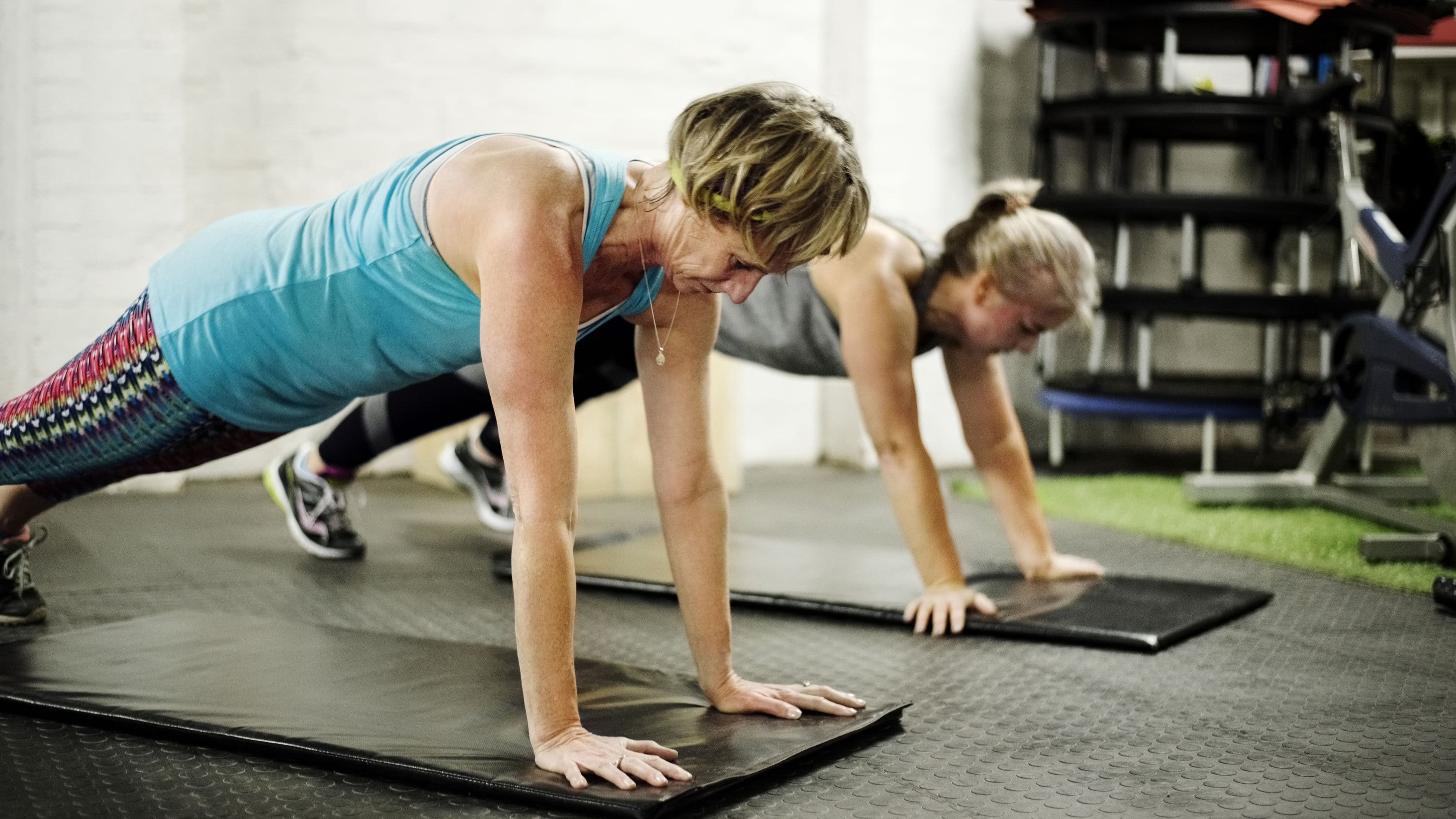
You only need a small toolkit of bodyweight exercises to build a complete routine. Squats work your legs and glutes and need just enough room to stand. Push-ups (done on your knees or against a wall if full ones are too hard yet) build your upper body and core. Lunges work your legs and balance. Planks strengthen your whole core while you simply hold still. And for getting your heart rate up in place, marching or jogging on the spot, jumping jacks, or high knees work well in tight quarters.
Don't worry about doing them perfectly at first. Focus on controlled, comfortable movement, and modify anything that's too hard – knee push-ups, shallower squats, slower pace. Modifying isn't cheating; it's how you build up safely to the harder versions over a few weeks.
Step 3: Put Them Into a Simple Routine
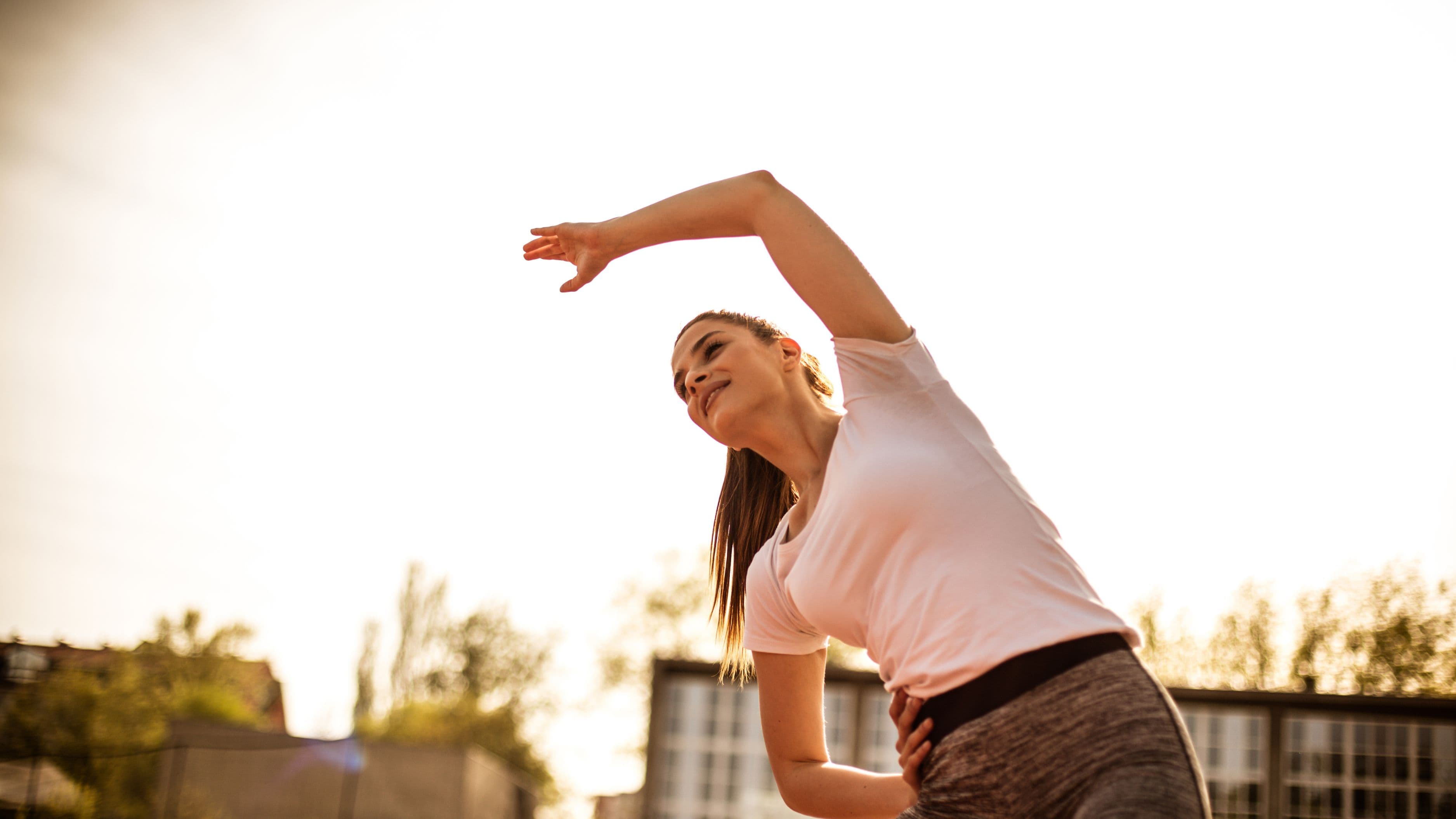
Here's an easy structure you can do in 10 to 20 minutes with zero equipment. Begin with a couple of minutes of gentle movement to warm up – marching in place, arm circles, easy bodyweight squats. Then move through a simple circuit: do one exercise for about 30 to 45 seconds, rest briefly, and move to the next.
A beginner-friendly circuit might be squats, then knee or wall push-ups, then a plank hold, then marching or jogging in place, then a short rest – repeated two or three times depending on your energy. Finish with a couple of minutes of gentle stretching to cool down. That's a genuinely effective full-body session in the space of a bath towel, and you can scale it up or down based on how you feel that day.
Step 4: Use Your Furniture and Walls
Your small space already has built-in "equipment." A sturdy chair lets you do tricep dips, elevated push-ups, or step-ups. A wall is perfect for wall sits (hold a seated position against the wall to work your legs) and incline push-ups. The edge of your bed or couch can support modified moves while you build strength.
These aren't compromises – they're smart use of what you have, and they add variety so your routine doesn't get stale. Just make sure anything you lean or push on is stable and won't slide, since safety always comes before squeezing in one more rep.
Step 5: Build It Into a 30-Day Habit
The real win isn't one good workout – it's making movement a normal part of your day for a month, long enough that it starts to feel automatic. A gentle 30-day approach works beautifully here. For the first week, aim for just 5 to 10 minutes most days to establish the habit. In the second and third weeks, gradually extend to 15 to 20 minutes and add a circuit round as it feels easier. By the fourth week, you'll likely have a routine that feels natural rather than forced.
Realistic expectation: in 30 days of consistent small-space workouts, you can expect to feel stronger, more energetic, and more capable – not a dramatic physical overnight change, but the genuine, sustainable kind of progress that comes from showing up. That foundation is worth far more than a punishing routine you quit in a week.
Tips for Staying Consistent
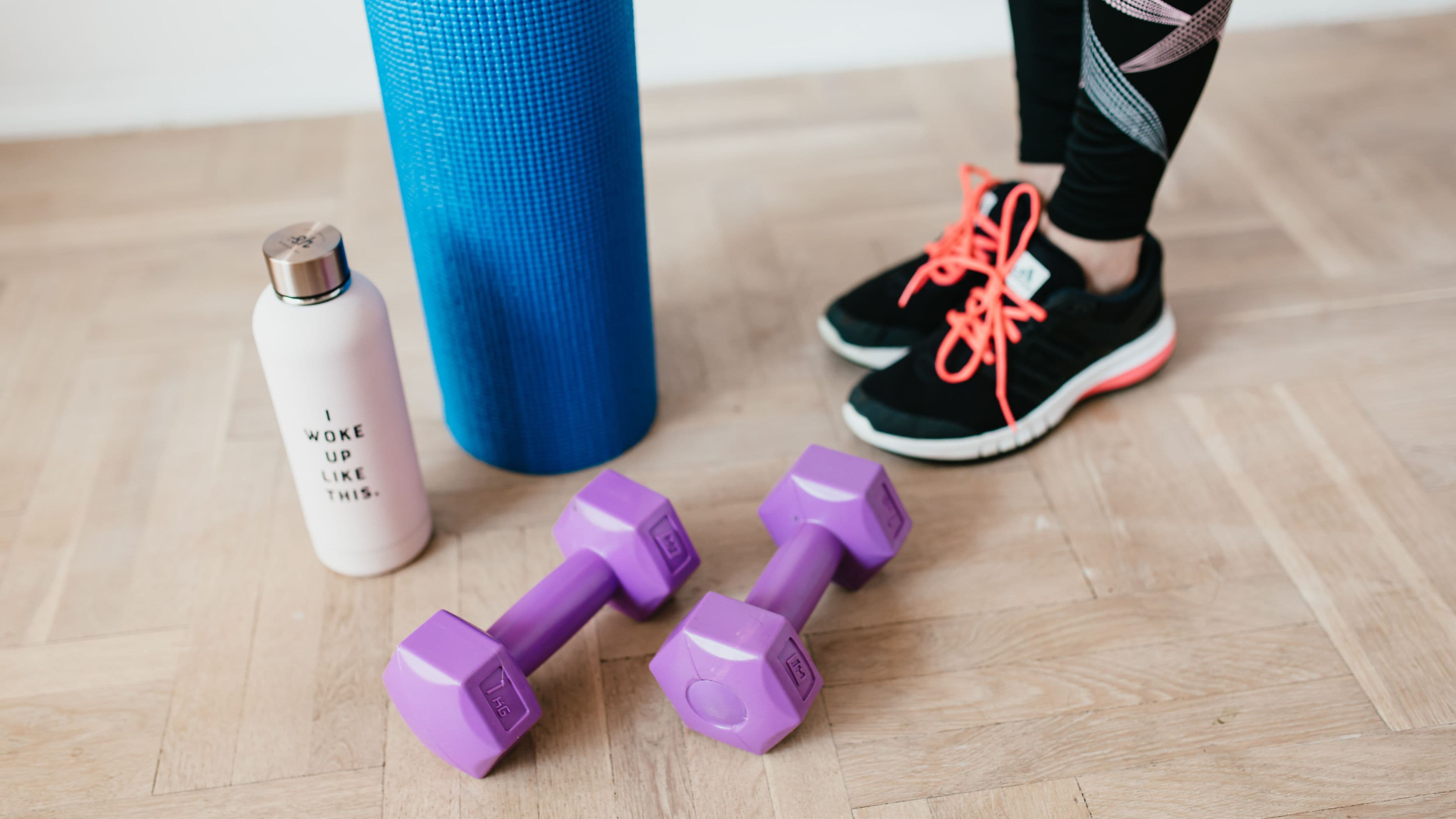
A few small things make the habit stick. Anchor your workout to something you already do daily – right after you wake up, before your shower, or as a break between work tasks – so it has a natural trigger. Lay out your workout clothes or shoes the night before to lower the friction. And track your days simply, even just marking an X on a calendar, since seeing a streak build is quietly motivating.
On low-energy days, do a shorter version rather than skipping entirely. Two minutes of movement keeps the habit alive far better than an all-or-nothing mindset that leads to giving up. Progress, not perfection, is the whole game.
Common Mistakes to Avoid
A few gentle warnings. Don't start too intense – going hard on day one often leads to soreness, discouragement, and quitting, which is the opposite of what you want. Ease in. Don't skip warming up and cooling down, since a couple of minutes at each end helps prevent strain and helps you feel better afterward.
Avoid comparing your small-space routine to gym workouts or fitness content online; your only competition is yesterday's you. Don't ignore your body's signals either – some muscle soreness is normal, but sharp pain means stop and rest, and it's wise to check with a doctor before starting if you have health concerns or haven't exercised in a long time. And don't fall into all-or-nothing thinking; a short, imperfect workout always beats a skipped one.
FAQ
Can I really get fit without any equipment? Yes. Bodyweight exercises build real strength and cardiovascular fitness, and they're widely recognized as an effective, accessible way to stay in shape. Consistency matters far more than equipment.
How much space do I actually need? Roughly the size of a yoga mat or bath towel – enough to stand, lunge, and lie down. Most of the core movements work in that footprint, and furniture and walls expand your options.
How long until I see results? With consistent workouts over about 30 days, most people notice feeling stronger, more energetic, and more capable. Visible physical changes take longer and vary by person, so focus on how you feel and the habit itself early on.
How often should I work out? Most days is great for building the habit, even if some sessions are short. Listen to your body, include easier or rest days as needed, and prioritize consistency over pushing hard every single time.
What if I'm a complete beginner? Start with modified versions – knee or wall push-ups, shallow squats, short holds – and just 5 to 10 minutes. Build up gradually over the weeks. Everyone starts somewhere, and easing in is the smartest, safest approach.
The Bottom Line
A tiny space and zero equipment are not real barriers to getting fit – they're just the conditions you'll work with, and they work just fine. Pick your spot, learn a handful of bodyweight moves, string them into a short circuit, use your furniture, and build it gently into a 30-day habit. Keep your expectations realistic and your standards kind: a few minutes of movement most days, done consistently, will leave you feeling stronger and better in a month. Start small today, right where you are, and let consistency do the rest.
📚 Sources
Centers for Disease Control and Prevention – How Much Physical Activity Do Adults Need?: https://www.cdc.gov/physical-activity-basics/guidelines/adults.html
American Council on Exercise – Bodyweight Training and Exercise Library: https://www.acefitness.org/resources/everyone/exercise-library/
Mayo Clinic – Fitness Tips for Strength and Bodyweight Training: https://www.mayoclinic.org/healthy-lifestyle/fitness/in-depth/strength-training/art-20046670
NHS – Strength and Flexibility Exercises at Home: https://www.nhs.uk/live-well/exercise/strength-and-flexibility-exercises/