Why Everything Feels Important Right Now
When you're surrounded by clutter, your brain often struggles to distinguish between items that genuinely matter and items that simply feel important because they're familiar or because letting go feels like admitting a past decision was wrong. This isn't a character flaw, it's a normal cognitive response to decision fatigue, especially when facing a large volume of items all at once.
Recognizing this pattern is actually the first useful step, since it means the "everything feels important" sensation is often more about overwhelm than an accurate reflection of what you truly need or value.
Start With One Small, Contained Space
Rather than tackling an entire room or your whole home at once, choose one small, clearly contained area to start with, like a single drawer, one shelf, or a small section of a closet. Working within a defined boundary makes decisions feel more manageable, since you're evaluating a limited number of items rather than facing the full scope of your space's clutter simultaneously.
This approach also builds early momentum and a small sense of accomplishment, which genuinely helps make the next space feel less daunting once you've successfully completed a smaller one.
Use a Simple Three-Category System
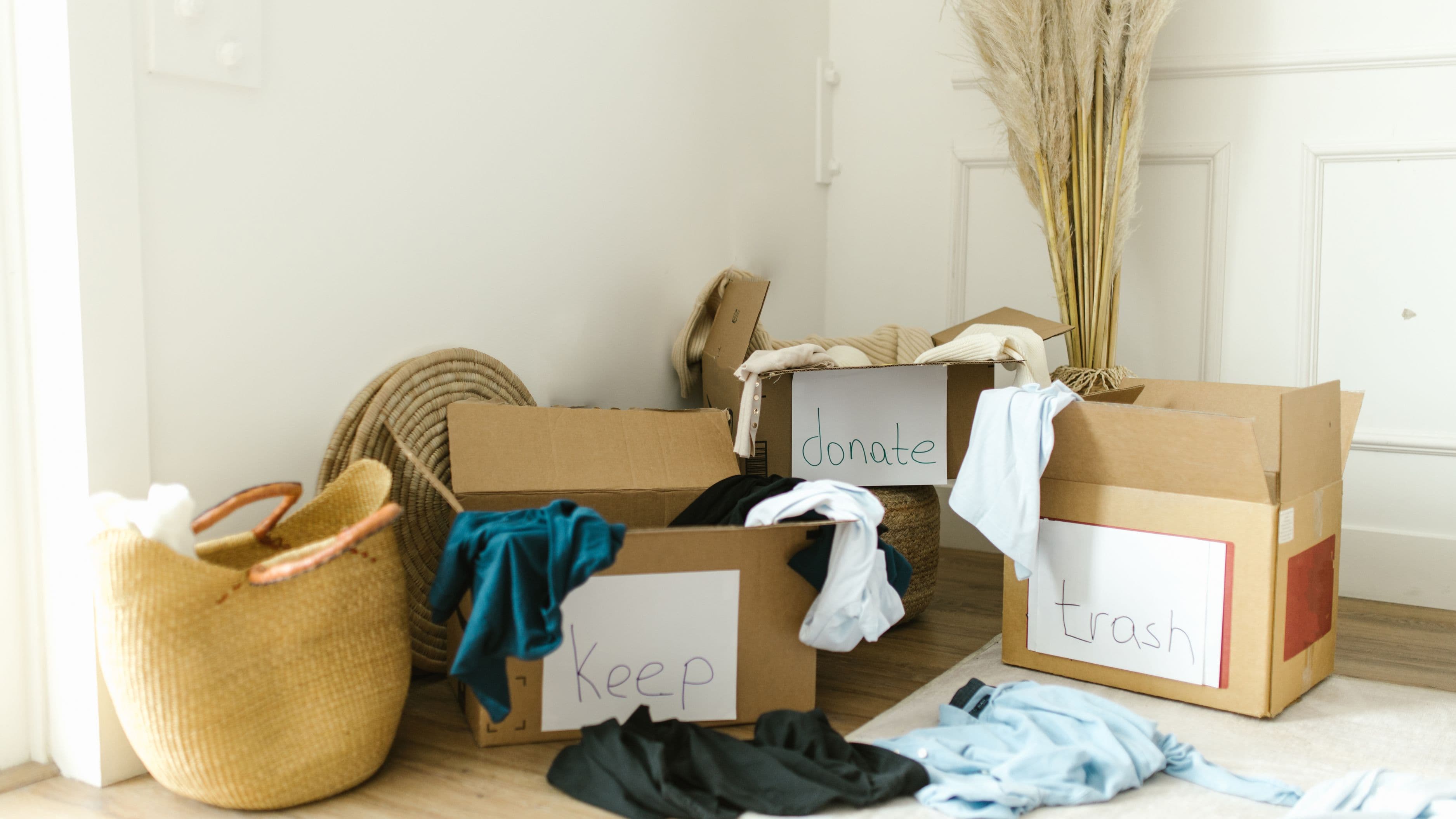
When everything feels important, having a clear, simple framework for each decision helps cut through the emotional overwhelm. Sort items into three categories: keep, donate or give away, and unsure. The unsure pile isn't a failure, it's a legitimate holding space for items you're not ready to decide on yet, and setting them aside temporarily removes pressure to make every single decision perfectly on the first pass.
Revisit the unsure pile after a set period, like two weeks or a month, since distance from the immediate decluttering session often makes it easier to see more clearly whether an item genuinely matters or was simply hard to part with in the moment.
Ask Practical Questions Instead of Emotional Ones
Instead of asking "could I need this someday," which almost always produces a yes given enough imagination, try asking more grounded questions: have I actually used this in the past year, would I buy this again today if I saw it in a store, and does keeping this item align with how I actually want my space to feel and function. These practical questions tend to cut through sentimental attachment more effectively than open-ended hypotheticals about future potential use.
For genuinely sentimental items, it can help to separate the emotional value from the physical object itself, sometimes through photographing an item before letting it go, which preserves the memory without requiring the physical space commitment.
Set a Realistic Pace, Not a Deadline
Decluttering an entire home in a single weekend is rarely realistic or sustainable, and forcing an aggressive timeline often leads to rushed decisions you later regret, or complete burnout partway through the process. A more sustainable pace might mean tackling one small space every few days or dedicating a short, consistent block of time each week, allowing the process to feel manageable rather than like an overwhelming, all-consuming project.
Progress here matters more than speed, and a slower, more thoughtful pace tends to produce decisions you're genuinely comfortable with rather than choices made purely out of exhaustion.
What to Avoid
Avoid trying to declutter an entire home in one sitting, since this tends to lead to decision fatigue and either rushed choices or complete abandonment of the project partway through. Also avoid decluttering when you're feeling particularly stressed or emotionally overwhelmed about something unrelated, since emotional state significantly affects how clearly you can evaluate what genuinely matters to you.
Be cautious about immediately replacing decluttered space with new purchases, since this can undermine the actual goal of creating a more manageable, intentional living space.
A Realistic Path Forward
Decluttering when everything feels important isn't about becoming ruthlessly minimalist overnight or having a perfectly organized home in a single weekend. It's about building a sustainable, low-pressure process, starting small, using simple practical questions, and allowing yourself the "unsure" pile as a legitimate part of the process rather than a failure to decide. Progress, even slow progress, compounds meaningfully over weeks and months.
FAQ
How do I declutter sentimental items without feeling guilty? Consider separating the emotional value from the physical object by photographing meaningful items before letting them go, which can ease the guilt of parting with the physical item itself.
What if I can't decide about an item at all? Place it in a temporary "unsure" pile and revisit it after a few weeks. Distance from the initial decision often makes it easier to see clearly whether the item genuinely matters to you.
How much time should I dedicate to decluttering each week? Even short, consistent sessions of twenty to thirty minutes a few times a week tend to produce more sustainable progress than trying to tackle everything in one exhausting session.
📚 Sources
The Psychology of Clutter and Decision Fatigue, apa.org
Decluttering and Organizing Your Home, nih.gov
Minimalism and Mental Well-Being Research, ncbi.nlm.nih.gov
🔍 Explore Related Topics
How to declutter without feeling overwhelmed
Simple decluttering systems for beginners
How to let go of sentimental items
Decision fatigue and how it affects daily choices
Decluttering one room at a time strategy
How to organize a small closet effectively
Building sustainable home organization habits
Minimalism tips for busy people
How to sort and donate unwanted items
Creating an intentional living space