This isn't a niche wellness trend. It's a genuine cultural shift, and it's changing the texture of how adults build and maintain friendships.
What's Actually Changing
The numbers behind this shift are real. According to Gallup polling, the percentage of US adults who drink alcohol has declined notably over the past decade, with the sharpest drops among younger adults. Gen Z in particular drinks significantly less than Millennials did at the same age, and Millennial drinking habits have also shifted compared to the generation before them. The non-alcoholic beverage market – mocktails, NA beers, botanical spirits, adaptogen drinks – has been one of the fastest-growing segments in the food and beverage industry for several consecutive years, reflecting genuine demand rather than a fad.
The cultural framing around not drinking has also changed. It used to require an explanation – you were pregnant, you were in recovery, you were on medication, or you were "being boring." Now, not drinking increasingly needs no more explanation than not eating meat or not having coffee. The space for people who simply don't want to drink, for any reason or no particular reason, has expanded considerably. That shift in social permission is arguably more significant than any product or venue trend.
Why People Are Moving This Way
The reasons people are stepping back from alcohol-centered socializing are as varied as the people themselves, and almost none of them fit the cautionary tale narrative that used to define the conversation around not drinking.
For some people, it's a health decision that doesn't feel dramatic. They slept better without regular evening drinks. Their anxiety improved. They lost weight they'd been trying to lose for years. They noticed that they recovered from workouts faster. These aren't people in crisis – they're people who tried something and liked how they felt, and made a quiet, practical adjustment.
For others, it's about presence. Alcohol changes how you experience an evening. It reduces inhibition, which can feel socially useful, but it also dulls attention, memory encoding, and the quality of connection. People who've spent time socializing completely sober – genuinely sober, not just "not drunk" – often describe a different quality of engagement with the people they're with. Conversations feel more real. They remember them. They feel more themselves rather than a slightly loosened version of themselves.
For younger adults in particular, there's also a financial dimension. Going out in most cities means spending $15–$20 per drink in a bar environment. An evening out of three or four drinks each is $50–$80 before food and transport. The math of a social life built around alcohol adds up quickly at a stage of life when many people are managing student debt, high rent, and a gap between income and the lifestyle costs of urban living.
What Non-Alcoholic Socializing Actually Looks Like
The mental image many people have of "not drinking" at social events involves clutching a sparkling water and explaining yourself all night. That experience belongs to an era that's increasingly outdated. The practical reality of non-alcoholic socializing in 2024 and beyond looks quite different depending on the setting.
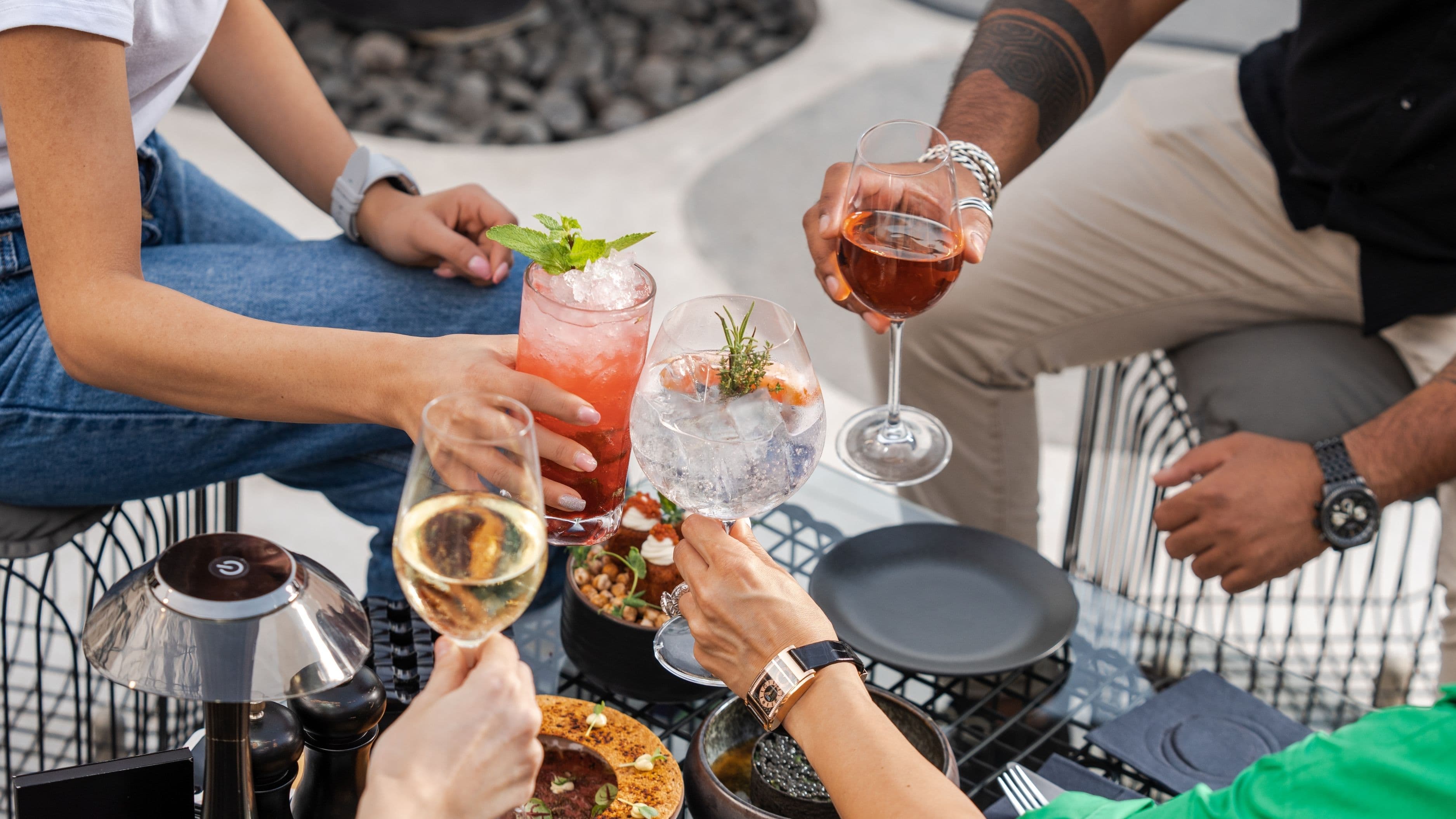
The non-alcoholic beverage market has matured significantly. Options like Seedlip botanical spirits, Athletic Brewing's craft NA beers, Lyres non-alcoholic spirits, and a growing range of adaptogen-based drinks provide something to hold and sip that isn't a glass of water and isn't positioned as a consolation prize. Many bars and restaurants now have dedicated NA menus rather than a single sad juice option. If you're in a social environment that serves drinks, having something that looks and feels like a cocktail without the alcohol removes most of the social friction.
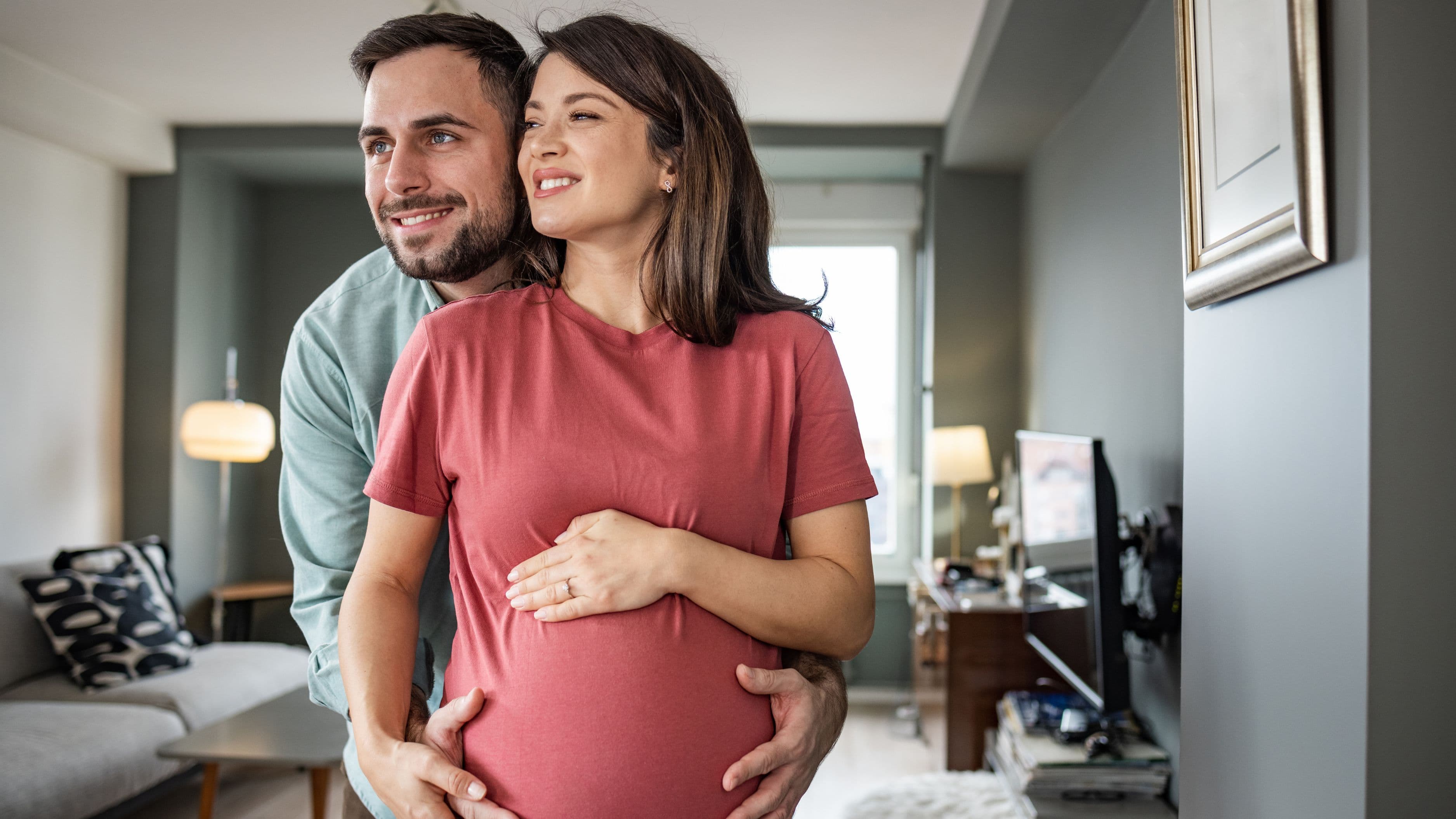
Sober bars and NA-focused venues have emerged in major cities as dedicated spaces for this kind of socializing. The concept – a full bar experience with skilled bartenders, a social atmosphere, and no alcohol – was considered niche five years ago and has become commercially viable in cities including New York, London, Los Angeles, and Melbourne. The clientele isn't exclusively sober; it includes people who are driving, pregnant, taking medication, doing a dry month, or simply feel like a night out without the morning-after.
Activity-based socializing has also grown as an alternative to the bar as the default social venue. Escape rooms, ceramics classes, hiking groups, board game cafés, cooking classes, pickleball courts, paddleboarding, and a range of other formats give adults a reason to gather that doesn't require alcohol to anchor the experience. When the activity is the point of the gathering, alcohol becomes optional rather than central by default.
The Connection Quality Shift
One of the more interesting things people report when they shift to more sober social time is what happens to the quality of the relationships they build. Alcohol has always served a social lubrication function – it reduces the anxiety and awkwardness of initial connection. But it also shortcuts the process of building genuine comfort with another person. When two people can only really talk openly after they've had three drinks together, the connection becomes somewhat dependent on that state.
Sober connection tends to be slower to warm up but more durable once it does. The initial awkwardness of new social situations is real without alcohol, and some people find it uncomfortable enough to avoid at first. But the friendships that develop in fully-present shared experiences – a long hike, a cooking class, a regular morning coffee ritual, a board game night – tend to have a different texture than bar-built friendships. You know what the person is actually like. You've experienced their sense of humor without chemical assist. You've had conversations you both remember completely.
This isn't a value judgment about alcohol-centered socializing. It's just an observation that many people are making about what they notice when they experiment with the alternative.
How to Start Socializing This Way
If you're curious about shifting the way you socialize – whether for a defined period like a dry January or Sober October, or just to see how it feels – a few practical things tend to help.
Start with activities rather than bar alternatives. Instead of replacing "going to the bar" with "going to a sober bar," start with social formats where drinks aren't the focal point. Invite a friend to a yoga class, a museum, a farmers market, a cooking session at home, or a walk. The absence of alcohol is less noticeable when it was never the centerpiece of the plan.
Be matter-of-fact rather than apologetic about what you're doing. "I'm taking a break from drinking for a while" or "I'm just having a soda tonight" doesn't require elaboration. Most people will not care or push back as much as anxiety suggests they will. The ones who do are usually managing their own complicated relationship with the substance and projecting it outward.
Find at least one friend who's open to the same experiment. Sober socializing is easier with a companion who's doing it too, at least initially. It normalizes the experience and gives you someone to share observations with. Many people who try dry months together find the experience becomes more interesting and connecting than they expected.
The 30-Day Experiment Worth Trying
If you want to experience what a real shift feels like, a 30-day experiment is a good way to find out without committing to permanent change. The basic premise: for 30 days, replace your default social activities with alternatives that don't center on alcohol. This doesn't mean you can never be in a bar or at a party – it means alcohol isn't the reason you're there and isn't the thing you reach for by default.
In the first week, the main thing to notice is the alternatives that feel naturally available. What would you enjoy doing with people in your life that doesn't involve drinks? What activities have you been meaning to try that you keep putting off? Week two tends to be where the initial awkwardness at alcohol-centered events becomes more familiar and manageable. By weeks three and four, most people report that the new patterns feel less effortful and more genuinely enjoyable than the original motivation (the challenge) requires them to feel.
The goal isn't to stop drinking forever or to judge anyone who drinks. It's to find out whether some of your social life could feel more meaningful with a different structure – and to discover whether the connections you make or deepen during those 30 days feel different from the ones built primarily around a shared beverage.
What to Avoid
Going in with a judgment framework toward friends who drink makes the experiment about them rather than about you. Non-alcoholic socializing works best when it's a personal exploration, not a conversion project. Your choices don't need to become other people's choices to be valid.
Treating every social situation as a test of willpower creates unnecessary pressure. This isn't about white-knuckling through situations where you want to drink but aren't letting yourself. If you want a drink, have one. The experiment is about discovering what feels good without it, not about deprivation. A low-pressure approach produces more genuine insight than a strict one.
Waiting until you have the "perfect" social structure in place before trying something new is how a good idea stays an idea. Pick one gathering this week and try it differently. That's enough of a start.
FAQ
Do I need a specific reason to stop drinking socially? No. "I'm curious how I feel without it" is a complete reason. You don't owe anyone a medical or moral explanation for a personal lifestyle choice.
What if my social circle drinks heavily and I feel left out? This is a real challenge, and it's worth naming honestly. Some friend groups are genuinely organized almost entirely around alcohol-centered activities. In those cases, experimenting with non-alcoholic socializing might mean adding new people and activities to your social life rather than transforming the existing structure overnight. That's a slower process but a legitimate one.
Are non-alcoholic drinks actually satisfying socially? For many people, yes – particularly the better-quality options that have emerged in recent years. The satisfaction comes partly from the drink itself and partly from having something to hold and sip in social contexts, which serves a behavioral and social function separate from the alcohol content. It takes a few experiments to find what works for you specifically.
Can this approach help with anxiety in social situations? It can, though it works differently from alcohol's anxiety reduction mechanism. Alcohol suppresses anxiety chemically but temporarily, and often returns it elevated the next day. Socializing sober regularly tends to build genuine social confidence over time – not because the anxiety disappears immediately, but because you accumulate evidence that you can handle social situations without a chemical buffer. That confidence builds slowly but tends to stick.
How does this fit with someone who drinks occasionally but not heavily? This approach is relevant regardless of how much you currently drink. The shift isn't about eliminating a problem – it's about discovering whether some social contexts feel different when alcohol isn't involved. Even occasional drinkers often find that some of their best social experiences are fully sober ones, once they stop defaulting to alcohol out of habit rather than genuine preference.
Outro
Non-alcoholic socializing isn't a movement that requires joining anything or giving anything up permanently. It's a question worth asking: what does your social life look like when it's built around what you actually enjoy doing with people, rather than around a shared substance? For a lot of adults, the answer turns out to be more interesting, more connected, and more themselves than what they'd been settling for. That's worth finding out.
📚 Sources
Gallup – Drinking Habits in the United States (Americans and Alcohol): https://news.gallup.com/poll/509942/american-drinking-habits-stay-same-younger-adults-opt-out.aspx
IWSR – No and Low Alcohol Beverage Market Growth Report: https://www.theiwsr.com/no-and-low-category-growth
National Institute on Alcohol Abuse and Alcoholism – Understanding Alcohol: https://www.niaaa.nih.gov/alcohols-effects-health/alcohol-use-disorder
Harvard Health Publishing – Alcohol and Sleep: https://www.health.harvard.edu/staying-healthy/does-alcohol-promote-or-inhibit-sleep