Why the Vagus Nerve Matters for Anxiety
If you want to stimulate the vagus nerve for anxiety relief, you're targeting the single most important communication pathway between your brain and body. The vagus nerve runs from your brainstem down through your throat, heart, lungs, and gut, carrying roughly 80% of its signals upward from body to brain rather than the other way around. That's why physical techniques can shift your mental state faster than trying to think your way out of anxiety.
When vagal tone is strong, your body shifts quickly out of fight-or-flight and back into a calm, alert baseline after a stressor. When vagal tone is weak, you stay flooded with cortisol and adrenaline long after the trigger has passed, which is exactly the pattern behind chronic, low-grade anxiety that never fully resolves.
This matters because most conventional anxiety advice focuses entirely on thoughts — reframing, challenging worst-case scenarios, talking yourself down. Those approaches genuinely help, but they rely on your prefrontal cortex being available to reason with you, and during high anxiety that part of your brain is often partially offline. Body-based techniques that stimulate the vagus nerve work around this limitation by calming the physiological state first, which then makes clearer thinking possible again.
The Science of Vagal Tone and the Nervous System
Vagal tone is measured through heart rate variability, or HRV — the tiny variations in time between heartbeats. Higher HRV correlates with better emotional regulation, faster stress recovery, and lower baseline anxiety. The good news is that vagal tone isn't fixed; it responds to training the same way muscle strength does, and consistent practice measurably improves it over weeks.
This is the physiological basis of polyvagal theory, developed by Dr. Stephen Porges, which describes how your autonomic nervous system constantly scans for safety or threat below conscious awareness — a process called neuroception. The techniques below work by directly signaling safety to that system through the body, bypassing the slower, less reliable route of conscious reassurance.
It's worth understanding that the vagus nerve isn't a single on-off switch but more like a dimmer connected to dozens of organs at once, which is why stimulating it produces such varied effects: slower heart rate, calmer digestion, softer facial muscles, even a subtle change in your voice. This wide-reaching influence is exactly why body-based techniques tend to produce a more complete sense of calm than mental strategies alone, since they're addressing the whole system rather than just one part of it.
6 Techniques to Stimulate the Vagus Nerve for Anxiety Relief
These six techniques are ordered from fastest-acting to most gradual. All of them are free, require no equipment, and can be done in under five minutes — several can be done in under 30 seconds in a moment of acute anxiety.
You don't need to master all six at once. Pick the two that feel most natural to try first — for most people that's extended exhale breathing and cold exposure, since both are fast, discreet, and produce a noticeable physical shift almost immediately. Once those feel familiar, layer in a third for variety, since your nervous system tends to respond most reliably to whichever technique you've practiced the most, not necessarily the one that sounds most effective on paper.
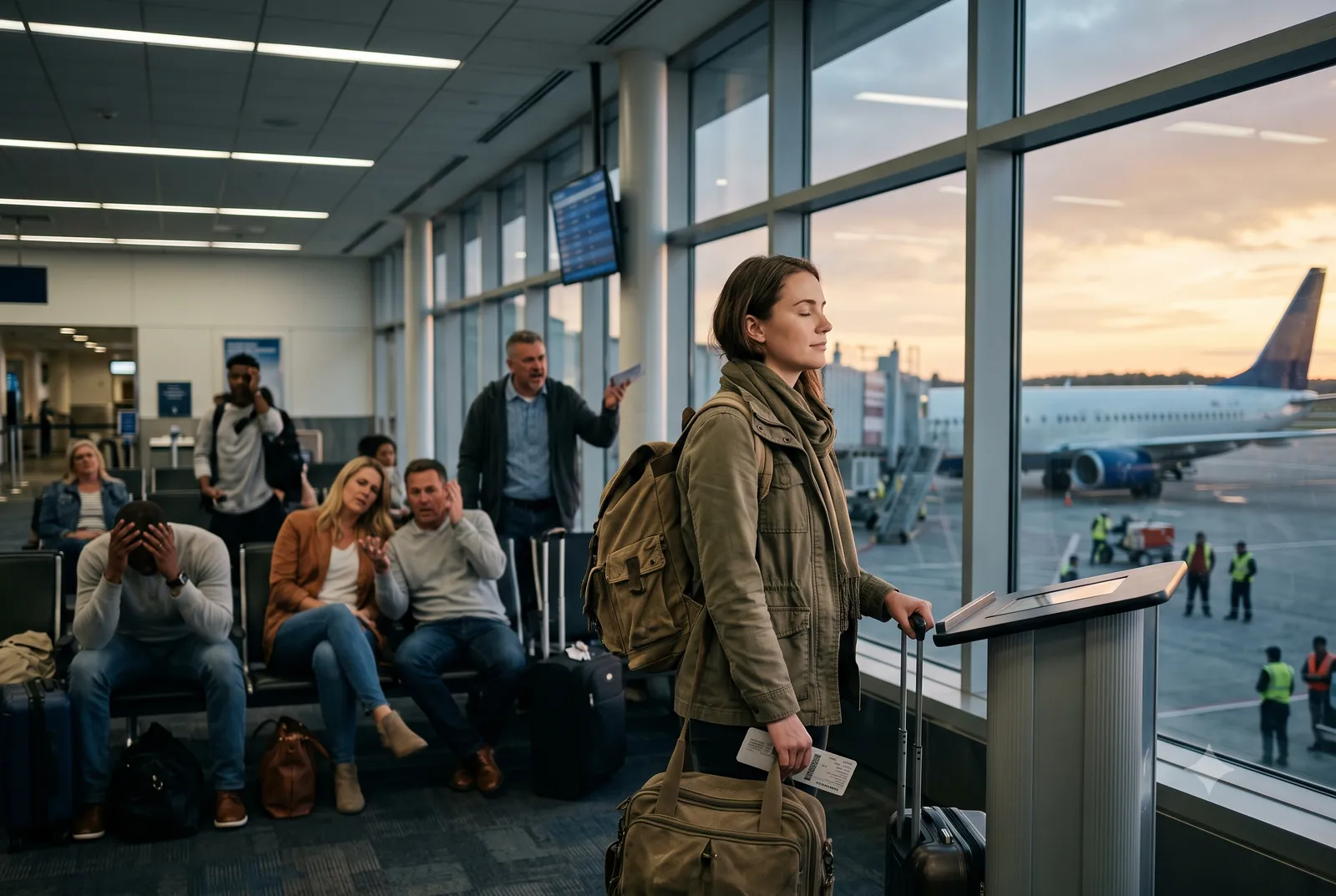
Extended exhale breathing: Inhale for 4 counts, exhale for 8. A longer exhale than inhale directly activates the parasympathetic branch of the vagus nerve within seconds, making it ideal for use right before a stressful meeting or conversation.
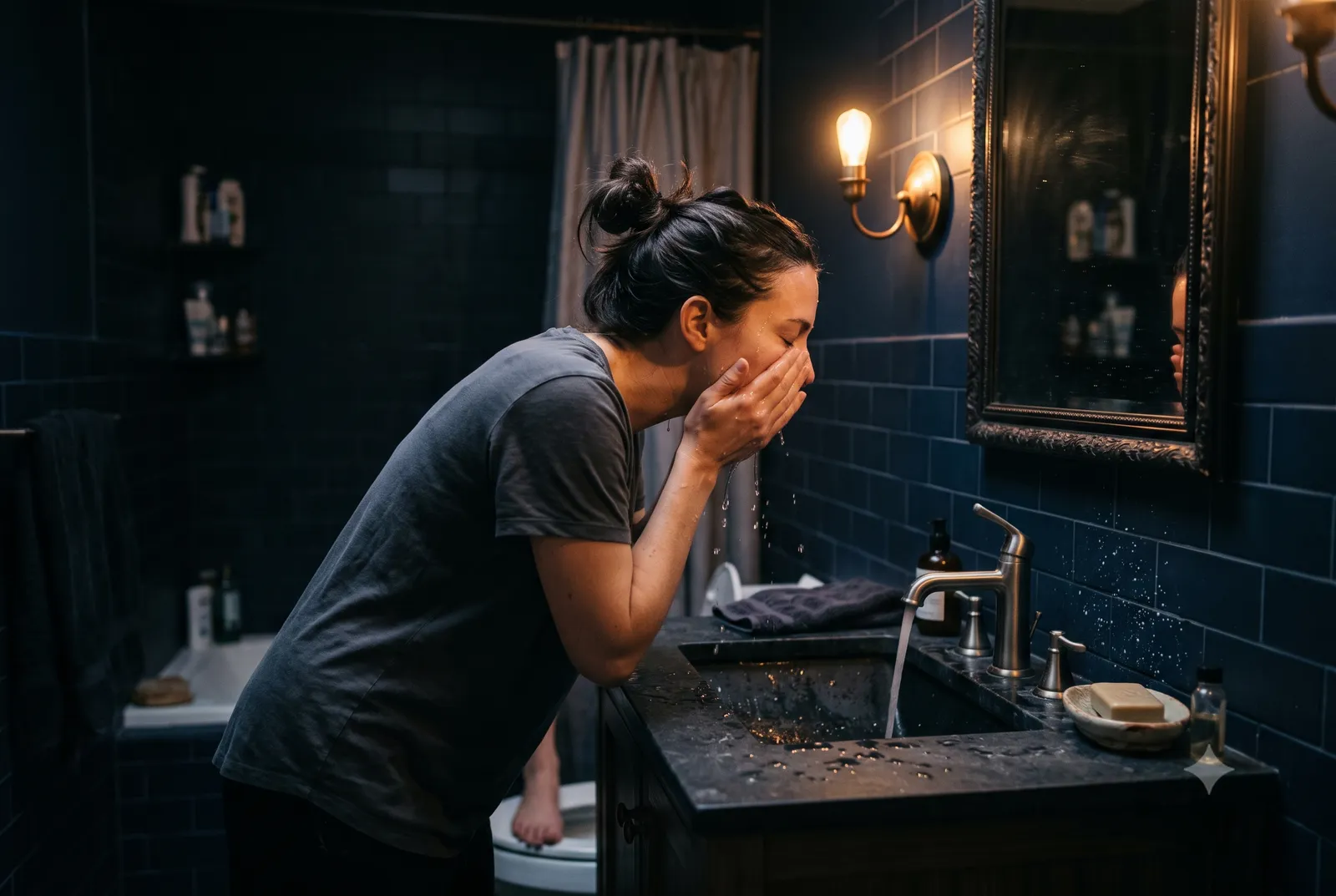
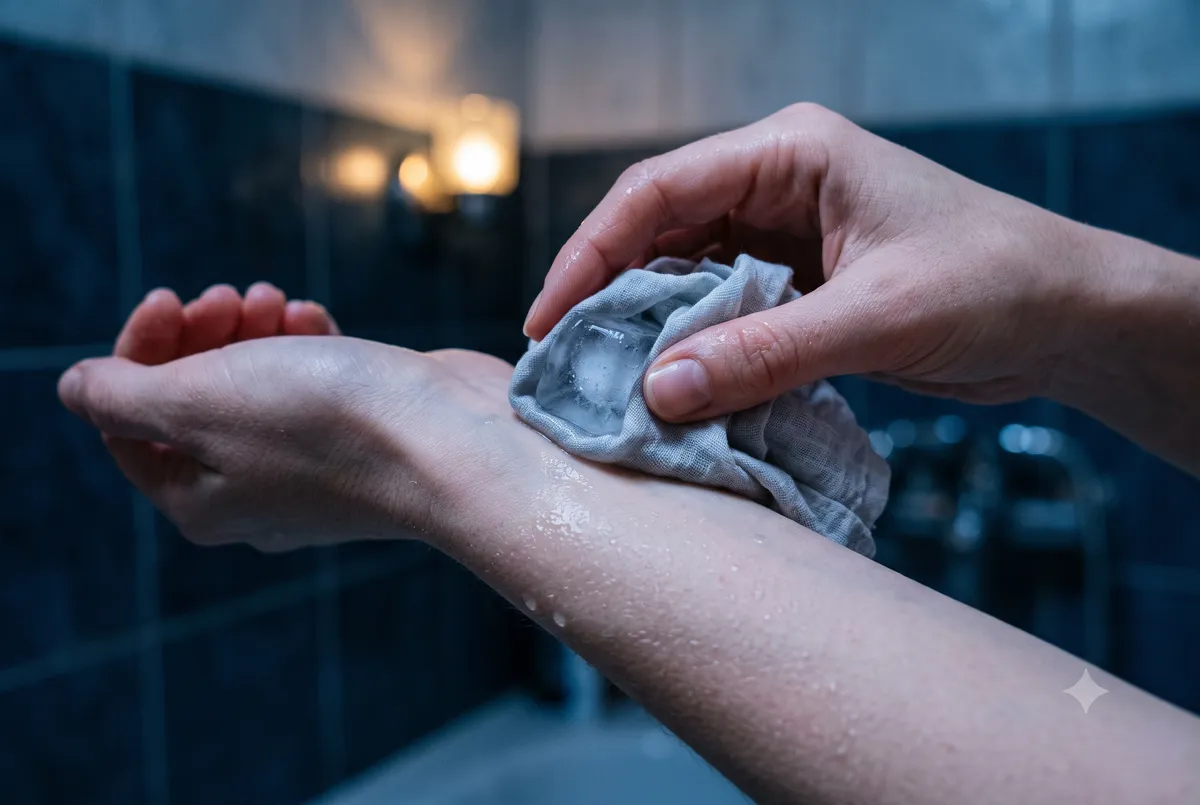
Cold exposure: Splash cold water on your face or hold an ice cube for 20-30 seconds. This triggers the mammalian dive reflex, which slows heart rate almost instantly and is especially effective for cutting through acute panic.
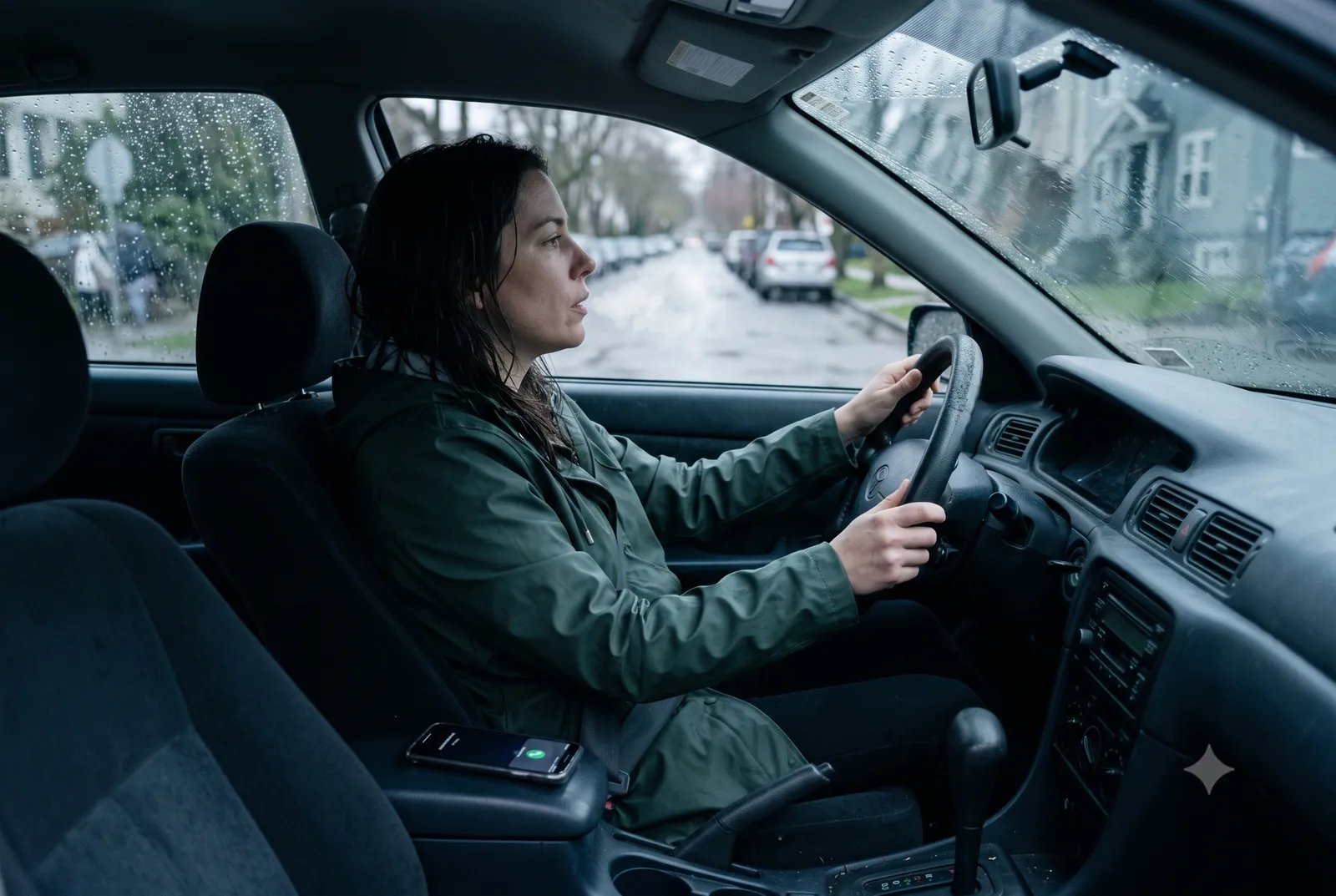
Humming or chanting: Because the vagus nerve passes near your vocal cords, low humming for 60-90 seconds creates vibration that stimulates it directly — try it in the shower or car for a private, low-effort option.
Gargling vigorously: Gargle water for 30-45 seconds, twice daily. It's mechanically simple but activates the same throat muscles innervated by the vagus nerve, making it a natural pairing with your existing dental routine.
Slow diaphragmatic breathing: Place a hand on your belly and breathe so it rises, not your chest, for 5-10 slow breaths, roughly 6 breaths per minute, which is the breathing rate most associated with peak vagal activation.
Gentle massage of the neck and ears: Light pressure along the sides of the neck or gentle pulling of the earlobes for 60 seconds can lower heart rate through vagal pathways near the skin's surface, and works well as a subtle option in public settings.
Building a Daily Vagal Toning Practice
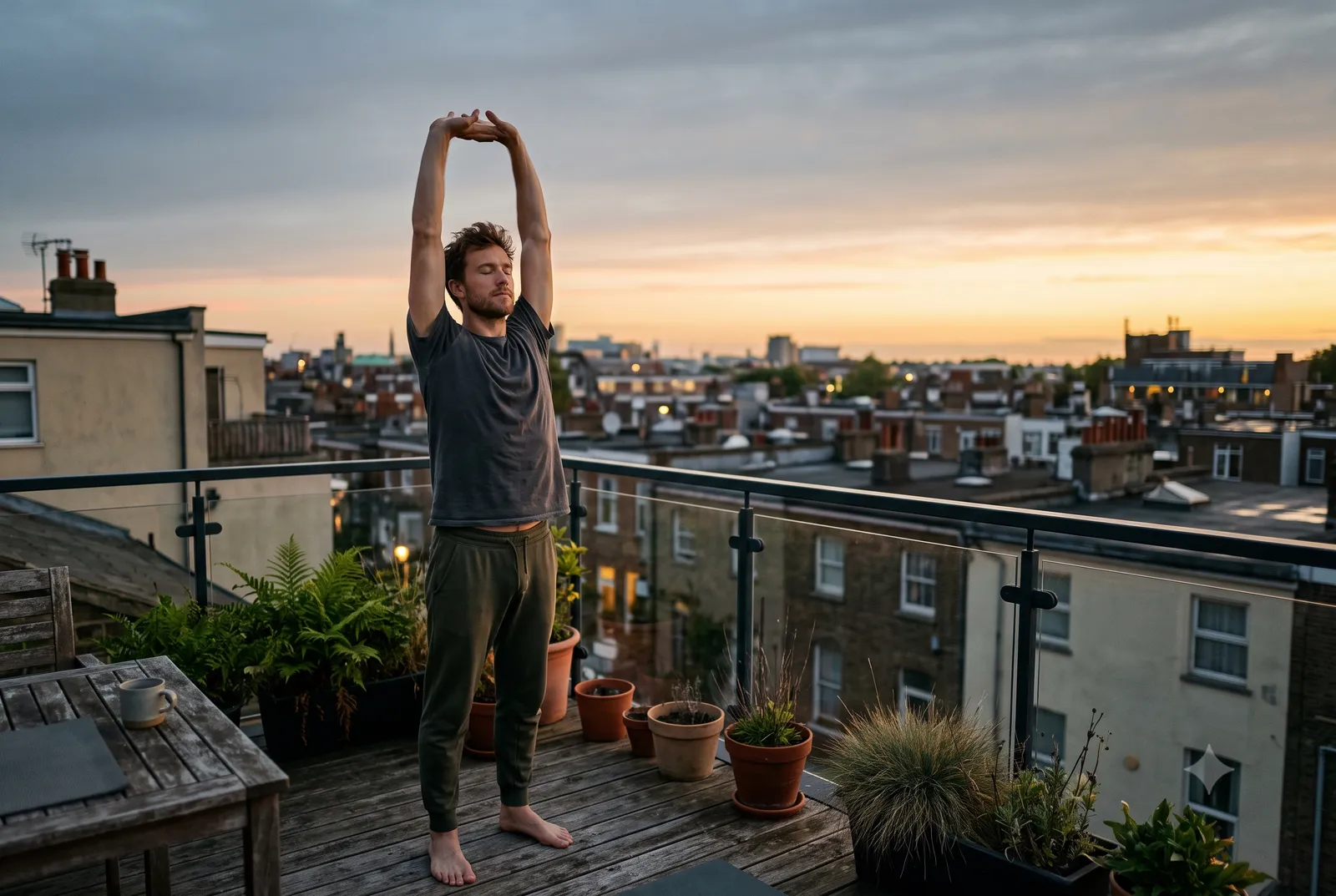
One-off techniques help in the moment, but daily practice is what actually raises your baseline vagal tone over time. Pick two techniques and use them at fixed points in your day — for example, extended exhale breathing right after waking, and humming during your evening wind-down. Ten minutes total per day is enough to see measurable change.
In my coaching work, clients who pair a vagal technique with an existing habit — like gargling while brushing teeth, or slow breathing during their commute — see far better adherence than clients who try to remember a separate 'anxiety practice' each day. The technique matters less than the consistency behind it.
Give yourself a two-week trial before judging whether a particular technique is working. The first few attempts at something like extended exhale breathing can feel awkward or even slightly uncomfortable, especially if you're used to shallow chest breathing, and that initial unfamiliarity sometimes gets mistaken for the technique 'not working.' By day ten or so, most people report the same exercises feeling automatic and genuinely calming rather than effortful.
What the Research Says About Results
Clinical studies on HRV biofeedback and slow-breathing interventions generally show measurable reductions in self-reported anxiety within two to four weeks of daily practice, alongside objective increases in heart rate variability. The effect size is comparable to some behavioral interventions, though it works best as a complement to therapy for moderate-to-severe anxiety rather than a standalone replacement.
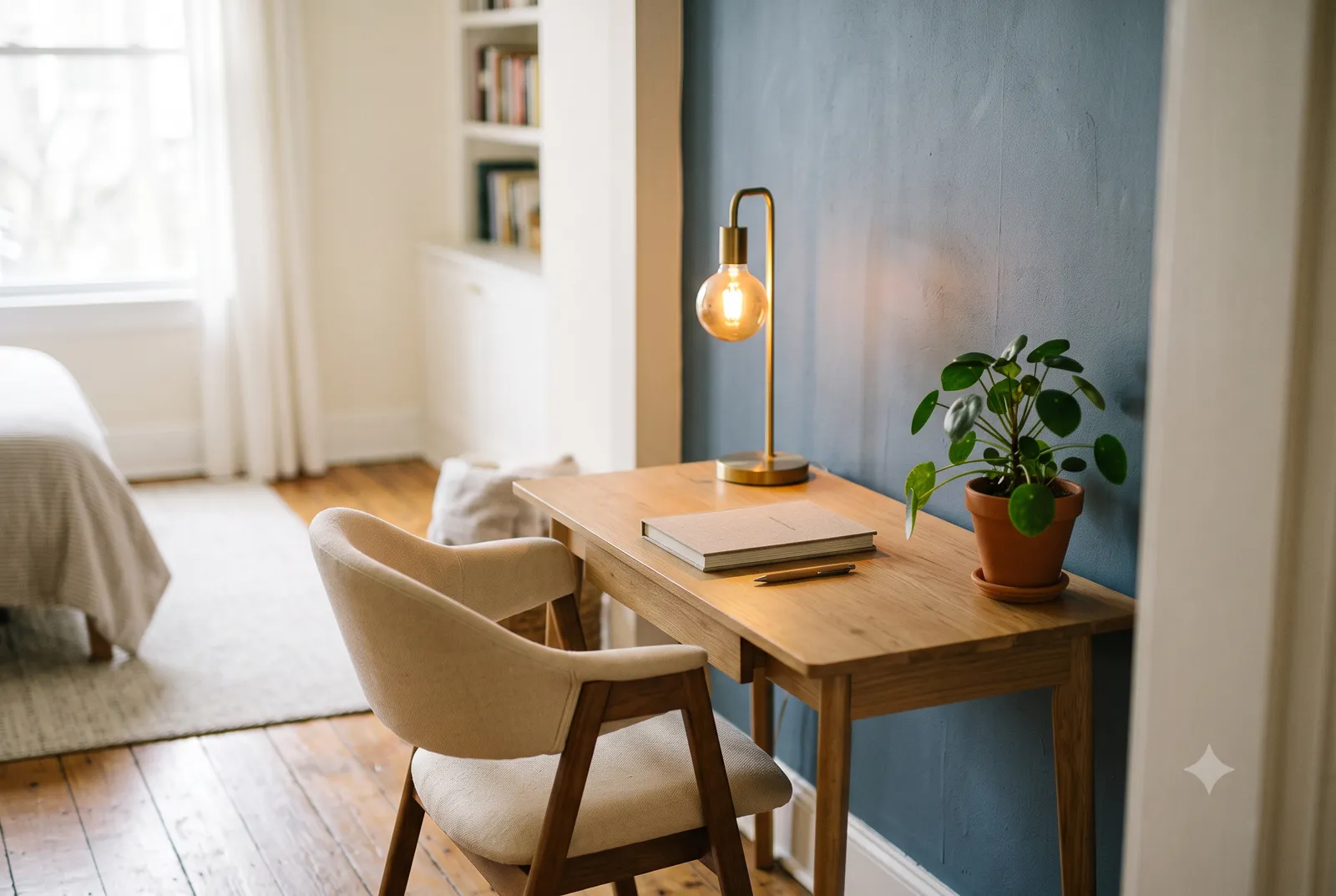
If your anxiety shows up mostly as racing thoughts at your desk, combining these techniques with a neuro-regulated workspace designed to reduce ambient nervous-system load can compound the effect — a calmer environment plus a calmer body reinforce each other.
It's also worth noting what the research doesn't claim: these techniques aren't presented as a cure for generalized anxiety disorder or panic disorder on their own. They're best understood as a genuinely effective daily-maintenance layer that reduces baseline reactivity, which in turn often makes other interventions, including therapy and medication when needed, work more effectively rather than replacing them outright.
Common Mistakes When Practicing Vagal Techniques
The most common mistake is only using these techniques reactively, during a panic spike, and never practicing them when calm. Vagal tone builds through repeated, low-stress practice — waiting until you're already flooded with adrenaline is like trying to learn to swim in a riptide. Practice when calm so the technique is automatic when you need it.
The people who progress fastest tend to treat these six techniques as daily maintenance, the same way they'd treat brushing their teeth, rather than an emergency toolkit reserved for bad days only. The nervous system responds to repetition far more than to intensity, so five quiet minutes of daily practice consistently outperforms one dramatic ten-minute session attempted only when anxiety has already spiked.
Practicing only during high anxiety, never as daily maintenance, which prevents your baseline vagal tone from actually improving over time.
Breathing too fast or forcefully, which can increase rather than decrease activation and occasionally trigger lightheadedness.
Expecting instant, permanent relief from a single session instead of gradual improvement measured over several weeks.
Ignoring sleep and caffeine intake, both of which directly affect baseline vagal tone and can undermine even consistent practice.
When to Seek Additional Support
These techniques are genuinely effective for everyday anxiety, tension, and stress reactivity, but they are not a substitute for professional care if you're experiencing panic attacks, persistent dread, or anxiety that interferes with daily functioning. Organizations like the American Psychological Association offer guidance on finding a licensed therapist who can work alongside these body-based tools.
If your anxiety is tangled up with a broader pattern of reactivity in relationships or at work, it's also worth exploring a non-reactive mindset approach that addresses the cognitive side of the equation alongside these physiological techniques.
A useful rule of thumb: if anxiety is occasional, situational, and responds even partially to these techniques within a few weeks, self-guided practice is a reasonable starting point. If it's constant, unrelated to any clear trigger, or accompanied by physical symptoms like chest pain or fainting, treat that as a signal to see a doctor first, since some physical symptoms of anxiety can overlap with other medical conditions worth ruling out.
Frequently Asked Questions
How quickly can vagus nerve techniques relieve anxiety?
Techniques like extended exhale breathing or cold water exposure can shift your physiological state within 30-90 seconds. Longer-term reductions in baseline anxiety typically build over two to four weeks of consistent daily practice.
What is the fastest way to stimulate the vagus nerve for anxiety relief?
Cold exposure, such as splashing cold water on your face, is generally the fastest technique because it triggers the dive reflex, which slows heart rate almost immediately. Extended exhale breathing is a close second and easier to do discreetly in public.
Can you damage the vagus nerve by stimulating it too much?
No, these non-invasive techniques (breathing, humming, cold exposure, gentle massage) carry no risk of damage for most people. If you have a heart condition, check with your doctor before trying cold-water techniques specifically.
How do I know if my vagal tone is low?
Signs of low vagal tone include slow recovery after stress, digestive issues, a resting heart rate that stays elevated after minor stressors, and difficulty calming down once anxious. Heart rate variability tracking through a wearable can give you an objective measure.
Do these techniques work for panic attacks specifically?
Yes, extended exhale breathing and cold exposure are commonly recommended as in-the-moment tools during a panic attack because they directly counteract the physiological arousal driving the panic response. They work best when practiced regularly beforehand, not only during an attack.