Why Sleep Optimization Habits Matter More Than Gadgets
Effective sleep optimization habits have almost nothing to do with the ring, watch, or app tracking your sleep score each morning. Wearables can describe what happened last night, but they can't change your biology, and I've coached plenty of clients who became so fixated on a nightly score that the anxiety of checking it actively made their sleep worse — a phenomenon sleep researchers now call orthosomnia.
The habits that actually move the needle on sleep quality are behavioral, not technological: consistent timing, light exposure, temperature, and what you do in the hour before bed. None of these require a subscription or a $300 device. They require a handful of small, repeatable choices applied consistently across weeks, which is exactly what this guide walks through.
If you've already tried a sleep tracker and ended up more anxious about your numbers than rested, that's a sign to stop measuring and start adjusting the actual inputs instead. I say this as someone who has recommended plenty of wearables to clients for other purposes — they're genuinely useful for tracking trends over months, but a poor tool for changing behavior in the moment, and changing behavior is what actually determines whether your sleep improves.
The Circadian Science Behind Better Sleep
Your sleep quality is governed largely by your circadian rhythm, the roughly 24-hour internal clock that regulates when your body releases melatonin and cortisol. This clock is set primarily by light exposure, especially bright light in the first hour after waking, which is why morning light matters as much for sleep as anything you do at night. Consistent sleep hygiene practices work specifically because they reinforce this internal clock rather than fighting it.
The single biggest disruptor of this rhythm isn't caffeine or screens — it's inconsistency. Going to bed at 10:30pm on weeknights and 1:30am on weekends creates a kind of internal jet lag every single week, sometimes called social jet lag, and it's one of the most common hidden causes of chronic grogginess even among people who technically get enough hours of sleep.
Body temperature plays a supporting role alongside light. Your core temperature needs to drop by roughly 1-2 degrees to initiate deep sleep, which is why a hot bedroom or a late intense workout can delay sleep onset even when you feel exhausted. Understanding these two levers, light and temperature, explains most of why the specific habits below work as consistently as they do.
5 Proven Sleep Optimization Habits Without Wearables
These five habits consistently produce the biggest improvements in my clients' sleep quality, and none of them require any device beyond what you already own. Start with the first two before adding the rest — stacking all five at once tends to backfire.
Notice that none of these involve a supplement, a special mattress, or an app. That's deliberate: the goal here is to fix the free, foundational inputs first, since they produce a bigger and more reliable improvement than almost anything you could buy.
- Fixed wake time, seven days a week: anchoring your wake time, even on weekends, is more powerful for sleep quality than a fixed bedtime, because it stabilizes your circadian clock at the source.
- 10 minutes of outdoor light within an hour of waking: this single habit sets your melatonin release roughly 14-16 hours later, right when you need to feel sleepy.
- A caffeine cutoff 8-10 hours before bed: caffeine's half-life is 5-6 hours, meaning a 3pm coffee still has meaningful stimulant activity at 9pm.
- A cool bedroom, roughly 65-68°F (18-20°C): your core body temperature needs to drop to initiate and sustain deep sleep, and an overly warm room actively fights this.
- A 30-minute wind-down buffer with no work-related screens: this gives your nervous system time to shift out of alert mode, and a warm shower during this window paradoxically helps you cool down faster afterward, accelerating the core temperature dip your body needs to fall asleep.
Building a Wind-Down Sequence That Works
A wind-down sequence is simply the same short set of actions performed in the same order every night, so your brain learns to associate the sequence itself with approaching sleep. This is the same principle behind a baby's bedtime routine — the predictability itself does real physiological work, cueing melatonin release before you even lie down.
If evenings tend to spiral into scrolling, pairing this sequence with a structured low dopamine evening routine makes the transition considerably easier, since it removes the specific stimulation that competes hardest with natural sleepiness.
Keep the sequence short enough to actually finish on busy nights. A four-step, 20-minute version you complete consistently beats an elaborate hour-long ritual you only manage twice a week, and consistency is what trains the association in the first place.
- Dim household lights by at least 50% starting 90 minutes before bed to support natural melatonin release.
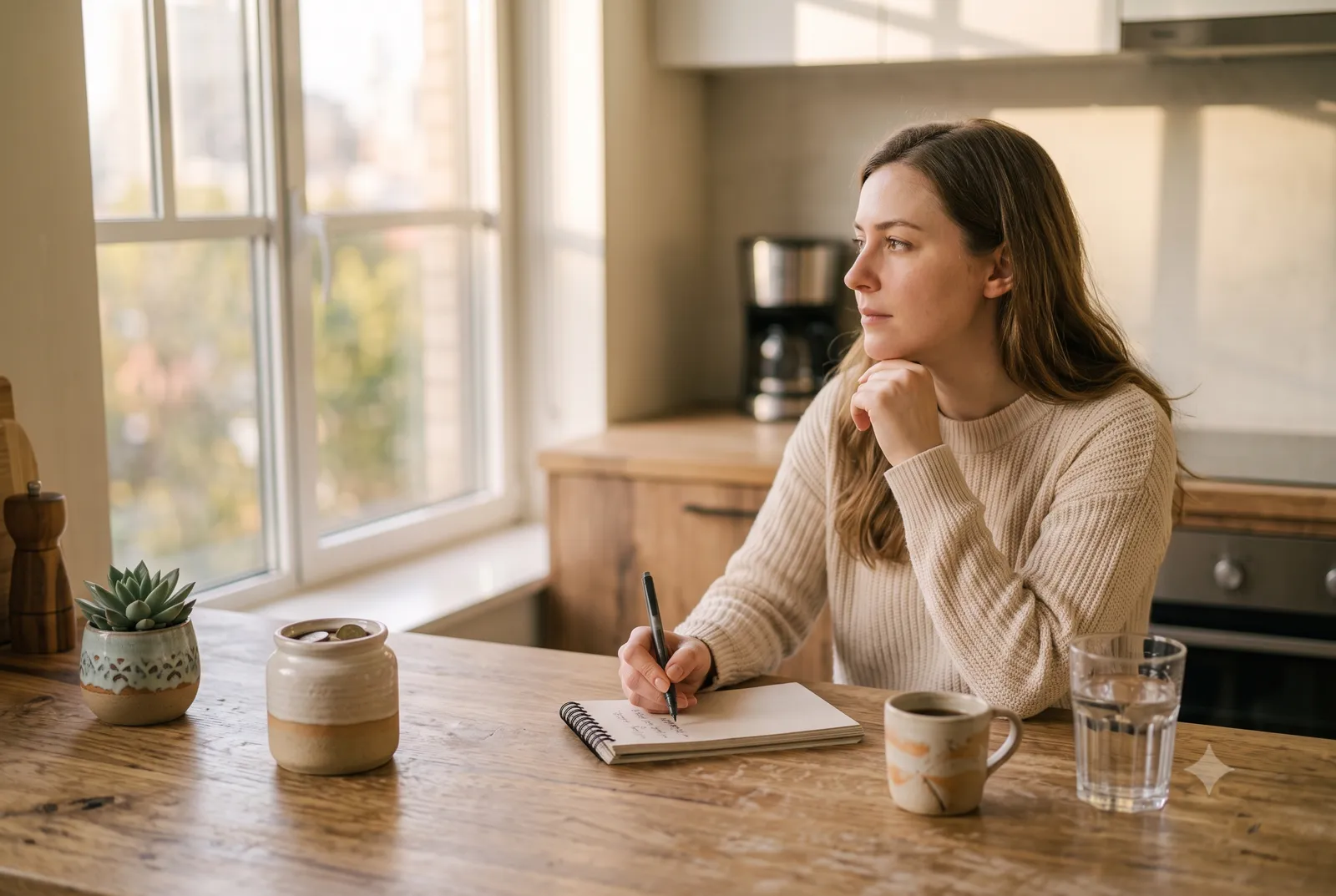
- Do a two-minute brain dump on paper, writing down anything looping in your mind, to prevent it from surfacing once you're lying down.
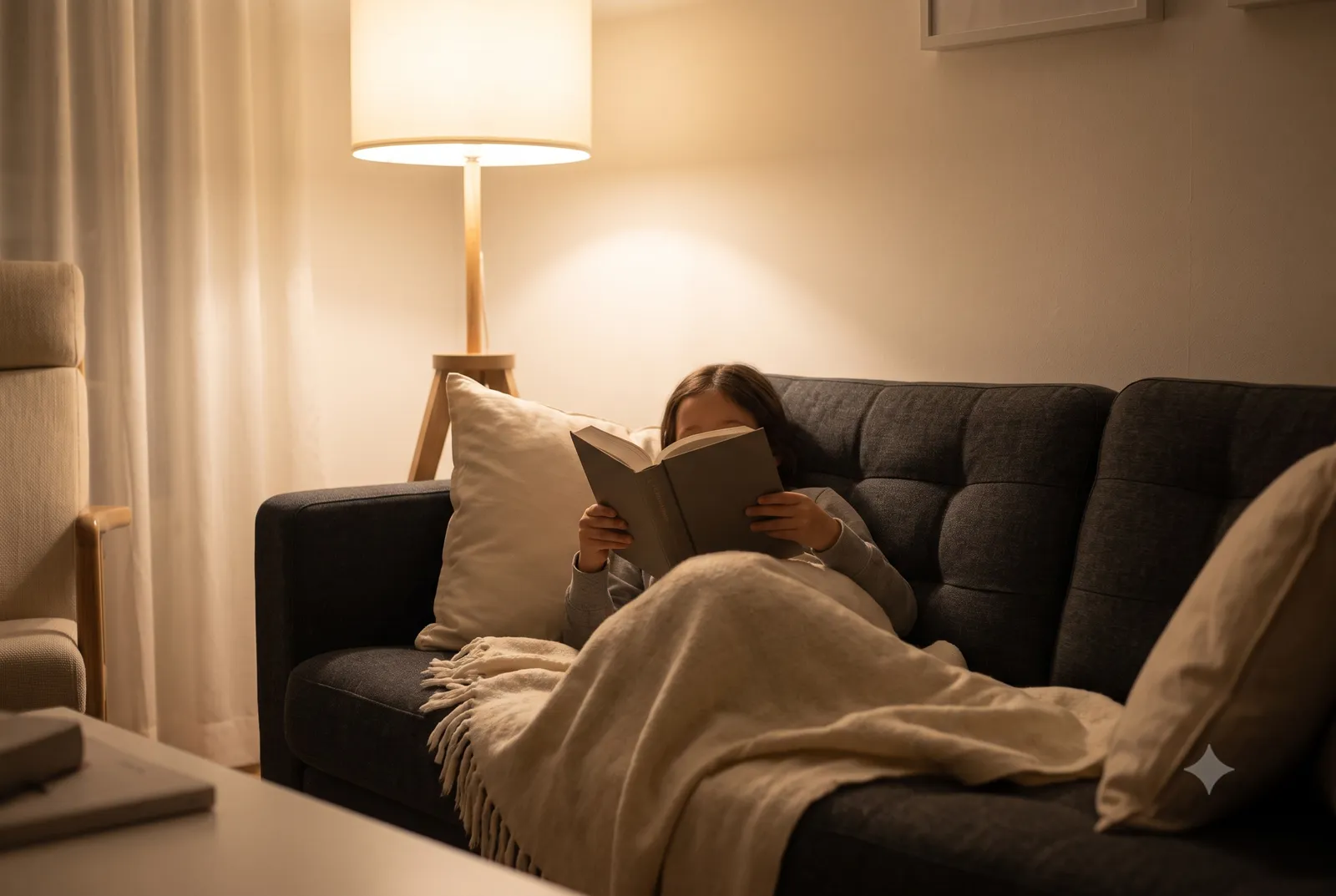
- Read a physical book or listen to a low-stimulation podcast rather than scrolling a phone.
- Keep the bedroom for sleep only — no work laptop, no heated discussions, so your brain associates the space exclusively with rest.
- Lay out tomorrow's essentials, like clothes or a bag, so your mind isn't quietly rehearsing the next day's logistics while you're trying to fall asleep.
What to Do About Your Bedroom Environment
Beyond temperature, two other environmental factors matter more than most people realize: darkness and noise consistency. Even small amounts of light from a charging cable or a streetlamp through thin curtains can suppress melatonin enough to affect sleep depth, even if you don't consciously wake up.
None of the fixes below require renovating your bedroom. Most cost under twenty dollars and take a single weekend afternoon to set up, which makes this one of the highest-return, lowest-effort categories in the entire sleep optimization process.
- Block outside light with blackout curtains or a simple sleep mask if your budget doesn't stretch to curtains yet.
- Cover or move any small LED lights from chargers, routers, or smoke detectors that glow through the night.
- Use a consistent, low-level background sound, like a fan or white noise app, rather than variable outside noise that spikes and wakes you.
- Keep the room clutter-free near the bed specifically, since visual clutter has been shown to correlate with a more activated, harder-to-settle mind at bedtime.
- Reserve one specific scent, such as a lavender pillow spray, exclusively for bedtime, so it becomes an additional sensory cue your brain learns to associate with sleep.
Common Sleep-Tracking Traps to Avoid
The biggest trap is checking your sleep score first thing in the morning, before your feet even hit the floor. This primes your entire day around a number that's often only loosely correlated with how you'll actually feel, and it trains your brain to associate mornings with anxious self-evaluation rather than a fresh start.
The second trap is chasing a 'perfect' sleep score instead of noticing how you actually function. Some people feel completely fine on a night their tracker rates poorly, and genuinely groggy on a night it rates well. Trust your own lived experience over an algorithm's estimate, and if you want a genuinely useful morning anchor instead, a screen-free morning routine gives you something more productive to reach for than a sleep app.
A third trap is comparing your numbers to a partner's or a friend's, forgetting that sleep architecture varies meaningfully between individuals. A score that would be concerning for one person can be entirely normal for another, which is exactly why the behaviors themselves are a more reliable guide than any single number.
What to Do When You Still Can't Sleep
If you've been lying awake for more than 20 minutes, get out of bed rather than forcing it. Staying in bed while frustrated trains your brain to associate the bed itself with wakefulness and struggle, which makes future nights harder, not easier — a principle borrowed directly from clinical insomnia treatment protocols.
Go to another dimly lit room and do something calm and non-stimulating, like reading a physical book, until you feel genuinely sleepy again, then return to bed. This single behavior change, called stimulus control, is one of the most well-supported non-drug interventions for chronic insomnia and works well even without any tracking device.
Avoid checking the time repeatedly during these wake-ups, since clock-watching tends to spike anxiety and make it harder to drift back off. Turning your clock face away from the bed or removing your phone from arm's reach entirely removes this temptation before it can start.
How Long Until Your Sleep Actually Improves
Most people notice easier sleep onset within the first week of a consistent wake time and morning light exposure, since these directly reset the circadian clock's timing. Depth and continuity of sleep, meaning fewer nighttime wakeups and more time in deep sleep stages, typically take three to four weeks of consistent practice to shift meaningfully.
Be patient through the first week especially, since falling asleep slightly earlier than your body is used to can feel unfamiliar or even mildly uncomfortable at first. That discomfort fades quickly once your circadian rhythm fully adjusts to the new, more consistent schedule.
By the six-week mark, most people describe their sleep less in terms of hours and more in terms of how mornings feel: waking up before an alarm, feeling clear-headed within a few minutes rather than groggy for an hour, and no longer needing that first coffee just to function.
Frequently Asked Questions
Do I need a sleep tracker to improve my sleep?
No. The behaviors that most reliably improve sleep quality, such as consistent wake times, morning light exposure, and a cool dark bedroom, work regardless of whether you track them. A tracker can add useful data for some people but is not required for real improvement.
What is the single most effective sleep optimization habit?
A fixed wake time every day, including weekends, is generally the single highest-leverage habit, because it anchors your entire circadian rhythm at a consistent point. Most other sleep improvements build on top of this foundation.
How long before bed should I stop using screens?
Aim for at least 30 minutes of screen-free wind-down time before sleep, ideally closer to 60 minutes if you're dealing with persistent sleep issues. The content matters as much as the light, since work emails and stressful scrolling are stimulating regardless of screen brightness.
Why do I still feel tired even after eight hours of sleep?
Sleep quality and consistency often matter more than total hours. Frequent nighttime wakeups, an inconsistent schedule, or a too-warm bedroom can all reduce deep sleep even when total time in bed looks adequate on paper.
Is it bad to nap during the day if I'm optimizing my sleep?
Short naps of 20-30 minutes taken before 3pm are generally fine and don't meaningfully disrupt nighttime sleep for most people. Longer or later naps can reduce your natural sleep pressure and make it harder to fall asleep at your usual bedtime.