What a Low Dopamine Evening Routine Actually Is
A low dopamine evening routine is a deliberate sequence of low-stimulation activities in the hours before bed, designed to let your dopamine levels taper naturally instead of spiking right up until the moment you try to fall asleep. It isn't about eliminating dopamine, which is neither possible nor desirable — it's about avoiding the specific evening habits, like short-form video or competitive gaming, that keep your reward system firing when it should be winding down.
I started recommending this after noticing a pattern across dozens of sleep-focused coaching clients: the people who scrolled social media until the moment they turned off the light consistently took longer to fall asleep and reported lighter, more fragmented sleep, even when their total hours in bed looked identical to everyone else's. The content itself, not just the screen's blue light, appeared to be the bigger problem.
Once clients swapped even the final 30 minutes of scrolling for something quieter, the change in reported sleep quality was often noticeable within the first week, well before any change in total sleep duration. That quick feedback is part of why this particular habit tends to stick better than many other sleep interventions.
Why High-Dopamine Evenings Wreck Your Sleep
Dopamine is your brain's chemical signal for anticipation and reward, and it's released heavily by unpredictable, fast-changing stimuli — the exact design pattern behind short-form video feeds, notification pings, and most mobile games. This kind of stimulation keeps your nervous system in an alert, seeking state that is chemically almost the opposite of the calm, parasympathetic state sleep requires.
The problem compounds because dopamine and melatonin operate on something of a seesaw. High dopamine activity in the evening can delay melatonin release by suppressing the signals that would otherwise tell your brain it's time to wind down. That's why an hour of engaging, fast-paced content can leave you feeling simultaneously exhausted and wired, unable to settle even though you're clearly tired.
This effect is strong enough that many people who feel like they 'can't sleep' don't actually have an underlying sleep disorder — they have an evening routine that's chemically incompatible with the transition into sleep, regardless of how tired they are by bedtime. It's worth noting that not all evening activities are equally stimulating: a slow, familiar TV show watched passively produces a much smaller dopamine response than an algorithm-driven feed engineered to maximize engagement through novelty.
The Dopamine and Melatonin Tug-of-War
Melatonin release typically begins ramping up two to three hours before your natural bedtime, but that release is highly sensitive to competing signals, especially light and stimulation. A low dopamine evening routine works by removing the competing signals during that exact window, so melatonin can do its job unopposed instead of fighting against a brain still primed for reward-seeking.
This is closely related to the broader idea behind an intentional dopamine detox at home, except applied specifically to the hours before sleep rather than an entire day. You don't need a full detox to benefit — even a consistent 90-minute low-stimulation window before bed produces a measurable difference in how quickly and deeply you sleep.
This tug-of-war also explains why some people feel 'tired but wired' at bedtime, a state where physical exhaustion coexists with a mind that won't settle. That specific combination is almost always a sign of unresolved evening stimulation rather than a genuine sleep disorder, and it usually responds well to a consistent low-dopamine wind-down within one to two weeks.

Building Your Low Dopamine Evening Routine Step by Step
Rather than trying to overhaul your entire evening overnight, build the routine backward from your target bedtime, adding one layer at a time. Each step below removes a specific category of high-dopamine stimulation and replaces it with something genuinely restful instead.
If a full 3-hour window feels unrealistic at first, start with just the final 30 minutes and expand backward every few days as the earlier steps start to feel natural rather than restrictive.
- 3 hours before bed: finish any intense exercise, stimulating work tasks, or emotionally charged conversations, since all three raise dopamine and cortisol together.
- 2 hours before bed: switch off short-form video and social apps specifically, even if other screen use continues a little longer.
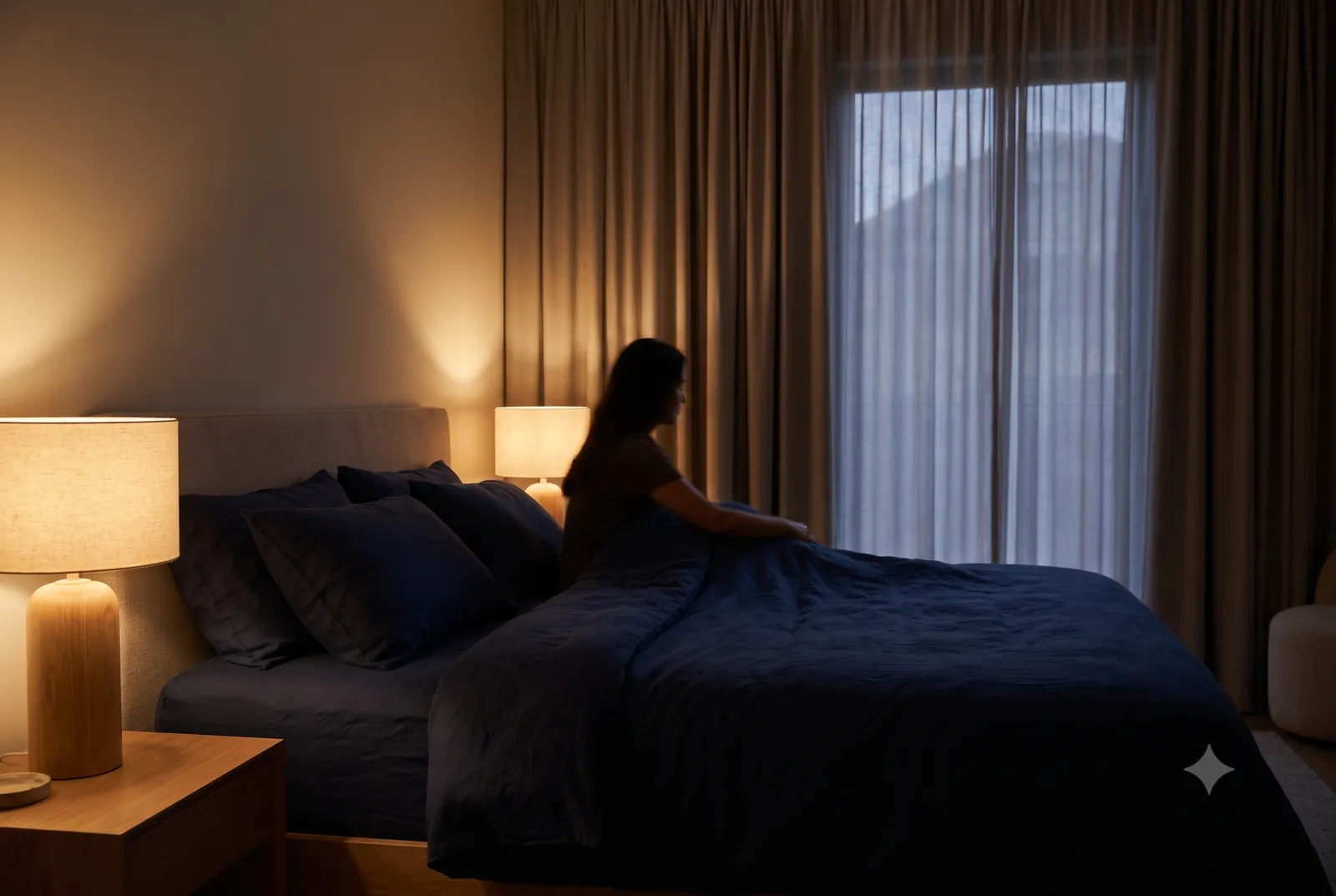
- 90 minutes before bed: dim household lighting significantly and switch to warm, low lamps rather than overhead lights.
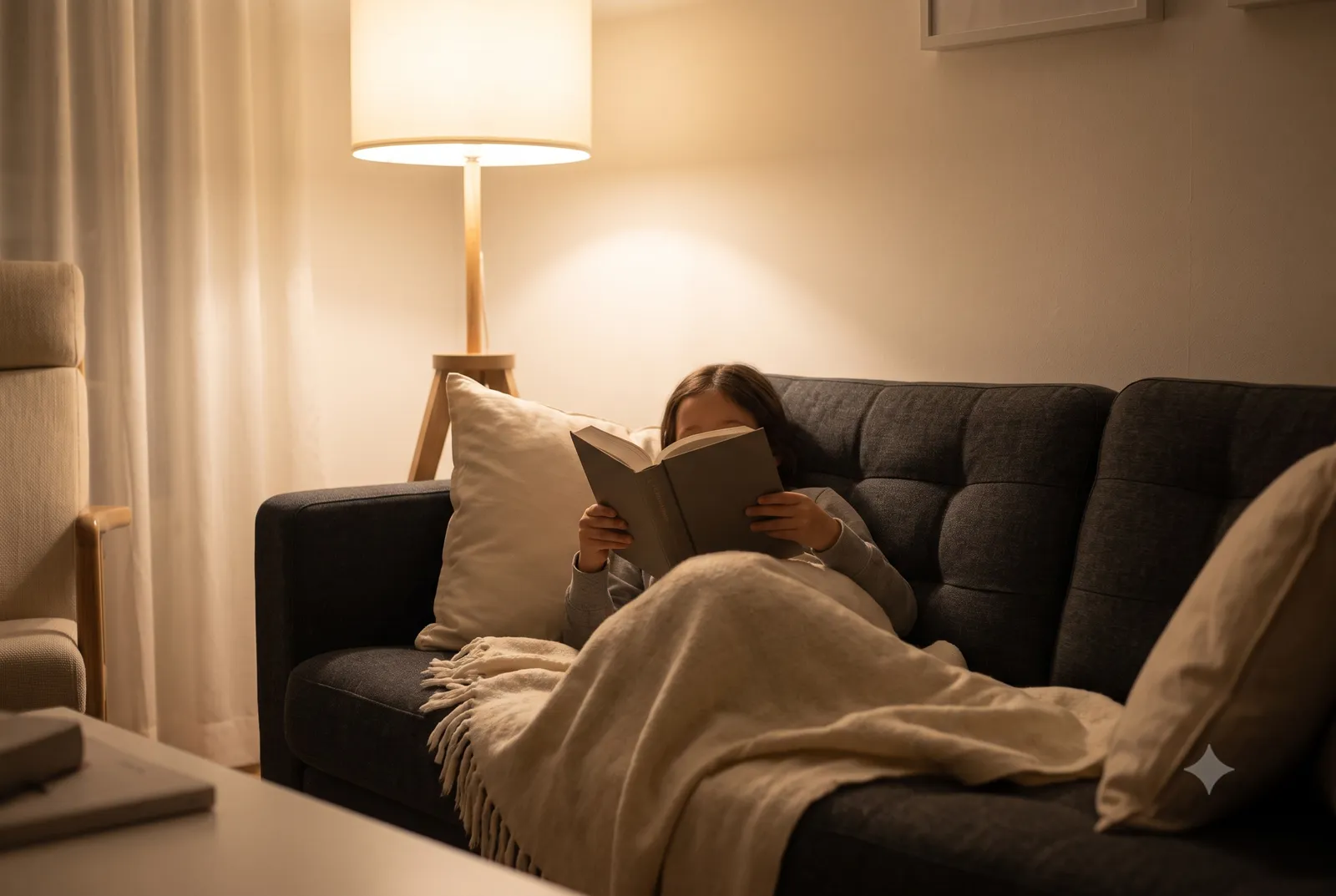
- 60 minutes before bed: move to fully low-stimulation activities such as reading, stretching, or quiet conversation.
- 30 minutes before bed: no screens of any kind, replaced by a brief journaling or breathing practice.
- In bed: a few minutes of slow, deliberate breathing, such as a 4-count inhale and 6-count exhale, to fully settle your nervous system before attempting sleep.
What to Replace High-Stimulation Habits With
The routine only works if the replacement activities feel genuinely satisfying, not like a punishment for giving something up. Boredom itself isn't the goal — a gentle, low-arousal kind of engagement is, since it keeps you occupied without spiking dopamine back up.
Give yourself permission to find a couple of these genuinely enjoyable rather than tolerable. The goal is a routine you look forward to, not one you white-knuckle through every night out of obligation.
- A physical book or magazine instead of a phone feed, since the fixed pacing removes the unpredictable reward loop of scrolling.
- Folding laundry, light tidying, or another simple task that occupies your hands without requiring much decision-making.
- A warm shower or bath, which also supports the core body temperature drop that helps trigger sleep onset.
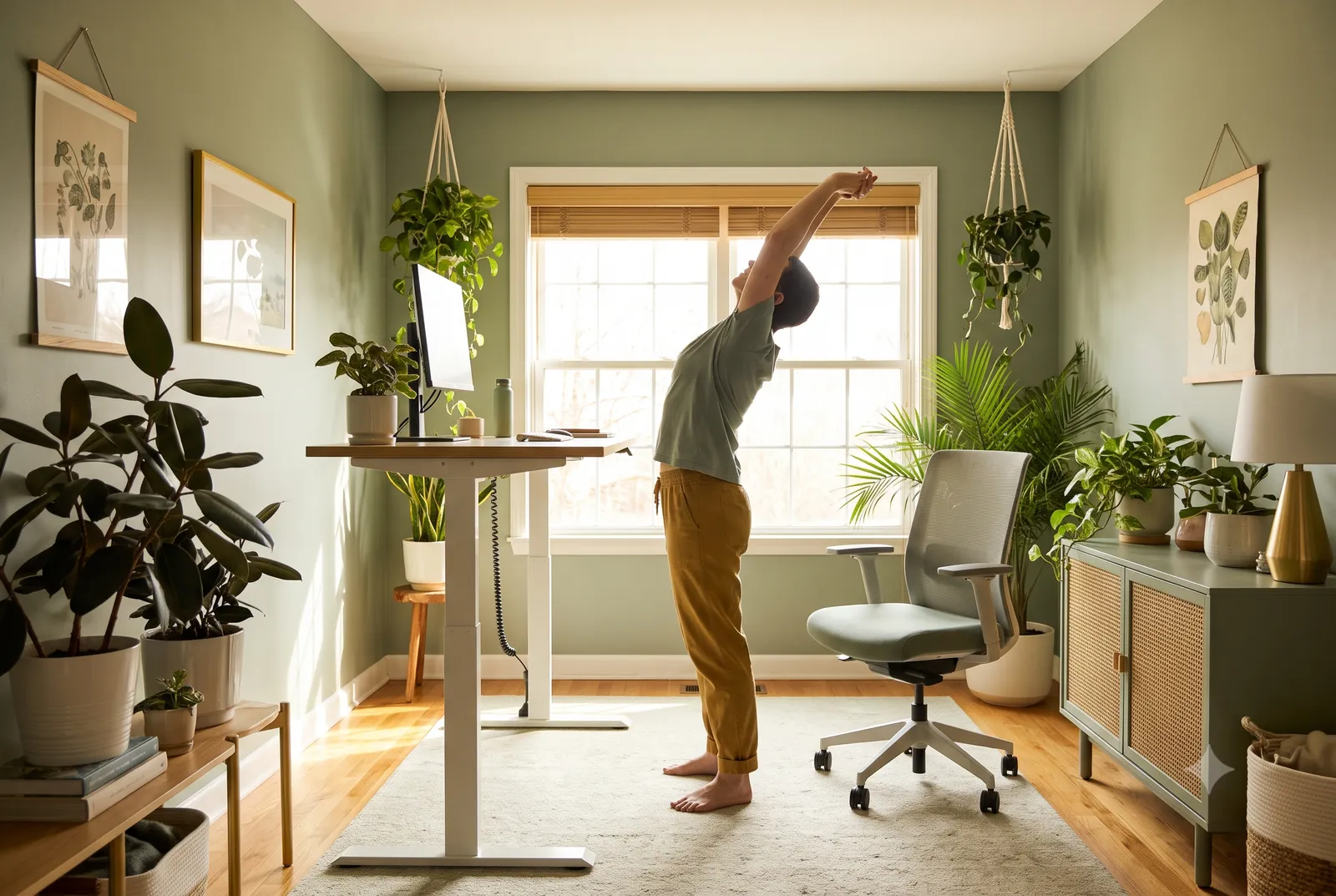
- Light stretching or a short body scan meditation, both of which actively shift your nervous system toward a parasympathetic, rest-ready state.
- Quiet, low-stakes conversation with a partner, roommate, or family member, without screens present on either side.
- Simple hand-based hobbies like knitting, sketching, or puzzles, which occupy attention without the unpredictable reward loop of a screen.
A Sample 90-Minute Wind-Down Timeline
Here's how this looks in practice for someone targeting a 10:30pm bedtime. Adjust the clock times to your own schedule, but keep the same order and spacing between steps, since the sequence matters as much as the individual activities.
This timeline assumes a fairly ordinary evening. On nights with social plans or later commitments, simply compress the steps into whatever window remains rather than skipping the routine entirely — even a shortened version outperforms no wind-down at all.
- 9:00pm: last check of phone and email, then switch to airplane mode or leave the phone in another room.
- 9:15pm: dim the lights, put on a warm lamp, and start a low-stimulation task like tidying or laundry.
- 9:45pm: shower or bath, followed by skincare or another simple, familiar routine.
- 10:00pm: reading, light stretching, or quiet conversation.
- 10:20pm: brief gratitude or brain-dump journaling to clear any lingering thoughts before lying down.
- 10:30pm: lights off, with a few minutes of slow breathing if your mind is still active.
Mistakes That Undo a Low-Dopamine Evening
The most common mistake is treating 'one more episode' or 'just five more minutes' of a stimulating app as harmless, when in practice these devices are specifically engineered to make that boundary nearly impossible to hold. If a habit reliably turns into 45 minutes instead of 5, remove the option entirely for that window rather than relying on willpower each night.
The second mistake is doing the entire routine perfectly for a few nights, then abandoning it the first time a late meeting or social plan disrupts the schedule. A missed night doesn't erase the pattern — what matters is returning to the routine the next evening rather than treating one disruption as a reason to stop entirely. Pairing this with steady circadian rhythm habits during the day makes the whole system considerably more resilient to occasional disruptions.
A third mistake is assuming the routine has to look identical every single night. Rigid perfectionism tends to backfire here just as it does with any other habit. A flexible version you can adapt to travel, guests, or a late work call will survive far longer than a rigid one that shatters at the first exception.
What to Expect in the First Two Weeks
Most people notice they fall asleep faster within the first three to five nights, since removing high-dopamine stimulation has a fairly immediate effect on how quickly your nervous system can downshift. Sleep depth and how rested you feel upon waking generally take a full two weeks to shift noticeably, as your body adjusts to a more consistent evening pattern.
Expect the first few nights to feel oddly quiet or even slightly boring, especially if scrolling has been a long-standing habit. That sense of boredom fades quickly once the replacement activities become familiar, and most people report genuinely preferring the calmer evening within about ten days.
Beyond sleep itself, many people also notice they wake up less reliant on their phone in the morning, since the evening habit of reaching for it constantly starts to loosen its grip on the rest of the day as well.
Frequently Asked Questions
How long before bed should a low dopamine evening routine start?
Most people benefit from starting 60 to 90 minutes before their target bedtime, giving melatonin release time to ramp up without competing stimulation. A longer window, closer to two to three hours, tends to help people with more persistent sleep difficulties.
Do I have to give up my phone completely in the evening?
Not entirely, but short-form video, social feeds, and games should be the first things removed since they produce the strongest dopamine spikes. Lower-stimulation phone use, like a quiet phone call, is far less disruptive than fast-scrolling content.
Will a low dopamine evening routine feel boring at first?
Yes, especially in the first few days if scrolling has been a long-standing habit. This feeling typically fades within a week to ten days as the calmer replacement activities start to feel genuinely rewarding rather than like a restriction.
Is this the same thing as a full dopamine detox?
No. A low dopamine evening routine targets only the hours before bed, while a full dopamine detox typically applies to an entire day or weekend. The evening version is more sustainable long term and specifically targets sleep quality.
What if I still can't fall asleep after starting this routine?
Give the full routine at least two consistent weeks before judging its effectiveness, since dopamine and melatonin patterns take time to reset. If sleep difficulty continues beyond that, it's worth ruling out an underlying sleep disorder with a medical professional.