
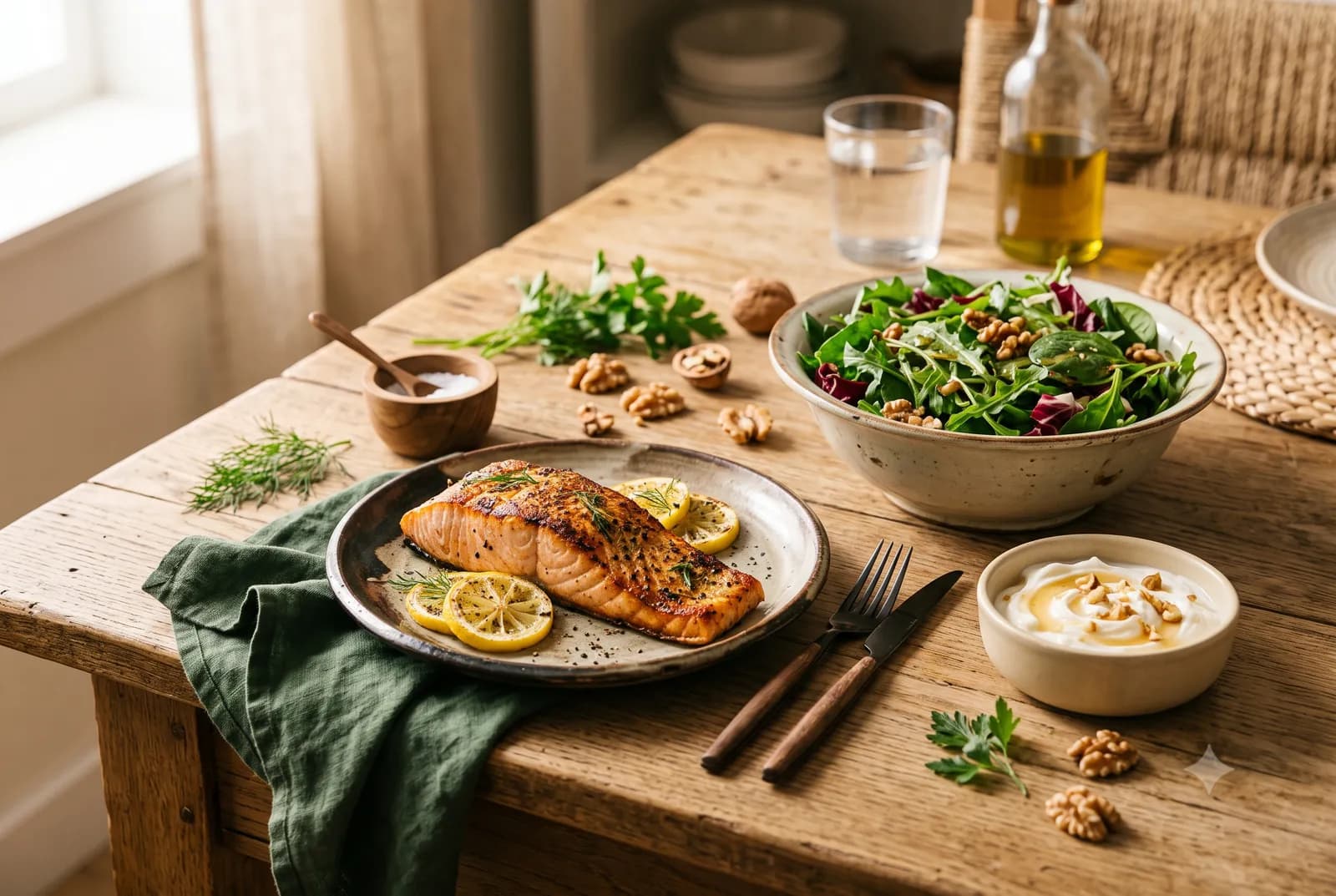
Understanding the Gut-Brain Connection
A gut-brain connection diet is built on one of the more compelling shifts in recent mental health research: what you eat directly shapes how you feel, not just how you digest. Your gut and brain communicate constantly through the vagus nerve, immune signaling, and neurotransmitter production, which is why roughly 90% of your body's serotonin is actually produced in your gut, not your brain.
This isn't fringe wellness talk — it's an active field called nutritional psychiatry, and the evidence base has grown substantially over the last decade. If you've tried to manage mood or mental clarity through mindset work alone without addressing diet, you may have been missing one of the most direct physiological levers available.
It's worth being clear about what this diet is and isn't. It's not a weight-loss plan, and none of the recommendations below are framed around calorie restriction. The entire focus is on adding foods that support a healthier gut microbiome and reducing the ones that actively work against it, which is a meaningfully different goal from most diets you've probably encountered before.
The Science Behind Food and Mood
Your gut houses trillions of bacteria collectively called the gut microbiome, and its composition directly influences inflammation levels, neurotransmitter production, and even the strength of your vagus nerve signaling to your brain. A diverse, well-fed microbiome produces short-chain fatty acids that reduce systemic inflammation — a factor increasingly implicated in depression and anxiety.
Randomized controlled trials, including the notable SMILES trial published in BMC Medicine, found that participants following a Mediterranean-style diet showed significantly greater improvement in depressive symptoms compared to a social support control group. This kind of evidence has moved gut-brain nutrition from theory to a credible, evidence-informed intervention.
The mechanism runs both directions, too, which is part of why researchers now describe this as a genuine gut-brain axis rather than a one-way street. Chronic stress and anxiety can alter gut bacteria composition and gut motility, which is the biological basis for stress-related digestive symptoms many people experience, while an unhealthy gut can in turn worsen mood and anxiety, creating a loop that diet-focused interventions aim to interrupt.
The 7 Best Foods for Mental Health in 2026
These seven foods represent the strongest current evidence for supporting the gut-brain connection, based on their effects on microbiome diversity, inflammation, and neurotransmitter precursors.
You'll notice these foods span several different mechanisms rather than relying on one single nutrient. Some work primarily by feeding beneficial bacteria directly, others by reducing inflammation, and others by supplying the raw materials your brain uses to build neurotransmitters. Eating a mix across these categories, rather than leaning heavily on just one or two foods, tends to produce the broadest benefit.
- Fatty fish (salmon, sardines, mackerel): Rich in omega-3 fatty acids EPA and DHA, both linked to reduced inflammation and improved mood regulation. Aim for 2-3 servings weekly, canned options work just as well as fresh.
- Fermented vegetables (sauerkraut, kimchi): Provide live probiotic bacteria that increase gut microbiome diversity, directly supporting neurotransmitter production. Choose unpasteurized versions from the refrigerated section for live cultures.
- Leafy greens (spinach, kale): High in folate, a nutrient consistently linked to lower depression risk when intake is adequate, and easy to add to almost any meal.
- Fiber-rich legumes (lentils, chickpeas): Feed beneficial gut bacteria that produce short-chain fatty acids, reducing systemic inflammation tied to mood disorders over time.
- Plain yogurt or kefir: A direct source of probiotics shown in several trials to reduce anxiety-related brain activity in imaging studies, best chosen unsweetened to avoid undoing the benefit.
- Walnuts and flaxseed: Plant-based omega-3 sources that support brain cell membrane health, useful for those who don't eat fish or prefer plant-based options.
- Dark chocolate (70%+ cacao): Contains flavonoids shown to support blood flow to the brain and modestly improve mood, in moderate amounts of about 20-30 grams daily.
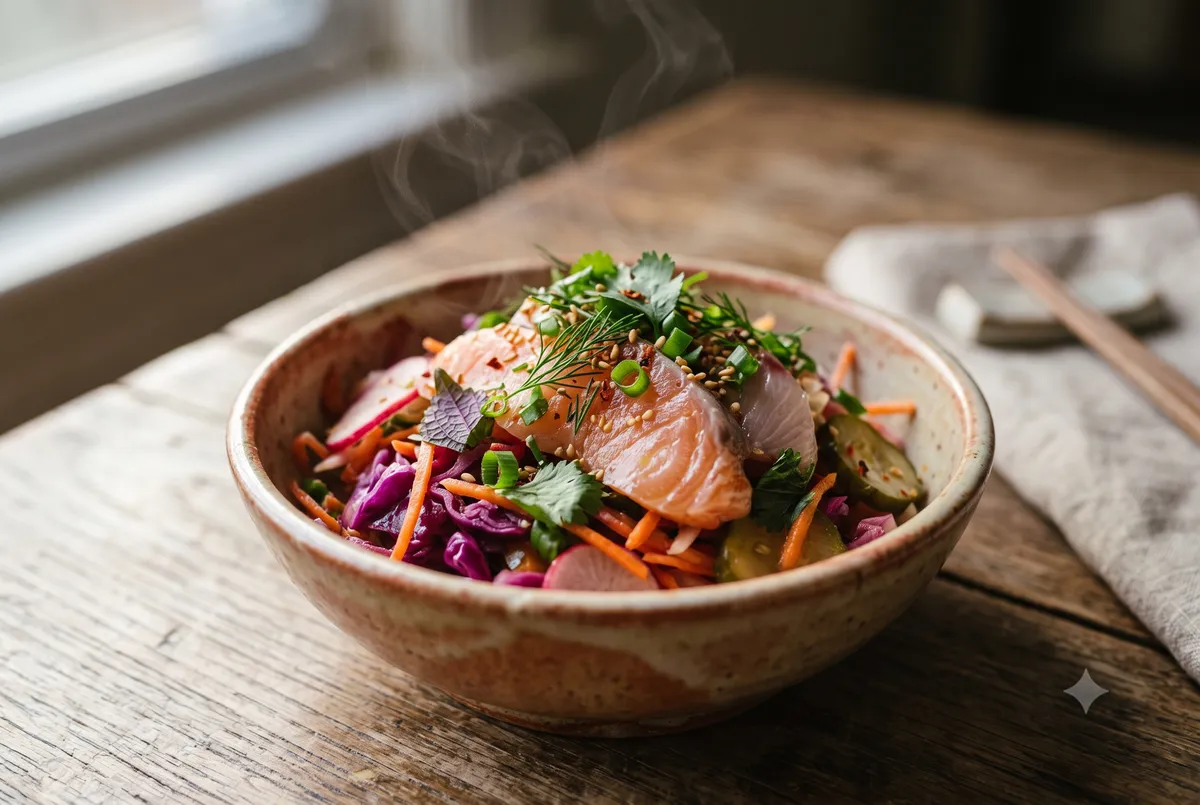
Foods That Work Against the Gut-Brain Connection
Just as certain foods support the gut-brain connection, others actively undermine it. Ultra-processed foods high in refined sugar and industrial seed oils have been linked in multiple studies to reduced microbiome diversity and increased inflammatory markers, both of which correlate with worse mood outcomes over time.
This doesn't mean you need a perfect diet. It means paying attention to ratio: a diet where whole, fiber-rich foods make up the clear majority, with processed foods as an occasional addition rather than a daily default, is what the research consistently supports.
Alcohol and artificial sweeteners deserve a specific mention here too, since both have been shown in research to disrupt microbiome diversity even in relatively modest amounts. Neither needs to be eliminated entirely for most people, but treating them as occasional rather than daily is consistent with what the current gut-brain research suggests for supporting mood and mental clarity.
Building a Gut-Brain Connection Diet Week
Rather than overhauling your entire diet overnight, layer in gut-brain-supporting foods gradually. Here's a simple weekly structure that incorporates all seven foods without requiring you to become a different kind of cook.
Feel free to adapt this to your existing routine rather than following it rigidly. If you already cook fish on different days, or prefer kimchi to sauerkraut, the specific choices matter far less than consistently including something from each category most days of the week. The structure below is a starting template, not a strict prescription.
- Monday & Thursday: Fatty fish as your main protein at dinner, prepared however you already enjoy cooking it.
- Daily: A palm-sized serving of leafy greens at lunch or dinner, added to whatever you're already making.
- 3x per week: A small serving of fermented vegetables alongside a meal, starting with just a spoonful if you're new to the taste.
- Daily: A handful of walnuts or a tablespoon of ground flaxseed added to breakfast, cereal, or a smoothie.
- Daily: Plain yogurt or kefir as a snack or breakfast base, topped with fruit if you want natural sweetness.
- 2-3x per week: Lentils or chickpeas as a meat substitute or addition to soups and salads.
- As desired: A small square of dark chocolate after dinner, enjoyed slowly rather than as an afterthought.
How Diet Fits Into Your Broader Mental Health Toolkit
A gut-brain connection diet is a powerful lever, but it works best alongside, not instead of, other evidence-based mental health practices. In my coaching work, the clients who see the most meaningful shifts combine dietary changes with structured emotional practices, like a consistent emotional fitness routine, rather than treating food as a silver bullet on its own.
If sleep is also a struggle, it's worth knowing that gut health and sleep quality influence each other bidirectionally — poor sleep disrupts microbiome balance, and microbiome imbalance can worsen sleep. Layering in a few consistent sleep optimization habits alongside these dietary changes, rather than addressing either in isolation, tends to produce faster, more durable improvements in mood and focus.
Movement matters here as well, even though it's not strictly a dietary factor. Regular physical activity has been shown to increase microbiome diversity independent of diet, which means a short daily walk after meals does double duty: supporting digestion directly and giving your gut bacteria a boost that complements whatever you're eating.
Getting Started Without Overhauling Everything
The biggest mistake people make when adopting a gut-brain connection diet is trying to change everything on day one, which rarely sticks past two weeks. Start by adding just one food from the list above to your existing routine — yogurt at breakfast, or fatty fish twice a week — and let that become automatic before adding the next.
According to guidance from institutions like Harvard Health, dietary changes for mental health tend to show measurable benefit over 4-8 weeks of consistent practice, not overnight, so treat this as a gradual investment in your baseline mood and cognitive clarity rather than a quick fix.
Keep a brief weekly note on your mood, digestion, and energy alongside what you've been eating, without turning it into an obsessive tracking exercise. Most people find that after a month of consistently including two or three of these foods, the connection between what they eat and how clearly they think becomes obvious enough that it no longer requires much conscious effort to maintain.
Frequently Asked Questions
How long does it take for a gut-brain connection diet to improve mood?
Most research suggests noticeable improvements in mood and mental clarity emerge over 4-8 weeks of consistent dietary change, as gut microbiome composition shifts gradually rather than overnight.
What is the single best food for the gut-brain connection?
Fatty fish rich in omega-3s is generally considered the highest-impact single food, given the strength of evidence linking omega-3 intake to reduced inflammation and improved mood regulation, though a varied diet outperforms any single food.
Can a gut-brain connection diet replace anxiety or depression medication?
No. Diet is a valuable complementary tool supported by growing evidence, but it should not replace prescribed medication or therapy for clinical anxiety or depression. Discuss dietary changes with your healthcare provider alongside existing treatment.
Do I need to take a probiotic supplement, or is food enough?
Whole-food sources of probiotics, like yogurt, kefir, and fermented vegetables, are generally sufficient for most people and provide additional nutrients supplements lack. Supplements may help in specific cases but aren't necessary as a starting point.
How much dark chocolate is actually beneficial for the gut-brain connection?
Around 20-30 grams of dark chocolate with at least 70% cacao content per day is generally considered a beneficial amount, providing flavonoids linked to mood and blood flow benefits without excessive added sugar.