

What Biometric-Guided Recovery Actually Is
Biometric guided recovery means using measurable body signals — resting heart rate, heart rate variability, sleep quality, and body temperature — to decide how hard to push yourself on a given day, instead of guessing based on mood or willpower alone. Rather than following a fixed schedule regardless of how your body is actually doing, you adjust workouts, work intensity, and rest based on what your numbers are telling you that morning.
I started paying attention to this after a client insisted she was 'fine' the week before a burnout crash that sidelined her for a month. Her resting heart rate had been climbing for ten straight days before she felt anything was wrong. That gap between how we feel and what our body is actually tracking is exactly the blind spot biometric guided recovery is designed to close.
What made her case memorable wasn't that the warning signs were subtle in hindsight, it's that they were sitting right there in data she already had access to on her wrist the entire time. She simply hadn't developed the habit of checking it with any regularity, so the rising trend never had a chance to register as meaningful before the crash made it impossible to ignore. That single case reshaped how I coach recovery now: the data rarely fails people, the habit of actually looking at it consistently is almost always the missing piece.
Why Burnout Often Starts Before You Feel It
Burnout doesn't arrive suddenly — it builds through weeks of accumulated physiological strain that your conscious mind is remarkably good at ignoring. By the time you feel exhausted, unmotivated, or irritable, your body has often been signaling distress for days or weeks through subtler markers like elevated resting heart rate, reduced heart rate variability, and disrupted sleep architecture.
This delay between physiological strain and subjective feeling is well documented in stress physiology research, including work referenced by the National Institutes of Health on how chronic stress affects the autonomic nervous system over time. Biometric tracking closes that gap by surfacing the early warning signs your feelings alone would miss.
The Key Biometrics Worth Tracking
You don't need a lab's worth of equipment to practice biometric guided recovery — a basic wearable or even a manual morning check can capture the metrics that matter most. Focus on these four, in order of usefulness for catching burnout early.
- Resting heart rate (RHR): Check first thing in the morning before getting out of bed; a rise of 5+ beats per minute above your baseline for several consecutive days signals unresolved strain.
- Heart rate variability (HRV): A declining trend over a week, more than any single day's number, is the strongest early indicator of accumulating stress.
- Sleep quality: Track total sleep and how often you wake during the night, since fragmented sleep often precedes a felt sense of burnout by one to two weeks.
- Subjective readiness: A simple 1-10 self-rating each morning, cross-checked against your numbers, catches cases where your body and your feelings disagree.
Building a Simple Daily Recovery Check-In
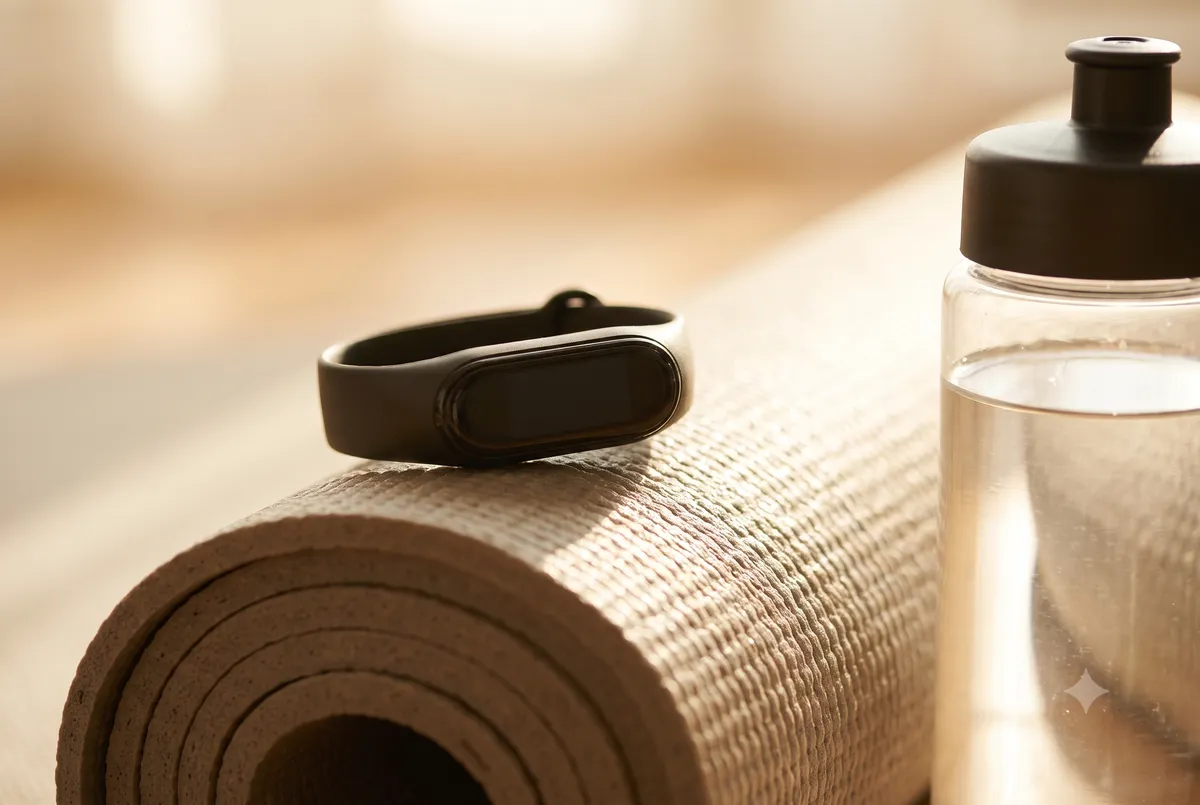
You don't need an expensive device to start. A basic fitness tracker or even a manual pulse check combined with a two-minute journal entry is enough to begin spotting patterns. The habit that matters most is consistency: check the same metrics at the same time each morning so trends, not single-day noise, guide your decisions.
Pair this morning check-in with a sleep optimization routine that doesn't require wearables if you'd rather minimize screen and device use while still improving the sleep quality that drives most of your recovery numbers in the first place.
- Check resting heart rate and note it before checking your phone for anything else.
- Rate your subjective energy and mood on a 1-10 scale.
- Note total sleep hours and how rested you feel, independent of the number.
- Compare today's numbers to your 7-day average, not just yesterday.
Adjusting Your Day Based on the Signals
The entire point of biometric guided recovery is using the data to make real adjustments, not just collecting numbers passively. When your metrics show elevated strain — high resting heart rate, low HRV, poor sleep — that's your cue to swap a high-intensity workout for a walk, push a demanding meeting to the afternoon after more recovery, or simply give yourself permission for a lighter day without guilt.
This is also a useful early-warning layer to combine with your broader workload management. If your numbers are consistently elevated during a specific week, it's worth examining whether you need firmer boundaries at work without guilt, since chronic overcommitment is one of the most common root causes behind persistently poor recovery signals.
Common Mistakes When Using Biometric Data
The most common mistake is obsessing over a single day's number instead of watching the trend. One bad night of sleep or a slightly elevated heart rate doesn't mean much on its own — it's the multi-day pattern that carries real signal. Checking your data compulsively throughout the day, rather than once each morning, can also create its own anxiety loop that undermines the very recovery you're trying to protect.
The second mistake is treating the data as a moral scorecard, feeling like a bad recovery score means you failed somehow. It's simply information. Biometric guided recovery works best when you treat the numbers the way a pilot treats instrument readings — useful input for a decision, not a judgment on your worth or discipline.
When to Take Recovery Signals Seriously
A single day of elevated stress markers rarely needs action beyond a lighter day. But if your resting heart rate stays elevated, your HRV trend keeps declining, and your sleep quality drops for more than five to seven consecutive days, that's a strong signal to actively reduce load rather than push through — this is typically the window where early intervention prevents a full burnout episode weeks later.
Treat this the same way you'd treat a persistent physical symptom: worth taking seriously precisely because it's persistent, not because any single reading is alarming. Catching this window early is the entire value proposition of biometric guided recovery over waiting until exhaustion forces the decision for you.
Biometric Data vs. Just 'Listening to Your Body'
A reasonable objection to biometric guided recovery is that people have managed their energy and rest for thousands of years without a wearable device, simply by paying attention to how they feel. This is true, but it understates how unreliable subjective feeling becomes under chronic, low-grade stress specifically, which is the exact condition that precedes most burnout. Acute stress, like a scary near-miss on the highway, produces an unmistakable feeling that's easy to notice and respond to. Chronic stress accumulates slowly enough that your baseline for 'normal' quietly shifts along with it, so by the time you consciously notice something is wrong, your body has often been compensating for weeks.
Biometric data doesn't replace listening to your body, it recalibrates what you're listening for. The two work best together: use your numbers to catch the slow, easy-to-miss trends, and use your subjective sense of energy and mood to catch the things a wearable can't measure, like emotional exhaustion from a difficult conversation or the specific kind of tiredness that follows a creatively demanding project. People who rely purely on feeling tend to catch problems late; people who rely purely on numbers while ignoring how they actually feel can end up over-optimizing and adding a new source of anxiety. Combining both gives you the earliest and most complete picture available.
Choosing the Right Wearable or Tracking Method
You don't need the most expensive device on the market to practice biometric guided recovery effectively, and it's worth resisting the urge to over-research this decision before starting. Entry-level fitness trackers and even some smartwatches now track resting heart rate and basic sleep metrics accurately enough for trend-spotting purposes, which is what actually matters here, rather than lab-grade precision on any single reading. The main features worth prioritizing are all-night wear comfort (a device you take off at night misses your most useful data), a simple daily summary view, and export or trend features so you can actually see week-over-week patterns rather than just today's number.
If you'd rather not wear a device at all, a manual approach works nearly as well for the fundamentals: a basic pulse check by hand for 30 seconds first thing each morning, multiplied by two, combined with a simple 1-10 energy and sleep-quality journal. The main trade-off with a manual approach is consistency, since it's easier to skip a five-second glance at your wrist than to remember a full manual routine every morning. Whichever method you choose, the single biggest predictor of success isn't the device, it's whether you actually check it at the same time every day for long enough to see a real trend emerge.
Frequently Asked Questions
What is biometric guided recovery in simple terms?
It means using measurable signals like resting heart rate, heart rate variability, and sleep quality to decide how much rest or intensity to build into your day, rather than relying only on how you feel. It helps catch early signs of burnout before they become severe.
Do I need a wearable device to practice biometric guided recovery?
A wearable makes tracking easier and more consistent, but a manual morning pulse check combined with a simple sleep and energy journal can capture most of the same useful information without any special equipment.
How many days of bad numbers should worry me?
A single day of elevated resting heart rate or poor sleep is usually not concerning, but five to seven consecutive days of declining trends across multiple metrics is a meaningful signal to reduce workload and prioritize recovery.
Can biometric guided recovery actually prevent burnout?
It cannot guarantee prevention, but it significantly improves your ability to catch early physiological warning signs that typically appear one to two weeks before you would consciously feel burned out, giving you a window to intervene sooner.
What is the single most useful biometric to track first?
Resting heart rate is the easiest and most accessible metric to start with, since it requires no special equipment and reliably reflects accumulating physical and mental strain when tracked consistently each morning over time.