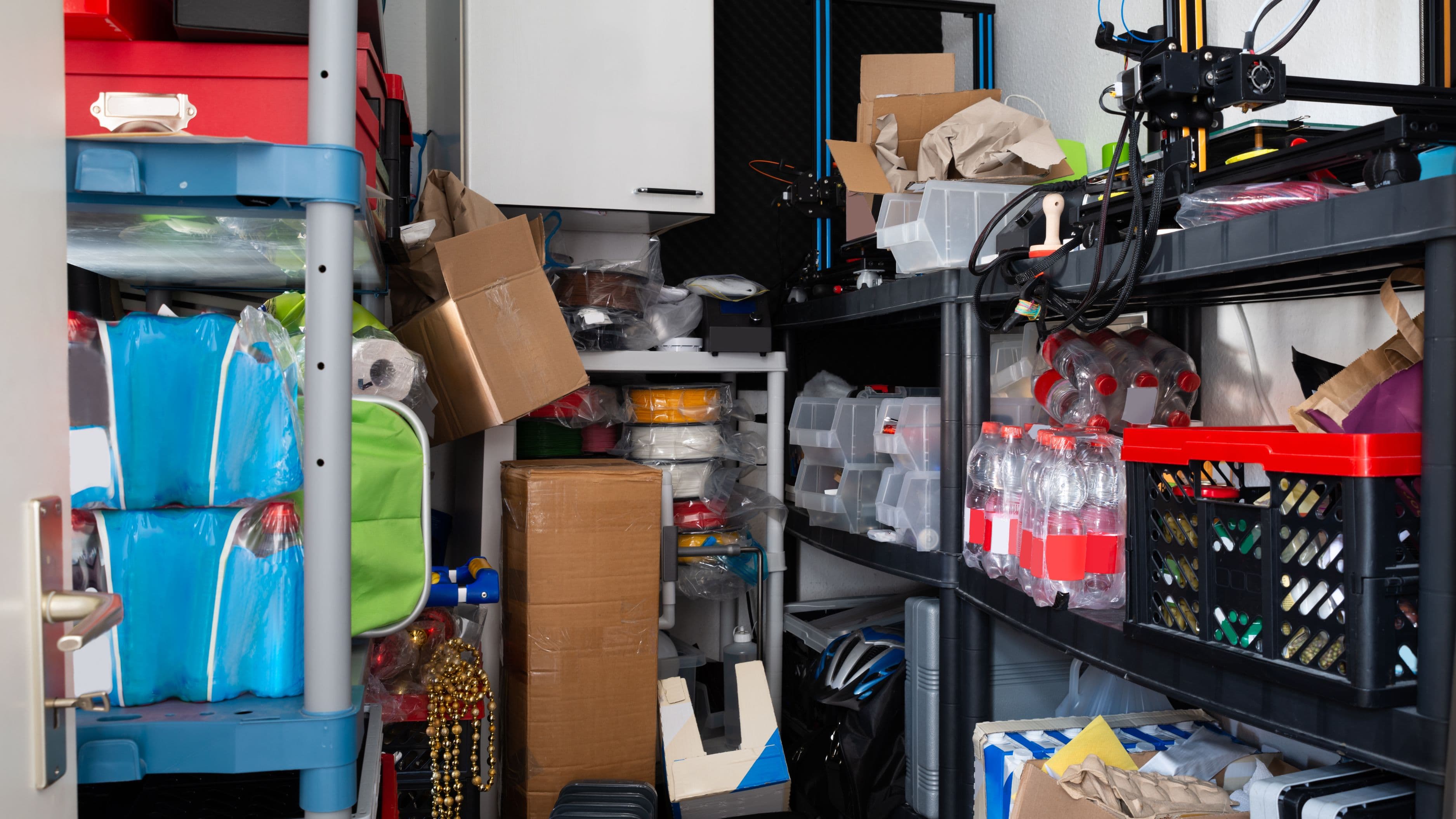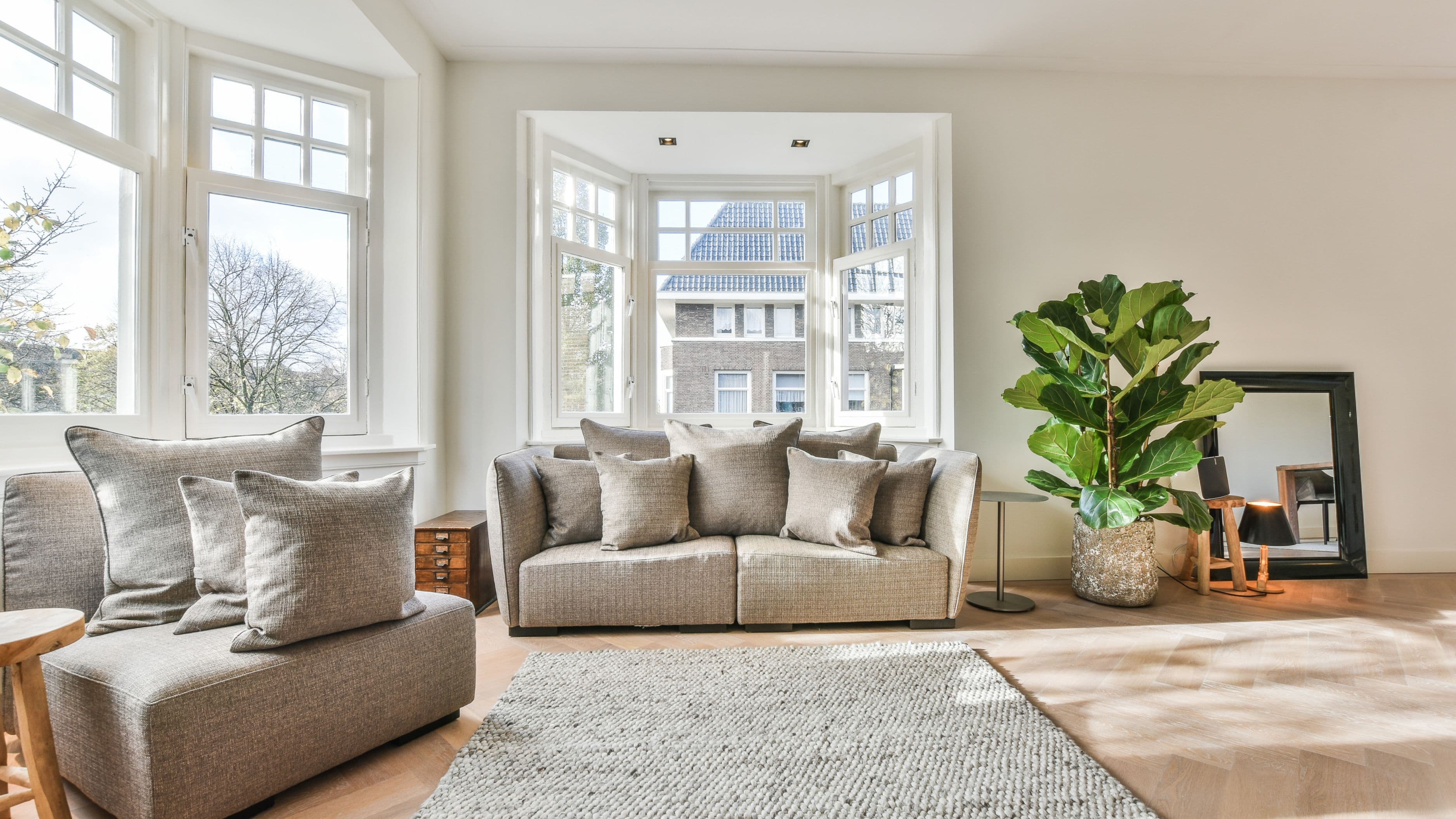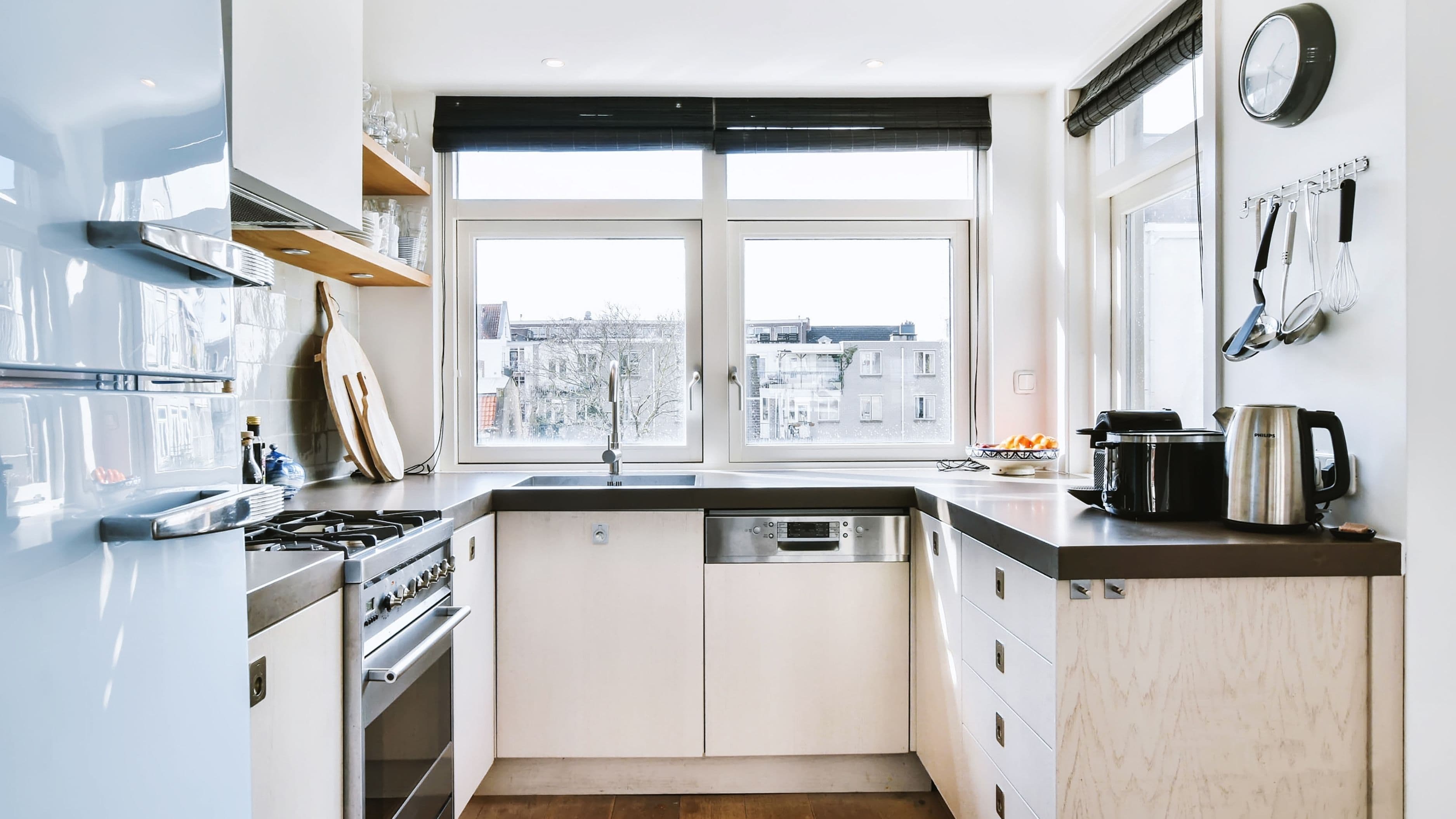

This plan works differently. The goal isn't to end the weekend with a pile of trash bags or to transform your home into a minimalist space you don't recognize. It's to spend two days reducing friction – clearing the things that are genuinely in your way, organizing what matters, and getting your home to a place where it feels calmer and easier to move through. You'll probably let go of some things. But that's not the starting point. Function is.
The Mindset That Makes This Actually Work
Before you start moving anything, it helps to shift the question you're asking. Instead of "should I keep this or get rid of it?" – which makes every decision feel high-stakes – ask "does this belong here, and is it where it should be?"
A lot of what makes a home feel cluttered isn't excess stuff. It's stuff in the wrong place. Things that don't have a home ending up on surfaces. Things that belong in one room living in another. Things that are technically in the right room but stored in a way that makes them hard to access or return to their spot. Moving those things – giving them a proper home or relocating them to where they're actually used – creates visible, functional improvement without requiring you to decide whether anything has value.
The "should I keep this?" question comes up naturally during this process. When it does, answer it honestly but without pressure. Some things you'll decide to let go of easily. Others you'll decide to keep, and that's fine. The plan works either way.
What You'll Need Before You Start
The preparation is simple and takes about 15 minutes.
Get four boxes, bags, or bins and label them: Put Away (things that belong somewhere else in your home), Donate/Sell (things you're ready to let go of), Decide Later (things you're genuinely unsure about), and Trash (things that are broken, expired, or simply garbage). Having these ready before you start means you're not stopping mid-session to find containers or make decisions you're not ready for yet.
The Decide Later box is important because it removes the pressure of in-the-moment judgment calls. Anything you're not sure about goes in there, and you'll deal with it at the end of the weekend – or in a month, with fresh perspective. This single addition reduces decision fatigue significantly and keeps the sessions moving.
Set a timer for each session. Focused, time-boxed decluttering is significantly more productive than wandering through your home without structure. You'll be surprised by how much you can cover in 45 minutes when you're not stopping to overthink each item.
Saturday: The High-Traffic Areas
Saturday focuses on the parts of your home you move through most often and that affect your daily experience the most. These are also the areas where clutter has the highest impact on how your home feels.
Morning Session (45–60 minutes): Entryway and Living Room
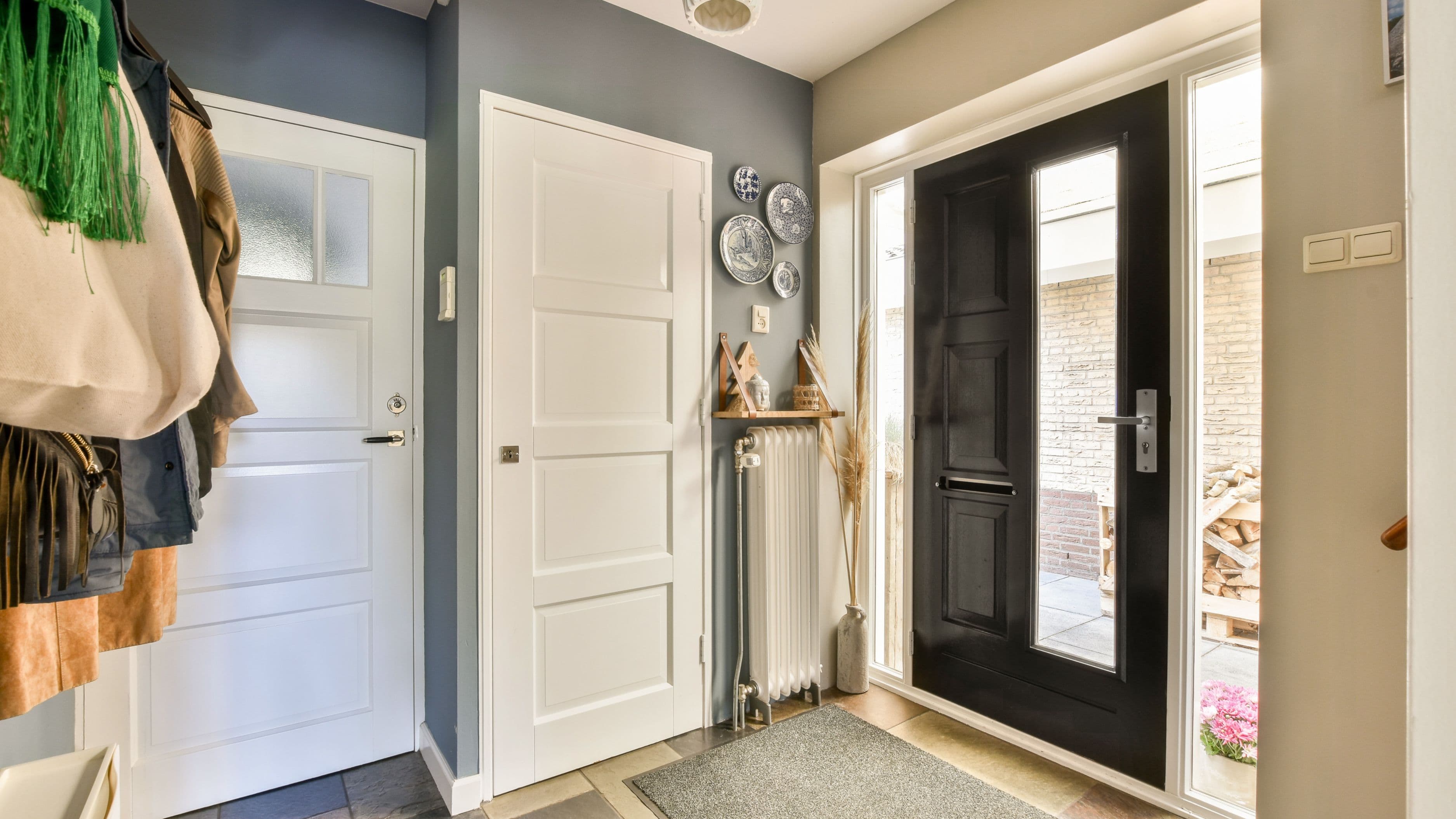
Start where you literally enter your home. The entryway sets the tone for how the whole space feels. Clear any surfaces – the console table, the floor near the door, the coat hook area. Sort what you find into your four boxes. Shoes that don't live here, mail that's piled up, bags that got dropped and never moved, jackets that belong in the bedroom – most of what's in an entryway is there by default, not by design.
Move to the living room with whatever time remains. Focus on surfaces first – coffee table, side tables, shelving units. Clear them down to what belongs there and what you actually use or genuinely want displayed. Magazines from six months ago, remotes for devices you no longer own, decorative items that feel like clutter rather than decoration – these are candidates for removal.
Don't reorganize anything in this session. Just sort into boxes. Reorganization comes at the end.
Afternoon Session (45–60 minutes): Kitchen
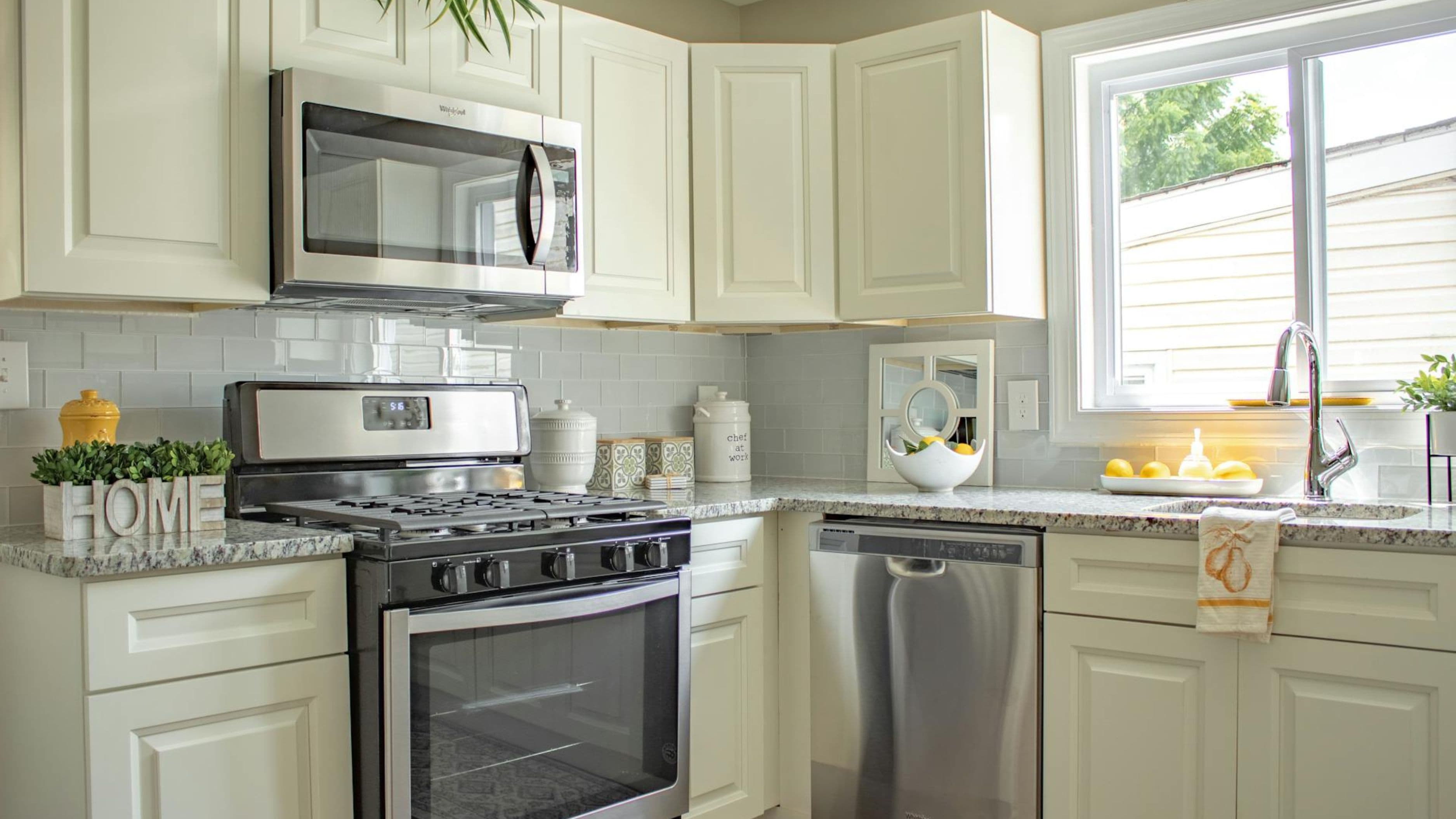
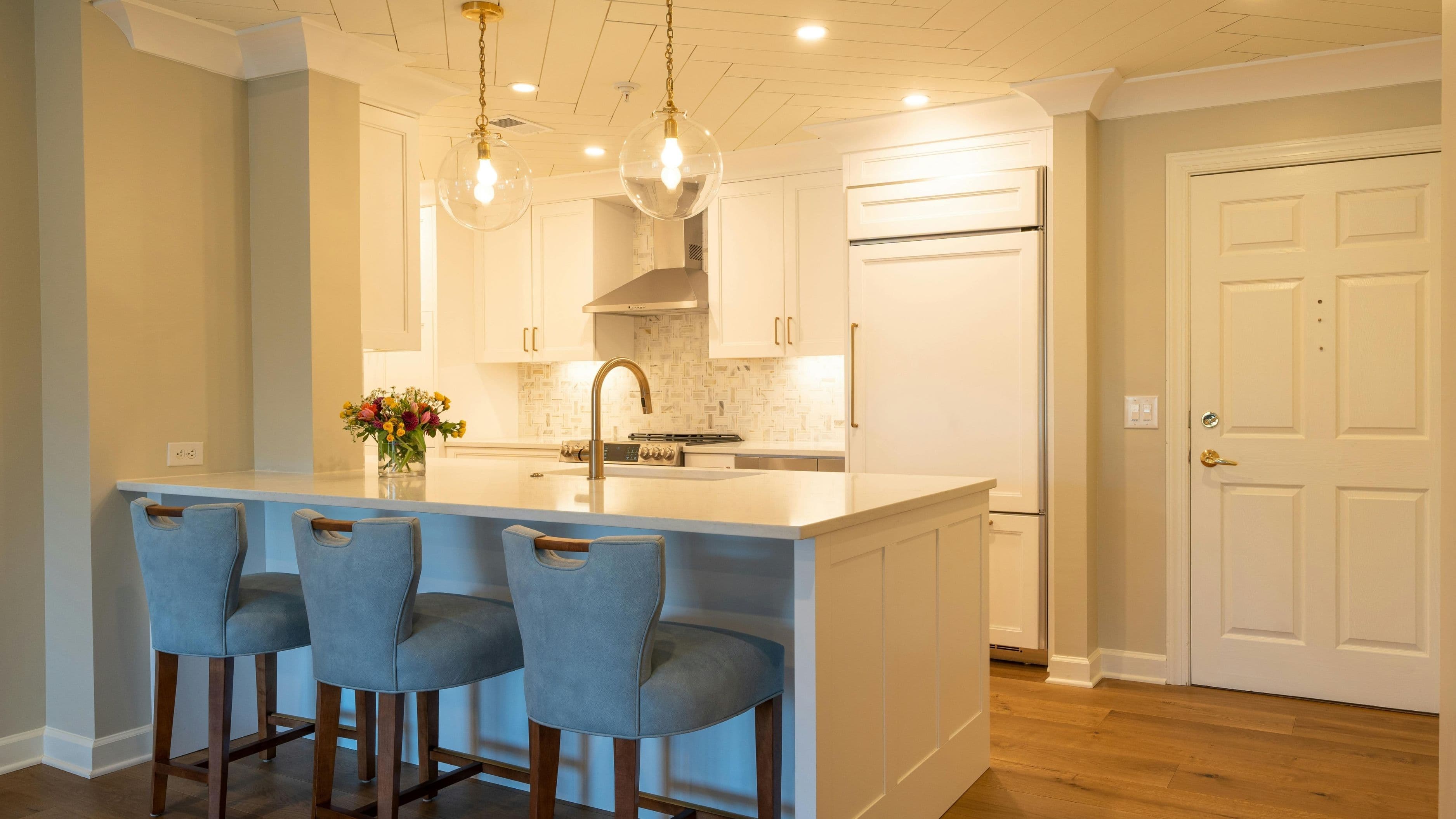
Work through the kitchen in zones. Start with the counter – remove anything that doesn't need to be there. Then move to drawers, one at a time: pull everything out, discard duplicates and things you don't use, and return only what belongs. The same for one or two cabinet sections.
You don't need to do the entire kitchen in one session. Even doing counters, one or two drawers, and one cabinet section is meaningful progress. The goal is momentum, not completion.
Evening (Optional): Process the Boxes
Before you stop for the day, do a quick pass on the Put Away box and actually put those things away. This takes 10–20 minutes and makes a visible difference because items that have been living in the wrong room finally return to where they belong. Leave the Donate/Sell and Decide Later boxes where they are.
Sunday: Storage Areas and Personal Spaces
Sunday focuses on areas that don't affect your daily movement as much but that cause a different kind of background clutter stress – the closet you don't open because you know what's in there, the spare room that's become a catch-all, the bathroom cabinet that requires shuffling things to find what you need.
Morning Session (45–60 minutes): Bathroom and Bedroom Surfaces
Bathrooms accumulate a specific kind of clutter: products you no longer use, expired medications, duplicates bought because you forgot you already had something. Pull everything out of bathroom cabinets and the surface around the sink. Expired products and empty containers are easy decisions. Products you bought with good intentions but haven't touched in six months are honest Decide Later or Donate candidates.
In the bedroom, focus on surfaces – the nightstand, the top of the dresser, any chairs or benches that have become a secondary wardrobe. The goal is clearing what doesn't belong there and making sure what stays has a reason to be there.
Afternoon Session (45–60 minutes): One Closet or Storage Area
Pick one closet – your bedroom closet, a hall closet, or a storage area that bothers you. Not all of them. Just one. Pull items out section by section, sort into boxes, and return only what genuinely belongs there and that you use with some regularity.
For clothing specifically: anything that doesn't fit, that you haven't worn in over a year, or that you keep "just in case" but never reach for is a Donate candidate. You don't have to decide about everything in one session. The items you're genuinely unsure about go in the Decide Later box.
Late Afternoon (30–45 minutes): Final Pass and Processing
Return to everything accumulated over the weekend. Take the Put Away box through the house and finish returning items to their proper homes. Pack up the Donate/Sell box and put it somewhere you'll actually take it somewhere – in your car trunk, by the front door, anywhere that reduces the friction between now and it leaving your home.
The Decide Later box gets stored somewhere out of the way – a spare room, a closet shelf – with a date written on it. If you open it in a month and can't remember what's in it or why you were unsure, that's usually a reliable sign those items can be donated. If specific items still feel genuinely unresolved, give yourself another month.
After the Weekend: The Simple Maintenance Step
The most common reason decluttered spaces revert is the absence of one small habit: things don't get returned to where they belong after use. A few minutes at the end of each day returning items to their homes – a practice sometimes called a "reset" – prevents the gradual accumulation that makes a future clear-out feel necessary.
This doesn't have to be elaborate. Ten minutes in the evening walking through the main areas of your home and returning displaced items is enough. It's far less effort than another weekend declutter session, and it keeps the progress you made from quietly disappearing over the following weeks.
Realistic Expectations
A two-day declutter of this scope – high-traffic areas, bathroom, bedroom surfaces, one closet – creates noticeable but not total transformation. You'll probably finish Sunday feeling better about your space and slightly tired. You'll have a donate box that needs dropping off and a Decide Later box that needs a date on it.
What you won't have is a completely organized home. Some areas you didn't get to will still be the same. Some decisions will still be pending. That's fine. The point of a weekend plan isn't to do everything – it's to make meaningful progress without burning out. And meaningful progress is real progress.
If you want to keep going after the weekend, you have a system that works. Do another session the following weekend. Pick one more area. Keep the pace low enough that it doesn't feel like a project you have to survive.
Common Mistakes to Avoid
Starting with the most emotionally loaded area – sentimental items, old photos, childhood belongings – is a reliable way to stall before you've built momentum. Save those for later in the process when you have a clearer head and some wins behind you. Start with the practical areas where decisions are easier.
Trying to reorganize while you sort creates double the work. Sort first, decide what stays, then organize what remains. Organizing clutter just creates slightly tidier clutter.
Keeping the Donate box in your home for weeks because dropping it off feels like another errand is how Donate boxes become storage boxes. Put it in your car immediately after the weekend. The physical act of moving it out of your living space matters more than you'd think.
Expecting your home to look completely different after one weekend sets you up to feel like the effort wasn't worth it. The right expectation is that the areas you tackled feel noticeably better, and that you have a repeatable process for continuing when you're ready.
FAQ
What if I share my home with someone who doesn't want to declutter? Focus only on your own spaces – your side of the bedroom, your personal belongings, areas you're primarily responsible for. Shared spaces can be approached as a conversation rather than a solo project. The progress you make in your own areas is still worth doing.
How do I handle sentimental items I don't use but can't let go of? Keep them, consciously. The goal isn't to eliminate sentimental belongings – it's to make intentional decisions about them. If something is meaningful to you, give it a proper home where it's stored or displayed with intention rather than mixed in with everyday clutter. There's no requirement to let go of things that matter to you.
What if I fill up the Decide Later box with too many things? That's information, not a problem. If most of what you're touching goes into Decide Later, you may need more time or energy before you're ready to make decisions, and that's okay. The box keeps things contained and out of your way while you figure it out.
Should I do rooms I spend less time in first or last? Start with the rooms you move through every day and that affect your mood most. Visible, frequent-use spaces give you the most immediate feedback on your efforts and keep motivation up for less-trafficked areas.
How do I stop stuff from accumulating again after a clear-out? The daily reset habit is the most effective prevention. The second most effective is having a designated spot for every category of item that typically ends up displaced – mail, keys, bags, charging cables – so there's always a clear "home" to return things to rather than a surface where they get left by default.
Two days of focused effort, approached without pressure and without the expectation of perfection, can genuinely change how a space feels to live in. You don't need to get rid of everything. You just need to get clear on what belongs where, remove what's genuinely in the way, and give the things you actually use a home they'll actually get returned to. That's the whole plan. Start Saturday morning, and see how you feel by Sunday evening.
📚 Sources
Psychology Today – The psychological benefits of decluttering: https://www.psychologytoday.com/us/blog/the-truisms-wellness/201801/why-mess-causes-stress
The Spruce – How to declutter your home room by room: https://www.thespruce.com/how-to-declutter-your-home-2648002
Real Simple – Decluttering tips that actually stick: https://www.realsimple.com/home-organizing/decluttering-tips
Greater Good Magazine (UC Berkeley) – Why clutter affects mental health: https://greatergood.berkeley.edu/article/item/why_clearing_your_clutter_can_help_your_mental_health
Becoming Minimalist – The case against extreme decluttering pressure: https://www.becomingminimalist.com/not-everyone-should-be-minimalist