Sleep Trackers: Useful for Awareness, Limited for Precision
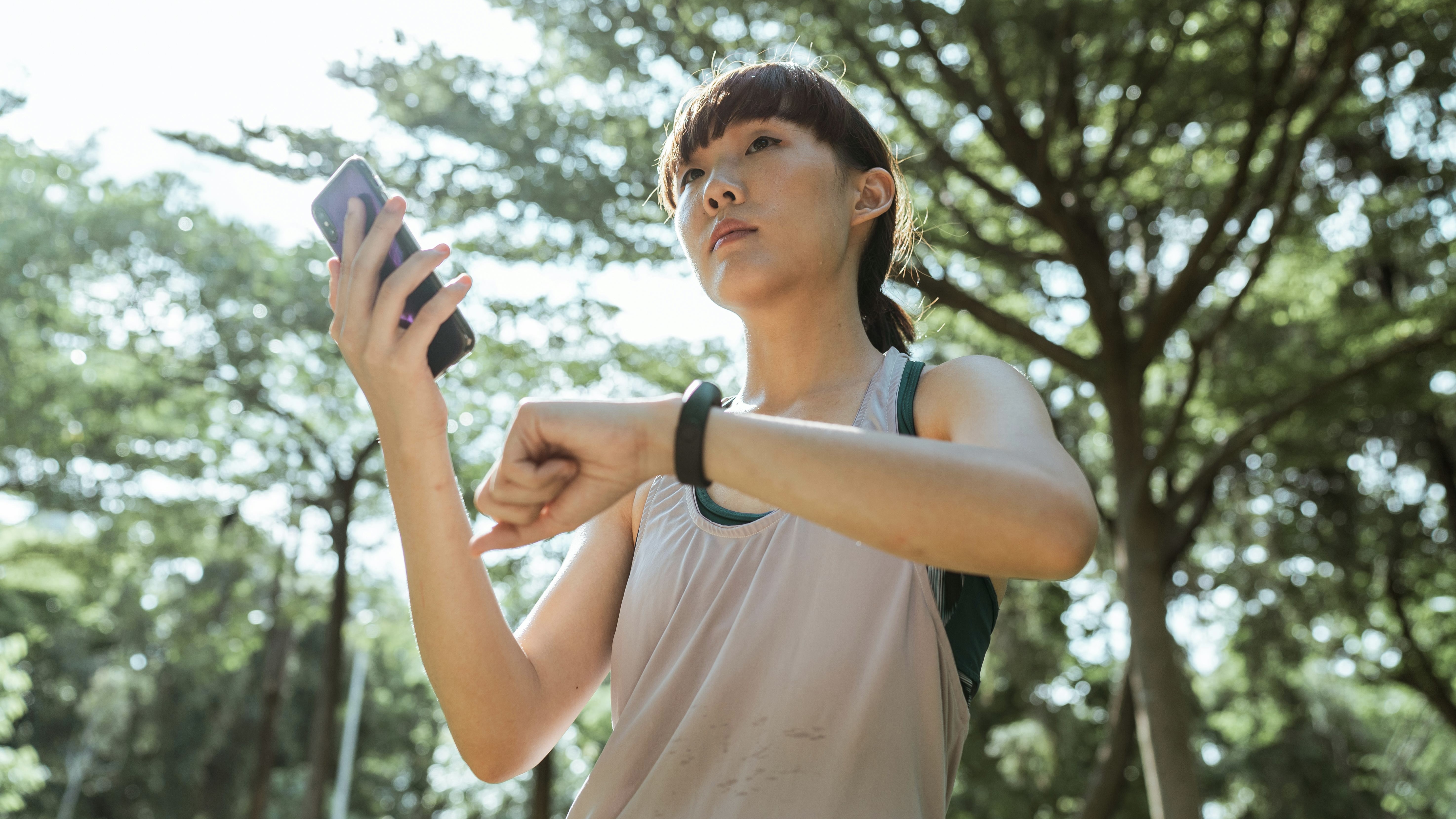
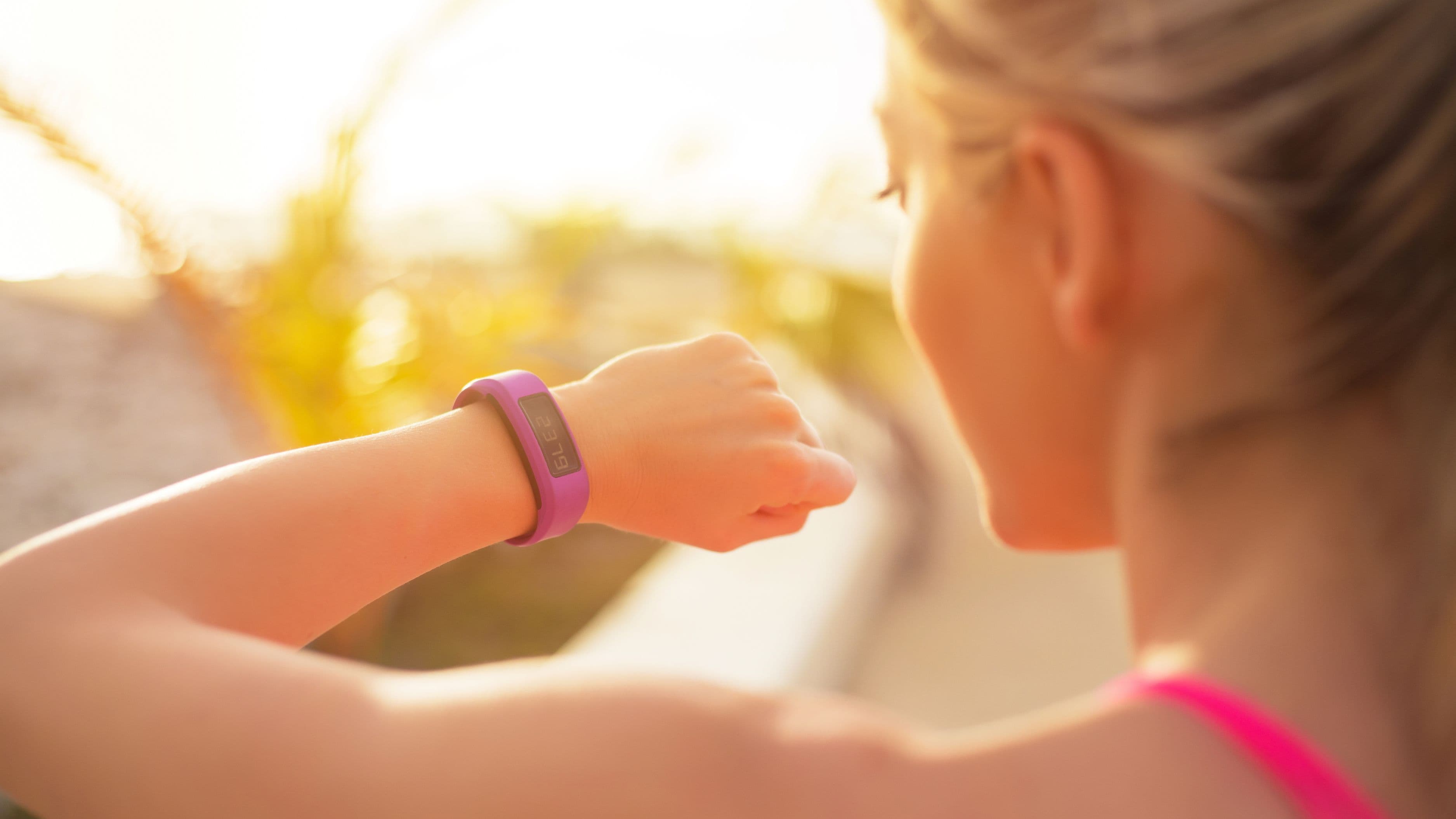
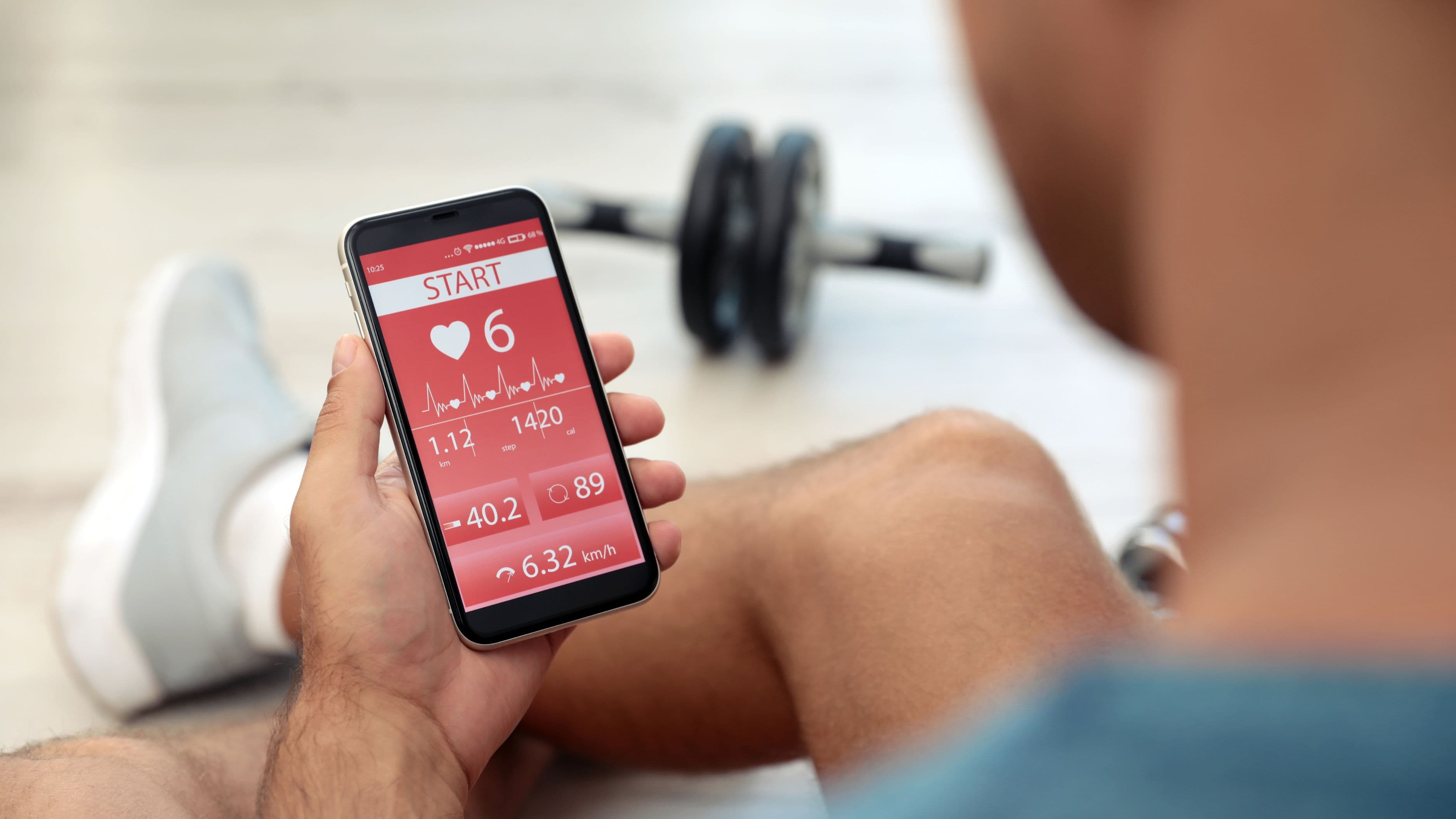
Sleep tracking devices, whether a ring, a watch, or a mattress sensor, are generally good at identifying broad patterns over time – noticing that you consistently sleep worse on nights you eat late, or that your sleep quality dips during particularly stressful weeks. This kind of pattern recognition can be genuinely useful for building better habits, since it gives you concrete data to connect to how you actually feel the next day.
Where these devices are considerably less reliable is in precise sleep stage detection (deep sleep, REM, light sleep). Most consumer trackers estimate these stages using movement and heart rate patterns rather than the more rigorous measurements used in clinical sleep studies, which means the specific numbers on your sleep app should be treated as a rough estimate rather than a precise clinical measurement.
Realistic expectation: Useful for noticing patterns and building awareness over weeks, not for treating a single night's specific numbers as a precise diagnosis of your sleep quality.
White Noise and Sound Machines: Genuinely Well-Supported
Unlike some sleep tech, the basic idea behind white noise machines has real, longstanding research support. Consistent background noise can mask disruptive environmental sounds (traffic, a partner's movement, street noise) that would otherwise cause micro-awakenings throughout the night, even if you don't consciously remember waking up.
This is one of the more straightforward, low-tech wins in the sleep tech space – a basic white noise machine or app, used consistently, has a genuinely reasonable evidence base behind it, without requiring an expensive device or ongoing subscription.
Realistic expectation: A meaningful improvement for people whose sleep is disrupted by inconsistent environmental noise, though it does little for someone whose sleep issues stem from stress, screen use, or an irregular schedule instead.
Sunrise Alarm Clocks: Modest but Real Benefit
Sunrise alarm clocks, which gradually brighten a room before your alarm sounds rather than jolting you awake with sudden noise, have some genuine research support for making waking up feel less jarring, particularly during darker months when natural sunrise doesn't align with when you need to get up. The effect is more about how waking up feels than about improving your actual sleep quality overnight.
Realistic expectation: A reasonable, low-risk tool for making mornings feel gentler, especially in winter, though it's not addressing sleep quality itself – just the waking experience.
Smart Mattresses and Temperature-Regulating Bedding: Mixed but Promising
Temperature plays a genuinely significant role in sleep quality, and bedding or mattress technology designed to regulate temperature throughout the night does have a reasonable physiological basis, since core body temperature naturally needs to drop for quality sleep to occur. That said, the premium smart mattress category is considerably more expensive than the evidence clearly justifies for most people, and much of the benefit can be achieved more affordably through simpler temperature-regulating bedding materials or just keeping your bedroom cooler.
Realistic expectation: Temperature regulation genuinely matters for sleep, but you don't necessarily need the most expensive smart mattress on the market to get most of that benefit.
Sleep Apps and Sound-Based Sleep Aids: Depends Heavily on the Specific App
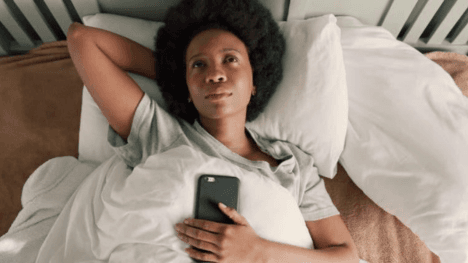
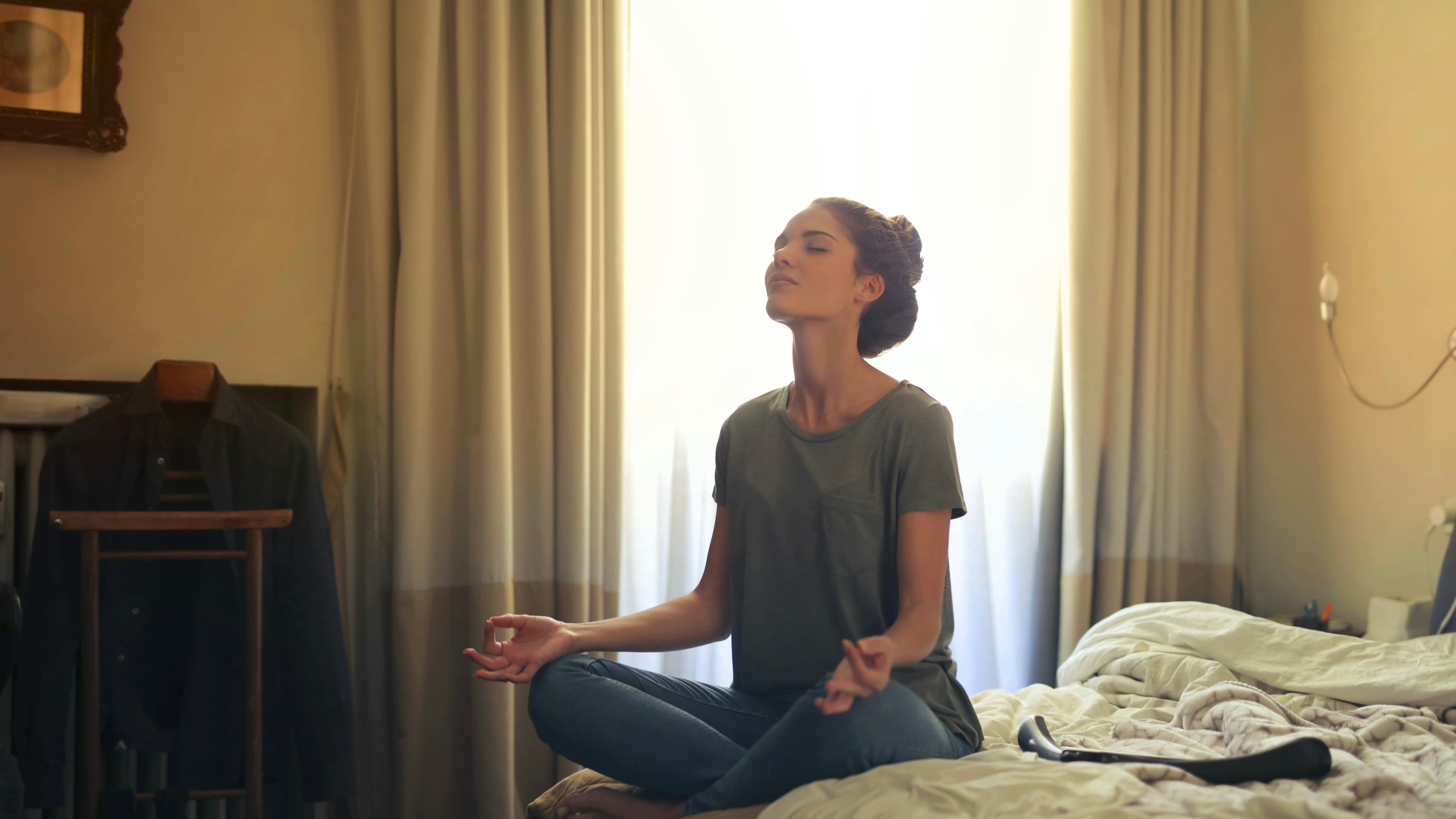
This category is the most mixed. Apps offering guided sleep meditations or calming soundscapes can genuinely help some people wind down, particularly those whose sleep struggles are tied to racing thoughts or difficulty relaxing before bed. However, apps that heavily emphasize gamified sleep scores or elaborate sleep "optimization" programs can sometimes backfire, creating anxiety about achieving a good score that ironically interferes with actually falling asleep, a pattern researchers have started referring to as orthosomnia.
Realistic expectation: Calming, wind-down focused apps can genuinely help; heavily gamified tracking apps carry a real risk of adding anxiety rather than reducing it, depending on your personality and relationship with tracked data.
Where Technology Generally Falls Short
No sleep technology can substitute for the fundamentals that overwhelmingly drive sleep quality: a consistent sleep schedule, limiting screen exposure and bright light in the hour before bed, moderating caffeine and alcohol intake, and managing stress. Devices and apps work best as supports around these fundamentals, not replacements for them, and it's worth being skeptical of any product marketed as a shortcut around basic sleep hygiene.
What to Avoid
Avoid spending significant money on premium sleep tech before addressing basic sleep hygiene fundamentals first. A consistent bedtime and reduced screen use before bed will very likely move the needle more than any device, and it costs nothing.
Also avoid becoming so focused on your sleep tracking data that checking your score becomes a source of anxiety itself. If you notice this happening, it's a legitimate sign to step back from the tracking, at least temporarily.
Realistic Expectations Overall
Sleep technology, used thoughtfully, can genuinely support better sleep – white noise machines and gentle wake-up tools have solid evidence behind them, and trackers can build useful long-term awareness. But none of it replaces the unglamorous basics: consistency, light exposure management, and stress reduction. Think of sleep tech as a support system layered on top of good habits, not a shortcut that replaces them.
FAQ
Is it worth buying an expensive sleep tracking ring or watch? It can be useful for building awareness of your patterns over time, though the precise sleep stage data should be treated as a rough estimate rather than a clinical measurement.
Do white noise machines actually work, or is it placebo? There's genuine research support for consistent background noise reducing disruptive awakenings caused by environmental noise, making this one of the more evidence-backed pieces of affordable sleep tech.
Can tracking my sleep make it worse? For some people, yes – anxiety about achieving a good sleep score can interfere with actually falling asleep. If you notice this pattern, stepping back from tracking, at least temporarily, is a reasonable response.
Bottom Line
Some sleep technology genuinely helps – white noise machines and gentle wake-up tools in particular have solid support behind them – while other categories, like precise sleep stage tracking or premium smart mattresses, offer more modest or uncertain benefit relative to their cost and hype. The most reliable path to better sleep still runs through consistent basics: a regular schedule, less screen time before bed, and lower stress. Technology works best as a support for those habits, not a replacement for them.
📚 Sources
Sleep Foundation – Do Sleep Trackers Actually Work?. sleepfoundation.org
National Institutes of Health – Sleep Hygiene and Environmental Factors. nih.gov
Sleep Foundation – Orthosomnia: When Sleep Tracking Backfires. sleepfoundation.org