Why Most Meal Plans Fall Apart Within Weeks
The typical failure pattern isn't lack of willpower, it's a plan that was never realistic to begin with. Overly ambitious meal prep schedules, unfamiliar recipes with long ingredient lists, or plans that ignore your actual schedule and cooking energy levels all set you up to abandon the system within a couple weeks, then feel like you personally failed rather than recognizing the plan itself was the problem.
A sustainable approach starts smaller and more flexible than most meal planning content suggests, which feels less impressive on day one but holds up far better over months.
Step 1: Build Around a Rotating Core, Not New Recipes Every Week
Pick five to seven meals you genuinely enjoy and can cook without much mental effort, then rotate through them regularly rather than planning entirely new meals every single week. This dramatically reduces the planning and decision fatigue that derails most meal plans, and it means your grocery list stays largely consistent, which itself helps control costs since you're buying the same base ingredients regularly rather than constantly purchasing new specialty items for one-off recipes.
Add one new recipe every couple of weeks if you enjoy variety, rather than trying to reinvent your entire meal rotation constantly. This keeps things interesting without recreating the planning burden that made previous attempts unsustainable.
Step 2: Build Meals Around Affordable, Versatile Staples
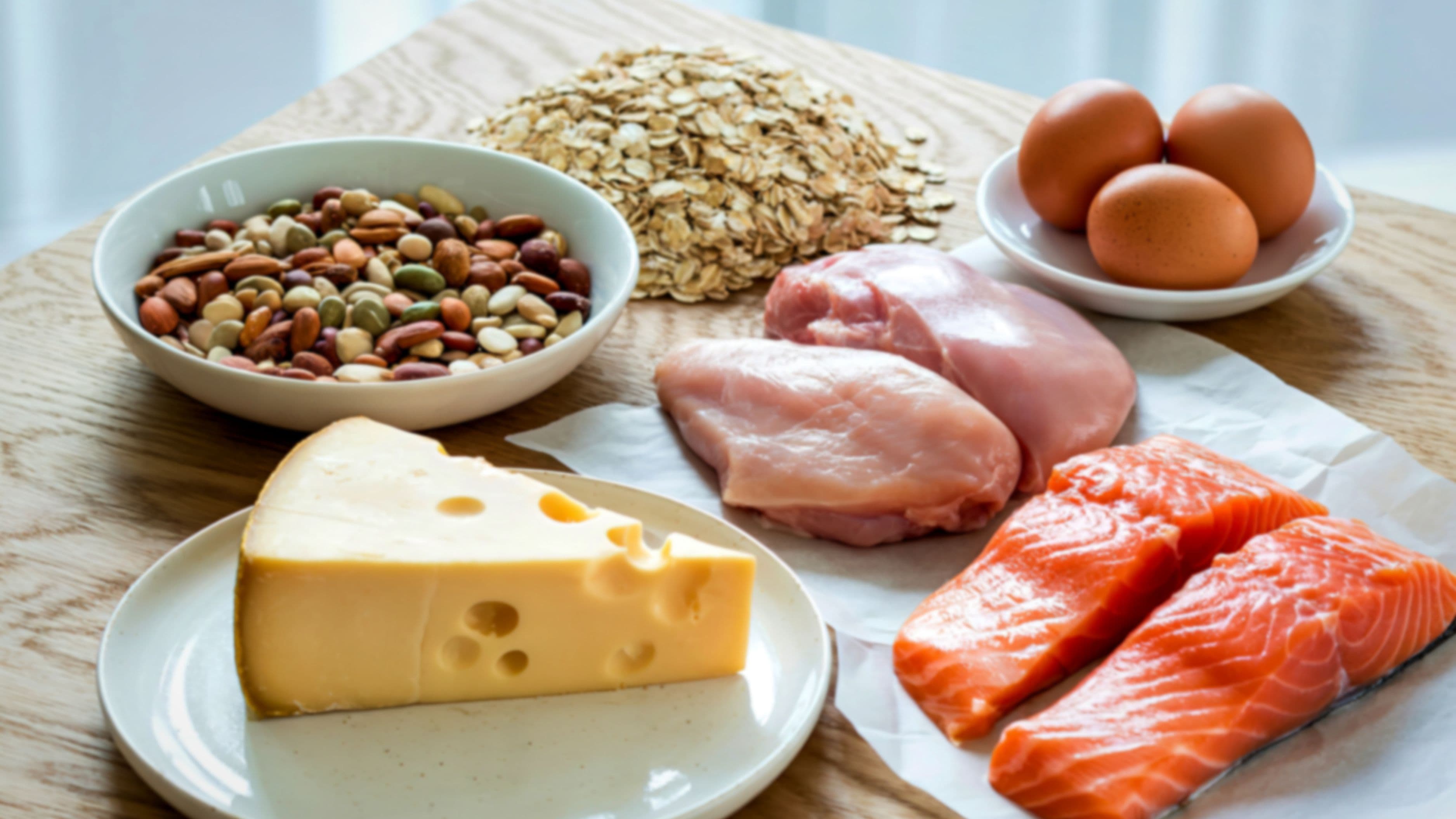
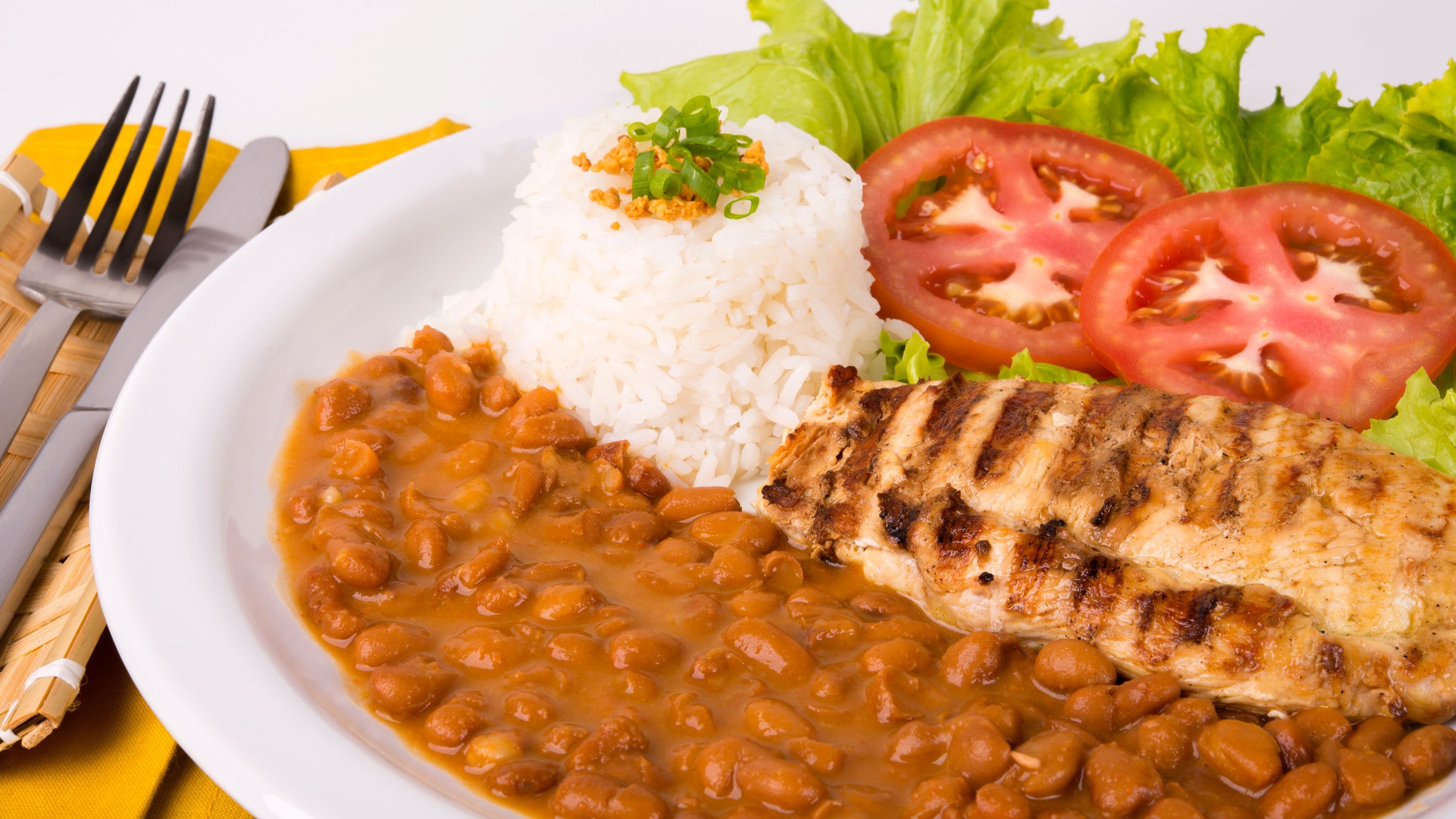
Rice, beans, lentils, eggs, seasonal vegetables, and affordable protein sources like chicken thighs or canned fish form a genuinely versatile, budget-friendly foundation that can be combined in dozens of different ways without repeating the exact same meal constantly. These staples also tend to have solid nutritional value and reasonable shelf stability, which matters for reducing food waste from ingredients that spoil before you use them.
Building your rotation around these staples first, then adding whatever's genuinely on sale or in season for variety, keeps your grocery bill predictable and low without requiring an entirely separate "budget meal" mentality that feels different from how you'd normally want to eat.
Step 3: Plan Your Grocery List Around What You're Actually Cooking
This sounds obvious, but a huge amount of grocery overspending comes from buying ingredients that don't map to an actual planned meal, then either wasting them or improvising something less satisfying than intended. Write your list directly from your planned meals for the week, checking what you already have on hand first, rather than shopping generally and hoping the ingredients come together into meals later.
Step 4: Batch Cook Strategically, Not Exhaustively
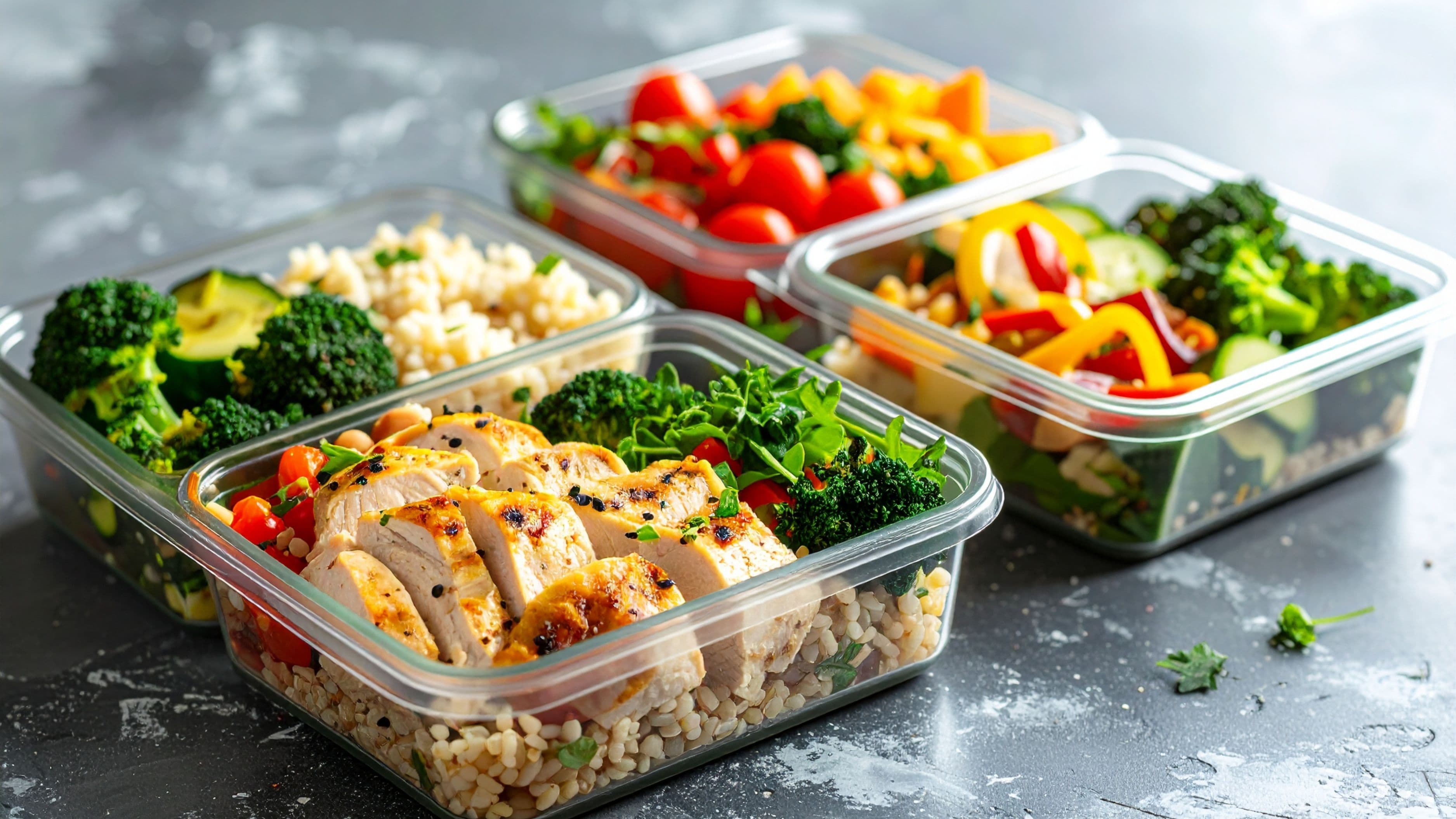
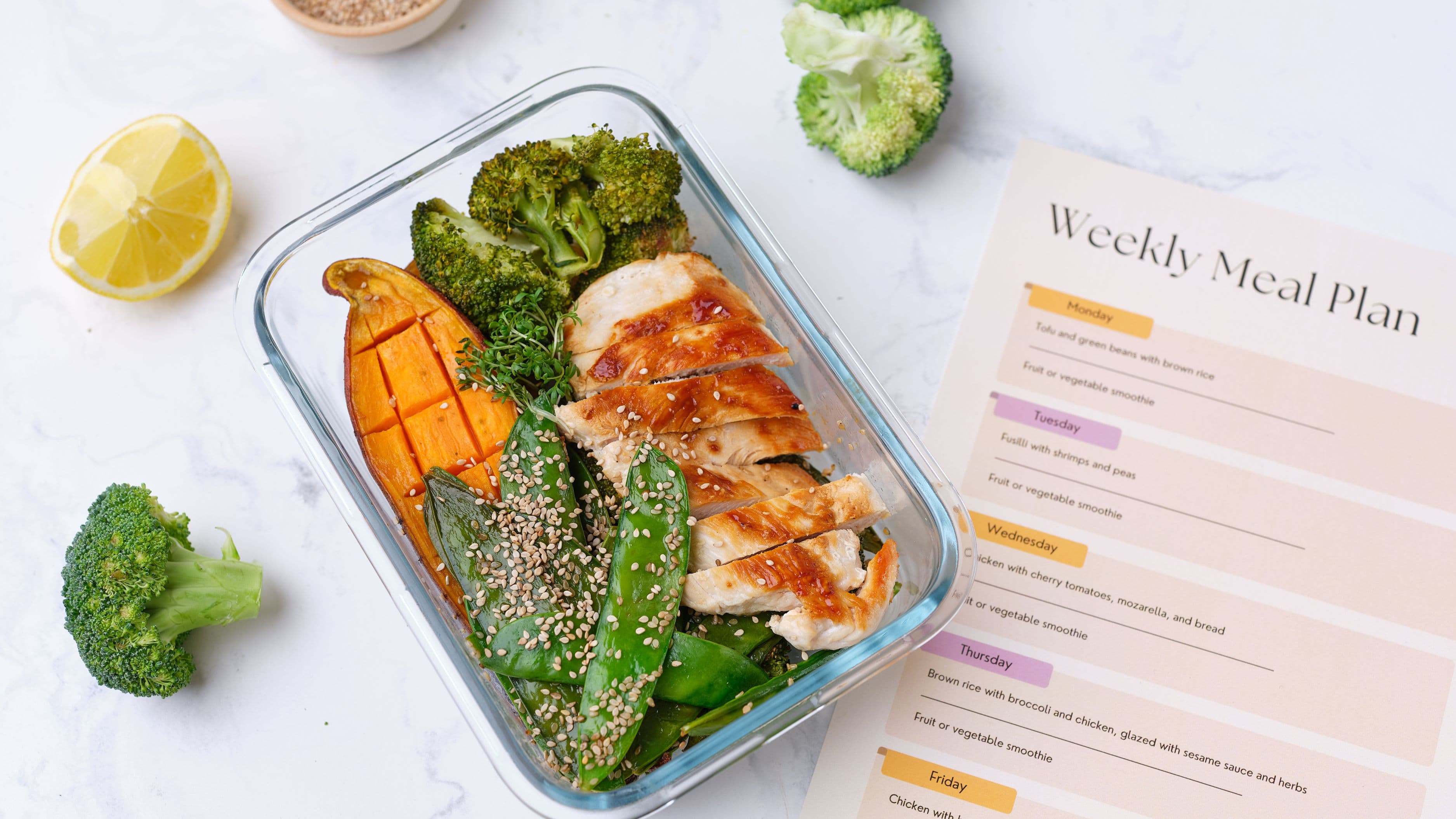
Full weekend meal prep sessions work well for some people and completely burn others out within a month. A more sustainable middle ground: batch cook one or two components, a pot of rice, a tray of roasted vegetables, a batch of cooked beans, that can be mixed and matched across several meals through the week, rather than fully prepping every single meal in advance.
This reduces daily cooking time without requiring the multi-hour weekend commitment that makes strict meal prep unsustainable for a lot of people juggling other responsibilities.
Step 5: Build In Flexibility for Off Days
A meal plan that assumes perfect adherence every single day sets you up for an all-or-nothing collapse the first time life gets in the way. Keep one or two genuinely low-effort backup options, frozen vegetables and eggs, a can of beans and rice, always stocked for days when cooking the planned meal just isn't happening. This flexibility is what actually makes a plan sustainable rather than something you abandon entirely after the first disrupted week.
What to Avoid
Don't build your plan entirely around recipes you've never made before. Unfamiliar recipes take longer to cook and carry a higher failure risk, both of which undermine the consistency a sustainable plan depends on.
Don't ignore your actual schedule when planning. A meal that takes 45 minutes of active cooking doesn't belong on a weeknight if you're consistently getting home late and exhausted; save more involved meals for when your schedule and energy actually support them.
Don't chase perfect nutritional optimization at the expense of sustainability. A good-enough plan you actually follow consistently produces better real-world results than a nutritionally perfect plan you abandon after two weeks.
Realistic Expectations
Expect the first couple of weeks to feel like you're still figuring out your specific rotation and rhythm. A sustainable meal plan usually takes a few iterations to settle into something that genuinely fits your schedule, taste, and budget, rather than working perfectly on the first attempt. Progress here looks like still following some version of your plan a month in, not perfect adherence from day one.
FAQ
How many different meals do I actually need in my rotation to avoid boredom? Most people find five to seven meals in rotation, refreshed with an occasional new addition, keeps things interesting without excessive planning burden.
Is meal prepping every single meal necessary for this to work? No. Batch cooking a few flexible components that mix into different meals through the week is generally more sustainable than fully prepping every individual meal in advance.
What's a reasonable weekly grocery budget for this approach? This varies significantly by location, household size, and specific staples chosen, so it's more useful to track your actual spending over a few weeks and adjust your rotation toward more affordable staples if costs run higher than you'd like.
📚 Sources
Budget-friendly meal planning guidance – https://www.myplate.gov/eat-healthy/healthy-eating-budget
USDA food cost data – https://www.usda.gov/media/blog