1. A Dedicated Entry Landing Zone
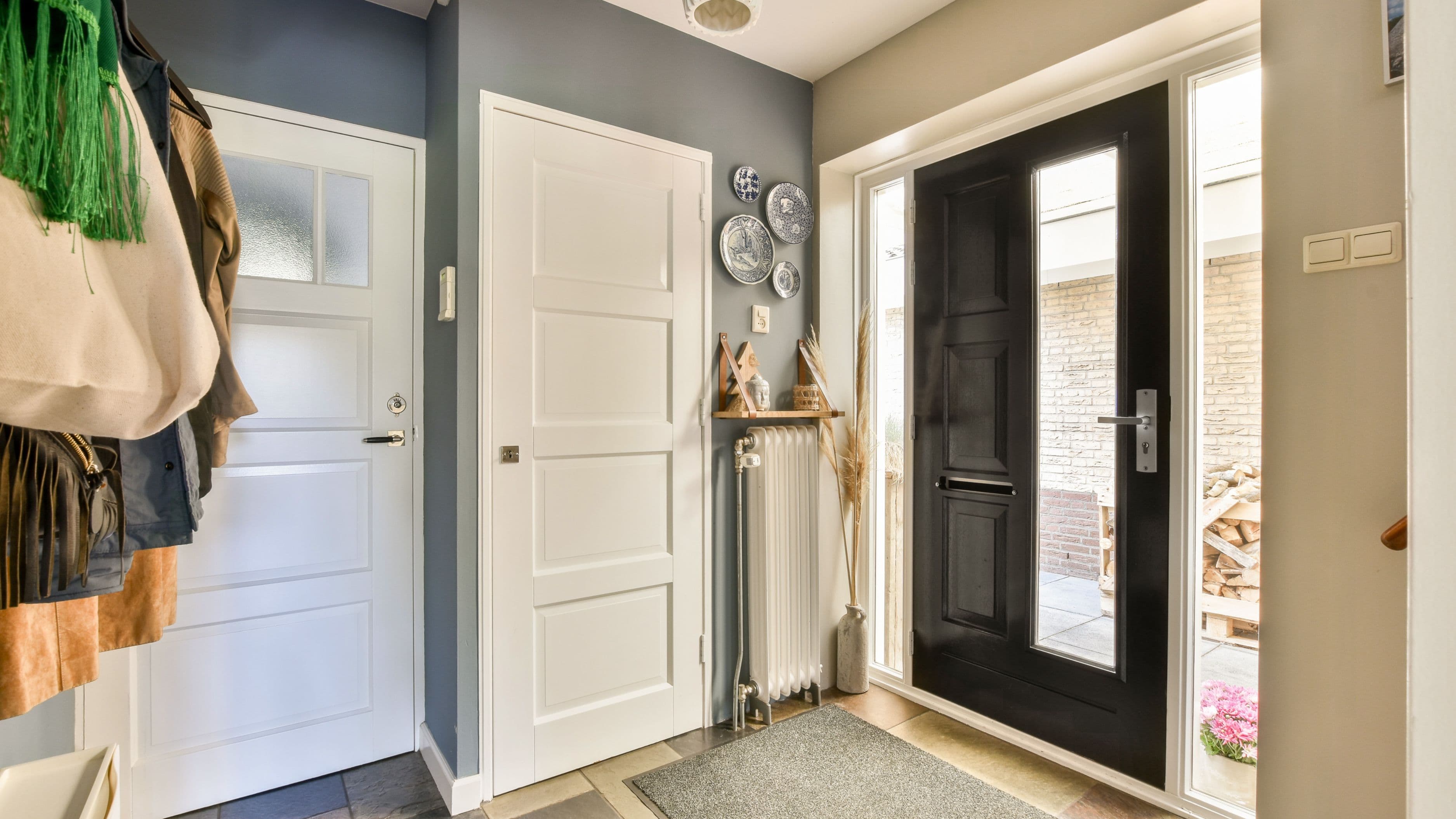
The area just inside your front door tends to become a natural dumping ground for keys, mail, bags, and whatever you're carrying when you walk in, and without a specific designated spot for these items, they spread across counters and tables throughout your home. A simple tray or small basket for keys, a designated hook for bags, and a shallow bin for incoming mail gives everything an obvious home the moment you walk in, preventing this daily influx from scattering throughout the rest of your space.
Why it matters for daily stress: having one consistent spot for these items means you're not searching for your keys or wading through mail piles scattered across multiple surfaces, which removes a small but real daily friction point most people don't realize is adding up.
Realistic effort: this can be set up in under an hour with items you likely already own, or with a modest, inexpensive purchase if you need a specific tray or hooks.
2. Vertical Storage in Small Rooms
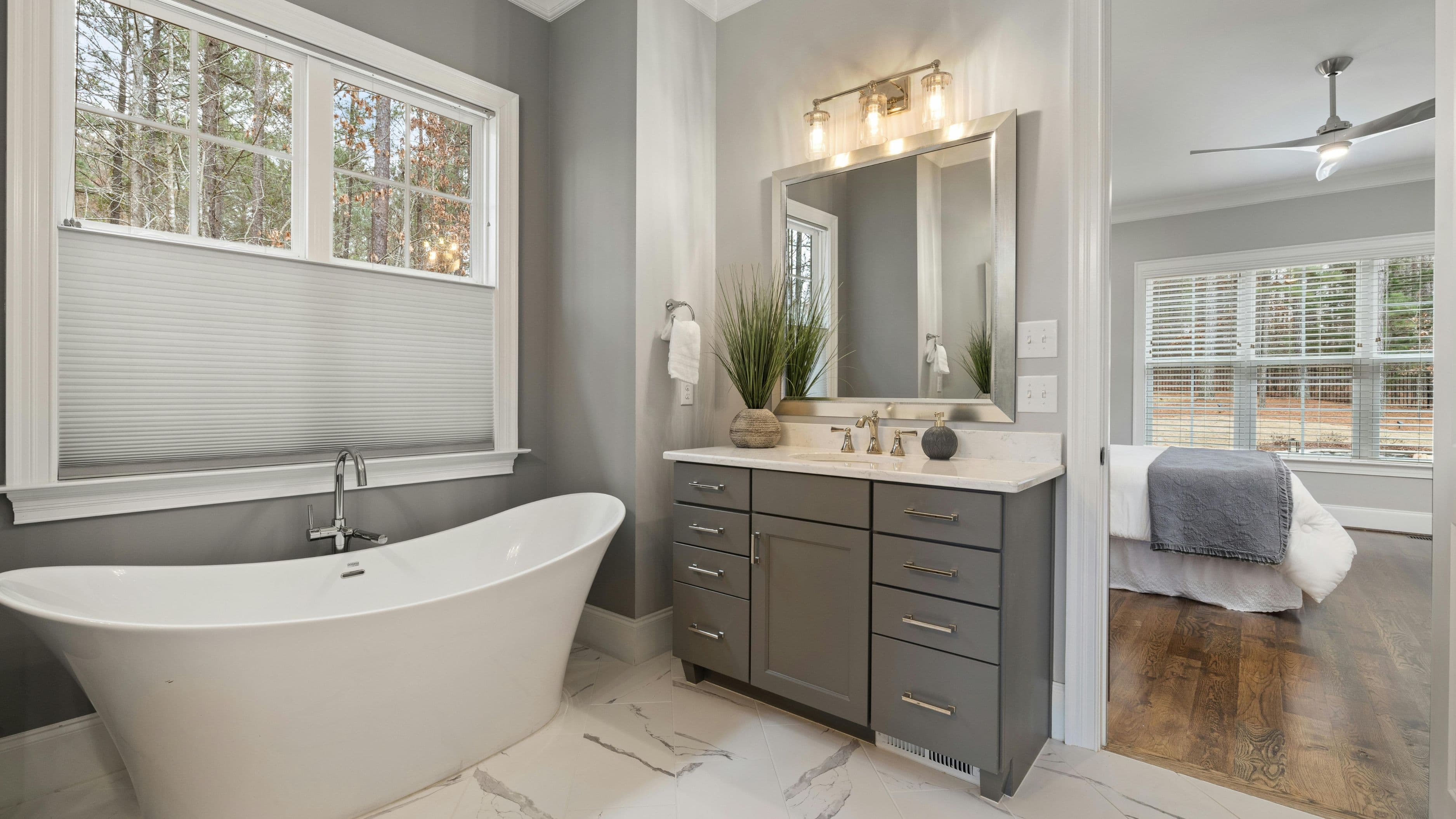
Small rooms – bathrooms, entryways, home offices – often feel cluttered simply because floor and counter space runs out quickly, even when the actual volume of items isn't excessive. Adding vertical storage, like wall-mounted shelves or an over-the-door organizer, shifts items upward and off crowded surfaces, immediately making a small room feel more open and organized without requiring you to actually own fewer things.
Why it matters for daily stress: a visually calmer, less crowded room reduces the low-grade overstimulation that comes from constantly seeing cluttered surfaces, even in rooms you only pass through briefly each day.
Realistic effort: a single weekend afternoon for installation, with cost varying based on the specific shelving or organizer chosen, generally landing in a modest, accessible price range.
3. Drawer Dividers for Frequently Used Spaces
Kitchen drawers, bathroom vanity drawers, and desk drawers tend to become chaotic junk drawers surprisingly fast, and the daily frustration of digging through a disorganized drawer for a specific item adds up as a recurring, avoidable stressor. Simple drawer dividers, whether purchased or improvised from small boxes you already have, create defined sections that keep similar items grouped together and genuinely easier to find.
Why it matters for daily stress: the small, repeated frustration of searching through a chaotic drawer multiple times a day is exactly the kind of minor friction that compounds into a bigger sense of daily disorganization, even though each individual instance feels small on its own.
Realistic effort: this is a genuinely quick project, often completable in fifteen to thirty minutes per drawer, making it one of the most efficient storage fixes for the actual time invested.
4. Closed Storage for Visual Clutter You Don't Need to See Daily
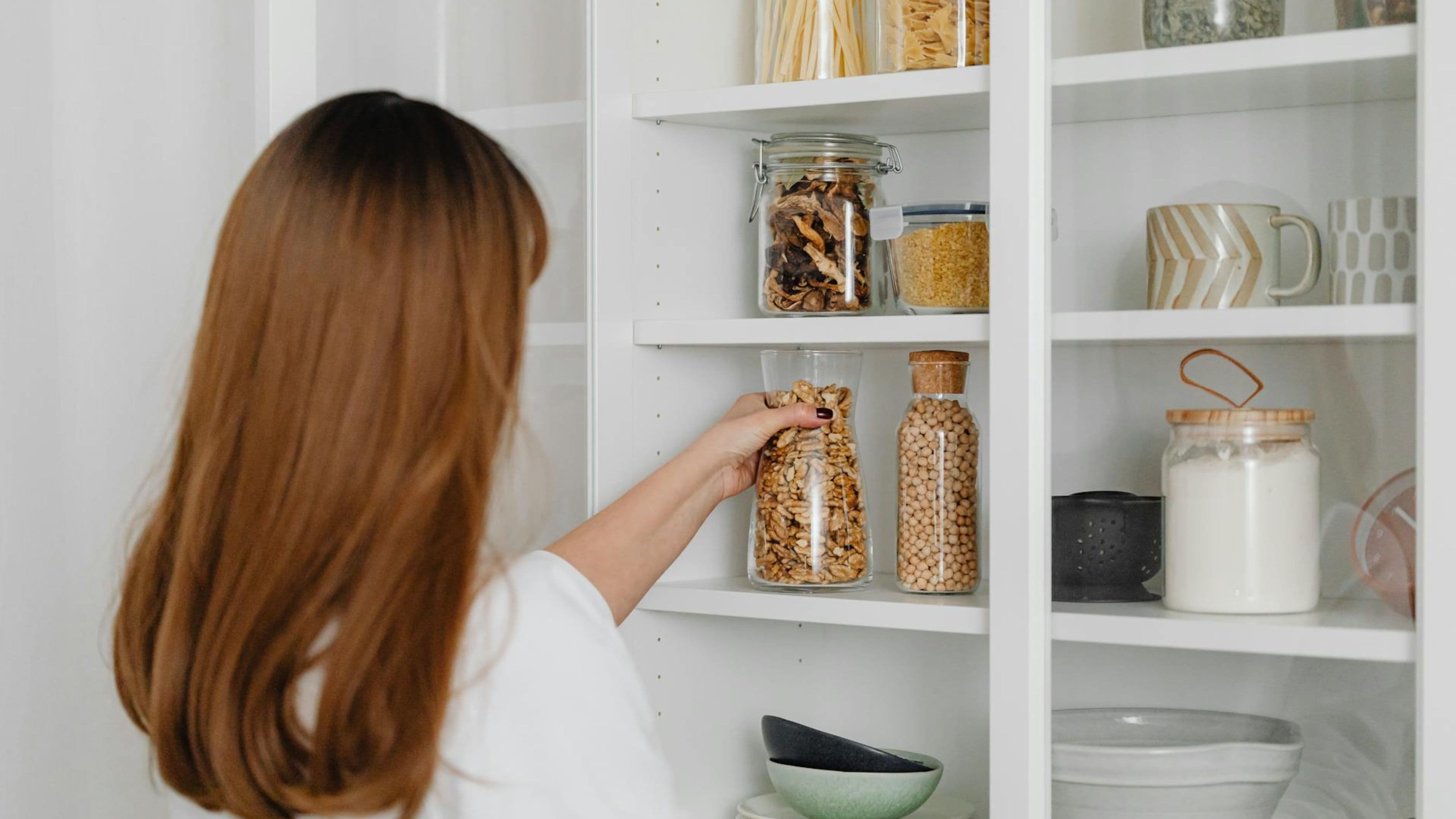
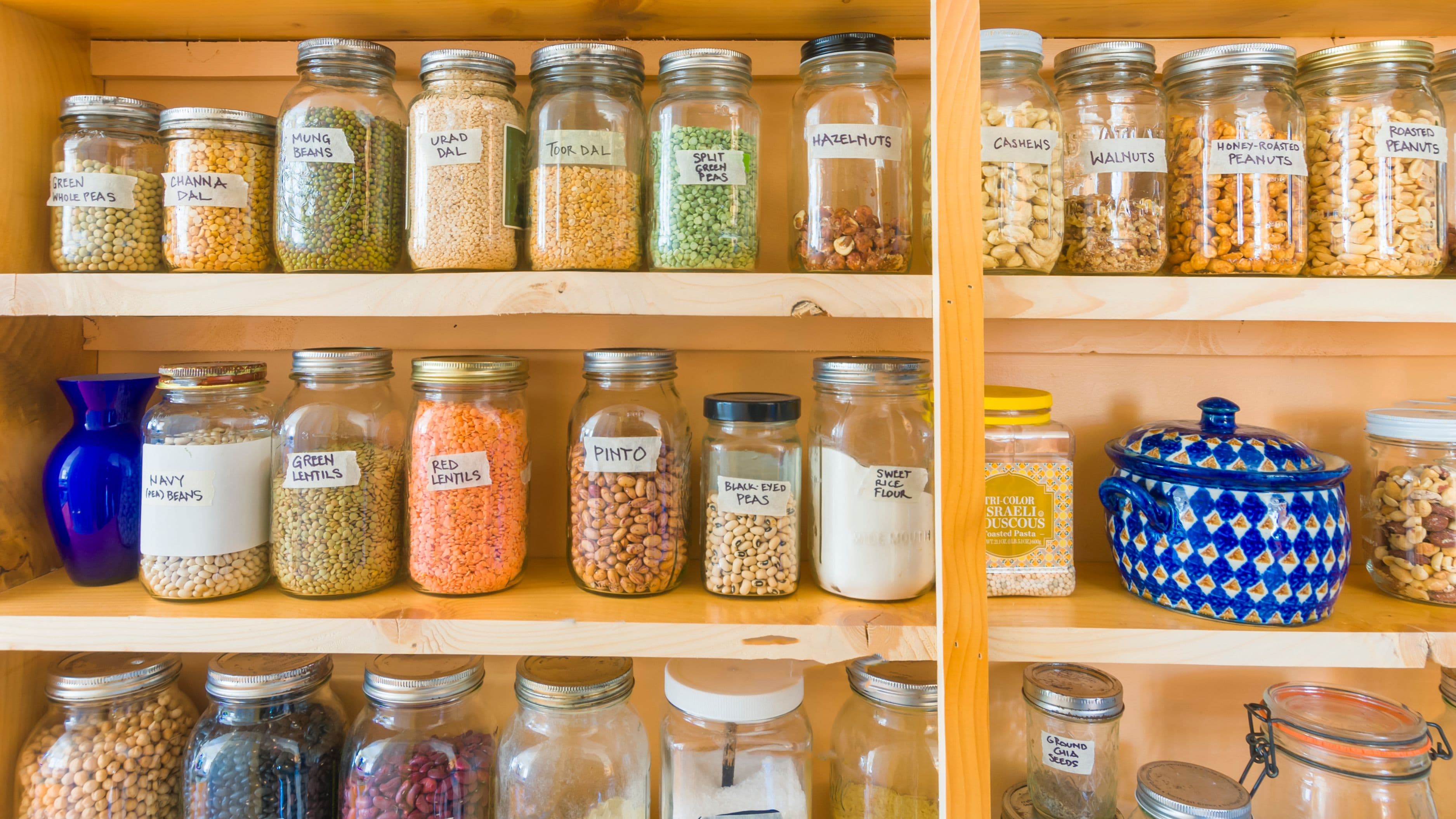
Open shelving looks appealing in photos, but in daily life it means everything stored there is visually present all the time, contributing to a sense of visual clutter even when the items themselves are perfectly organized. Swapping some open storage for closed bins, baskets, or cabinet doors, particularly for items you don't need to access daily, reduces how much visual "noise" your brain processes simply walking through a room.
Why it matters for daily stress: research on visual clutter consistently links a visually busy environment to increased feelings of overwhelm, even when the underlying organization is technically sound – closed storage addresses this visual layer directly, independent of how well-organized the contents already are.
Realistic effort: this can be implemented gradually, room by room, using either purchased bins or repurposed containers you already have, making it flexible to whatever budget and timeline works for you.
5. A Designated "Not Sure Yet" Bin
One of the biggest reasons decluttering efforts stall is the friction of deciding immediately whether to keep, donate, or discard every single item you encounter. A designated, clearly labeled bin for items you're not yet certain about lets you keep moving through a decluttering process without getting stuck on every uncertain decision, with a plan to revisit that bin after a set period, like a month, to make a final call once the initial uncertainty has settled.
Why it matters for daily stress: this removes the paralysis that often stalls decluttering efforts entirely, letting you make faster overall progress instead of getting stuck deliberating over every single ambiguous item.
Realistic effort: setting this up takes only a few minutes, though the real value comes from actually revisiting the bin on your set schedule rather than letting it become a permanent, growing pile itself.
Realistic Expectations
None of these five solutions will completely eliminate clutter overnight, and that's a genuinely reasonable expectation to have – the goal is steady, cumulative reduction in both physical mess and the mental friction it creates, built through small, consistent systems rather than one dramatic overhaul. Most people notice a real difference in daily stress within the first couple of weeks of implementing even two or three of these solutions consistently.
Common Mistakes to Avoid
Trying to implement all five solutions simultaneously across your entire home often leads to an overwhelming, half-finished project – picking the one or two areas causing you the most daily frustration and starting there tends to produce better follow-through than attempting everything at once. Also avoid buying elaborate storage solutions before confirming a simpler, existing option might work just as well, since an overly ambitious storage system can become its own source of clutter if it's more complicated to maintain than the problem it was meant to solve.
FAQ
Which of these five storage solutions should I start with first? Start with whichever area currently causes you the most daily frustration – for many people, this is the entry landing zone or a chaotic kitchen drawer, since these tend to be touched multiple times a day.
Do I need to buy new storage products for any of this to work? Not necessarily – many of these solutions can be implemented with containers, boxes, or shelving you already own, particularly as a starting point before investing in anything new.
How long until decluttered spaces actually start feeling less stressful? Many people notice a difference within the first one to two weeks, though the fuller cumulative benefit builds gradually as these systems become a consistent, maintained habit rather than a one-time project.
Reducing daily clutter-related stress doesn't require a dramatic home overhaul – targeted storage solutions in the specific spots causing you the most daily friction can meaningfully shift how your home feels to live in, built gradually rather than all at once.
📚 Sources
Princeton University: How Clutter Affects Focus and Stress – https://www.princeton.edu/news
National Association of Productivity and Organizing Professionals: Home Organization Basics – https://www.napo.net/
Harvard Health Publishing: The Psychological Effects of Clutter – https://www.health.harvard.edu/