Most of us know spending time outside improves mood and energy, but knowing that doesn't automatically translate into actually going out there after a long day. The difference between an outdoor space you use regularly and one that just sits there often comes down to small, deliberate design choices that remove friction and make stepping outside the easier, more natural option, rather than something requiring extra motivation.
Start With What's Stopping You Right Now
Before changing anything, spend a few minutes honestly identifying what currently keeps you from using your outdoor space more often. Is it uncomfortable seating, a lack of shade during hot afternoons, no clear purpose for the space beyond sitting, or simply that it's not visible or convenient from where you spend most of your time indoors? Identifying the specific friction point matters more than jumping straight into general improvements, since the right fix depends entirely on what's actually holding you back.
This step alone often reveals that the barrier isn't lack of interest in being outside, it's a specific, fixable obstacle standing in the way.
Make the Transition From Indoors to Outdoors Effortless
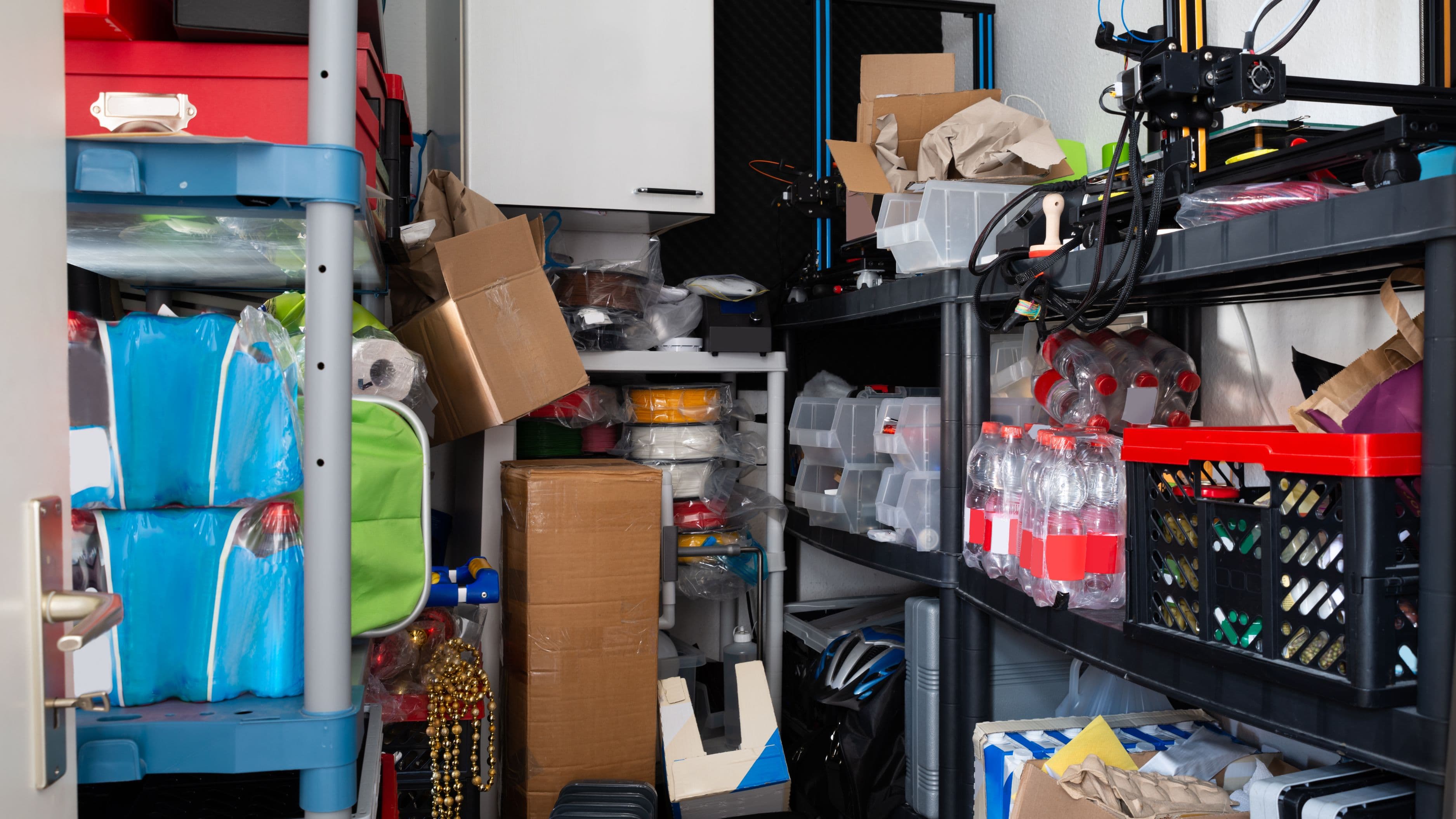
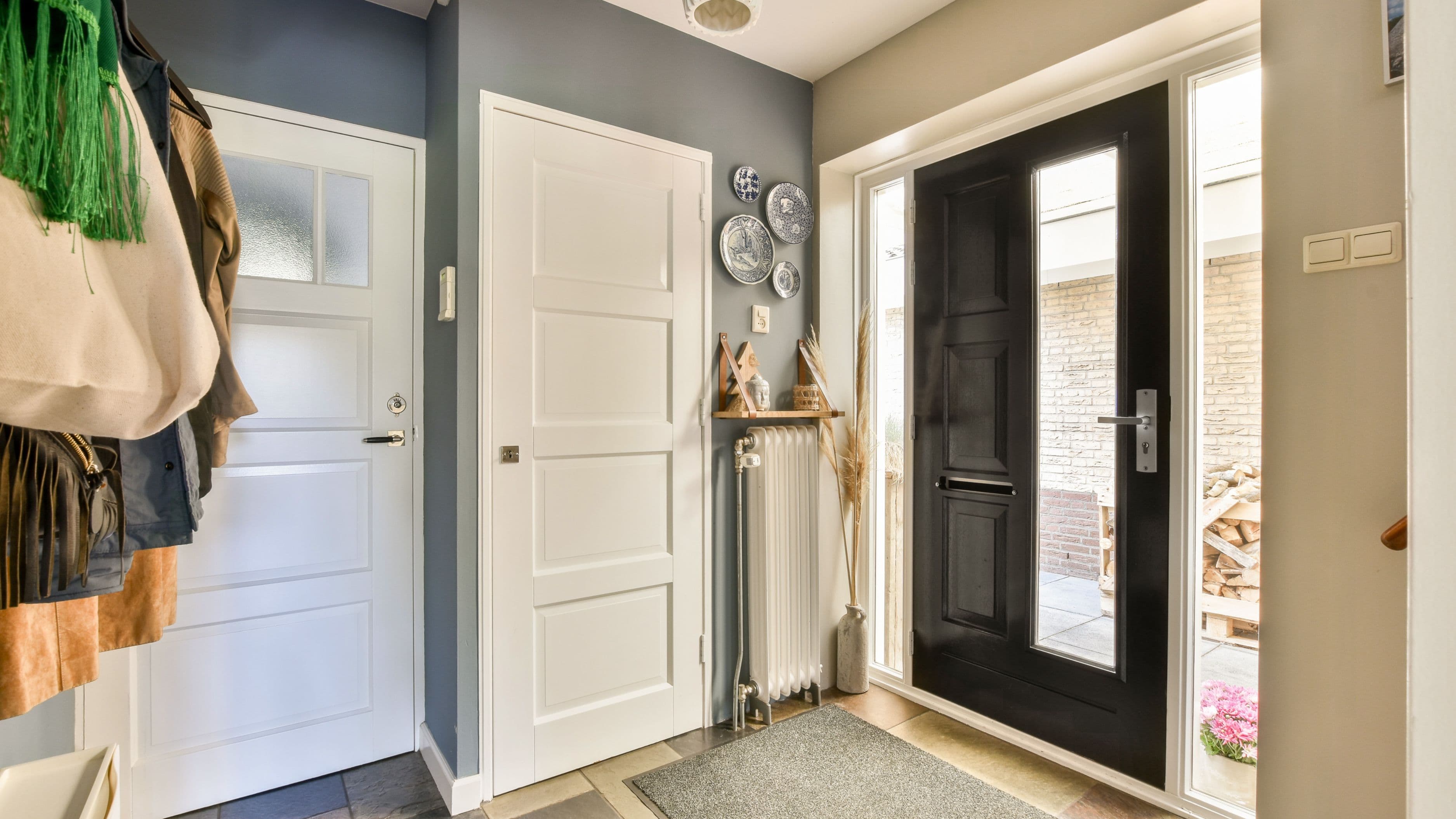
One of the most overlooked factors in whether people actually use an outdoor space is how easy the physical transition is. If getting outside requires unlocking a rarely used door, moving through a cluttered garage, or navigating uneven, awkward steps, that friction adds up and quietly discourages spontaneous use, even when you have every intention of spending more time outside. Clearing pathways, ensuring doors open easily, and keeping the transition zone tidy and inviting removes a surprising amount of resistance to just walking out.
If your main outdoor access point isn't the one you use daily, consider whether a secondary, more convenient access point, even something as simple as keeping a specific door unlocked during the day, could make outdoor time feel like a two-second decision rather than a small production.
Comfort Is Non-Negotiable
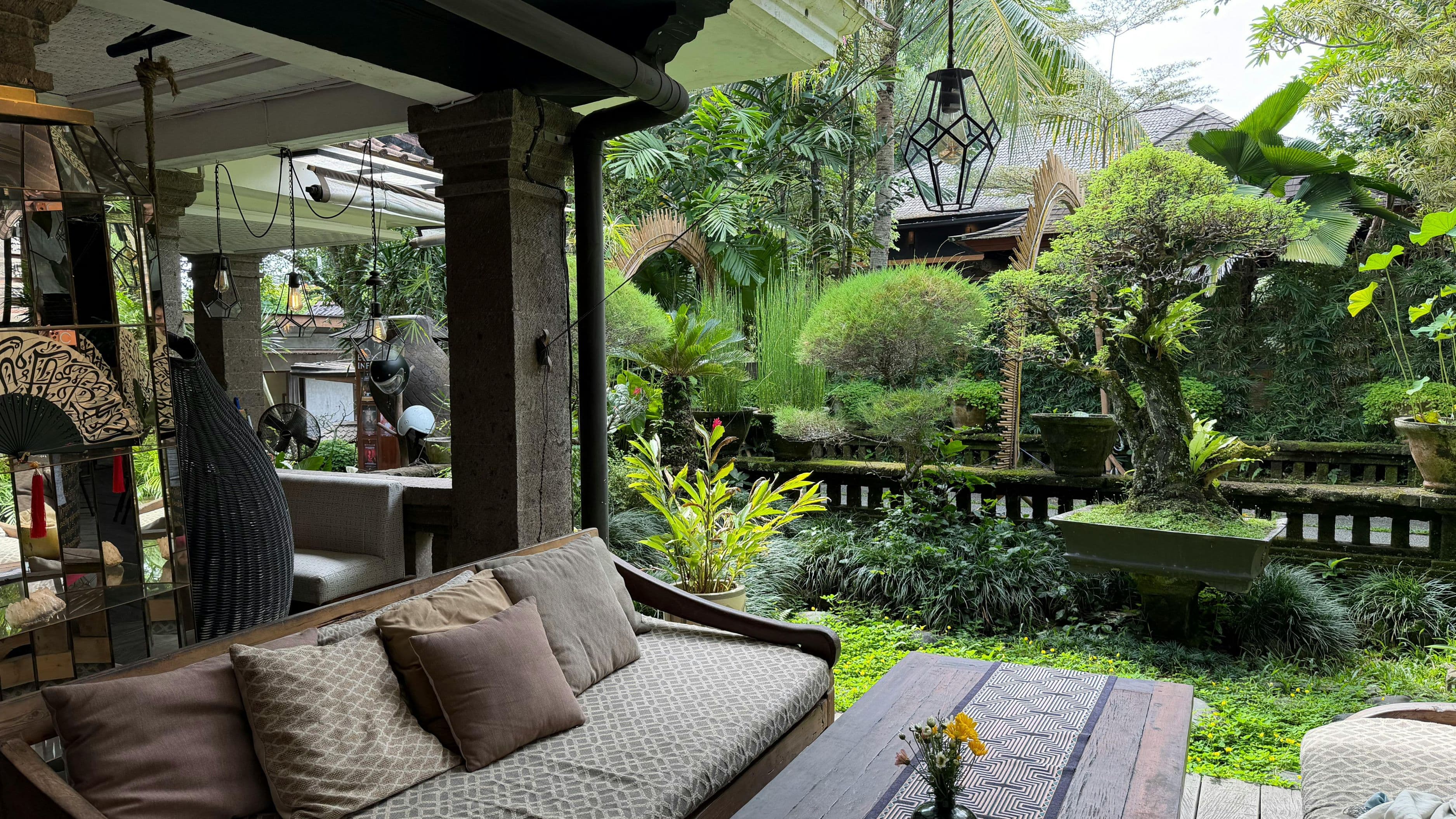
An outdoor space with genuinely uncomfortable seating rarely gets used regularly, no matter how nice it looks. Prioritize actual physical comfort over purely aesthetic furniture choices, cushioned seating, appropriate shade during the hours you're most likely to be outside, and protection from wind or direct sun all matter more than a perfectly curated look. If budget is limited, invest first in comfort basics, a genuinely comfortable chair or two, before spending on decorative elements.
Temperature comfort matters just as much as seating comfort. If your space gets uncomfortably hot in the afternoon or too exposed to wind in the evening, address that directly with shade solutions like an umbrella, pergola, or strategically placed outdoor curtains, rather than assuming you'll simply push through the discomfort to enjoy being outside.
Give the Space a Clear Purpose
Outdoor areas without a defined use tend to get overlooked in daily routines, since there's no natural moment that draws you outside. Consider what specific activity you'd actually enjoy doing outside regularly, morning coffee, reading, a specific exercise routine, tending a small garden, or simply working on a laptop for part of the day, and set up the space specifically to support that activity. A small side table for a coffee cup, a shaded reading nook, or a stable surface for a laptop all give the space a functional reason to be used daily, rather than existing only for occasional weekend lounging.
Bring a Reason to Look Forward to It
Small additions that create genuine anticipation can meaningfully increase how often you actually use an outdoor space. String lights or a simple outdoor lamp extend usability into the evening hours. A small speaker for music, a specific plant you enjoy tending, or even a designated "no phone" reading chair can turn the space into something you associate with a specific, enjoyable ritual rather than just an extension of the yard.
Address Seasonal and Weather Barriers Honestly
If your outdoor space becomes unusable for several months a year due to weather, decide honestly whether that's an acceptable trade-off or whether a modest investment, a retractable awning, outdoor heaters for cooler months, or a simple wind break, would meaningfully extend your usable season. It's not necessary to make a space usable year-round in every climate, but understanding your specific seasonal limitations helps you plan realistic expectations rather than feeling like the space has failed if it naturally sees less use during certain months.
Realistic Expectations
Building genuine daily habit around using an outdoor space typically takes a few weeks of intentional effort before it becomes automatic. Start by choosing one specific, small ritual, morning coffee outside, for example, and commit to it consistently for two to three weeks rather than expecting the entire space's redesign to instantly create a new habit. Small, consistent use tends to build into a genuine daily pattern more reliably than expecting a single perfect setup to solve the motivation problem overnight.
What to Avoid
Avoid over-investing in decorative elements before addressing basic comfort and access friction, since a beautifully decorated space that's still physically uncomfortable or inconvenient to reach won't get used regardless of how it looks. Also avoid designing the space around an idealized, Pinterest-style vision that doesn't actually match how you personally like to spend time, if you don't enjoy elaborate gardening, don't build the space around extensive planting maintenance you'll resent keeping up with.
Resist the urge to add everything at once. Making one or two meaningful changes, then observing whether they actually increase your outdoor time before adding more, tends to produce a space that genuinely fits your habits rather than one that looks complete but doesn't match how you actually use it.
FAQ
What's the single most impactful change I can make to use my outdoor space more? For most people, addressing basic seating comfort and shade makes the biggest immediate difference, since discomfort is one of the most common reasons an otherwise appealing space goes unused.
Do I need a large budget to make meaningful improvements? No. Small changes like clearing a cluttered pathway, adding a comfortable cushion, or setting up a simple morning coffee station often have more impact on actual daily use than larger, more expensive renovations.
How long does it take to build a habit of using an outdoor space regularly? Most people notice a new habit starting to feel automatic after two to three weeks of consistent, intentional use, particularly when tied to an existing daily routine like morning coffee or an evening wind-down.
📚 Sources
American Psychological Association – Nature, Well-Being, and Stress Reduction: https://www.apa.org/monitor/2020/04/nurtured-nature
National Recreation and Park Association – Benefits of Time Spent Outdoors: https://www.nrpa.org/
Harvard Health Publishing – The Health Benefits of Spending Time Outside: https://www.health.harvard.edu/mind-and-mood/sour-mood-getting-you-down-get-back-to-nature