
Why This Is Worth Doing
A noisy room affects more than just your ears, it chips away at your ability to focus, sleep well, or simply relax, often in ways you don't consciously notice until the noise is gone. Tackling this doesn't require a dramatic renovation project, just a realistic understanding of where sound actually enters a room and a few targeted, achievable steps to reduce it.
Step 1: Identify Where Sound Is Actually Getting In
Before buying anything, spend a few minutes walking around the room during a noisy moment and noticing where the sound feels loudest, a gap under the door, a thin window, a shared wall. This simple diagnostic step matters more than people expect, since soundproofing efforts work best when targeted at the actual entry points rather than applied generally across the whole room.
Step 2: Seal Gaps Around Doors and Windows
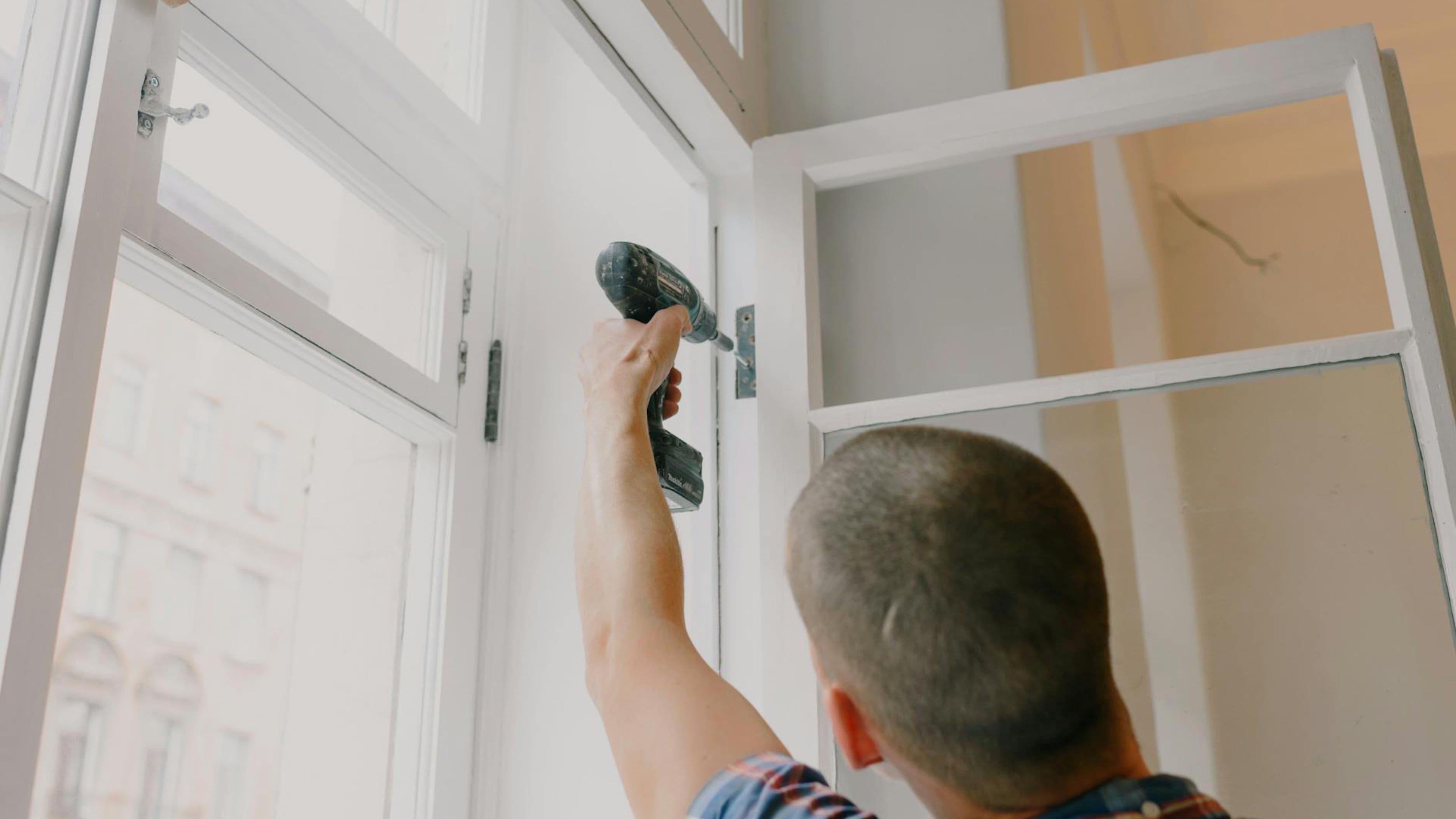
Sound travels easily through even small gaps, and a door with a visible gap underneath or a window with worn weatherstripping is often a bigger contributor to noise than people assume. Adding a draft stopper or door sweep to the bottom of a door, and replacing old, worn weatherstripping around windows, closes these gaps and can noticeably reduce sound transmission with very little time or money invested.
Step 3: Add Soft, Absorbent Materials to the Room
Hard, bare surfaces reflect sound and make a room feel louder and more echo-prone, while soft materials absorb it. Adding a thick area rug, particularly if you currently have hardwood or tile flooring, makes a real difference, as does hanging heavier curtains over windows, which absorb sound in addition to blocking light. Even adding more soft furniture, throw pillows, or a fabric wall hanging contributes incrementally to a quieter, less reverberant room.
Step 4: Use Furniture Placement Strategically
Bookshelves, wardrobes, and other large furniture pieces placed against a shared wall add mass and absorb some sound before it fully transmits through, functioning as a low-effort sound barrier you likely already own. This works particularly well against walls shared with noisy neighbors, since even a modestly filled bookshelf adds a meaningful buffer compared to a bare wall.
Step 5: Consider Acoustic Panels for Targeted Noise
For rooms where echo or reverberation is a bigger issue than sound coming from outside, foam or fabric-wrapped acoustic panels mounted on the wall can meaningfully improve sound quality within the room itself. These are especially useful for home offices or spaces where you're on video calls regularly, since they reduce the echo that often makes a room sound unprofessional or distracting on a recording.
Step 6: Address Specific Problem Areas Last
Once you've handled the broader gaps and soft materials, look at any remaining specific problem spots, a particularly thin door, a window that's still letting in significant noise despite weatherstripping. A door draft stopper combined with a heavy curtain hung directly over a problem door, or a specialized window insert designed for temporary sound dampening, can address these persistent trouble spots without permanent modification.
Realistic Expectations
None of these changes will make a room completely silent, and it's worth being upfront about that so you're not disappointed. What they do reliably deliver is a noticeably calmer, quieter space, often reducing perceived noise significantly enough that background sound stops being a constant source of distraction or stress. Progress here tends to compound, each individual change contributes a modest improvement, and together they add up to something genuinely noticeable.
Mistakes to Avoid
Don't assume a single fix, like just adding a rug, will solve a noise problem on its own, since sound typically enters through multiple pathways that each need some attention. Avoid spending on expensive soundproofing products before addressing the basics, sealing gaps and adding soft materials, since these low-cost steps often deliver more noticeable improvement per dollar spent than pricier specialized products. And be realistic about shared-wall noise specifically, since some of that transmission happens through the building structure itself and won't fully resolve without more significant construction work.
FAQ
Can I really reduce noise significantly without any construction work? Yes, sealing gaps, adding soft materials, and strategic furniture placement can meaningfully reduce both noise coming into a room and echo within it, though it won't achieve the same level of soundproofing as structural changes like adding insulation inside a wall.
What's the single most effective low-cost change I can make? For most people, adding a door sweep or draft stopper delivers a surprisingly large improvement relative to its cost, since gaps under doors are a common and often overlooked source of noise transmission.
How long does it take to notice a difference after making these changes? Most people notice an immediate difference after sealing gaps and adding soft furnishings, since these changes affect sound transmission and echo right away rather than requiring time to take effect.
📚 Sources
U.S. Department of Energy – Weatherization and Sealing Basics: https://www.energy.gov/energysaver/weatherize
Acoustical Society of America – Sound and Room Acoustics Basics: https://acousticalsociety.org/