
Notice When Data Starts Driving Decisions Instead of Informing Them
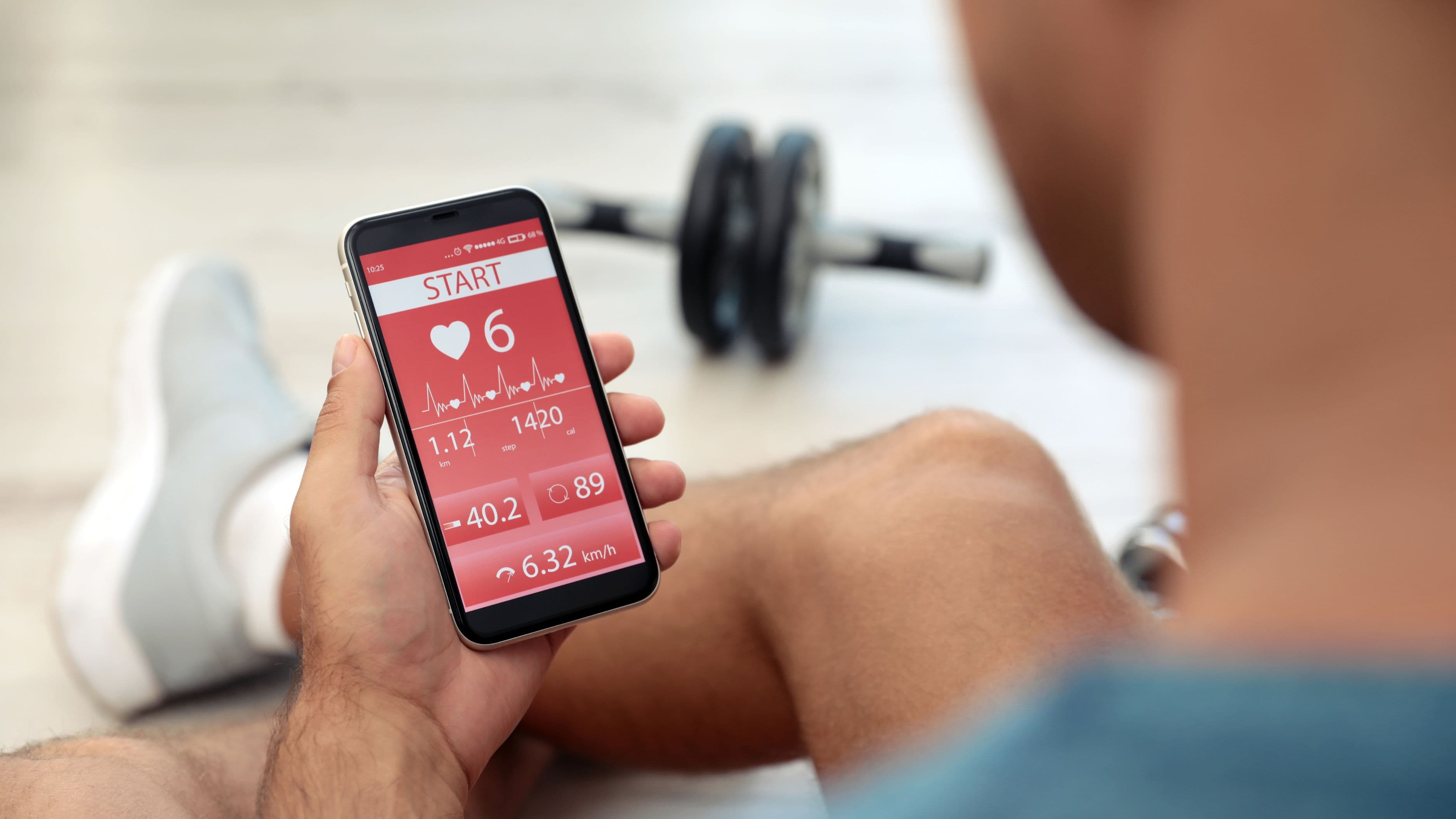
There's a meaningful difference between checking your sleep score out of curiosity and feeling like your entire morning mood depends on whether that number looks good. If you notice yourself feeling deflated or anxious based on a single metric – a lower step count, a slightly elevated resting heart rate, a sleep score that dipped a few points – that's a useful signal to loosen your relationship with the data a bit, rather than treating every number as a verdict on how well you're doing.
Turn Off Notifications You Don't Actually Need
Most smartwatches ship with a long list of default notifications enabled, and very few people actually need all of them buzzing on their wrist throughout the day. Going into your settings and turning off anything that isn't genuinely useful – app update alerts, non-urgent app notifications, achievement badges you don't care about – reduces the sheer number of moments your watch is pulling your attention away from whatever you're actually doing.
A good starting point: keep notifications for things that require a timely response (messages, calls, calendar reminders) and turn off everything tied purely to engagement, like streak reminders or "you're close to a goal" nudges that exist mainly to keep you checking the app.
Set Specific Times to Actually Look at Your Health Data
Rather than glancing at your stats every time your wrist buzzes or every few minutes out of habit, try setting one or two specific times a day to actually review your data – maybe once in the morning and once in the evening. This gives you the benefit of the information without turning your whole day into a constant background check-in with your watch.
Use It for Awareness, Not for Constant Optimization
Smartwatches are genuinely useful for building general awareness – noticing patterns in your sleep over weeks, understanding your baseline activity level, catching an unusual heart rate reading worth mentioning to a doctor. Where it tends to become unhealthy is when every single day becomes a project to optimize a specific number, rather than using the device to understand broader trends over time.
A simple mental shift helps here: think of your smartwatch data as something to review weekly for patterns, rather than something to react to daily as a pass-or-fail grade on how the day went.
Take Real Breaks From Wearing It
It's completely reasonable to take the watch off sometimes – during a vacation, a weekend, or just an evening you want to spend without a screen on your wrist reminding you to check something. This isn't giving up on the habit of using it; it's recognizing that a tool is supposed to serve you, not the other way around, and stepping away occasionally helps you notice whether you actually feel calmer or more anxious without it.
Be Honest About Whether It's Affecting Your Sleep
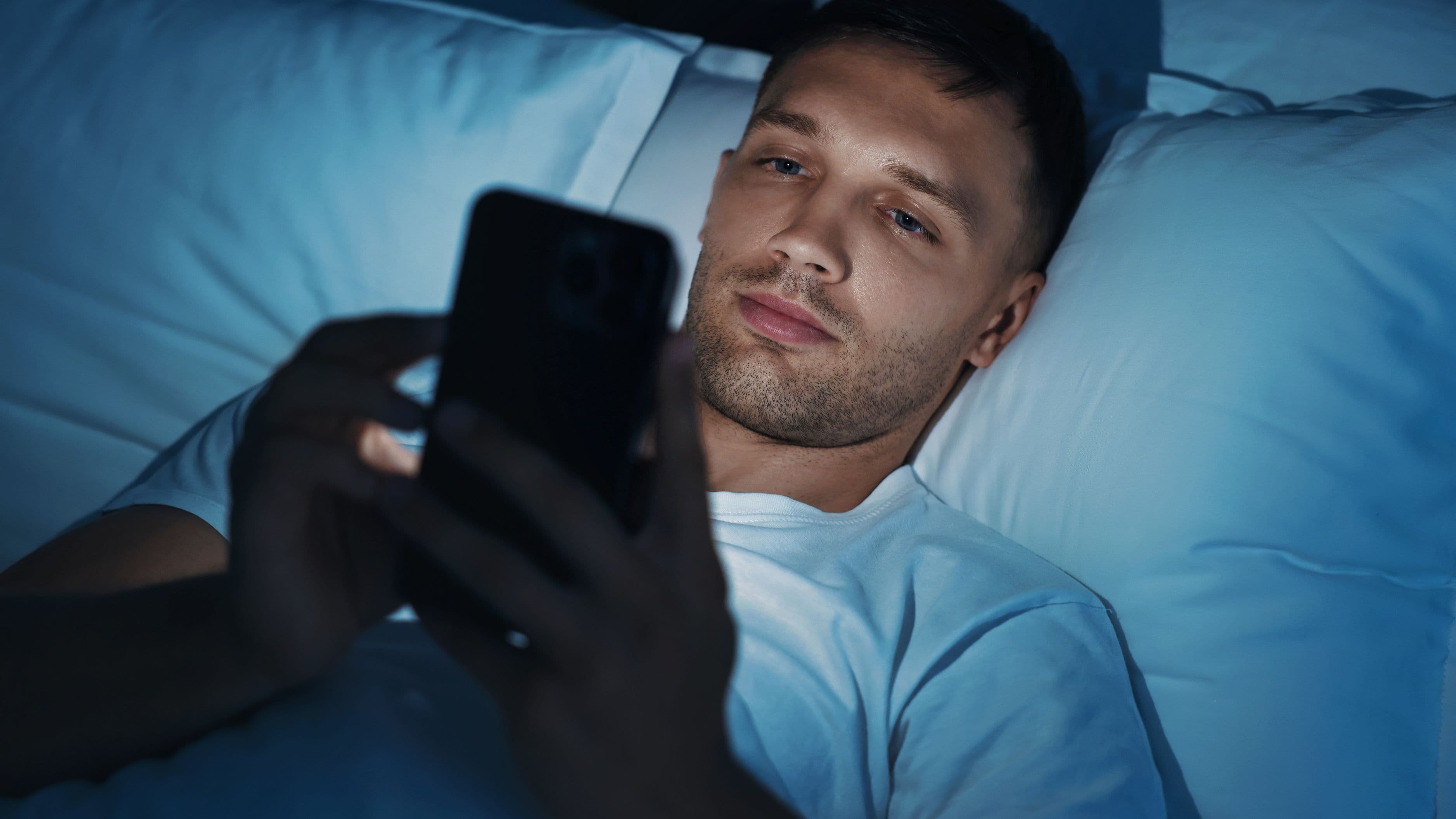
Some people find that tracking sleep data actually makes their sleep worse, a pattern sometimes informally called "orthosomnia," where anxiety about getting a good sleep score interferes with actually sleeping well. If you notice this happening – lying awake worried about your score rather than just naturally drifting off – it's worth experimenting with turning off sleep tracking, or at least not checking the data first thing every morning.
What to Avoid
Avoid letting streaks and gamified goals dictate your actual behavior. A step goal or activity streak is a nudge, not an obligation, and treating a broken streak as a genuine failure tends to create more guilt than motivation over time.
Avoid checking your watch reflexively throughout the day out of habit rather than actual need. If you notice yourself glancing at it dozens of times a day without a real reason, that's worth addressing directly, whether through fewer notifications or simply building awareness of the habit itself.
Realistic Expectations
Building a healthier relationship with a smartwatch doesn't mean using it less dramatically or all at once. Small adjustments – turning off a handful of notifications, setting specific check-in times, taking occasional breaks – tend to create a noticeably calmer relationship with the device within a couple of weeks, without requiring you to give up the genuine benefits it offers.
FAQ
Should I stop wearing my smartwatch entirely if it's stressing me out? Not necessarily. Many people find that adjusting notifications and check-in habits resolves most of the stress without needing to give up the device's benefits entirely, though taking occasional breaks is a completely reasonable option too.
Is it bad to check my smartwatch data every day? Not inherently, but if daily checking feels compulsive or affects your mood significantly based on a single number, shifting to a less frequent, more intentional check-in schedule is worth trying.
Can smartwatches actually cause anxiety about health? For some people, yes, particularly around sleep tracking or heart rate data. If you notice this happening, adjusting what you track or how often you look at it is a reasonable and healthy response.
Bottom Line
A smartwatch can be a genuinely useful tool for building awareness around your health and time, but it's worth staying intentional about how much control you give it over your daily mood and decisions. A few small adjustments – trimming notifications, setting specific check-in times, and giving yourself permission to take breaks – go a long way toward keeping the device working for you, rather than the other way around.
📚 Sources
Sleep Foundation – Orthosomnia and Sleep Tracking Anxiety. sleepfoundation.org
American Psychological Association – Technology and Wellbeing. apa.org
🔍 Explore Related Topics
Signs your fitness tracker is causing more stress than help