
The connection between your environment and your mood is real and well-documented. Cluttered spaces raise cortisol levels. Poor lighting flattens energy and disrupts sleep. The wrong temperature for the time of day can make you feel vaguely uncomfortable without knowing why. None of this requires a psychology degree to act on – it just requires noticing, and then making a few deliberate adjustments.
Here are five changes that consistently make a noticeable difference.
1. Swap Out Your Light Bulbs for Warm White Tones
This is the single highest-impact change you can make for the least effort and cost, and most people have never done it intentionally. The bulbs in the average home are a mix of whatever was cheapest at the hardware store – often cool white or daylight bulbs that emit a bluish, institutional light that works fine for visibility but doesn't do anything good for your mood or your sense of relaxation.
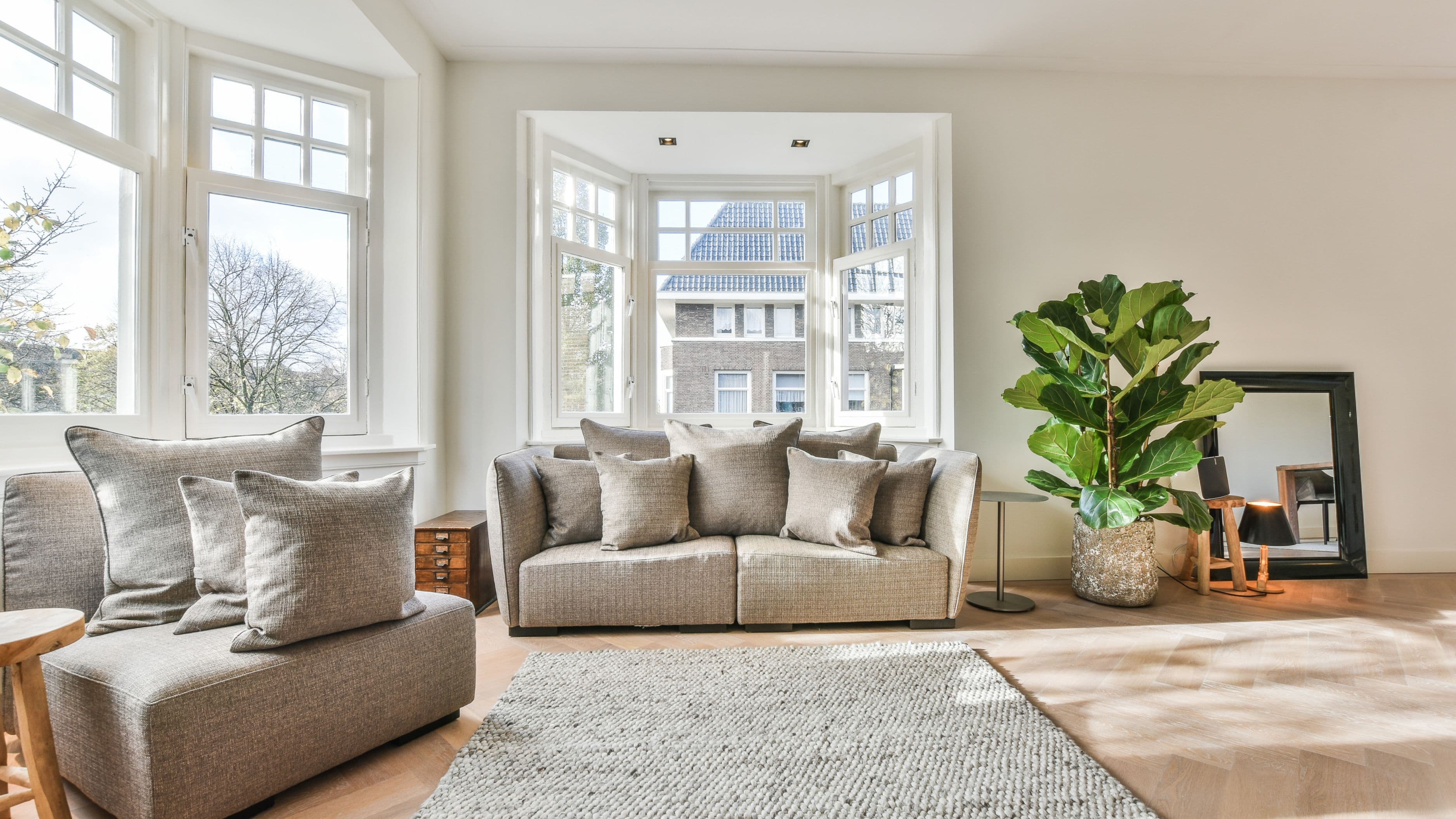
Warm white bulbs – those with a color temperature between 2700K and 3000K – emit a softer, amber-toned light that makes spaces feel genuinely warmer and more inviting. In living areas and bedrooms especially, the difference is immediately noticeable. The room looks the same, the furniture hasn't moved, but the atmosphere shifts in a way that's hard to articulate and easy to feel. Warm light signals to your brain that the day is winding down, which also supports better sleep if you make the change in rooms where you spend your evenings.
For extra impact, add a lamp or two to rooms that currently rely only on overhead lighting. Overhead-only rooms feel flat and slightly harsh regardless of bulb color. A floor lamp or a table lamp creates a pool of softer light that the eye finds more comfortable, and layered lighting – a combination of overhead and lower ambient sources – makes a room feel considered rather than functional.
The practical step: replace the bulbs in your living room and bedroom first. A four-pack of warm white LED bulbs typically costs under $15 and takes ten minutes to swap. Give it a few evenings and see if you notice a difference in how relaxed you feel in those spaces.
2. Create One Clutter-Free Surface in Each Room
You don't have to declutter your entire home – that's a big project with real emotional weight and it's not what this is asking for. What you can do today is identify one surface in each room and commit to keeping it clear.
The reason this works is rooted in how the brain processes visual information. Clutter is cognitively demanding – your eyes catch on individual items, your brain half-registers tasks or decisions that haven't been made, and the cumulative effect is a low-level sense of overwhelm that you carry around your own home without always connecting it to the environment. One clear surface gives your eyes and your brain somewhere to rest.
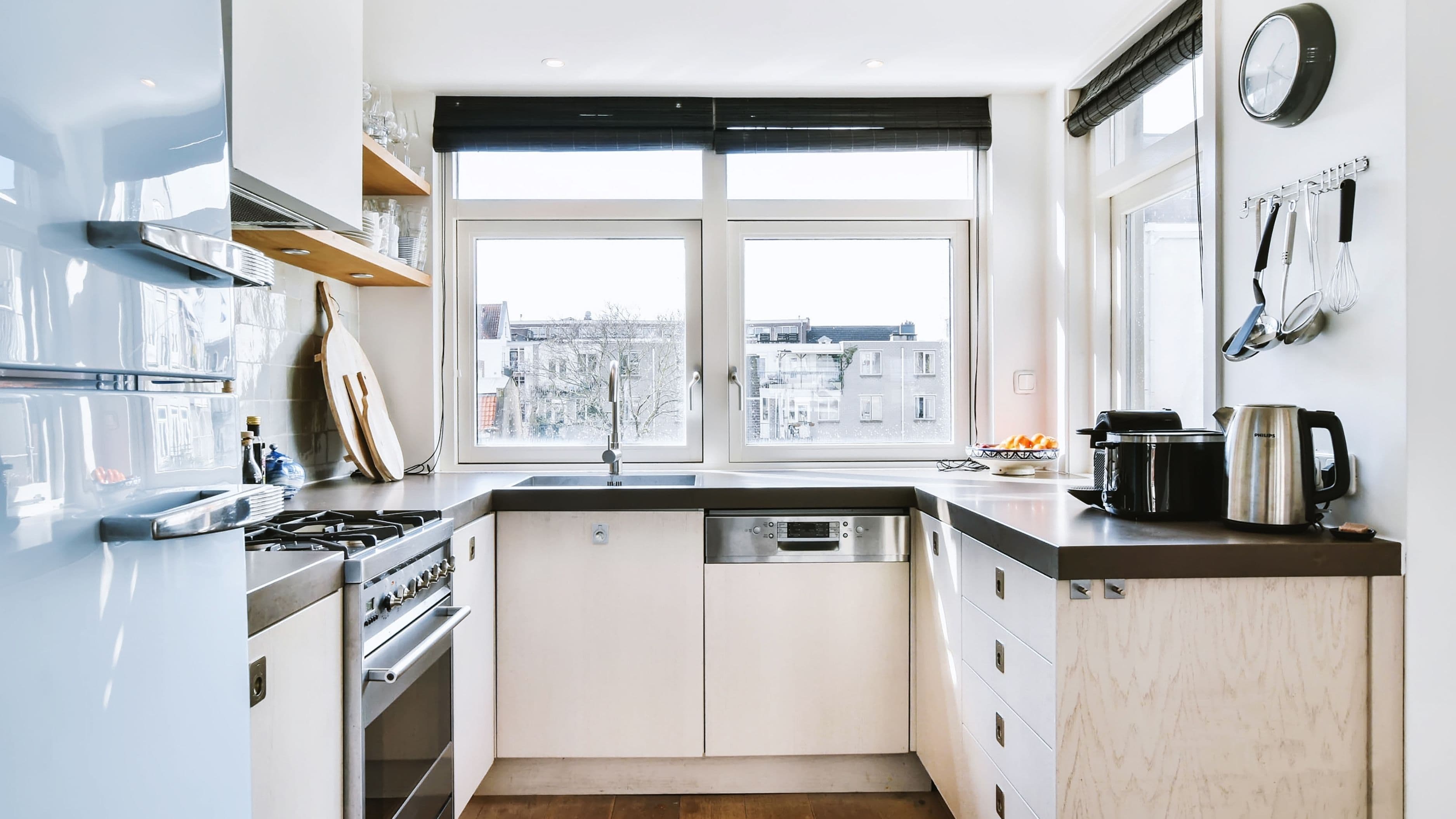
A coffee table works well in a living room. A kitchen counter near the sink is a good candidate for the kitchen. Your bedside table is worth clearing in the bedroom – a pile of books, charging cables, and miscellaneous items within eyeline as you fall asleep or wake up is a small but real source of visual noise at the moments when calm matters most.
The point isn't perfection. It's creating at least one anchor in each space that signals "settled" rather than "still dealing with things." Start with just one surface, in the room you spend the most time in, and see how the space feels after a few days of maintaining it.
3. Add a Plant – Even a Small One
Plants do something for the feel of a room that nothing else quite replicates. Research from environmental psychology consistently finds that the presence of natural elements – plants, natural light, views of nature – reduces stress and improves wellbeing. You don't need a jungle or a green wall. One plant in a room you spend time in is enough to shift the atmosphere.
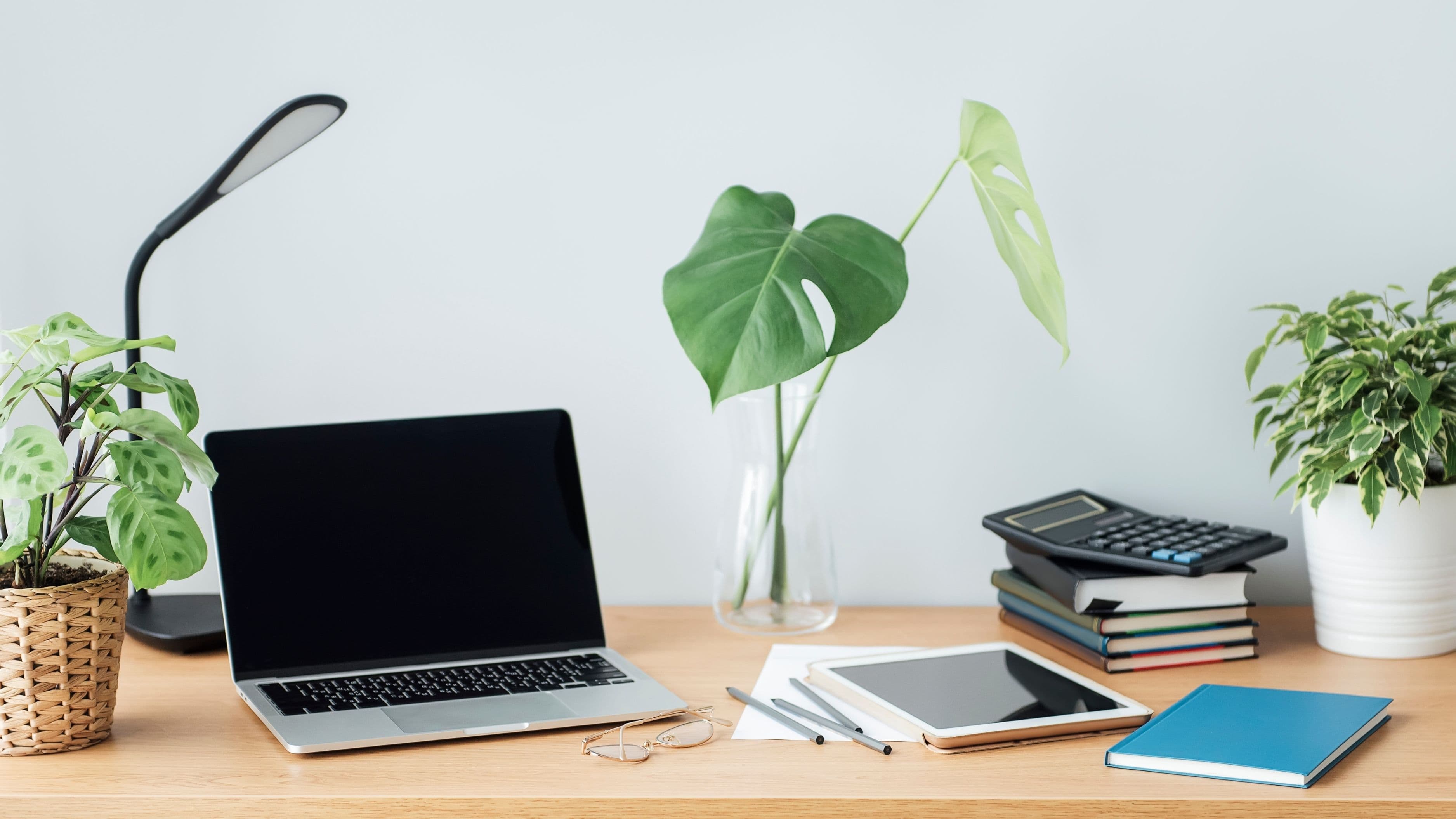
The practical concern most people have is that they'll kill it, which is fair. The answer is to choose a genuinely forgiving plant rather than something that requires attention. Pothos, snake plants (also called sansevieria), and ZZ plants are all nearly impossible to kill under normal household conditions. They tolerate irregular watering, low light, and general neglect. They grow slowly and stay manageable. A small pothos in a corner of your living room or on a kitchen windowsill requires almost no effort and will stay alive for years with occasional watering and the indirect light most rooms get naturally.
The positioning matters beyond just aesthetics. A plant near a window, in your sightline from where you sit most often, or on a desk where you work gives you regular contact with something living and growing. That contact – even passive – has a measurable calming effect that artificial plants and nature posters don't replicate in the same way.
4. Move Your Furniture So the First Thing You See Feels Good
Most people arrange furniture once when they move in and never revisit it. The arrangement that made sense in the first 48 hours of living somewhere, when you were just trying to get things into a workable configuration, may not be the arrangement that serves you best for how you actually live in the space.
The specific change worth making: pay attention to what you see when you first walk into the room, and when you first wake up in the morning. These moments set a subtle emotional tone that carries into whatever comes next. If the first thing you see when you enter your living room is a pile of things that need sorting, or an empty wall that's never felt quite right, that registers somewhere even when you're not consciously noticing it.
This doesn't require buying anything new. It might mean rotating your sofa so it faces a window with better light instead of a blank wall. It might mean moving a lamp to a corner that currently feels dark and unused. It might mean putting something you genuinely like – a photograph, a piece of art, a plant – in the sightline from where you wake up, so that the first visual input of your morning is something pleasant rather than neutral or disorganized.
Give yourself 20 minutes to walk through your most-used rooms and ask: what's the first thing I see when I enter? What do I look at when I'm sitting in my usual spot? Does that view make me feel anything good? Small adjustments to what dominates your visual field in a space you inhabit for hours a day are worth making.
5. Introduce a Scent You Associate With Calm
Smell is processed differently from your other senses – it has a more direct pathway to the limbic system, the part of your brain associated with emotion and memory, which is why scents are uniquely powerful at shifting mood quickly. You can use this deliberately in your home.
A candle, an essential oil diffuser, or even a simple linen spray can introduce a consistent scent into a space that your brain starts to associate with relaxation, focus, or comfort over time. Lavender has the most research support for its calming effects. Eucalyptus and peppermint tend to promote alertness. Sandalwood and cedarwood have warm, grounding qualities that many people associate with comfort.
The consistency matters as much as the scent itself. Using the same scent in the same room regularly – lighting the same candle in the evenings, diffusing the same oil while you work – creates a conditioned association that strengthens over time. The scent becomes a cue that tells your nervous system what mode to shift into, similar to the way a particular piece of music can reliably shift your emotional state.
The practical version of this doesn't need to be expensive. A $10 essential oil and a basic diffuser from a pharmacy is entirely sufficient. A candle works just as well if you prefer it. The investment is small; the effect, with consistent use over a few weeks, tends to be genuinely noticeable.
A Note on Realistic Expectations
None of these changes will fix a difficult day or resolve deeper sources of stress. They work on the margin – creating an environment that makes it slightly easier to feel settled, to breathe a bit more easily, to let go of the residual tension of being in a space that doesn't quite work for you. Over time, that margin accumulates into a home that feels like it supports you rather than adding to your load.
The best way to approach these is as small experiments. Pick one, make the change today or this week, and pay attention to whether anything shifts over the following days. You're not committing to a lifestyle overhaul – you're adjusting one small thing and noticing what happens.
FAQ
How quickly will I notice a difference from these changes?
Some changes are immediate – warm lighting makes a difference the first evening you turn it on. Others, like the scent association or the psychological effect of a clear surface, build over a few days or weeks as the brain registers the consistency. Give each change at least a week before evaluating whether it's working.
What if I rent and can't make permanent changes?
All five of these changes are fully compatible with renting. Changing light bulbs, adding plants, rearranging furniture, introducing a scent, and keeping a surface clear are all completely reversible and leave no permanent marks. You can take the plants and the bulbs with you when you leave.
I already have plants and good lighting. Is there anything else beyond these five?
These five are the highest-return starting points, but there are plenty of other small environmental adjustments worth exploring: reducing visual complexity in a busy room, introducing natural materials like wood or linen that feel warmer than synthetic surfaces, adjusting your thermostat by a degree or two toward the temperature range where your body is most comfortable at rest, or adding a small piece of artwork you genuinely like somewhere you look every day.
Do I need to do all five at once?
Not at all. One is enough to start. Making five changes at once makes it harder to know what's actually making a difference, and it takes more time and energy upfront than necessary. Pick the one that sounds most doable and most likely to matter to you, and start there.
Your home affects you more than you probably realize, and you have more control over how it feels than most big renovation conversations would suggest. Small changes, made with intention, add up to an environment that genuinely supports how you want to feel every day.
📚 Sources
Princeton Neuroscience Institute – Clutter and cognitive load – https://pni.princeton.edu/news/2011/01/clearing-clutter-may-improve-focus-productivity
Journal of Environmental Psychology – Nature exposure and stress reduction – https://www.sciencedirect.com/science/article/abs/pii/S0272494401902456
NIH – Lavender and anxiolytic effects – https://www.ncbi.nlm.nih.gov/pmc/articles/PMC3612440/
Lighting Research Center – Effects of lighting on mood and alertness – https://www.lrc.rpi.edu/programs/nlpip/lightingAnswers/lat8/abstract.asp
Harvard Health – Blue light, circadian rhythm, and sleep – https://www.health.harvard.edu/staying-healthy/blue-light-has-a-dark-side