This guide cuts through the noise. Everything here has meaningful research behind it – not just marketing claims. Some of these tools are simple, some are an investment, but all of them are grounded in how sleep actually works rather than how a product page says it does.
Why Sleep Tech Is Worth Taking Seriously
Sleep isn't passive recovery. During deep sleep, your brain clears metabolic waste through the glymphatic system, your body repairs tissue, and your memory consolidates the events of the day. According to the CDC, more than a third of American adults regularly get less than the recommended seven hours of sleep per night – and the downstream effects include impaired focus, weakened immune function, and increased risk of chronic disease.
The right tools don't replace good sleep habits – they support them. Used well, they remove friction from falling asleep, improve sleep quality once you're down, and help you understand what's actually happening during the night so you can make better adjustments.
1. Light-Based Wake-Up Alarms (Sunrise Simulators)
Waking up in the dark to a jarring alarm disrupts your body's natural wake cycle and often leaves you groggy for hours. Sunrise simulators – also called light therapy alarm clocks – gradually increase light intensity over 20–30 minutes before your set wake time, mimicking a natural sunrise.
The research behind this is solid. A study published in Chronobiology International found that simulated dawn light significantly improved subjective sleep quality, morning alertness, and mood compared to waking in darkness. The mechanism is real: light suppresses melatonin and triggers cortisol release, which is your body's natural wake signal. When that process happens gradually, you rise through lighter sleep stages before the alarm sounds rather than being jolted out of deep sleep.
The Philips SmartSleep Wake-Up Light is the most studied consumer device in this category and a reliable starting point. For a 30-day trial, simply replace your existing alarm with a sunrise simulator and keep your wake time consistent – even on weekends. The combination of consistent wake time and gradual light exposure is one of the most effective low-effort shifts you can make to morning grogginess.
2. White Noise and Pink Noise Machines
Sound is one of the most disruptive factors in sleep quality, and it's one of the easiest to address. White noise works by masking sudden sounds – a door closing, a car passing, a partner moving – that would otherwise trigger micro-arousals. Even sounds that don't fully wake you can fragment sleep architecture and reduce time in restorative deep sleep stages.
Pink noise (a lower-frequency variant of white noise, like steady rain or rustling leaves) has attracted specific research attention for its effects on deep sleep. A 2017 study published in Frontiers in Human Neuroscience found that pink noise synchronized to slow-wave brain activity significantly enhanced deep sleep and improved memory consolidation in older adults. The same group at Northwestern University has published follow-up work confirming the effect.
A dedicated sound machine – rather than a phone playing through a speaker – is worth the small investment for consistent, stable sound that won't be interrupted by notifications. The LectroFan and Yogasleep Dohm are both well-regarded. If you're testing this over 30 days, run it every night rather than selectively – consistency is what lets you measure a real difference.
3. Temperature Regulation Tools
Body temperature is one of the most powerful levers in sleep quality, and it's one most people never consciously manage. Your core body temperature needs to drop by about 1–2°F to initiate sleep. This is why a warm bath or shower before bed actually helps you fall asleep faster – it draws blood to the surface, accelerates heat loss, and speeds up that core cooling process.
For ambient temperature, research consistently points to 65–68°F (18–20°C) as the optimal sleep environment for most adults, according to the National Sleep Foundation. If your bedroom runs warm, a simple fan improves airflow and can make a meaningful difference. At the more serious end of the investment scale, mattress cooling systems like the Eight Sleep Pod or ChiliSleep OOLER circulate temperature-controlled water through a mattress pad, allowing precise temperature control throughout the night – including warming in the early morning hours, which supports natural waking.
A simpler, zero-cost starting point: take a warm shower 1–2 hours before bed, drop your thermostat to the low-to-mid 60s at night, and switch to breathable natural fiber bedding. These changes alone can noticeably improve how quickly you fall asleep and how deeply you stay asleep.
4. Sleep Trackers (Used the Right Way)
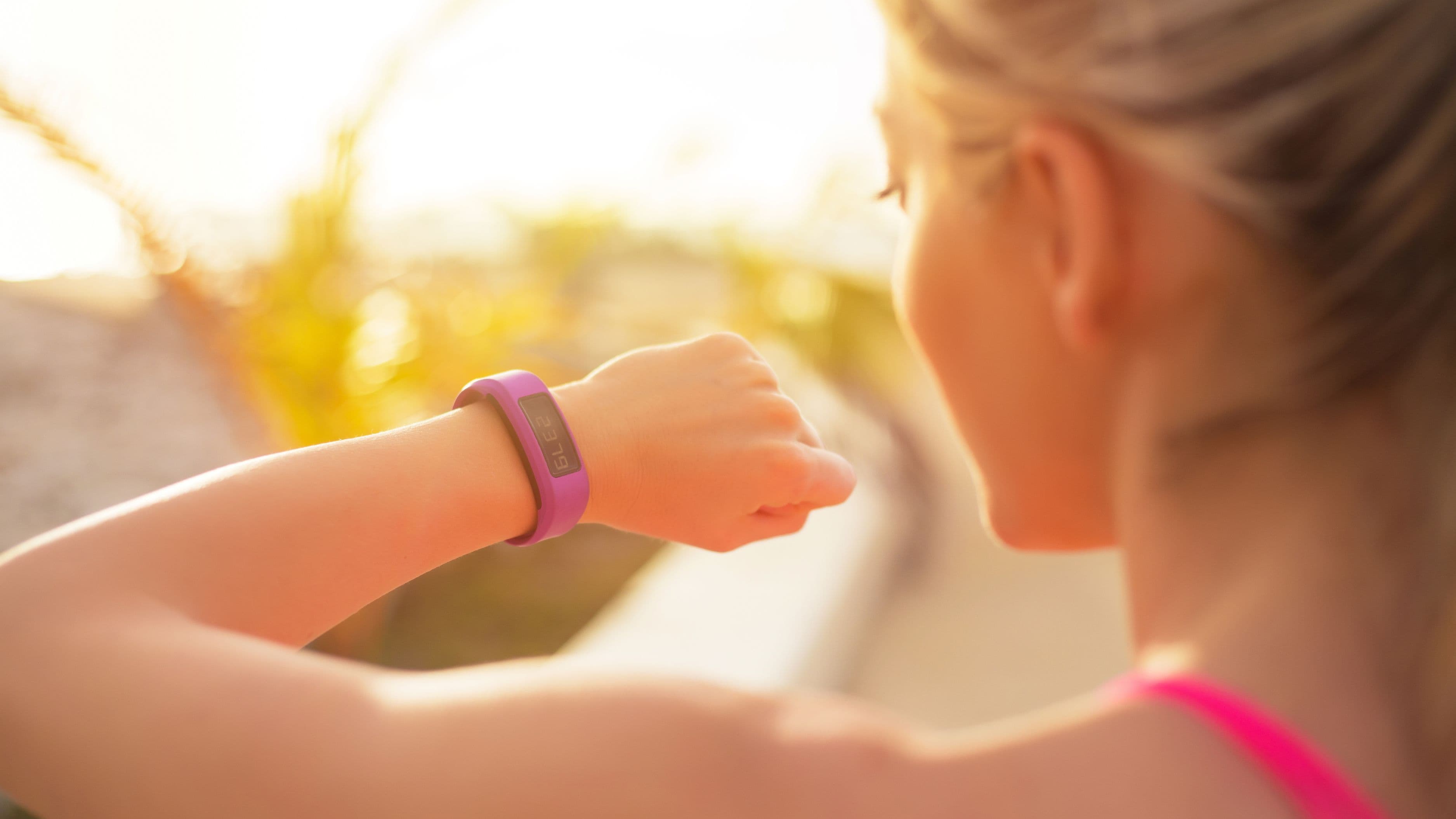
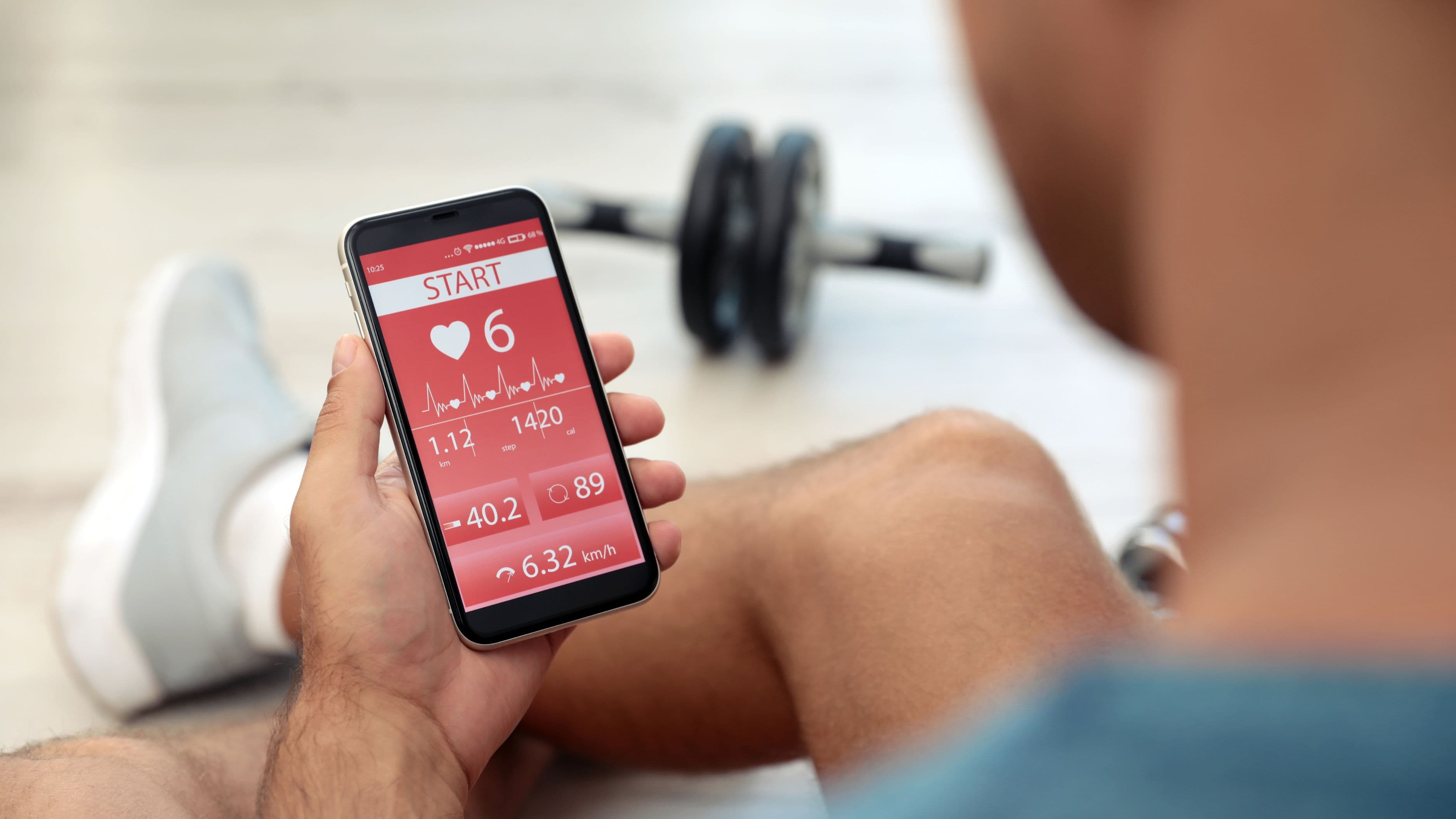
Sleep trackers don't improve your sleep directly – but they give you data that makes every other adjustment more effective. Knowing whether you're getting 45 minutes of deep sleep or 90 minutes, whether your heart rate variability is trending up or down, or whether a glass of wine actually shortened your REM sleep turns guesswork into feedback.
The Oura Ring is currently the most research-validated consumer sleep tracker. A 2020 validation study published in Nature and Science of Sleep found the Oura Ring's sleep staging accuracy compared favorably to polysomnography (clinical sleep lab testing) for total sleep time and sleep efficiency. Fitbit and Apple Watch provide useful data but with lower sleep staging accuracy. WHOOP is strong for recovery metrics and is popular with athletes.
The important caveat: some people develop "orthosomnia" – anxiety about sleep scores that actually worsens sleep quality. If you notice yourself lying awake worrying about your readiness score, take a week off from checking the data. The goal is to use the information to make adjustments, not to optimize a metric. Track for a month, identify two or three patterns, make one change, and track the response.
5. Blue Light Blocking Glasses
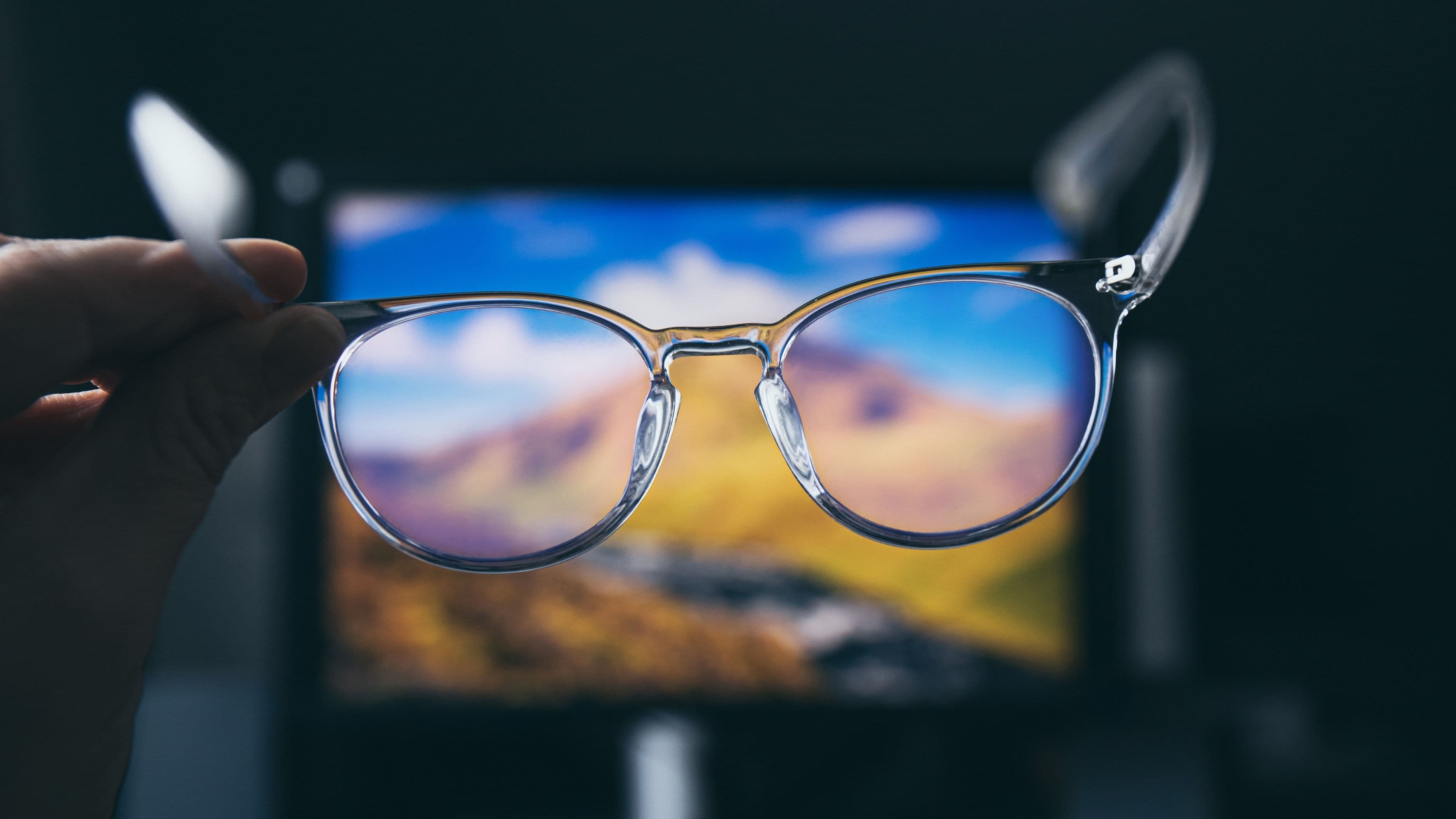
Light in the blue wavelength range (roughly 450–490 nm) is the most potent suppressor of melatonin production. In natural settings, blue light drops at sunset, triggering the melatonin rise that makes you sleepy. Modern screens – phones, tablets, laptops, televisions – emit blue light at intensities that signal "midday" to your circadian system regardless of the actual hour.
The research on blue light glasses has produced mixed results, and it's worth being honest about that. A 2021 Cochrane review found limited evidence that blue light glasses reduce eye strain, and some researchers argue the blue light from screens is not intense enough to meaningfully delay melatonin on its own compared to overall brightness. That said, a well-designed study published in the Journal of Adolescent Health found that wearing blue light blocking glasses in the evening significantly reduced melatonin suppression and improved sleep onset in teenagers.
The practical takeaway: blue light glasses are a useful supporting tool, not a silver bullet. Pairing them with overall screen dimming (Night Shift on Apple devices, Night Mode on Android, or f.lux on desktop) is more effective than either alone. If you can't avoid screens in the two hours before bed, glasses rated at 90%+ blue light blocking in the 450–490 nm range are worth using. Brands like Swanwick and Ra Optics are well-regarded in this space.
6. Weighted Blankets
Weighted blankets use deep pressure stimulation – the same sensory principle as a firm hug – to activate the parasympathetic nervous system and reduce physiological arousal before sleep. They typically range from 15 to 25 pounds and are designed for adults who experience elevated nighttime anxiety or restlessness.
The clinical evidence is strongest for specific populations. A 2020 randomized controlled trial published in the Journal of Clinical Sleep Medicine found that weighted blankets significantly reduced insomnia severity and daytime anxiety in adults with chronic insomnia, with 42% of participants in the weighted blanket group achieving remission compared to 3.6% in the control group. Separate research has found benefits for adults with anxiety disorders and autism spectrum conditions.
For the general population without clinical insomnia, the benefit is more modest but still real for many people. If you run warm at night, a cooling-weight blanket (typically cotton or bamboo outer layer with glass bead fill) is a better fit than the standard polyester construction. A standard starting weight is about 10% of your body weight, though the research doesn't strongly enforce this as a precise rule.
7. CPAP and Positional Therapy Devices (for Those Who Need Them)
This one isn't for everyone, but it's important enough to include. If you snore loudly, wake up unrefreshed despite adequate sleep time, or have been told you stop breathing during sleep, you may have obstructive sleep apnea – one of the most underdiagnosed sleep disorders, affecting an estimated 26% of adults between 30 and 70 according to the American Academy of Sleep Medicine.
CPAP (Continuous Positive Airway Pressure) therapy is the most evidence-supported treatment for moderate to severe sleep apnea, with decades of research showing improvements in daytime functioning, cardiovascular health, and cognitive performance when adherence is maintained. Modern CPAP machines are significantly quieter and more comfortable than older versions, and auto-titrating models (APAP) automatically adjust pressure throughout the night.
For mild cases or positional apnea (where symptoms worsen when sleeping on your back), positional therapy devices – vibrating wearables that gently prompt you to shift position – have emerging evidence behind them. The Night Shift Sleep Positioner has been studied in clinical trials with meaningful results for positional snorers. If you suspect sleep apnea, an at-home sleep test (available through services like Lofta or through your primary care physician) is the right first step before investing in any equipment.
What to Avoid
The sleep tech market is full of products with shaky science. A few to approach with skepticism:
Sleep supplements marketed as cure-alls deserve scrutiny. Melatonin is useful for circadian timing (jet lag, shift work, adjusting sleep schedule) but is not a sleep quality enhancer for people with normal melatonin production – and most people take far too high a dose. The research-supported dose is 0.5–1 mg, not the 5–10 mg tablets common in pharmacies.
EEG headbands promising to "enhance your sleep stages" through neurofeedback are an interesting frontier, but the consumer-grade research is not yet strong enough to confidently recommend them. Devices like the Dreem headband showed promise in early studies but have not yet replicated results at scale outside company-funded research.
Any product claiming to fix your sleep without also addressing the basics – consistent sleep and wake times, light management, temperature, and reduced alcohol near bedtime – is overpromising. Tech supports good habits; it doesn't replace them.
A Simple 30-Day Sleep Tech Starting Plan
You don't need everything on this list. A focused 30-day approach looks like this:
In the first week, establish the foundation. Set a consistent wake time (even on weekends), drop your bedroom temperature to the low-to-mid 60s, and eliminate screens 45–60 minutes before bed or start using blue light glasses. These are free or near-free changes with strong research support.
In week two, add a sound machine. Run it every night for two weeks and pay attention to whether you wake during the night less frequently or feel more rested in the morning.
In week three, introduce a sunrise simulator alarm to replace your phone alarm. Give it at least two weeks to notice a difference in morning grogginess.
In week four, evaluate what's working and consider whether a sleep tracker would help you measure and refine further. By this point, you'll have addressed the highest-impact factors and have a clearer sense of where the remaining gaps are.
Progress, not perfection. One change at a time is how good sleep habits actually stick.
FAQ
Do I need to buy expensive sleep tech to improve my sleep?
No. The highest-impact changes – consistent sleep timing, cooler room temperature, light management in the evening, and a wind-down routine – cost nothing. Tech helps you optimize or track, but the fundamentals come first.
Is it okay to use my phone as a sleep tracker?
Phone-based sleep tracking (through apps like Sleep Cycle) is better than nothing, but significantly less accurate than a dedicated wearable. Phones pick up movement but can't measure heart rate, HRV, or skin temperature – all of which improve staging accuracy meaningfully.
Can weighted blankets help with anxiety as well as sleep?
Yes – the research supports both. Deep pressure stimulation activates the parasympathetic nervous system, which reduces cortisol and increases serotonin. Several studies have found reductions in acute anxiety with weighted blanket use, not just improved sleep.
How long does it take to see results from sleep tech changes?
Most people notice changes within 1–2 weeks of consistent use. Circadian rhythm adjustments (from consistent wake times and light management) typically stabilize within 2–3 weeks. Give any new tool at least two weeks of nightly use before evaluating it.
What's the single most impactful sleep change most people can make for free?
Consistent wake time, every day including weekends. Irregular wake times fragment your circadian rhythm more than almost any other single factor. Anchor your wake time first and everything else builds on a more stable foundation.
📚 Sources
Thorn, L. et al. – "The effect of dawn simulation on the cortisol response to awakening" – Chronobiology International https://www.tandfonline.com/doi/abs/10.3109/07420528.2010.546489
Papalambros, N. et al. – "Acoustic Enhancement of Sleep Slow Oscillations and Concomitant Memory Improvement in Older Adults" – Frontiers in Human Neuroscience https://www.frontiersin.org/articles/10.3389/fnhum.2017.00109/full
de Zambotti, M. et al. – "Measures of sleep and cardiac functioning during sleep using a multi-sensory commercially-available wristband in adolescents" – Nature and Science of Sleep https://www.dovepress.com/measures-of-sleep-and-cardiac-functioning-during-sleep-using-a-multi-s-peer-reviewed-fulltext-NSS
Ekholm, B. et al. – "Weighted blankets and sleep: A randomised controlled trial" – Journal of Clinical Sleep Medicine https://jcsm.aasm.org/doi/10.5664/jcsm.8350
CDC – "Sleep and Sleep Disorders" – cdc.gov https://www.cdc.gov/sleep/data-research/facts-stats/adults-sleep-facts-and-stats.html
National Sleep Foundation – "Bedroom Temperature and Sleep" – sleepfoundation.org https://www.sleepfoundation.org/bedroom-environment/best-temperature-for-sleep
American Academy of Sleep Medicine – "Sleep Apnea" – aasm.org https://aasm.org/resources/factsheets/sleepapnea.pdf