
Eating Enough Protein at Breakfast
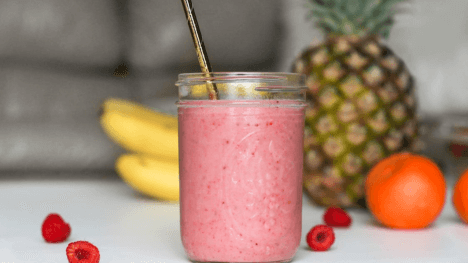
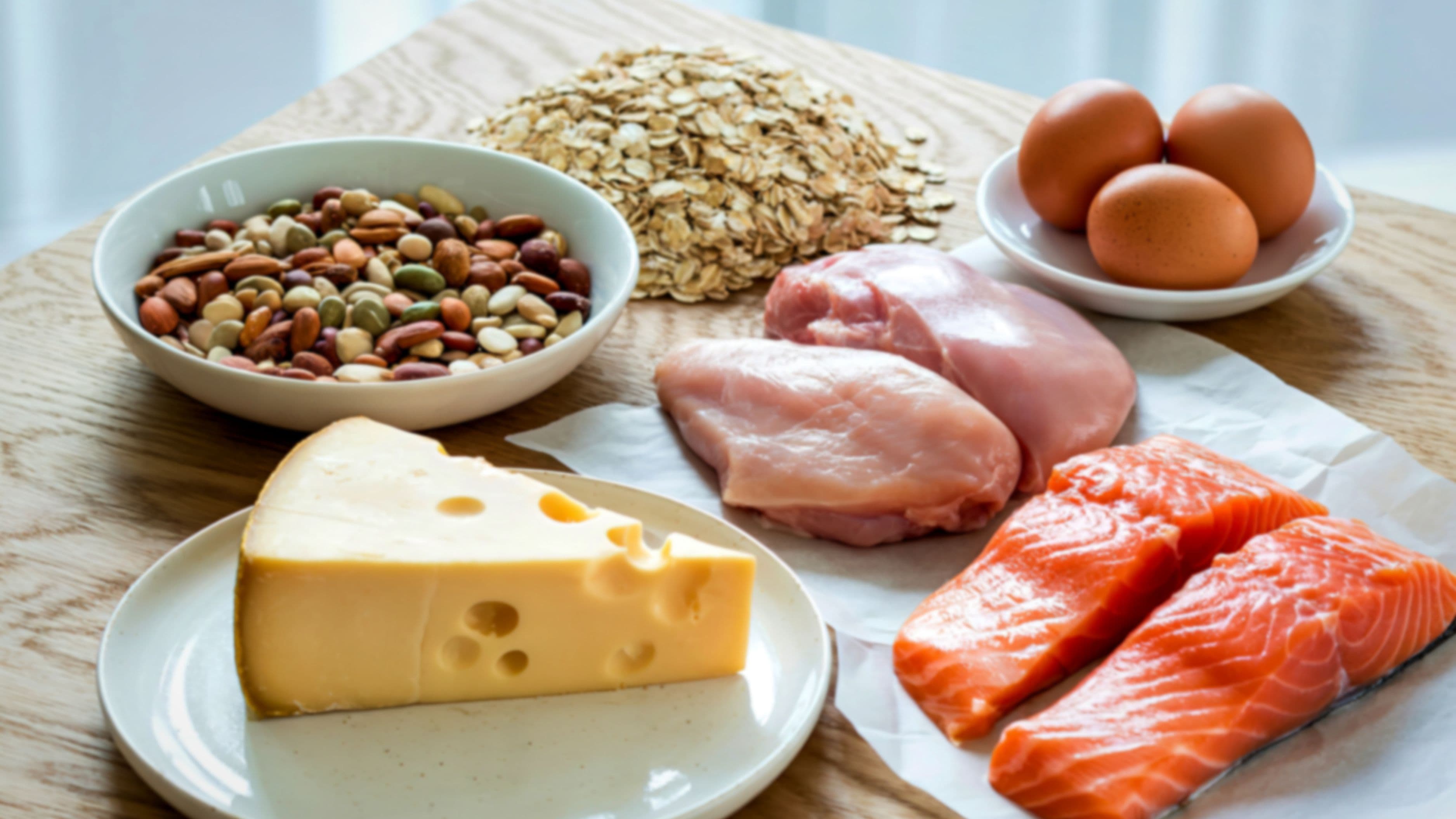
Many people default to a carbohydrate-heavy breakfast – cereal, toast, a pastry – without much protein at all, which tends to lead to a quicker return of hunger and an energy dip within a couple of hours. Including a genuine source of protein at breakfast, even something simple like eggs, yogurt, or a protein-enriched smoothie, tends to support steadier energy and fullness through the morning compared to a carbohydrate-only start to the day.
Realistic step: add one protein source to your current breakfast rather than overhauling the entire meal – a couple of eggs alongside your usual toast, or a scoop of protein powder blended into your regular smoothie.
Drinking Water Before Reaching for a Snack
Thirst and hunger signals can feel remarkably similar, and mild dehydration is a commonly overlooked reason people reach for a snack when their body is actually signaling for water rather than food. Building the simple habit of drinking a glass of water first when a snack craving hits, then waiting ten to fifteen minutes before deciding whether you're still genuinely hungry, helps you respond more accurately to what your body actually needs in that moment.
Realistic step: keep a water bottle somewhere visible and easily accessible throughout your day, making the "water first" habit an easy default rather than an extra effort-requiring step.
Not Skipping Meals to "Save" Calories for Later
Skipping a meal with the intention of saving room for a bigger meal later often backfires, leading to excessive hunger that makes it much harder to make thoughtful, balanced food choices once you do eat, and frequently resulting in eating more overall than if you'd simply eaten a balanced meal at your regular time. Consistent, regular meals throughout the day tend to support more stable blood sugar and genuinely easier portion control than an intentional skip-and-compensate approach.
Realistic step: if a specific meal or event later in the day involves eating more than usual, consider a smaller, balanced meal earlier rather than skipping entirely, which tends to prevent the overeating that skipped meals commonly lead to.
Paying Attention to Fiber, Not Just Calories or Macros
Fiber gets far less attention than protein or overall calorie count, despite playing a significant role in digestion, steady energy levels, and genuine fullness after a meal. Many people fall short of recommended daily fiber intake without realizing it, simply because fiber-rich foods – vegetables, whole grains, legumes, fruit with the skin on – often get deprioritized in favor of more calorie or protein-focused food choices.
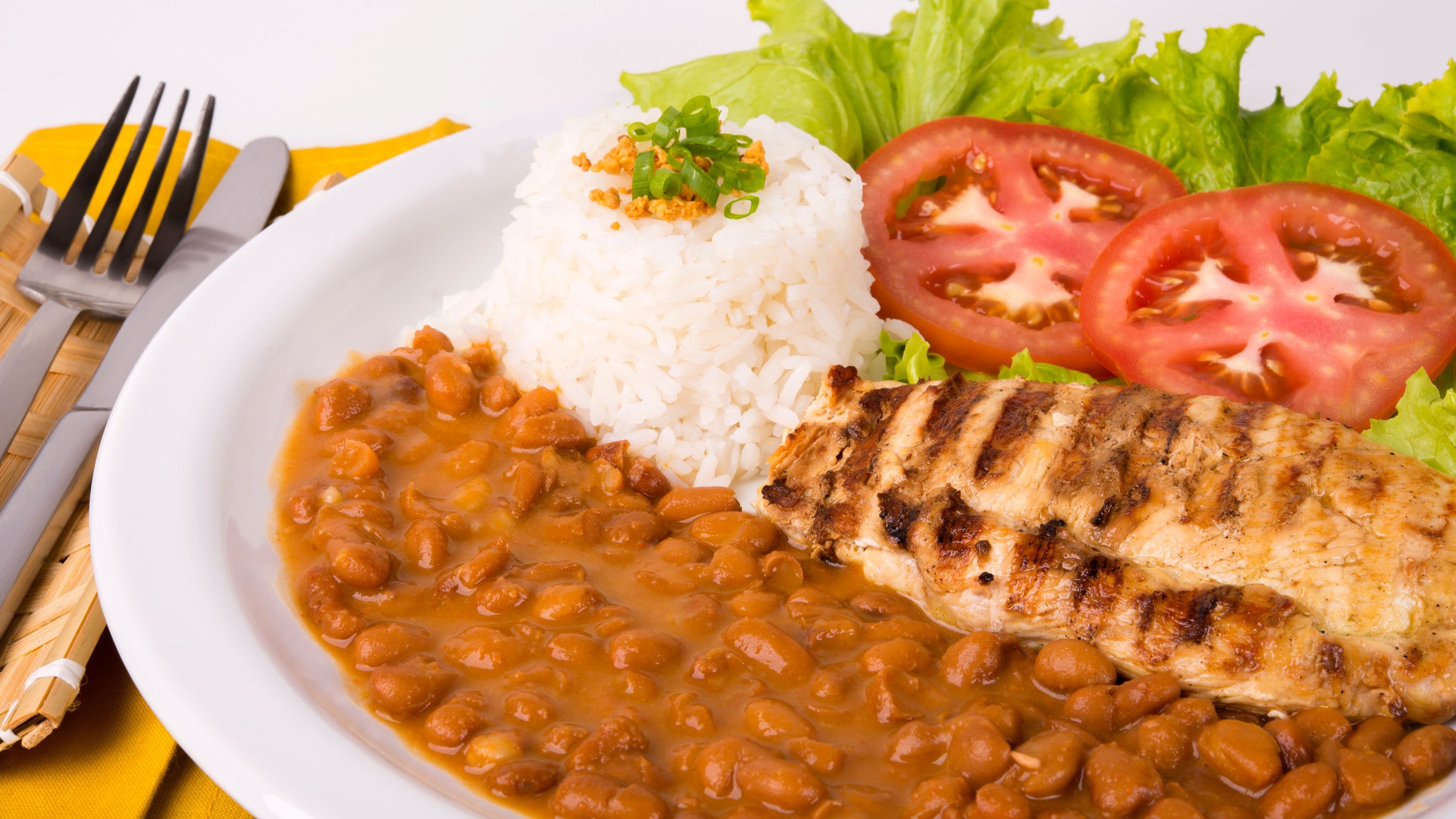
Realistic step: add one additional fiber-rich food to a meal you already eat regularly, like adding a vegetable side to a dinner that doesn't currently include one, rather than trying to overhaul your entire diet's fiber content at once.
Actually Reading Nutrition Labels for Serving Size First
It's easy to glance at a nutrition label's calorie or sugar count without first checking what serving size that number actually reflects, which can lead to significantly underestimating how much you're actually consuming if a package contains multiple servings. Making it a habit to check serving size first, before looking at any other number on a label, gives you a genuinely more accurate picture of what you're actually eating.
Realistic step: build this into your normal grocery shopping or meal prep routine rather than treating it as a separate, additional task – it takes only a few extra seconds once it becomes habitual.
Eating Slowly Enough to Actually Notice Fullness
It takes roughly twenty minutes for your body's fullness signals to fully register after you start eating, meaning eating quickly can lead to consuming more than you'd actually want if you'd given your body enough time to signal genuine satisfaction. Simply slowing down – putting your fork down between bites, or making a point to actually taste and chew food more thoroughly – helps align your eating pace with when your body's natural fullness cues actually kick in.
Realistic step: start with just one meal a day where you deliberately slow down, rather than trying to change your pace at every single meal immediately.
Realistic Expectations
None of these habits alone will dramatically transform your health overnight, and that's a genuinely reasonable thing to expect – these are small, sustainable shifts meant to compound gradually over weeks and months, rather than a single dramatic nutrition overhaul. Most people find that picking just one or two of these habits to focus on consistently for a couple of weeks produces more lasting change than attempting to implement all of them simultaneously.
Common Mistakes to Avoid
Trying to implement every habit on this list at once often leads to feeling overwhelmed and abandoning the effort within days – choosing one or two that feel most doable right now and building consistency there first tends to produce much better long-term follow-through. Also avoid treating any of these as strict, rigid rules that create stress or guilt if you miss a day, since the actual goal is gradual, realistic progress rather than perfect adherence to a new set of nutrition rules.
FAQ
Which of these habits should I start with first? Start with whichever feels most immediately doable given your current routine – for many people, adding protein at breakfast or drinking water before a snack are among the easiest starting points since they require minimal disruption to an existing routine.
How long does it take for these small habits to actually make a difference? Many people notice small shifts, like steadier energy or reduced snacking, within one to two weeks of consistent practice, though the fuller cumulative benefit builds gradually over a longer period of sustained habit.
Do I need to track calories or macros for these habits to work? No – these habits are specifically designed to work as standalone, intuitive changes without requiring detailed tracking, which is part of why they tend to be more sustainable for many people than a strict tracking-based approach.
These overlooked nutrition habits work precisely because they're small enough to actually stick with, rather than requiring the kind of dramatic overhaul that often leads to burnout within a few weeks. Pick one that feels genuinely doable right now, build consistency there, and let the next habit follow naturally once the first one feels automatic.
📚 Sources
Harvard T.H. Chan School of Public Health: The Nutrition Source – https://www.hsph.harvard.edu/nutritionsource/
Mayo Clinic: Dietary Fiber Essential for a Healthy Diet – https://www.mayoclinic.org/
National Institutes of Health: Hunger and Satiety Signals – https://www.ncbi.nlm.nih.gov/pmc/