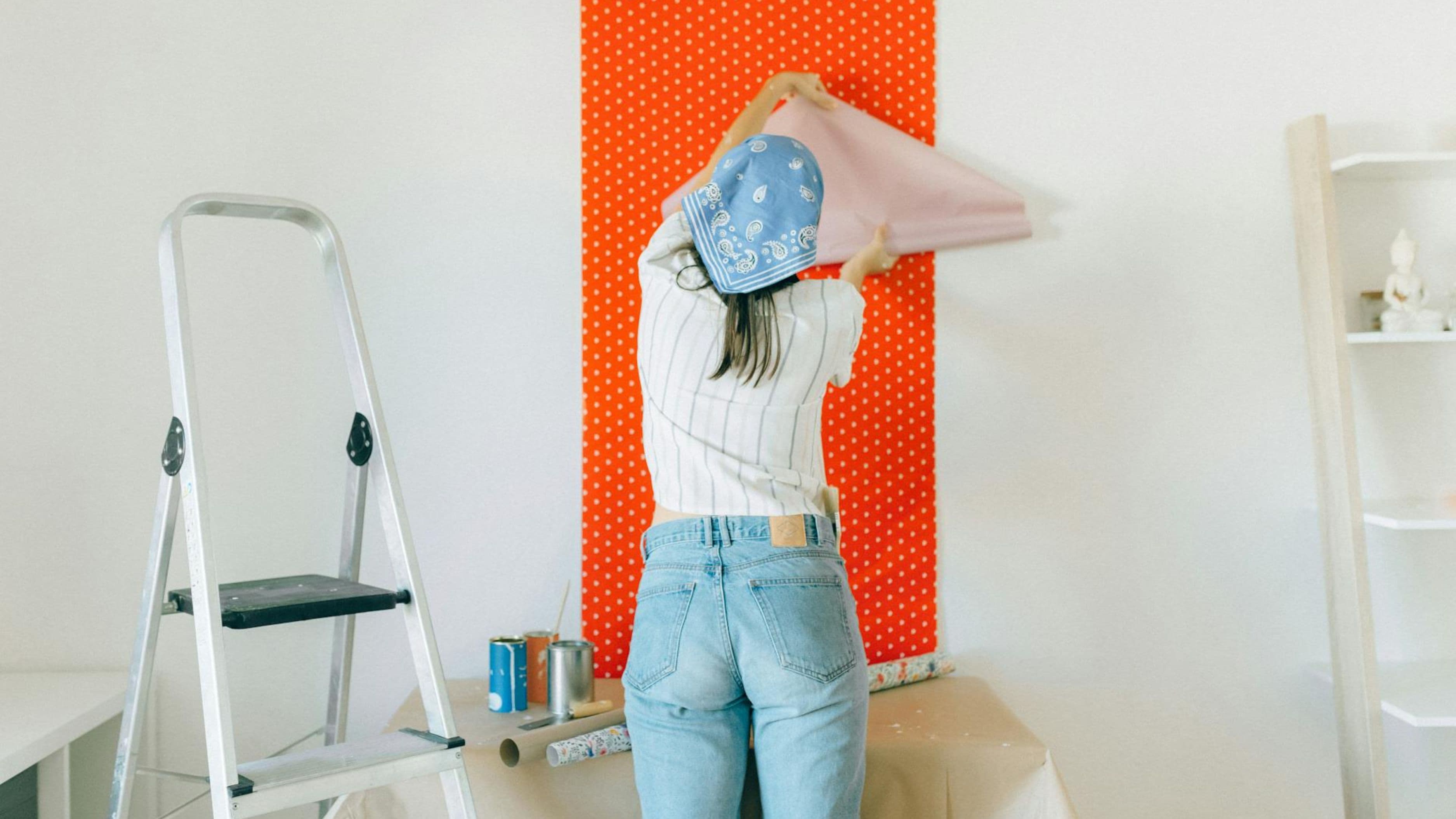

The good news: you can transform a rental significantly without a paintbrush, a drill, or a single line on your lease agreement that makes you nervous. Here's how.
Start With What You Can Control Immediately
Before you spend any money, take stock of what's already changeable. Swap out the lightbulbs – this alone makes a surprising difference. Warm white bulbs (around 2700K) create a completely different atmosphere than the cool, harsh lighting that comes standard in most rentals. Most fixtures accept standard bulbs, and you can swap them back on the way out. This costs under $20 and changes how every room looks at night.
If your rental came with curtains or blinds that are functional but dull, consider storing the originals carefully and putting up your own. Curtain rods can often be installed in existing curtain rod brackets or mounted with tension rods in some window setups. A pair of floor-length curtains in a color or texture you actually like changes the visual weight of a room more than almost anything else. When you leave, reinstall the originals and take yours with you.
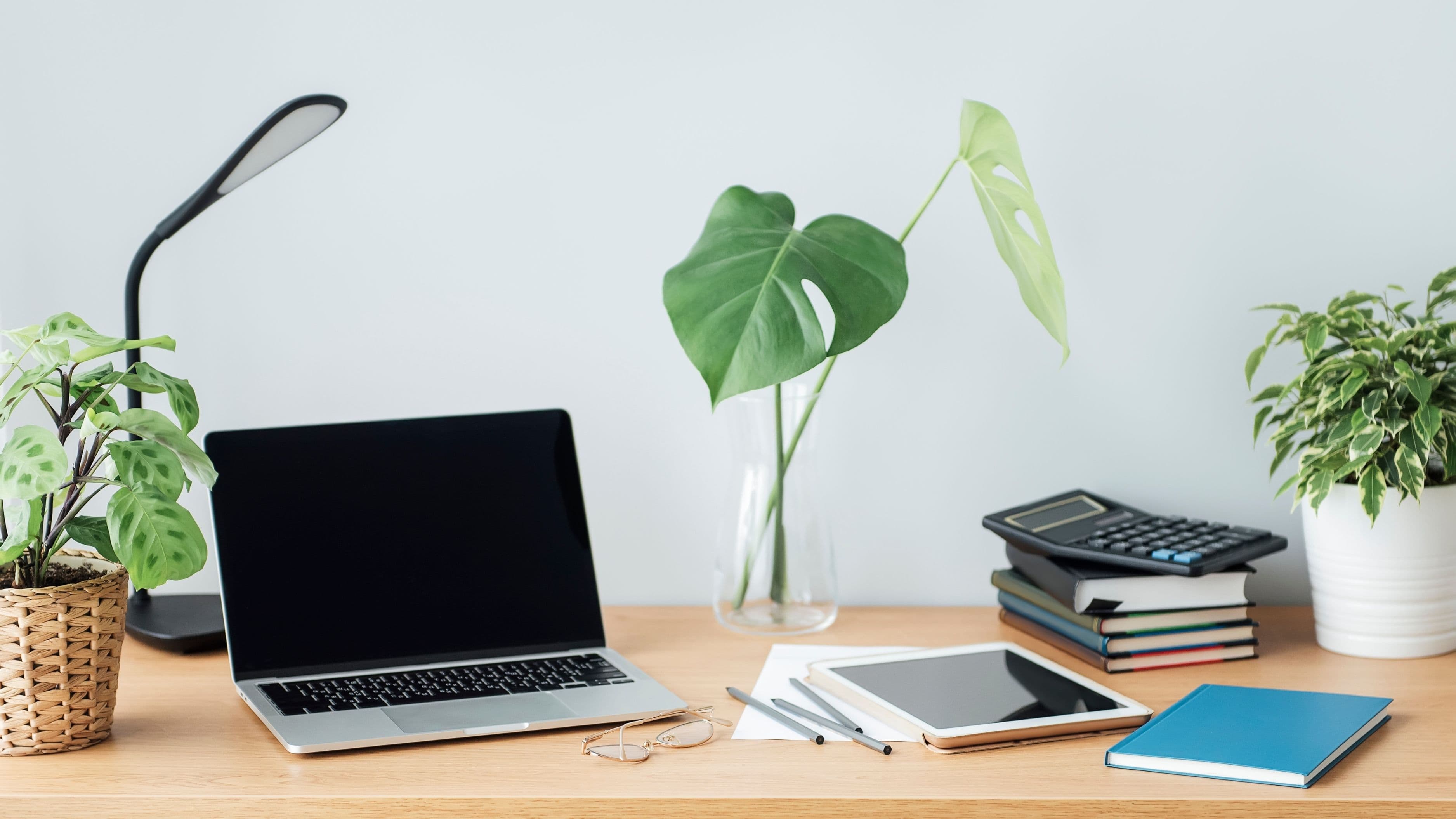
Look at what's on the counters and surfaces. Rentals often feel generic because the surfaces are bare and the storage is utilitarian. A few considered objects – a small plant, a candle, a ceramic bowl for keys – don't require any installation and shift the feeling from "blank" to "inhabited."
Layer With Textiles
Textiles are the single fastest way to personalize a space without making any permanent changes. Rugs, throw blankets, cushions, and curtains are all deposit-safe, all moveable, and all carry an outsized visual impact relative to their cost.
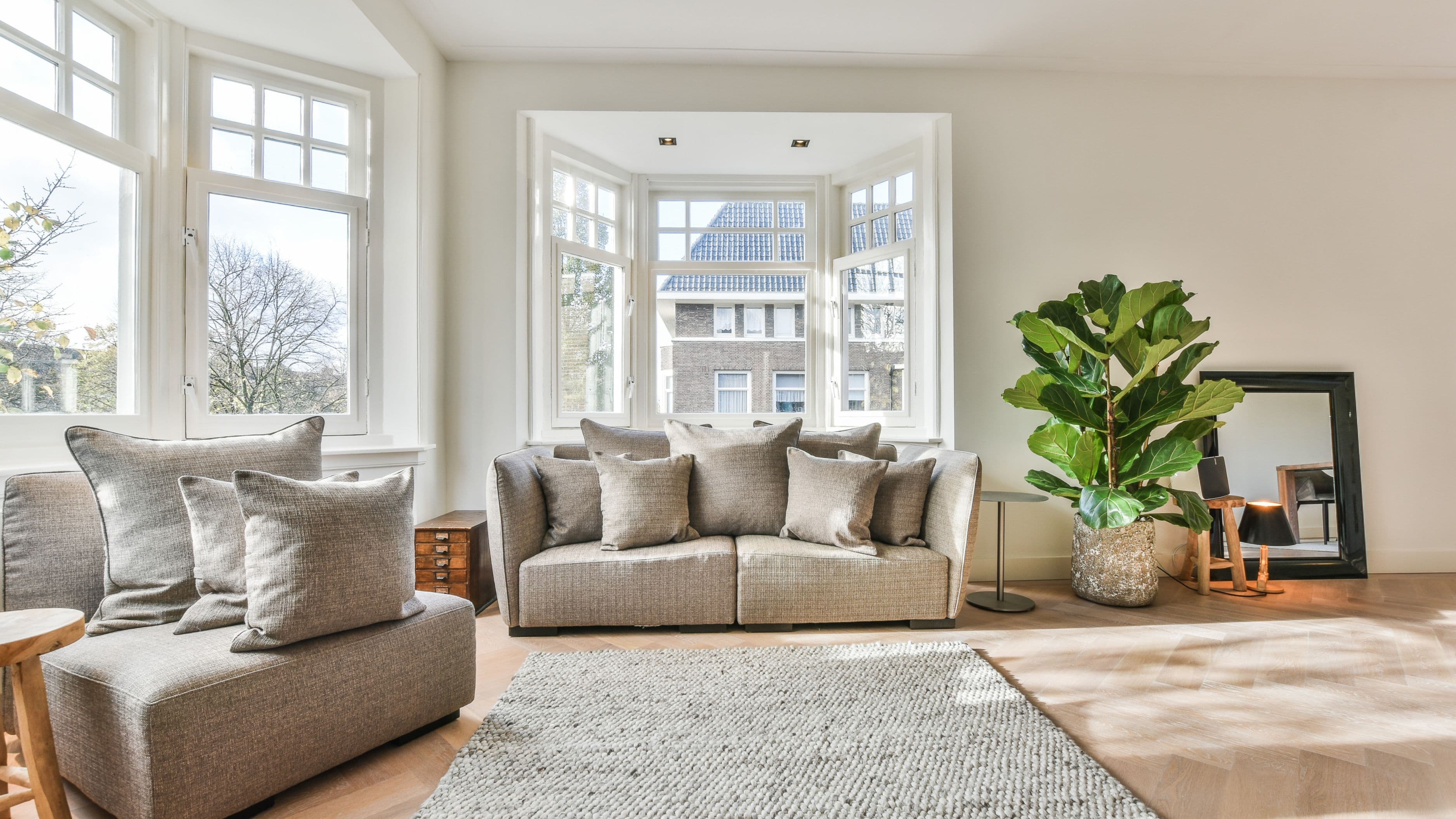
A large area rug on a hard floor changes the acoustics, the warmth, and the visual definition of a room. If your living room has a single overhead light and a blank floor, one good rug makes the whole room feel grounded. It doesn't need to be expensive – many retailers offer large area rugs for under $100 that read as much more significant in a space. The key is choosing something that actually reflects your taste rather than defaulting to whatever's neutral and on sale.
Layer lighter textiles on top of that foundation. A throw blanket draped over the couch, two cushions that weren't there before, a linen table runner – none of these require installation, none of them leave marks, and all of them make the space feel like someone with actual preferences lives there.
Use Command Strips, Velcro, and Poster Putty Strategically
The assumption that you can't hang anything in a rental isn't entirely true – it's that you can't make permanent holes without risking your deposit. The range of damage-free hanging solutions has expanded significantly in the last decade, and when used correctly, they hold more than most people expect.
3M Command strips are rated for different weights and surface types. The large picture-hanging strips handle frames up to 16 pounds on most painted drywall surfaces. Removable adhesive hooks hold lighter items like small mirrors, bags, and lightweight shelves. The critical step most people skip is surface preparation – the adhesive bonds significantly better to a clean, dry surface than to one that hasn't been wiped down first. Clean the wall with rubbing alcohol, let it dry fully, then apply the strip.
Poster putty works for lightweight prints and smaller artwork directly on walls. It rarely leaves marks on properly painted surfaces if removed gently and doesn't pull paint if the wall was painted with a quality finish. Test a small inconspicuous area first if you're uncertain about the paint quality.
Gallery walls assembled entirely with damage-free hardware are now genuinely achievable. A collection of frames in different sizes, arranged on the floor first until you're happy with the layout, then transferred to the wall with command strips, can completely transform a plain wall without a single nail.
Bring in Plants
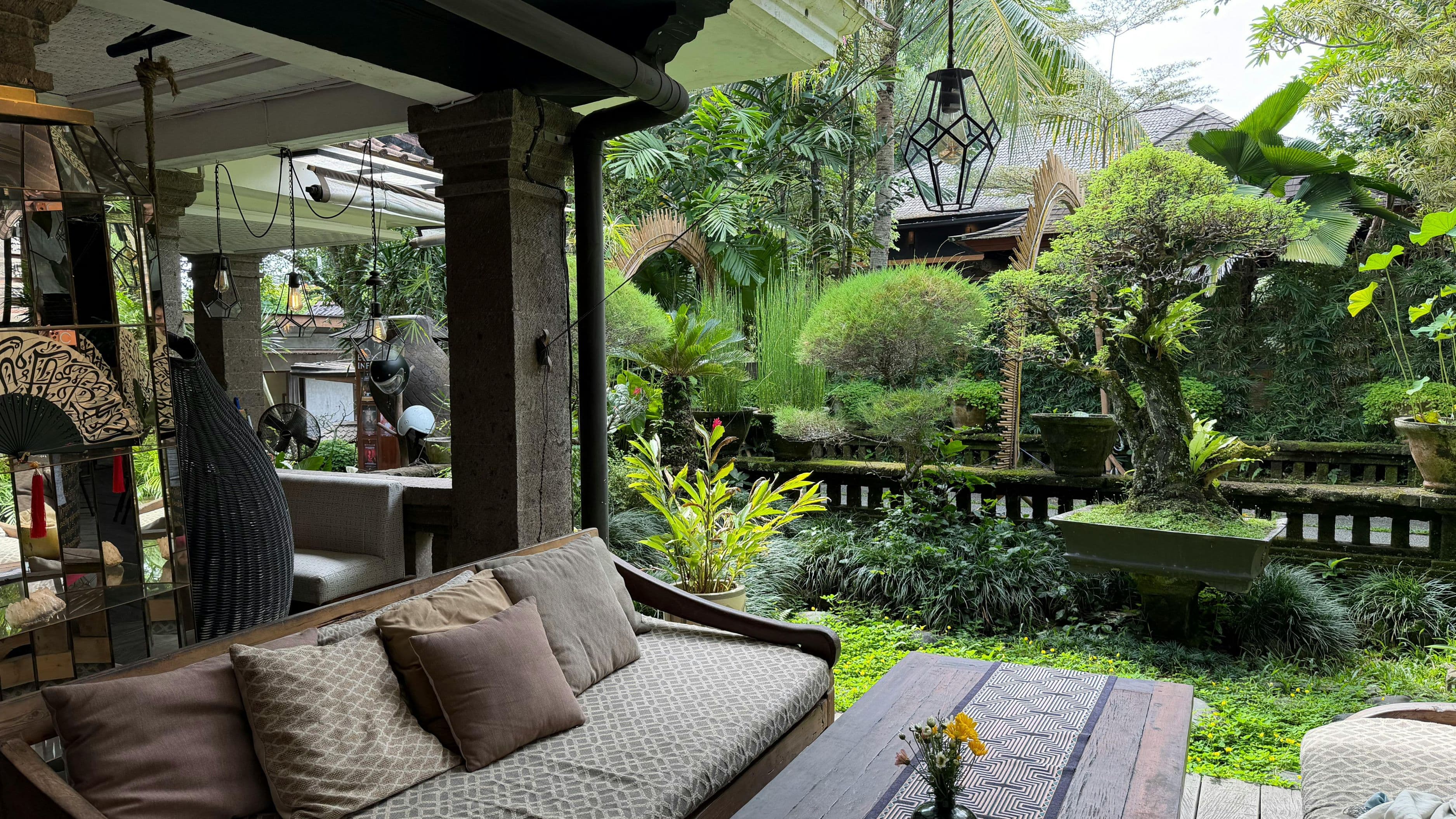
Plants do something to a space that's hard to replicate with objects. They add life, literally, and that aliveness changes the feel of a room in a way that's both subtle and significant. They also add color and texture in a form that's entirely moveable and costs nothing to remove when you leave.
If you don't have a strong track record with plants, start with varieties that genuinely tolerate neglect: pothos, snake plants, ZZ plants, and rubber trees are all low-maintenance, grow well in a range of light conditions, and look substantial even as smaller plants. A snake plant in a corner or a pothos trailing from a shelf costs $10–$20 and lasts years with minimal intervention.
If direct light is limited in your rental, look at plants that thrive in lower light rather than trying to grow sun-loving varieties in a north-facing window. Matching the plant to your actual conditions is the difference between something that grows and something that struggles.
Rethink the Furniture Layout
Most people put furniture against the walls when they move in and never move it again. It's an understandable default, but it's usually not the most livable arrangement. Floating furniture toward the center of a room – pulling the sofa away from the wall, creating a clear conversation grouping, defining separate zones in an open plan – often makes a space feel both larger and more intentional.
Before buying anything new, experiment with what you have. Rearranging furniture costs nothing, leaves no marks, and sometimes reveals that the room was more workable than it seemed. The goal is to arrange the room for how you actually use it, not for how it photographs on a listing.
If a piece of furniture isn't working – the coffee table is the wrong height, the bookshelf is too small for the wall – it's worth addressing with a replacement before buying more things to fill the space around it. One piece of furniture that's the right size for the room does more than three that aren't.
Upgrade the Details That Landlords Often Neglect
Some rentals come with fixtures and details that are fine functionally but aesthetically dated. In some cases you can upgrade these temporarily without any permanent changes, and restore them before you leave.
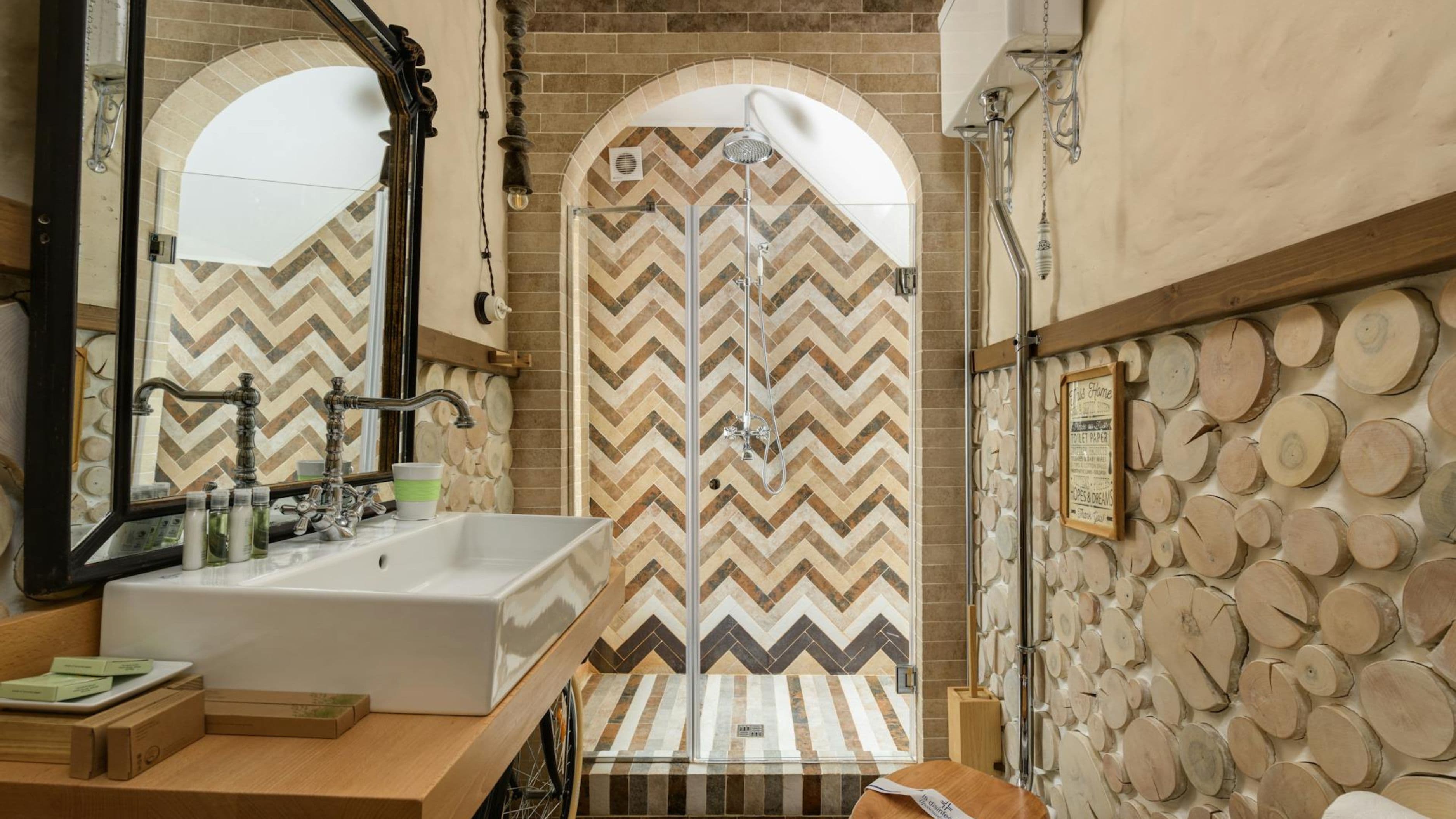
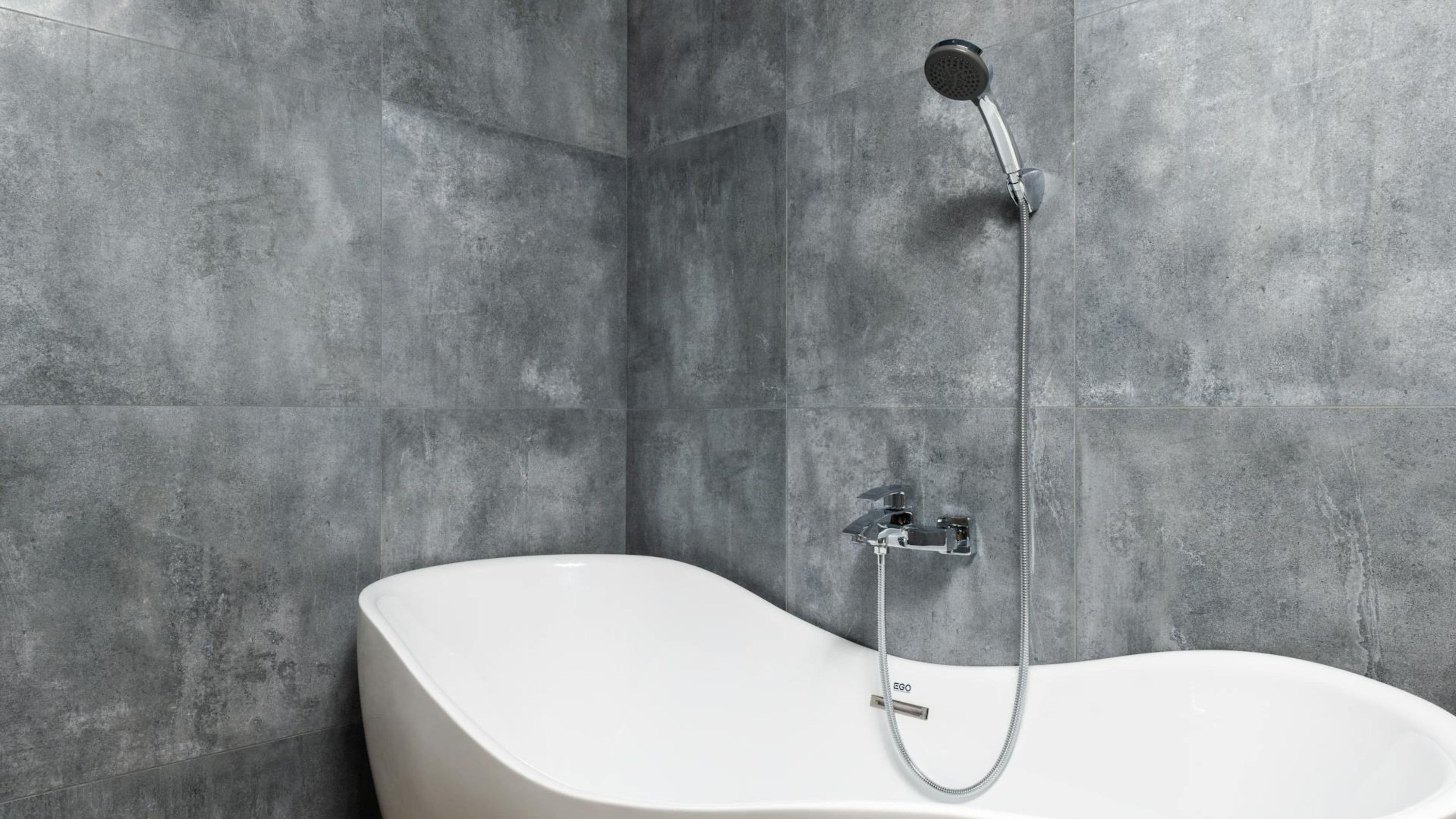
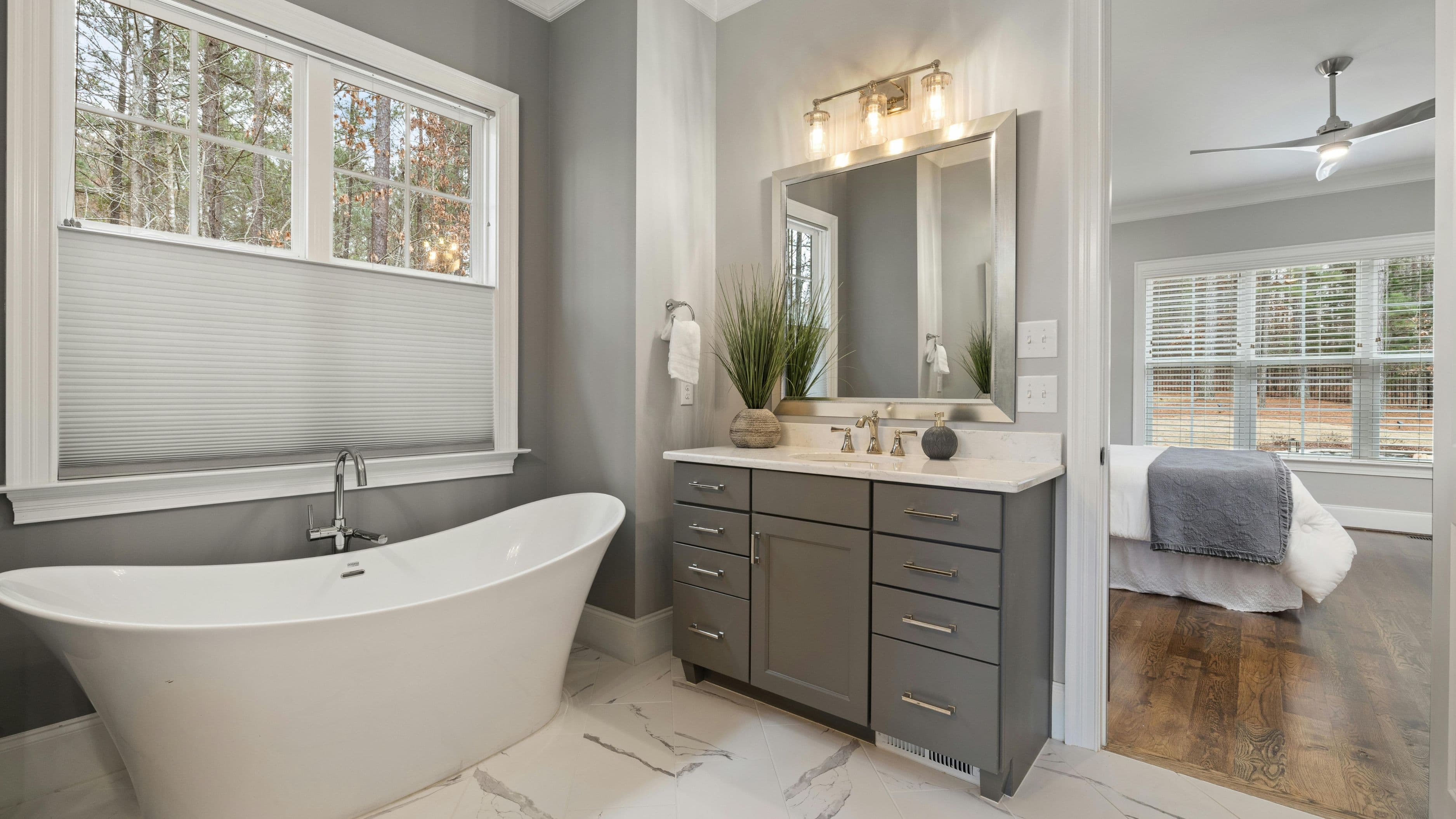
Showerheads are one of the easiest and most impactful swaps. A good handheld showerhead or a rainfall model costs $30–$80 and screws on and off in five minutes. Keep the original and reinstall it when you leave. The experience of a good shower in your own space is worth far more than $50.
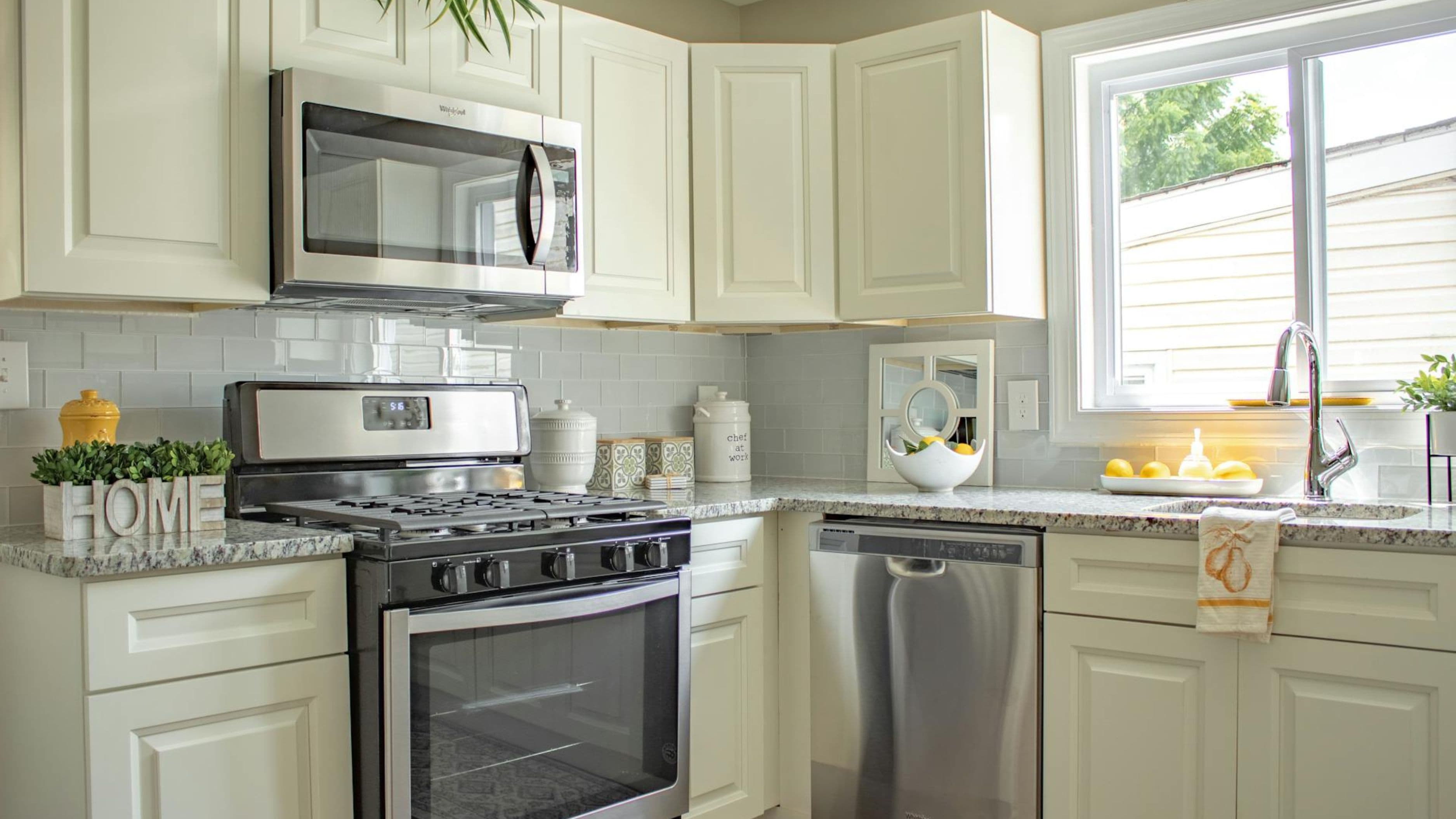
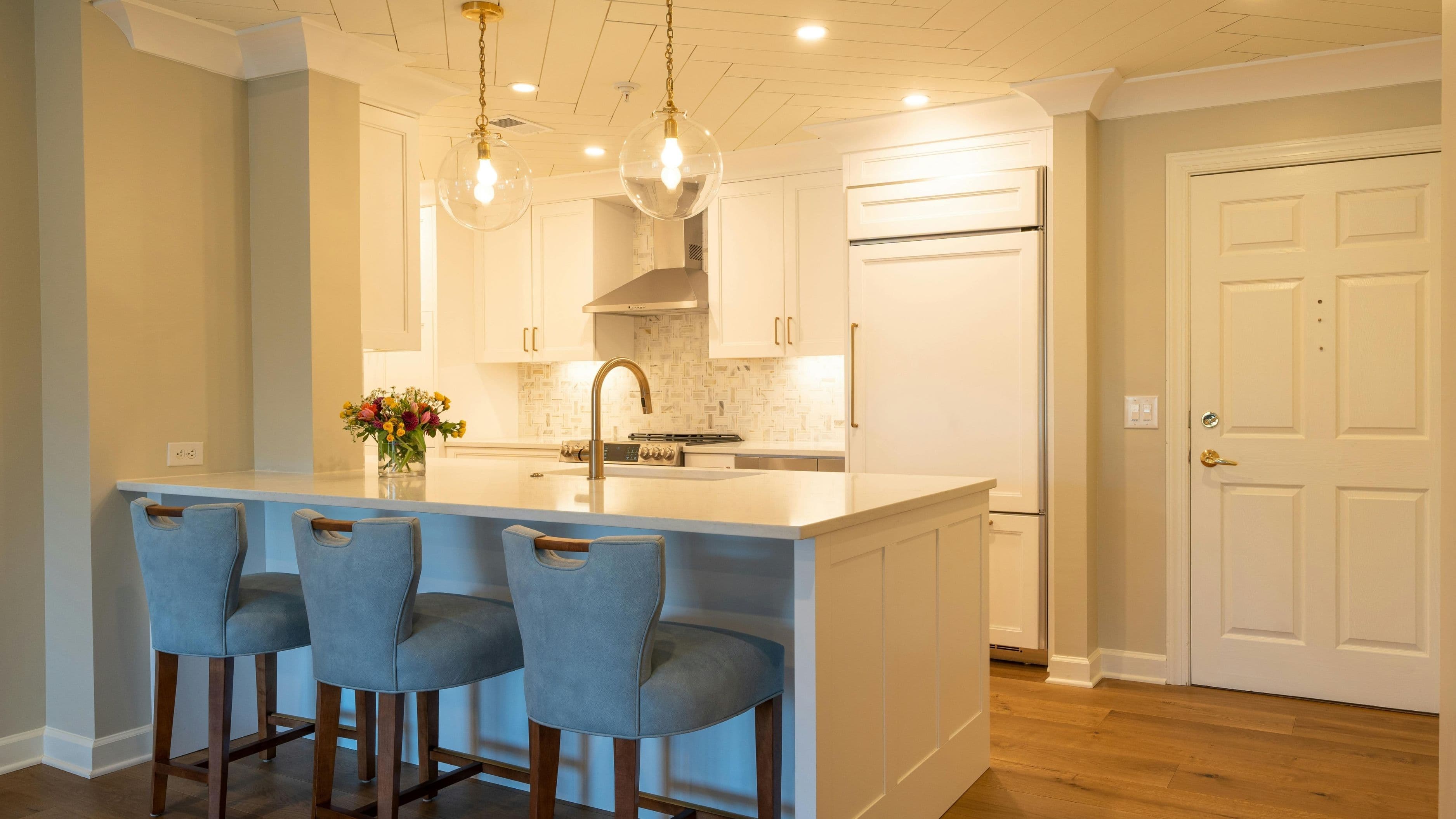
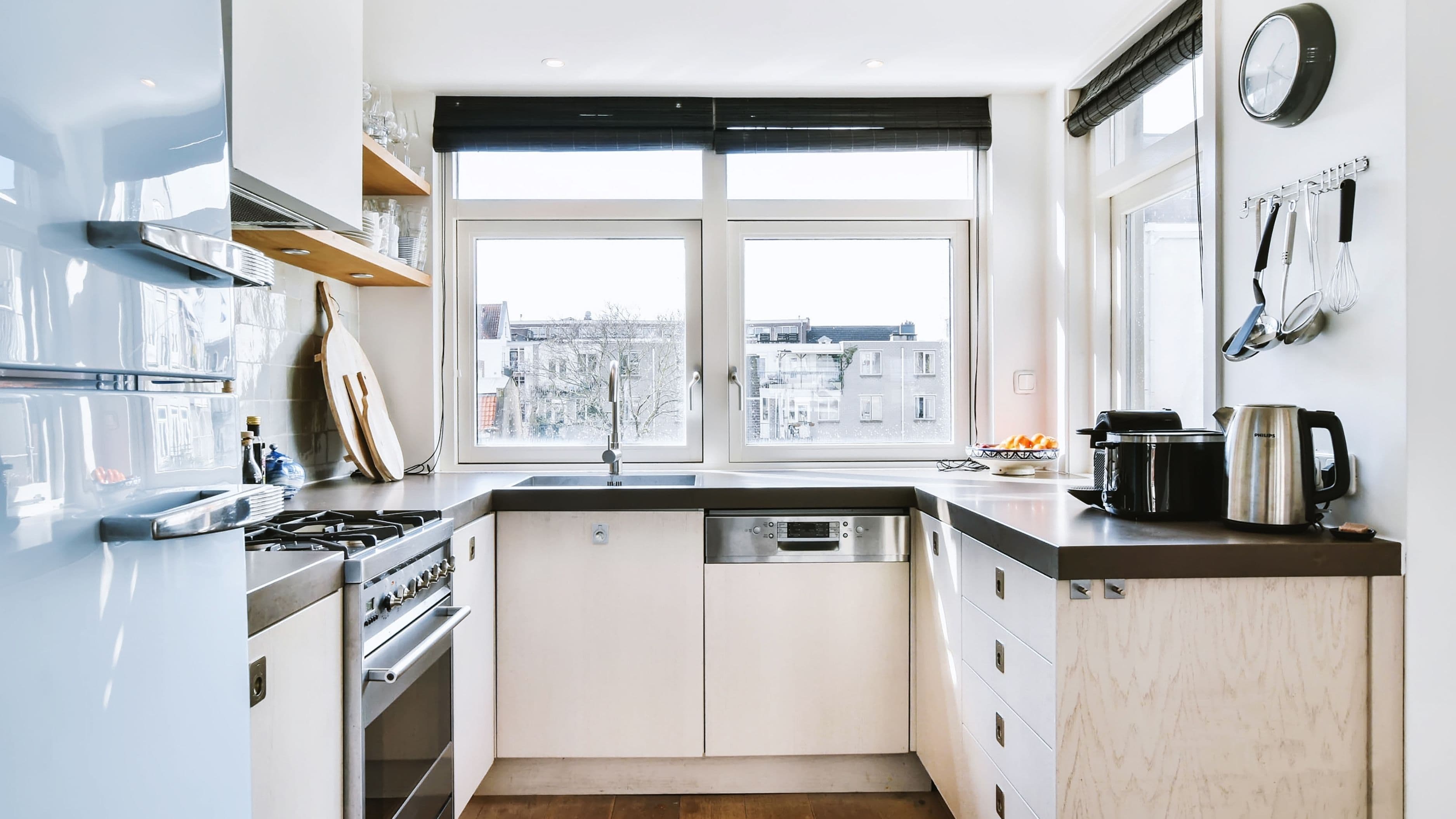
Cabinet hardware is another. If your kitchen cabinets have pulls or knobs you dislike, you can often unscrew the existing ones, store them carefully, and install hardware you prefer using the same holes. It takes about 20 minutes and completely updates the look of a kitchen. Reinstall the originals when you move out.
Under-cabinet stick-on lights, peel-and-stick contact paper on surfaces that aren't working for you, and removable tile stickers for a dated backsplash are all renter-friendly surface updates that are easy to apply and easy to remove.
The 30-Day Approach: Small Changes That Compound
You don't need to do all of this at once, and you probably shouldn't. Trying to make a rental feel completely like yours in a single weekend usually results in spending more than you planned and less satisfaction than you hoped for. A steadier approach over a month produces a more thoughtful result.
In the first week, handle the free and almost-free changes: lightbulbs, rearranging furniture, moving things around to see what works. In the second week, add textiles – a rug, a throw, cushions if you need them. In the third week, assess the walls and surfaces: is there a gallery wall that would help? A plant or two? In the fourth week, look at the upgrades – showerhead, cabinet hardware, under-cabinet lighting if the kitchen needs it.
By the end of 30 days you'll have a space that genuinely reflects your taste and actually feels like somewhere you live, rather than a place you're staying. And you'll have done it without a single thing that risks your deposit.
What to Avoid
Taking shortcuts with adhesive products is the most common mistake. Command strips and removable adhesives work reliably when applied to clean surfaces and removed correctly – meaning slowly, per the instructions, not yanked off. Rushing removal pulls paint. If you're unsure, practice the removal technique in a hidden area first.
Buying too much too fast is the other common error. Rentals tend to accumulate things quickly when you're trying to make them feel like home, and overcrowding a space makes it feel smaller and more cluttered, not more personalized. One well-chosen rug or a single gallery wall often does more than a dozen smaller additions.
Assuming you can't negotiate with your landlord is a mistake worth reconsidering. Many landlords are open to allowing minor modifications – a specific paint color in one room, installing a ceiling fan, mounting a TV bracket – if you ask directly and offer to restore the original condition on departure. The worst outcome is a no, and the conversation costs nothing.
FAQ
Will Command strips really hold without damaging walls? Yes, when applied to clean surfaces and removed correctly. The key is prep (clean the wall with rubbing alcohol first), the right product weight rating for what you're hanging, and slow removal per the instructions. On freshly painted walls or walls with low-quality paint, test a small area first.
Can I paint an accent wall in a rental? It depends entirely on your lease and landlord. Some leases explicitly prohibit painting; others require written permission. Some landlords say yes if you commit to repainting it on departure; others are open to certain colors. Ask before you paint – don't assume the answer is no.
What's the best first change to make in a new rental? Lightbulbs. It costs almost nothing, takes ten minutes, and immediately changes the atmosphere of every room. Switch to warm white LEDs (2700K) and notice the difference the first night.
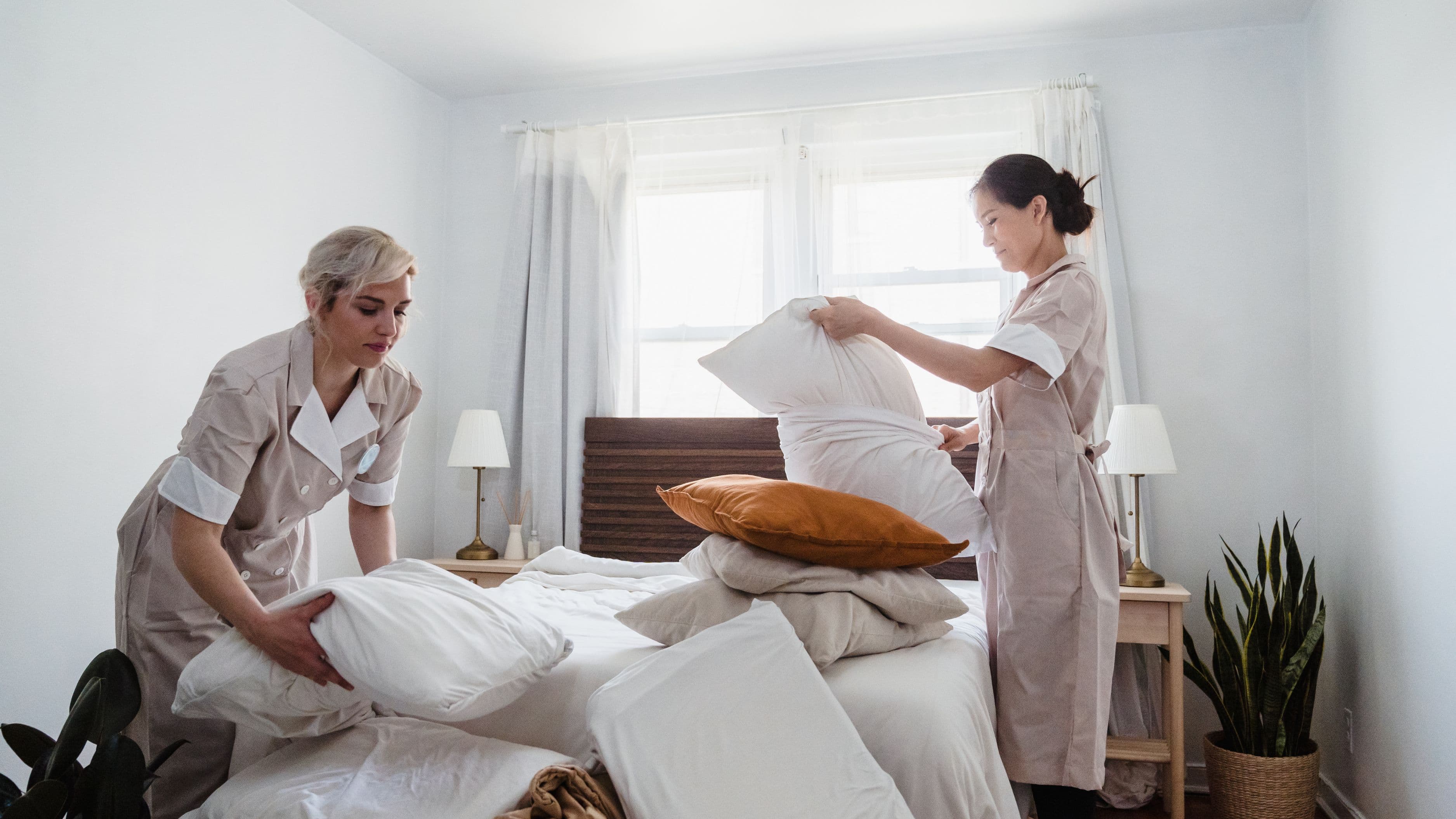
How do I make a rental bedroom feel less generic? Focus on the bed first. Good bedding – a duvet in a color or texture you love, two or three pillow configurations that feel right to you – transforms a bedroom more than any other single change. Add a rug if the floor is hard, a lamp on the nightstand for warmer light, and a curtain that blocks more light if sleep is a priority.
Is it worth investing significantly in a rental? In most cases, yes – within reason. You spend most of your time at home, and living somewhere that feels comfortable and like yours improves daily life in real, measurable ways. The threshold worth thinking about is whether the investment is in things you'll take with you (rugs, textiles, furniture, plants) rather than things attached to the property. Invest in your belongings; be cautious with permanent modifications.
Your rental doesn't have to feel like a waiting room for the place you actually want to live. With a few deliberate choices – and none of them requiring a conversation with a contractor or a clause in your lease – you can make it genuinely yours.
📚 Sources
The Spruce – Renter-friendly decorating ideas that don't damage walls: https://www.thespruce.com/renter-friendly-decorating-ideas-4171847
3M Command – Product guides and weight ratings: https://www.command.com/3M/en_US/command/products/
Apartment Therapy – How to decorate a rental without losing your deposit: https://www.apartmenttherapy.com/rental-decorating-tips-deposit-36643962
HGTV – Decorating a rental apartment: https://www.hgtv.com/design/rooms/living-and-dining-rooms/decorating-a-rental-apartment