
Here's a gentle, 30-day approach to easing back into that connection, one small piece at a time.
What Changes Over 30 Days
This isn't about transforming your life in a month – burnout recovery doesn't work on that kind of timeline, and expecting it to often adds more pressure than help. What this approach can realistically build over 30 days is a bit more clarity about what actually feels good to you again, a handful of small habits that create space for reflection, and a gentler relationship with yourself as you come back online after a depleted stretch.
Week 1: Just Notice, Don't Fix Anything Yet
The first week is about observation, not action. Burnout tends to flatten everything into autopilot, so before making changes, it helps to simply notice what your days actually feel like. Keep a small, low-effort log – just a few words at the end of each day about your energy level and mood – without trying to interpret or fix anything yet. This isn't about being productive with the information; it's about starting to see patterns you may have stopped paying attention to during the burnout itself.
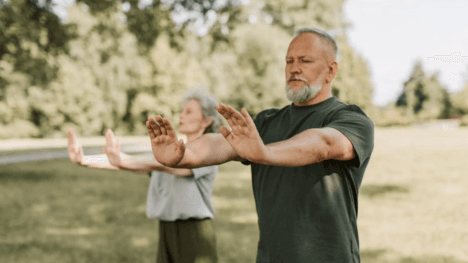
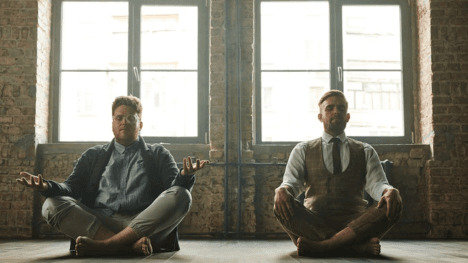
Alongside this, try reintroducing one small moment of stillness each day, even just five minutes without a screen or a task attached to it. The goal isn't meditation in a formal sense – it's just giving your mind a small window without input, since burnout often leaves people so used to constant stimulation that quiet can initially feel uncomfortable before it feels restorative.
Week 2: Reconnect With Small Preferences
Once you've spent a week simply noticing, start gently reintroducing small choices based on what you actually want, rather than what's expected or easiest. This might mean choosing what to eat based on what sounds good rather than what's fastest, picking a show or a book because it genuinely interests you rather than because it's background noise, or taking a different route on a walk because it looks nicer, not because it's more efficient.
These choices seem small, but burnout often erodes the habit of consulting your own preferences at all, since survival mode doesn't leave much room for "what do I actually want." Practicing this on a small scale is how that internal check-in starts to come back online.
Week 3: Reintroduce One Thing You Used to Enjoy
By the third week, pick one activity you used to genuinely enjoy before burnout set in, and make space for it once or twice, without pressure to enjoy it as much as you used to right away. This could be a hobby, a type of exercise, time with a specific person, or a creative outlet – something that used to feel like "you" rather than an obligation.
It's worth being honest that this might feel different than it used to, and that's a normal part of the process rather than a sign something's wrong. Burnout can temporarily dull the capacity to feel enjoyment, a pattern sometimes called anhedonia, and that capacity typically returns gradually as recovery continues, not all at once the moment you pick the activity back up.
Week 4: Build a Small, Sustainable Rhythm
In the final week, look back at what's actually felt good from the previous three weeks, and choose one or two of those things to build into an ongoing, low-pressure rhythm rather than trying to keep everything going at once. This might be the daily stillness practice, the habit of checking in with your own preferences, or the reintroduced hobby – whichever genuinely added something rather than feeling like another task on the list.
The goal here isn't to lock in a rigid new routine, but to identify what's worth carrying forward naturally, since sustainable change tends to come from a small number of things done consistently rather than a large number of things done briefly.
Mindset Tips Along the Way
Progress here is rarely linear, and it's common to have days that feel like a step backward even while the overall trend is moving in the right direction. Try not to treat a low day as evidence that nothing is working – burnout recovery tends to move in waves rather than a straight line upward. It also helps to release the expectation of feeling "like your old self" by day 30. This process is less about returning to exactly who you were before and more about gradually reconnecting with what feels true for you now, which may look a little different than it did before burnout, and that's genuinely okay.
Mistakes to Avoid
Trying to fix everything at once – overhauling your schedule, forcing enjoyment, pushing through resistance – tends to backfire and can trigger the same overwhelm that contributed to burnout in the first place. Judging your progress against how you felt or functioned before burnout, rather than where you're actually starting from now, sets up an unfair comparison that can make real progress feel invisible. And skipping the noticing phase to jump straight into action often means building new habits on top of patterns you haven't actually examined yet, which makes them harder to sustain.
FAQ
How do I know if what I'm feeling is burnout or something more serious? If low mood, exhaustion, or loss of interest persists significantly beyond a few weeks of rest and gentle recovery efforts, or if it's affecting your ability to function day to day, it's worth talking to a doctor or therapist, since they can help distinguish burnout from other conditions that may need different support.
What if I don't feel like doing any of these steps some days? That's normal, and forcing it usually backfires. On lower-energy days, scaling back to just the noticing step, or skipping a day entirely, is a reasonable and often healthier choice than pushing through out of guilt.
Is it normal to not enjoy things the way I used to right away? Yes. A temporarily reduced capacity for enjoyment is a common experience during and after burnout, and it typically improves gradually as recovery continues rather than all at once.
Do I need to do all four weeks in order? The structure is a helpful guide, not a strict rule. If a particular week's focus doesn't resonate yet, it's fine to stay longer on an earlier step or revisit steps out of order based on what feels right for you.
📚 Sources
World Health Organization – Burn-out an "Occupational Phenomenon", https://www.who.int/news/item/28-05-2019-burn-out-an-occupational-phenomenon-international-classification-of-diseases
American Psychological Association – Burnout and Stress, https://www.apa.org/topics/burnout
Mayo Clinic – Job Burnout: How to Spot It and Take Action, https://www.mayoclinic.org/healthy-lifestyle/adult-health/in-depth/burnout/art-20046642