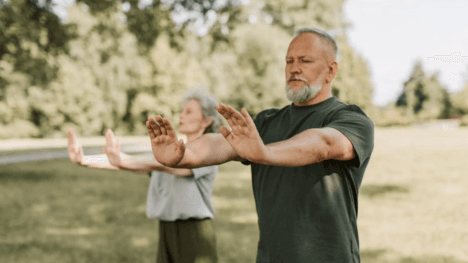

This is a practical look at what acceptance really means, why it's genuinely hard, and small ways to start practicing it without forcing yourself into false positivity.
What Acceptance Actually Means
Acceptance doesn't mean agreeing that a difficult situation is good, fair, or okay. It means acknowledging the reality of what's happening right now, without spending additional energy denying it or wishing it were different. This distinction matters, because a lot of people avoid acceptance out of fear that it means resignation or approval, when really it's just an honest recognition of what's true in this moment.
Resisting a reality you can't change doesn't actually change that reality – it just adds a second layer of suffering on top of the original difficulty. Acceptance is about removing that second layer, not about pretending the first one doesn't exist.
Why This Is Genuinely Hard to Do
Our instinct when facing something painful or unwanted is to fight it, fix it, or escape it, and that instinct serves us well in situations where change is actually possible. The difficulty comes when we apply that same fighting instinct to something genuinely outside our control – a diagnosis, a loss, a decision someone else made that affects us, or circumstances that simply are what they are.
This mismatch between our instinct to fight and a situation that can't actually be fought is where a lot of prolonged suffering comes from. It's not a character flaw or a sign of weakness – it's simply how most of us are wired, and unlearning that instinct in specific situations takes real, intentional practice.
Step 1: Name What You Actually Can't Change
Start by getting specific. Vague acceptance – "I need to just accept things" – is hard to act on because it's too broad. Write down, in plain terms, exactly what part of your situation is genuinely outside your control. This might be someone else's choice, a medical reality, or an outcome that's already happened and can't be undone.
Separating what's genuinely fixed from what still has some flexibility helps you direct your energy more precisely – toward the parts you can still influence, while consciously setting down the parts you can't.
Step 2: Notice When You're Resisting
Resistance often shows up as repetitive thoughts – replaying the same scenario, arguing with reality in your head, or dwelling on how things "should" be different. Simply noticing when you're in this pattern, without judging yourself for it, is a meaningful first step. You can't redirect energy you don't realize you're spending.
A simple practice: when you catch yourself in this loop, gently name it – "I'm resisting this right now" – rather than getting swept further into the thought spiral. This small act of naming creates a bit of space between you and the automatic resistance pattern.
Step 3: Separate the Situation From Your Response to It
You often can't control what happened, but you generally have more influence over how you respond to it moving forward. This isn't about suppressing your genuine feelings – it's about recognizing that your response, unlike the original situation, is still something you have some agency over.
Ask yourself: given that this situation isn't changing, what's one small thing within my control right now? It might be how you spend the next hour, who you reach out to for support, or what boundary you set for yourself moving forward.
Step 4: Let Yourself Grieve What You Expected Instead
Acceptance often requires letting go of an expected version of events that didn't happen – the outcome you hoped for, the timeline you imagined, the version of a relationship or plan that existed in your head. Acknowledging that loss, rather than skipping straight to "moving on," is a genuine part of the acceptance process, not a sign you're failing at it.
Give yourself permission to feel disappointed, sad, or frustrated about what didn't happen the way you wanted, without rushing past that feeling toward forced positivity. Real acceptance tends to follow honest grief, not bypass it entirely.
Step 5: Practice Small Acceptance Before Big Acceptance
Acceptance is a skill that builds with practice, and starting with smaller, lower-stakes situations helps build the muscle before you need it for something genuinely difficult. Practice accepting minor daily frustrations – a delayed train, an unexpected change of plans – as a way of training the same mental pattern you'll eventually need for bigger challenges.
Realistic Expectations
Acceptance isn't usually a single decision you make once and never revisit – it's more often a repeated practice, especially for significant or ongoing situations. You might feel genuine acceptance one day and find yourself back in resistance the next, and that's a completely normal part of the process rather than a sign you're doing it wrong.
Give yourself real time here. Meaningful acceptance of a significant life circumstance often takes weeks or months of practice, not a single afternoon of positive thinking.
What to Avoid
Avoid confusing acceptance with suppressing your genuine feelings about a situation – pretending you're fine when you're not tends to prolong difficulty rather than resolve it. Don't rush yourself or compare your acceptance timeline to someone else's, since everyone processes difficult, unchangeable situations at their own pace.
Be cautious of using "acceptance" language to avoid taking action on things that actually are within your control – genuine acceptance is specifically about the parts of a situation you truly can't change, not an excuse to disengage from parts you still have influence over.
FAQ
Does acceptance mean I have to be okay with what happened? No. Acceptance means acknowledging reality without added resistance – it doesn't require you to feel good about it or agree that it was right.
How long does it typically take to genuinely accept something difficult? This varies enormously by person and situation, and it's common for acceptance to come in waves rather than as one clean, permanent shift.
Can I practice acceptance and still work toward changing my situation? Yes. Accepting the current reality doesn't mean abandoning efforts to improve things going forward – it simply means not spending extra energy fighting the parts that are genuinely fixed.