
What "Plant-Based Eating" Actually Means
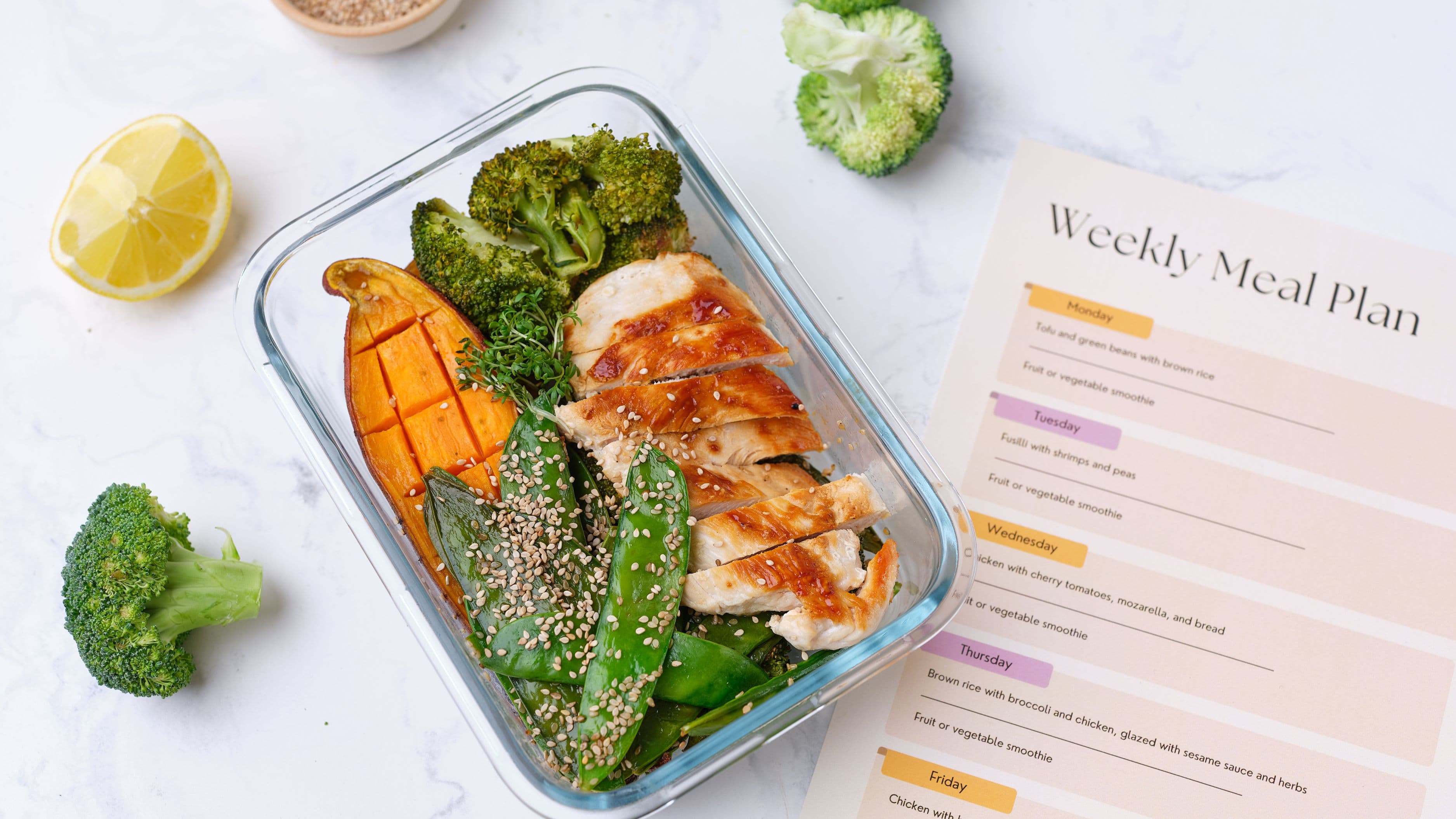
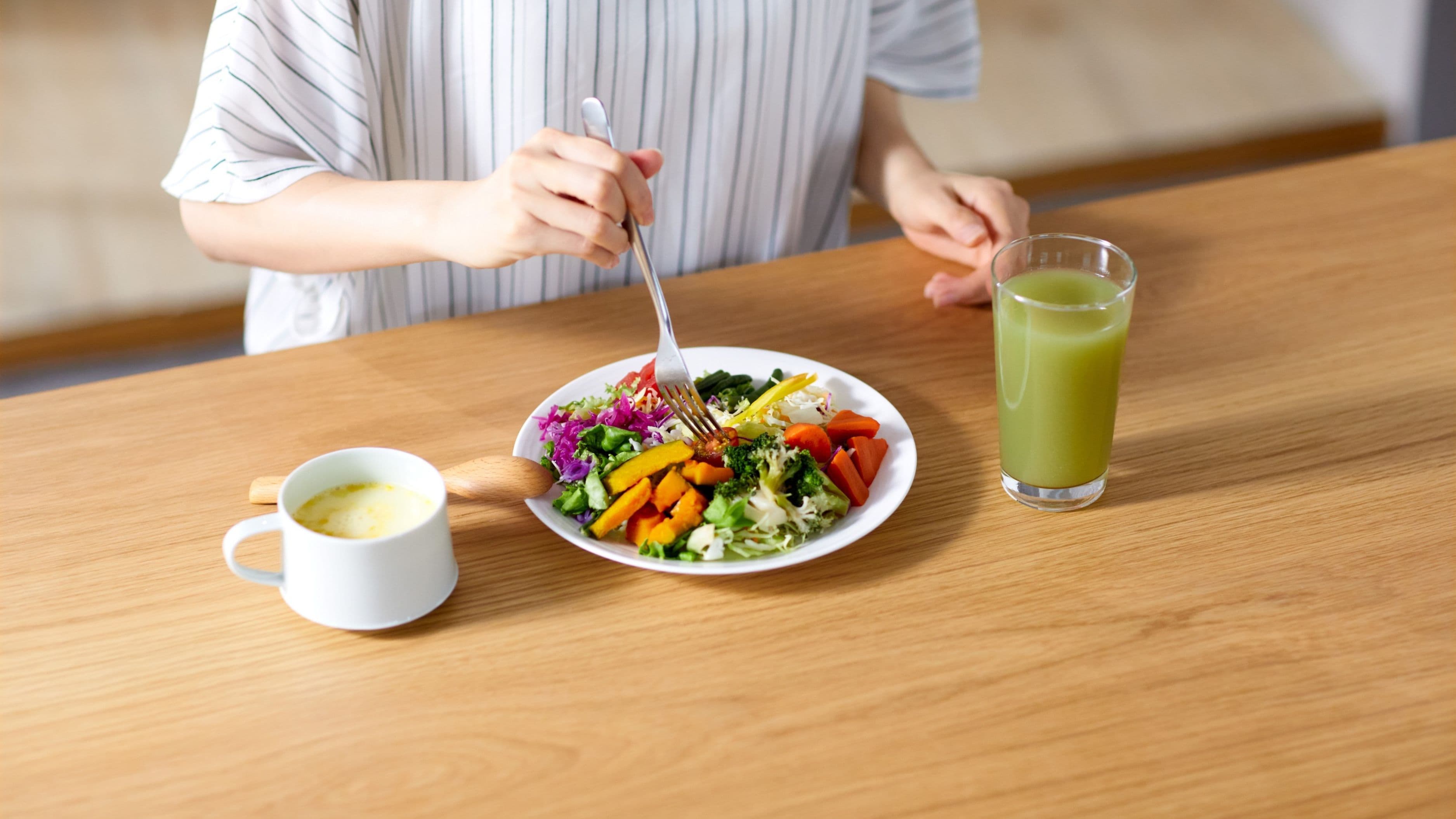
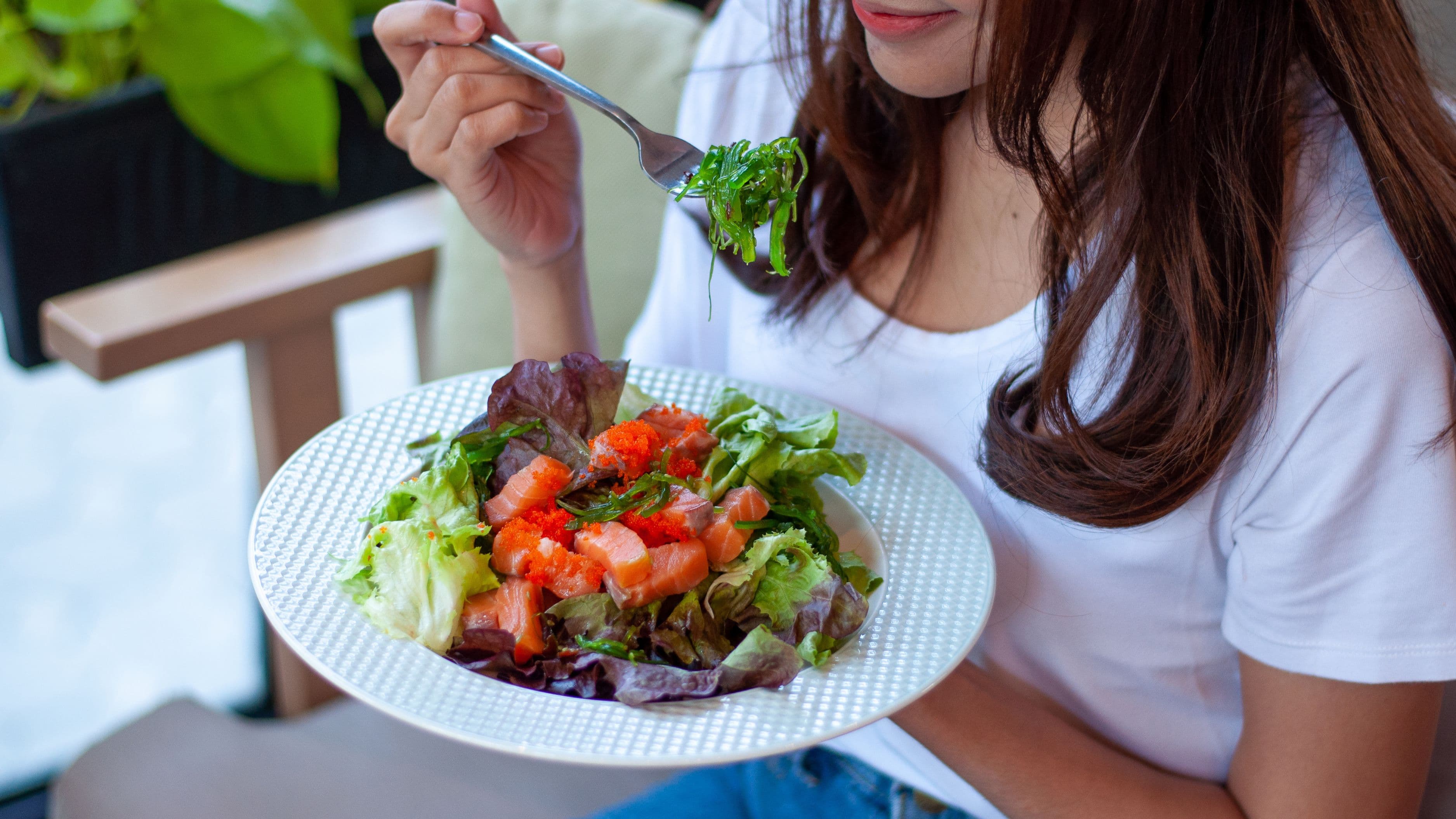
Plant-based eating doesn't have one fixed definition, which is part of why it can feel confusing to explore. At one end, it describes a fully vegan diet with no animal products at all. At the other, it simply describes eating a diet where most of your food comes from plants – vegetables, fruits, legumes, whole grains, nuts, and seeds – while still including some animal products. Most people who shift toward plant-based eating land somewhere in the middle rather than going fully vegan from day one, and that middle ground is where most of the health and lifestyle benefits are accessible without requiring a complete overhaul.
The distinction matters because if you've been imagining plant-based eating means giving up everything you currently enjoy, that's probably not the version of it that would work best for you anyway. Starting with a direction – more plants, fewer processed foods, less reliance on meat as the centerpiece of every meal – tends to produce more sustainable change than a hard switch that feels like deprivation.
The Potential Benefits – What the Evidence Actually Says
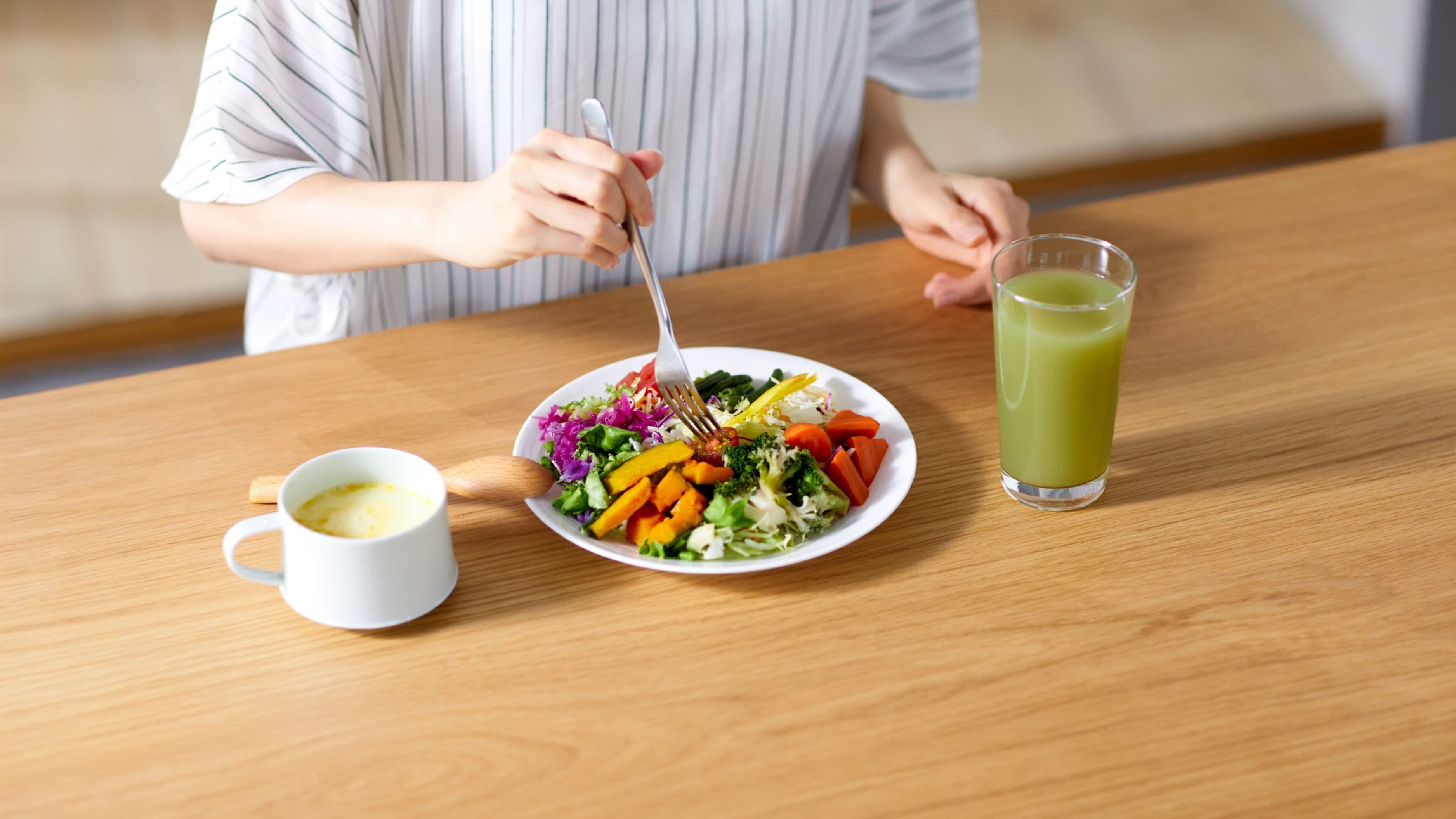
There's genuine, well-established research behind the health case for plant-heavy eating. Diets rich in vegetables, legumes, whole grains, and nuts are consistently associated with lower rates of heart disease, type 2 diabetes, certain cancers, and hypertension. The fiber content alone – which most people in Western countries consume at about half the recommended daily amount – supports digestive health, blood sugar regulation, and a healthy gut microbiome in ways that have downstream effects on everything from energy levels to immune function.
Weight management is another area where plant-based eating tends to perform well, largely because whole plant foods are generally lower in calorie density and higher in fiber than processed foods or animal products, meaning you can eat satisfying volumes without overeating on calories. That said, plant-based eating isn't automatically low-calorie – a diet heavy in nuts, oils, avocado, and processed plant foods can be very calorie-dense. The benefits come from the quality and composition of what you're eating, not just the category.
The environmental angle is real and well-documented. Plant-based diets have a significantly lower carbon footprint than diets heavy in beef and dairy. If environmental impact is part of your motivation, reducing animal product consumption – even without going fully plant-based – has meaningful positive effects.
What to Honestly Consider Before Making Any Changes
The health case for eating more plants is strong, but "eating more plants" and "switching to a plant-based diet" aren't the same thing. Before making a significant change to how you eat, a few questions are worth sitting with honestly.
What's driving your interest? Health, environmental concern, ethical alignment, weight management, and curiosity are all valid motivations – and they lead to different versions of plant-based eating that feel sustainable in different ways. Someone motivated by ethics is more likely to stay fully plant-based than someone who's doing it as a short-term weight loss strategy. Knowing your actual motivation helps you design an approach that matches it.
What does your current diet and health look like? If you have specific health conditions, take medications that interact with certain foods, are pregnant or breastfeeding, or have a history of disordered eating, talking to a doctor or dietitian before making significant dietary changes is genuinely worthwhile. Plant-based eating is appropriate for most people at most life stages, but the specifics – especially around nutrients like iron, calcium, and vitamin B12 – matter more in some situations than others.
How does your household eat? Changing how you eat affects everyone you share meals with, and if cooking one meal for yourself and a different one for the rest of your family isn't realistic, that context shapes what kind of change is actually sustainable. Many people navigate this by making shared meals that happen to be plant-based rather than building two separate meal tracks.
What's your relationship with cooking? Plant-based eating from whole foods requires more cooking from scratch than a diet reliant on meat-and-packaged-sides convenience. If you're starting from a place of not cooking much at all, building the cooking habit and shifting toward plant-based eating simultaneously is a lot to take on. It might make sense to improve one before adding the other.
The Nutritional Considerations Worth Understanding
A well-planned plant-based diet can meet all your nutritional needs. A poorly planned one can leave gaps that affect how you feel and function. The nutrients that require the most deliberate attention when eating plant-based are worth knowing about before you start.
Vitamin B12 is the most important one to understand. B12 is found almost exclusively in animal products, and it's essential for nerve function, red blood cell formation, and DNA synthesis. If you're reducing animal products significantly or going fully plant-based, supplementing B12 is important – this isn't optional. Deficiency develops slowly but has serious consequences. B12 supplements are inexpensive and widely available.
Iron from plant sources (non-heme iron) is absorbed less efficiently than iron from meat (heme iron). This doesn't mean you can't get enough iron on a plant-based diet – legumes, tofu, leafy greens, seeds, and fortified cereals all contain iron. But it does mean pairing iron-rich plant foods with vitamin C sources helps absorption, and it's worth being aware of if you're someone who's had low iron levels before.
Calcium is manageable on a plant-based diet through fortified plant milks, leafy greens like kale and bok choy, tofu made with calcium sulfate, and other sources. The concern isn't that plant-based diets are inherently low in calcium, but that the most familiar calcium source (dairy) is being reduced, so you need to consciously replace it.
Protein is less of a concern than popular conversation often suggests, but it does require thought. Complete proteins – containing all nine essential amino acids – are found in animal products but also in soy, quinoa, and buckwheat among plant foods. Eating a variety of plant proteins (legumes, grains, nuts, seeds) throughout the day naturally provides the full range of amino acids even without combining them perfectly at every meal.
Omega-3 fatty acids from marine sources (EPA and DHA) are found in limited amounts in plant foods. Flaxseed, chia seeds, and walnuts contain ALA, which your body converts to EPA and DHA at a relatively low rate. If you're fully eliminating seafood, an algae-based omega-3 supplement is a practical way to fill this gap.
The simplest overall guidance: eating a varied, colorful, whole-food plant-based diet with a B12 supplement handles most of these considerations automatically. Where it gets more complicated is when plant-based eating slides into heavy reliance on processed plant foods – meat alternatives, vegan junk food, plant-based convenience meals – which can lack the nutritional density of whole plant foods despite fitting the "plant-based" label.
How to Start Without Overhauling Everything at Once
If you're considering moving toward plant-based eating, the most sustainable approach for most people isn't a hard switch. It's a gradual increase in plant-forward meals that builds new habits over weeks and months rather than requiring a complete overnight change.
A practical starting sequence: spend the first two weeks simply adding more plant protein to meals you already make, without removing anything. Add lentils to a pasta sauce, swap chicken for chickpeas in a curry once a week, add a side salad with nuts and seeds. Notice what you actually like. In weeks three and four, make one or two fully plant-based meals per week that are genuinely satisfying – not just a plate of vegetables but a well-seasoned, filling meal that you'd want to eat again.
From there, you can keep adjusting the ratio as far as feels right for you. Some people land at flexitarian – mostly plant-based with occasional meat or fish. Some get comfortable enough to go fully plant-based. Others find a sustainable balance at a significantly increased plant intake without fully eliminating animal products. All of these represent real improvements over the standard diet most people eat, and the right endpoint is the one you'll actually maintain.
Common Mistakes to Avoid
Replacing meat with heavily processed plant-based alternatives as your primary protein strategy is a common early mistake. Products like plant-based burgers and sausages are fine occasionally, but leaning on them heavily means you're eating a high-sodium, often high-fat processed food diet that happens to be plant-derived rather than genuinely improving your eating pattern.
Cutting too fast without planning nutrient replacements leads to fatigue, low energy, and cravings that make people feel like plant-based eating doesn't work for them personally, when the issue was actually a poorly planned transition. Taking the time to understand where you're getting protein, B12, iron, and calcium from your new eating pattern before fully removing the sources you're used to is time well spent.
Treating every social eating situation as a problem to manage rather than an experience to enjoy creates unnecessary stress around food. Eating plant-based most of the time while being flexible in situations where good plant-based options aren't available is a completely valid approach – and more sustainable than treating every deviation as a failure.
FAQ
Do I need to go fully vegan to benefit from plant-based eating? No. Research consistently shows that significant health benefits come from increasing plant food intake and reducing processed food and red meat consumption – not specifically from eliminating all animal products. A diet that's mostly plant-based with occasional fish, eggs, or dairy can have essentially the same health profile as a fully vegan diet for most people.
Will I lose weight if I go plant-based? Possibly, but it depends on what you're eating and how much. Whole-food plant-based diets tend to be lower in calorie density and higher in fiber, which supports weight management for many people. A plant-based diet heavy in oils, nuts, avocado, and processed foods doesn't automatically produce weight loss.
Is plant-based eating expensive? It can be, but it doesn't have to be. The most affordable proteins in almost any grocery store are dried legumes – lentils, beans, chickpeas – which are often the cheapest items per gram of protein available. Frozen vegetables, whole grains bought in bulk, and seasonal produce keep costs low. The expensive version of plant-based eating involves a lot of specialty products, nut cheeses, and protein powders – none of which are necessary.
What about eating plant-based and building muscle? Fully possible with adequate total protein intake and a good variety of plant proteins. Athletes and bodybuilders who eat plant-based diets succeed by ensuring sufficient overall calorie intake, prioritizing high-protein plant foods (tofu, tempeh, edamame, lentils, seitan), and often using plant-based protein powder to hit protein targets conveniently. It requires a bit more planning than a meat-inclusive diet but isn't a significant barrier.
What's the best first step to try plant-based eating without committing? Start with one fully plant-based day per week – often called "Meatless Monday" – and make it a day where you cook something genuinely delicious rather than just removing meat from your usual meals. A well-made lentil soup, a chickpea curry, or a grain bowl with roasted vegetables and tahini sauce shows you what plant-based eating at its best actually tastes like, which is a much better introduction than a plate of sad steamed vegetables.
📚 Sources
Harvard T.H. Chan School of Public Health – Protein: https://www.hsph.harvard.edu/nutritionsource/what-should-you-eat/protein/
National Institutes of Health Office of Dietary Supplements – Vitamin B12: https://ods.od.nih.gov/factsheets/VitaminB12-Consumer/
The Lancet – Food in the Anthropocene: The EAT-Lancet Commission: https://www.thelancet.com/commissions/EAT
Mayo Clinic – Vegetarian Diet: How to Get the Best Nutrition: https://www.mayoclinic.org/healthy-lifestyle/nutrition-and-healthy-eating/in-depth/vegetarian-diet/art-20046446
British Dietetic Association – Plant-Based Diet: https://www.bda.uk.com/resource/plant-based-diet.html