The good news is that a shared meal prep system for two people with different needs is genuinely workable once you understand one key idea: you're not trying to find meals you both eat exactly the same way. You're building a shared kitchen infrastructure where most of the effort is done once, and the divergence happens at the end. Once that clicks, the whole thing gets a lot more manageable.
Start by Mapping the Actual Differences
Before you change anything about how you cook, spend ten minutes actually writing out what you each need and what you both can eat. Most couples or housemates overestimate how different their diets really are, and that overestimation is what makes the whole thing feel impossible.
Common scenarios: one person eats meat and the other doesn't. One person is gluten-free. One is managing a specific health condition that requires lower sodium or carb monitoring. One is trying to build muscle and needs more protein. One is vegetarian but eats fish. Whatever the combination, mapping it out usually reveals that 60–70% of what you both eat can overlap, and only a portion needs to diverge. That shared zone is where you build your system.
It also helps to agree on which meals will be shared and which are easier to handle separately. Breakfasts, for example, are often easier to handle individually since they're quick to make fresh. Dinner is usually where the real time savings from meal prep come in. Knowing which meals you're targeting for your shared system keeps you from overcomplicating it.
The "Build-Your-Own Bowl" Framework
The single most practical approach to cooking for two people with different needs is what's sometimes called a component or modular approach – though "build-your-own bowl" describes it more naturally. Instead of cooking finished, combined meals, you prepare separate components that can be mixed, matched, and portioned differently for each person.
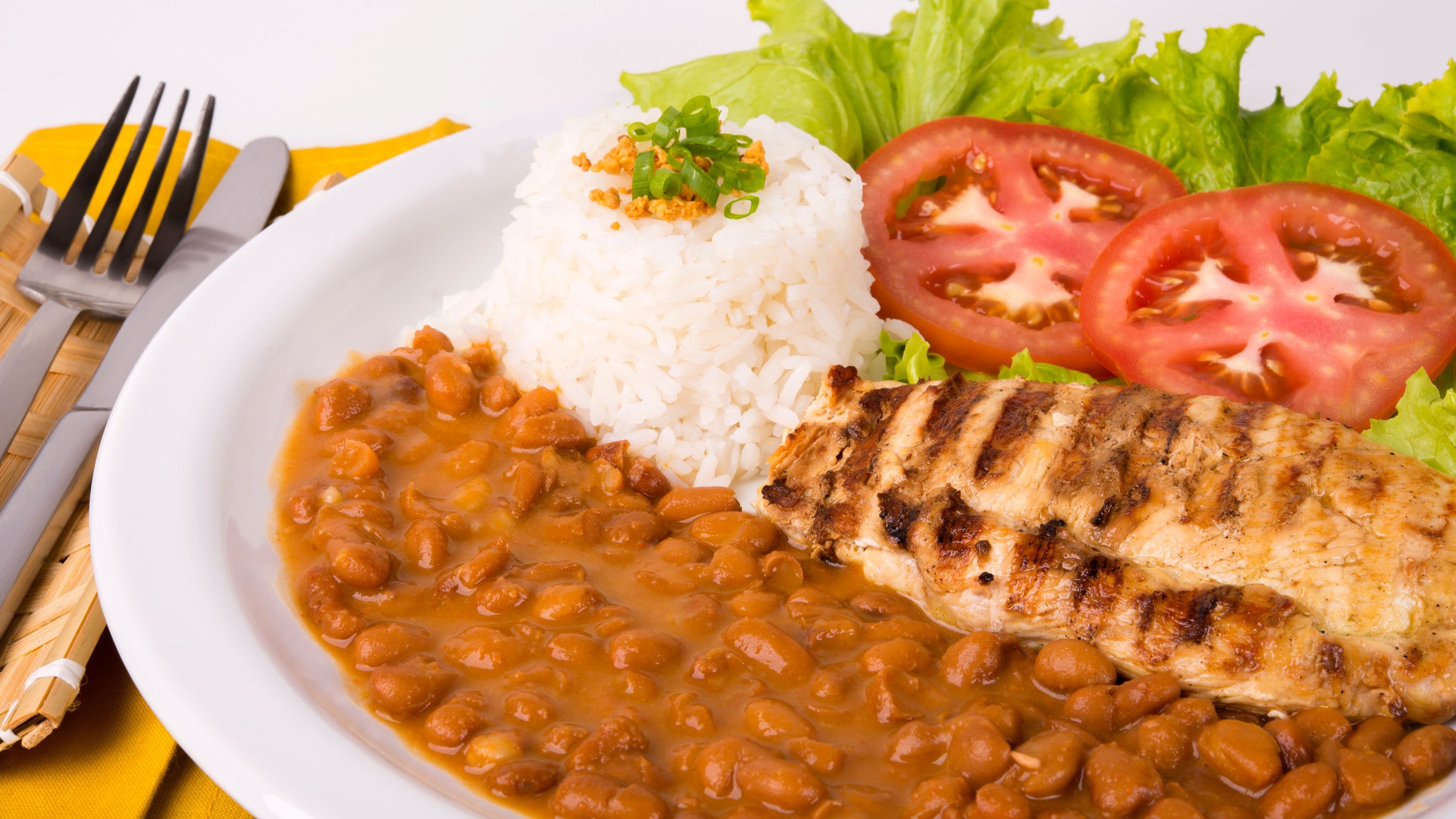
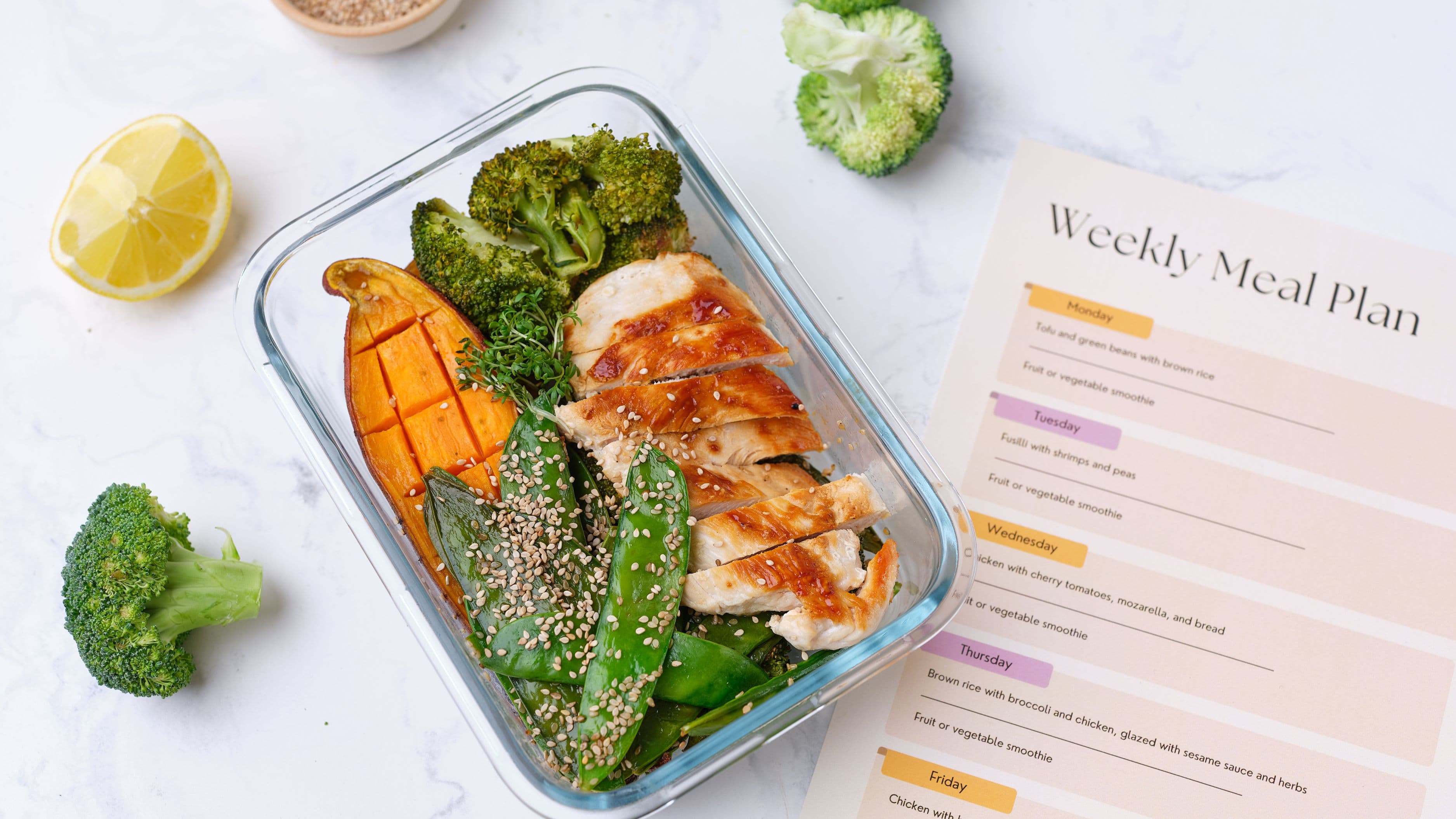
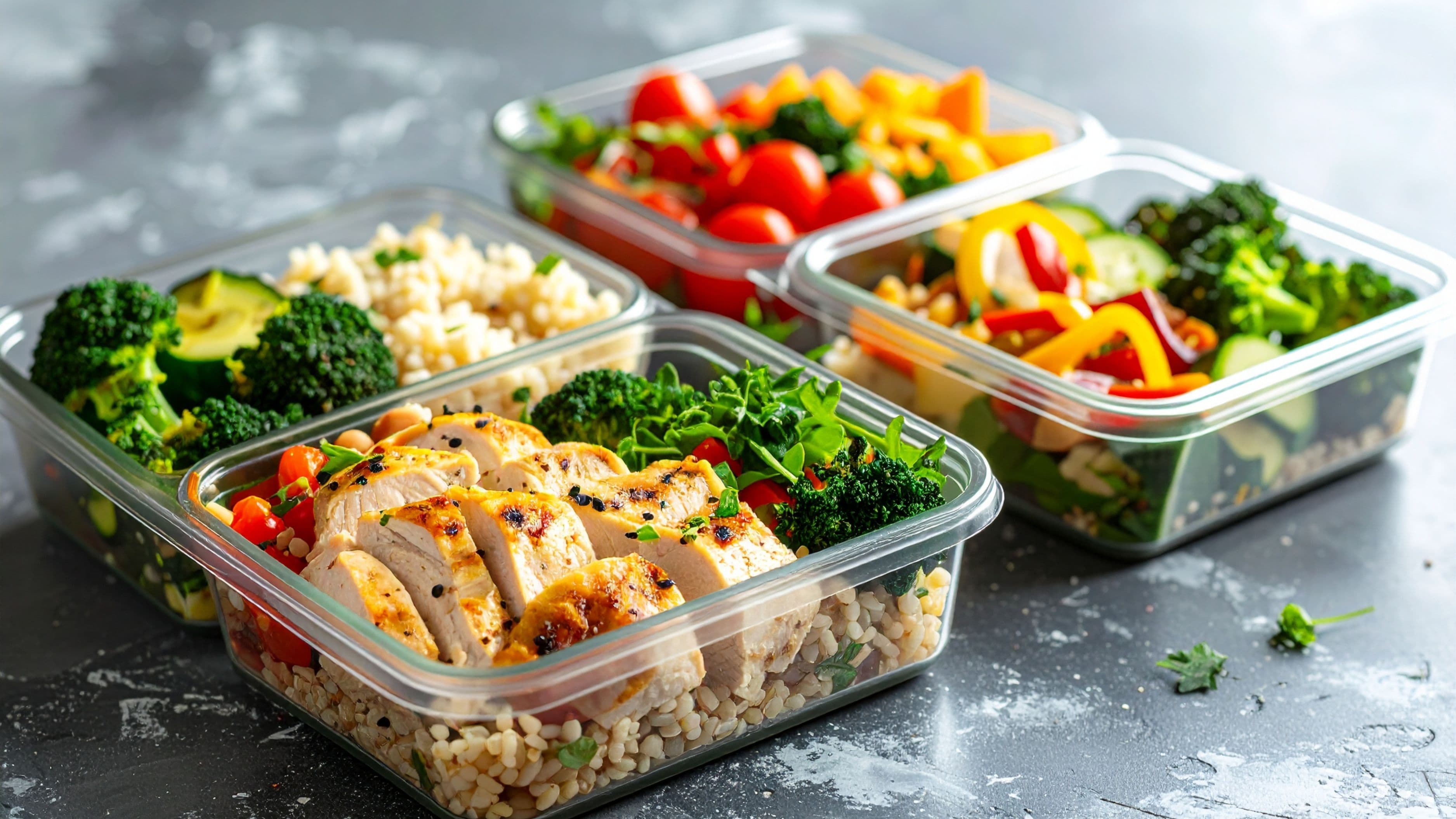
Here's what that looks like in practice. You roast a large tray of mixed vegetables that you both eat. You cook a big batch of a neutral grain – rice, quinoa, farro – that works for both of you. Then you cook separate proteins: a batch of grilled chicken thighs for the meat-eater, and a batch of spiced chickpeas or baked tofu for the vegetarian or plant-based eater. You prep a sauce or two that works with either base. At meal time, each person builds their bowl from the shared components plus their own protein.
This approach means 80% of your prep is shared and the 20% divergence takes only a few extra minutes. You're not cooking two entirely different meals – you're adding one more element to an otherwise shared prep session. The effort is almost identical to cooking for one dietary preference, and both people eat what actually works for them.
Step-by-Step: A Weekly Prep Session That Covers Both
Here's a practical structure for a weekly session that builds this out. Adjust the proteins and components to fit your specific needs.
Step 1: Choose 3–4 shared base components
These are foods that both people eat freely without modification. Think roasted vegetables (broccoli, bell peppers, sweet potato, zucchini), a cooked grain, hard-boiled eggs if both eat them, washed and prepped salad greens, or cut fruit. These become the foundation of multiple meals across the week and require no modifications for either person.
Step 2: Prep separate proteins in parallel
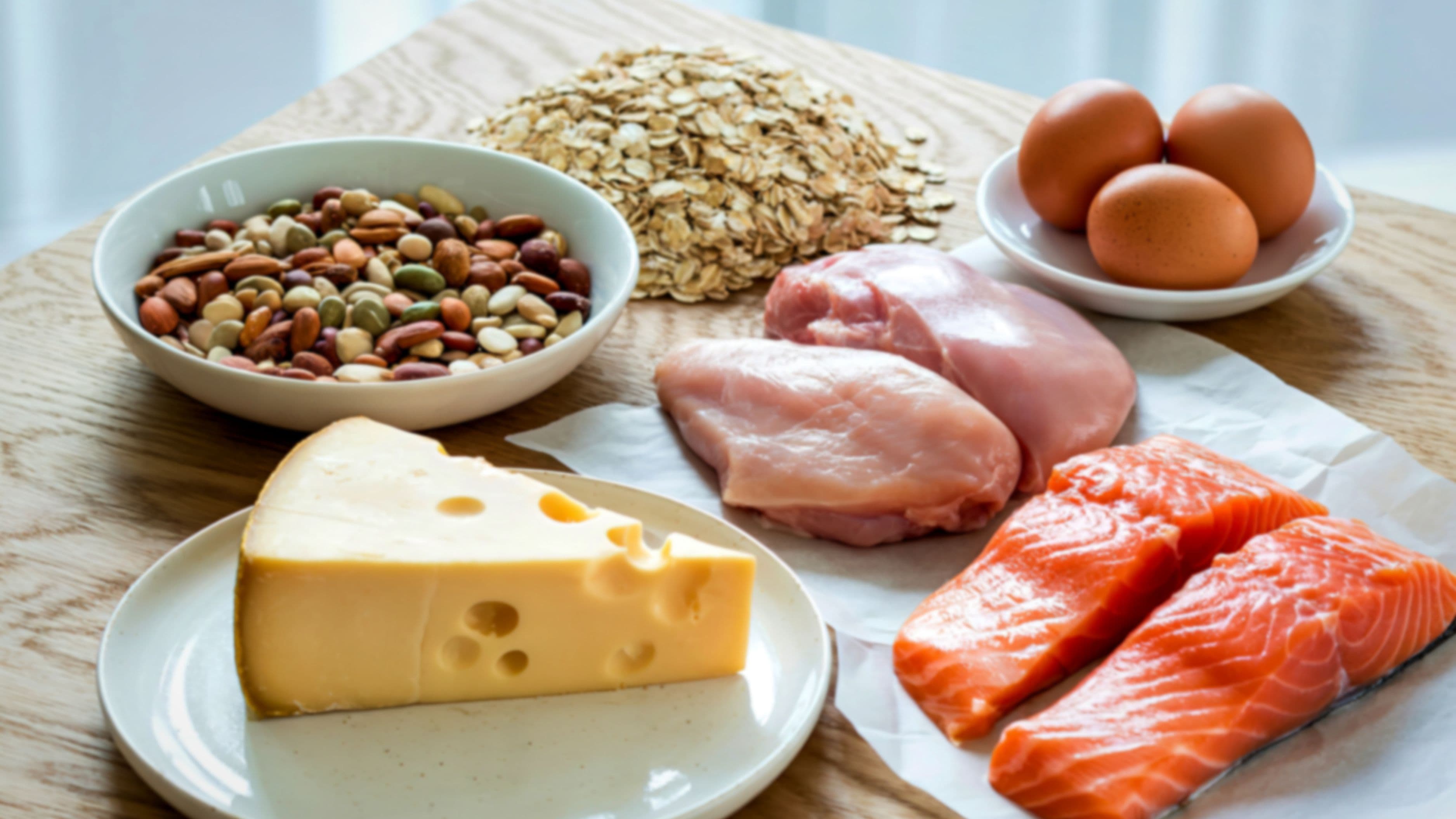
Most of your actual divergence happens here. While one batch of protein is cooking on one side of the oven or stovetop, the other cooks on the other side. Practically: sheet pan chicken thighs on one half of the tray, sheet pan tofu or roasted chickpeas on the other. Two pots – one with ground turkey being browned, one with lentils simmering. The timing often aligns close enough that you're not significantly extending your session.
Label containers clearly when they go into the fridge. This sounds obvious but saves a surprising amount of frustration mid-week.
Step 3: Make one or two flexible sauces
A good sauce works across most dietary combinations and transforms simple components into multiple different meals. A tahini dressing works on grain bowls for both people. A tomato-based pasta sauce works over pasta and over zucchini noodles. A simple stir-fry sauce works over rice and over cauliflower rice. Making the sauce shared keeps the week's meals from feeling repetitive and reduces how much decision-making you need to do at dinnertime.
Step 4: Prep a few quick-grab items for busy nights
These are the things that prevent a mid-week "I don't have time to cook" moment that derails the whole system. Pre-cooked rice in individual portions. Hard-boiled eggs in the fridge. Washed and portioned fruit and cut vegetables. A container of hummus or a quick dip. These are grab-and-assemble components that don't require a full cooking moment and keep both people eating well even on the hardest evenings.
Handling Common Dietary Combinations
A few specific scenarios come up most often, and they each have practical workarounds.
One omnivore, one vegetarian or vegan: This is the most common combination and it's the most easily handled by the component approach. The grain, vegetables, and sauces are shared. The proteins diverge. If one person doesn't eat dairy, keep a separate batch of dairy-free sauce or dressing rather than modifying the shared batch.
One person eating low-carb or keto: The grain component is where the divergence happens. Rather than eliminating grains from the shared prep entirely, simply skip the grain for that person and add a cauliflower rice batch, an extra portion of roasted vegetables, or extra protein. Most of the rest of the prep – vegetables, protein, sauce – is shared.
One person managing sodium or a health condition: Season components lightly during prep and add salt or seasoning individually when serving, rather than building salt into the shared components at the cooking stage. This is a small adjustment that requires almost no extra effort and keeps the shared components usable for both.
Different calorie or macronutrient targets: This is usually handled at portion size rather than at the food itself. Both people can eat the same components – the person building muscle simply takes larger portions of protein and grain. Container sizes and labels are useful here for anyone tracking closely.
Tips for Staying Consistent
The meal prep system that works is the one that's simple enough to actually repeat every week. A few things that help with consistency over time.
Keep your weekly component rotation relatively small and reliable. Having five or six base components you rotate through – rather than trying a completely new set every week – reduces decision fatigue and makes shopping and prep faster. Novelty comes from varying the sauces and seasonings rather than rebuilding the entire component list from scratch.
Agree on a prep day and treat it like an appointment rather than a task that happens when you both feel like it. Sunday afternoon or Saturday morning work well for most people. The session itself, once you have a system, typically takes 60–90 minutes for a full week's components for two people.
Accept that some weeks will be less thorough than others. A partial prep – just the grains, proteins, and a sauce – is still far better than no prep at all. Progress, not perfection.
Common Mistakes to Avoid
Trying to find one recipe you both eat identically. This approach causes the most frustration. When you're searching for a single dish that perfectly matches both dietary needs, you narrow the options significantly and usually end up with meals that feel like a compromise. The component system sidesteps this entirely.
Prepping too much variety. Five different proteins, three different grains, and four sauces sounds thorough but creates decision fatigue mid-week and often results in wasted food. Two proteins (one per person), one or two grains, and one sauce is enough for most weeks. Simplicity makes you more likely to actually use what you prepped.
Forgetting to label containers. It seems minor until one person accidentally eats the other's protein on day three. A strip of masking tape and a marker takes ten seconds and prevents consistent frustration.
Making it too complicated to start. The first session doesn't need to be perfect or comprehensive. Make one shared vegetable, one shared grain, and each person's protein. That's it. Add more components the following week once the process feels natural.
Your 30-Day Starting Point
If you've never done shared meal prep before, this is a reasonable progression for the first month:
In the first week, just try the component approach once with the simplest version – one vegetable, one grain, two proteins. See what gets eaten and what doesn't. Week two, add a shared sauce and one quick-grab item. Week three, refine based on what worked. By week four, you'll have a functional baseline system that fits how you both actually eat, rather than an idealized version of meal prep that falls apart mid-week.
One session a week. One month. A noticeably better mid-week eating experience for two people who don't eat exactly the same way – and significantly less time spent figuring out what to eat every night.
FAQ
What if one person's dietary restriction makes it hard to find shared components? Severe allergies or medically required restrictions narrow the shared zone, but there's almost always overlap somewhere. Vegetables, for instance, work across nearly every dietary combination. Start with what's definitively safe to share and build from there rather than trying to solve the hardest edge cases first.
How do you handle meal prep when your schedules mean you rarely eat at the same time? The component system actually works better for this situation than shared finished meals do, because each person can assemble their bowl whenever they eat without needing the other person present. Label containers by person and keep each person's proteins in a clearly designated area of the fridge.
Is it worth investing in matching containers? Practically, yes. Uniform containers stack better, store more efficiently, and make it faster to see at a glance what's available. Glass containers keep food tasting better for longer and are safer for reheating. A set of 10–15 glass containers with lids in two or three sizes covers most prepping needs for two people.
How do you keep the food from getting boring by day four? Vary the sauces and seasonings rather than the components themselves. The same roasted vegetables, grain, and protein taste significantly different under a tahini dressing, a teriyaki sauce, or a simple vinaigrette. Keeping two or three different sauces on hand creates variety without adding prep time.
What if one person won't engage with meal prep at all? Start by prepping just for yourself with enough shared components to make both people's meals easier. If the system consistently produces food that's there and ready, most reluctant participants come around to at least using the shared components even if they're not active in the prep session.
📚 Sources
Academy of Nutrition and Dietetics – Meal Planning and Prep Tips: https://www.eatright.org/food/planning/meal-planning
USDA MyPlate – Building Healthy Meals: https://www.myplate.gov/eat-healthy/what-is-myplate
Harvard T.H. Chan School of Public Health – The Healthy Eating Plate: https://www.hsph.harvard.edu/nutritionsource/healthy-eating-plate/
Oldways – Plant-Based and Flexible Diets Overview: https://oldwayspt.org/traditional-diets
Mayo Clinic – Healthy Lifestyle Nutrition and Healthy Eating: https://www.mayoclinic.org/healthy-lifestyle/nutrition-and-healthy-eating/basics/nutrition-basics/hlv-20049477