1. Switch to Warm White Bulbs Throughout the House
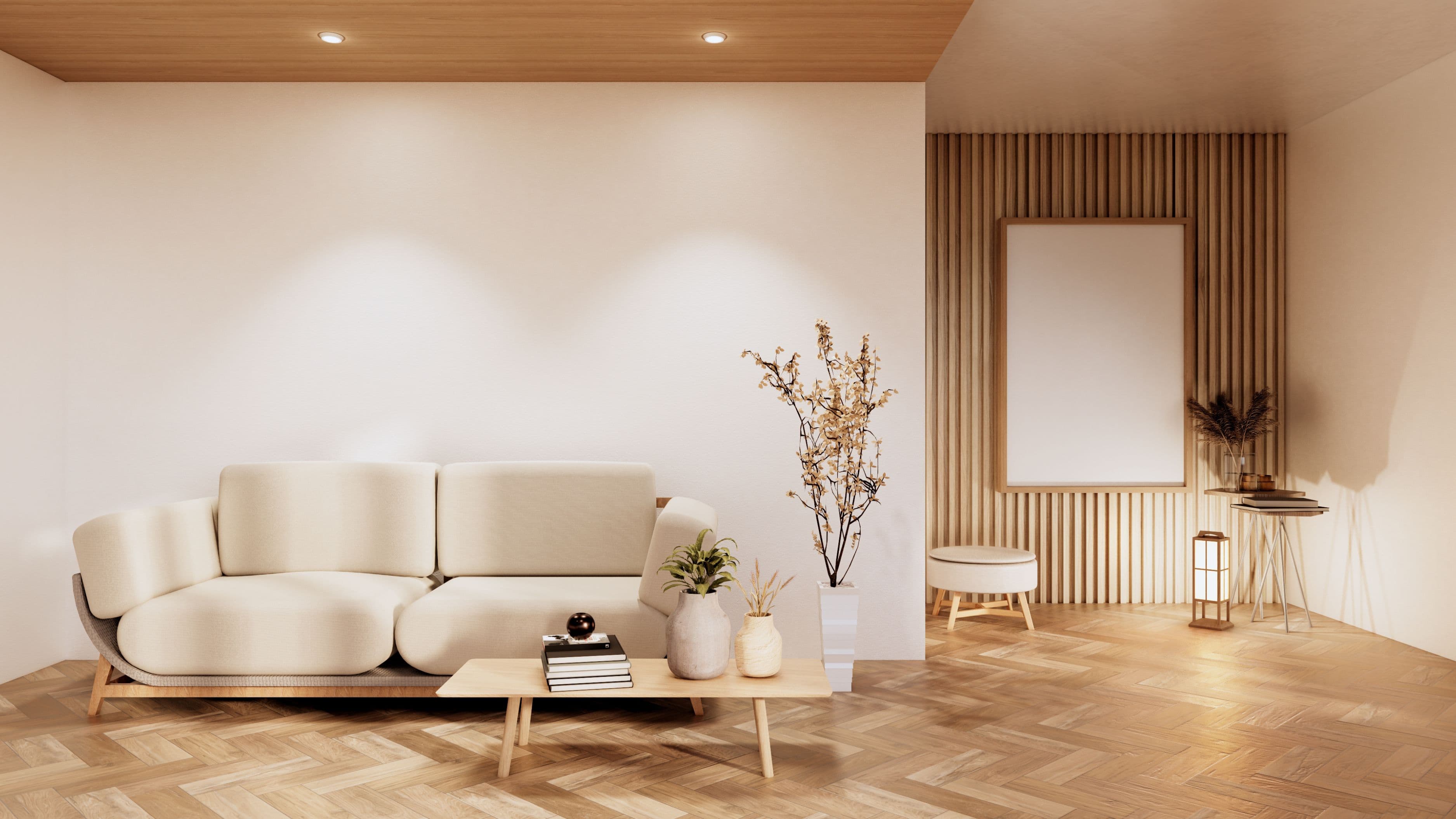
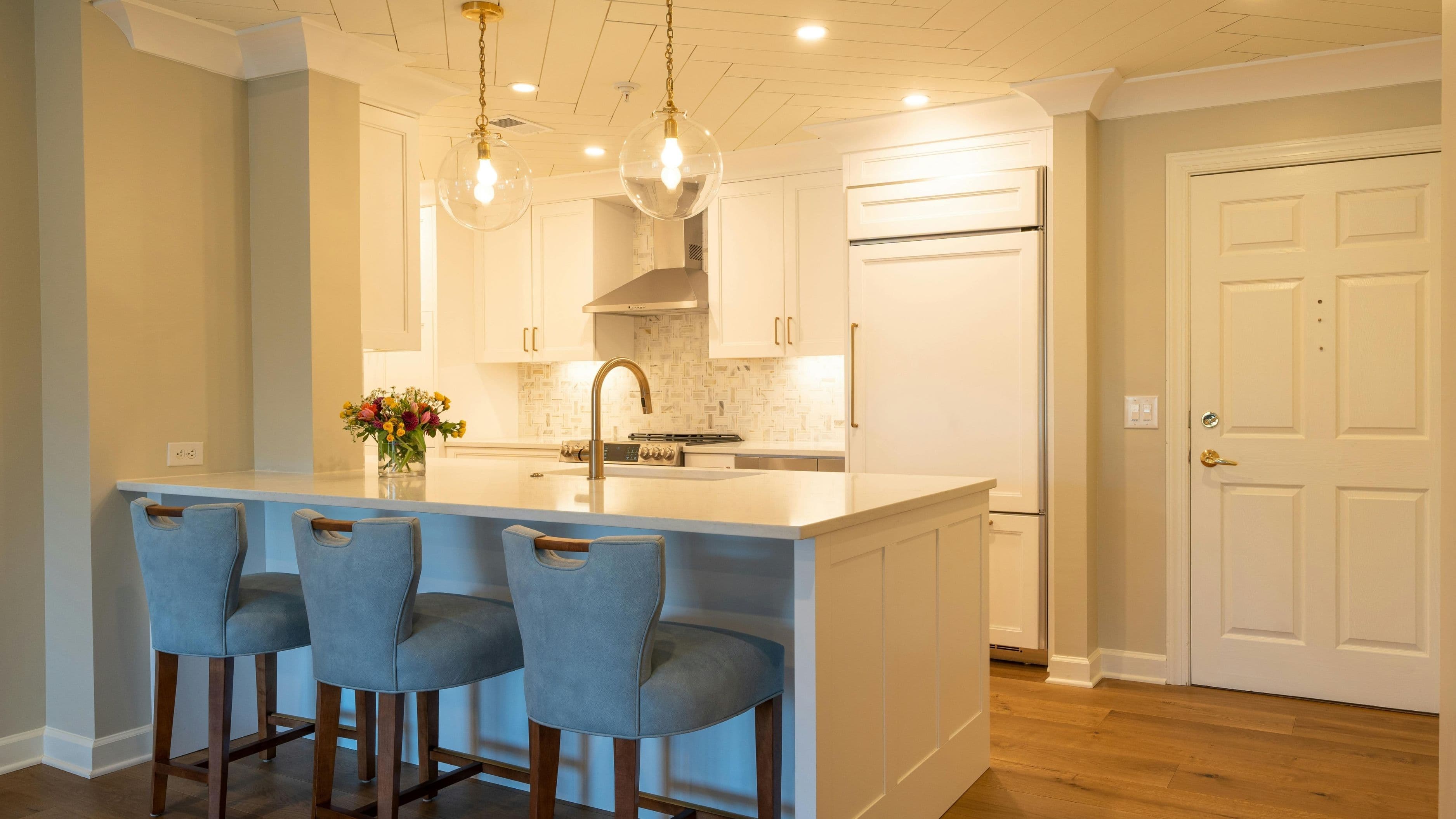
If you do nothing else on this list, do this. The color temperature of your lightbulbs – measured in Kelvins – has a direct effect on how a room feels and even how your body responds to the space. Cool white or daylight bulbs (4000K–6500K) produce a bluish, clinical light that's energizing in the right context but harsh and uninviting in living spaces. Warm white bulbs (2700K–3000K) produce the soft, golden light that makes a room feel comfortable, relaxed, and genuinely welcoming.
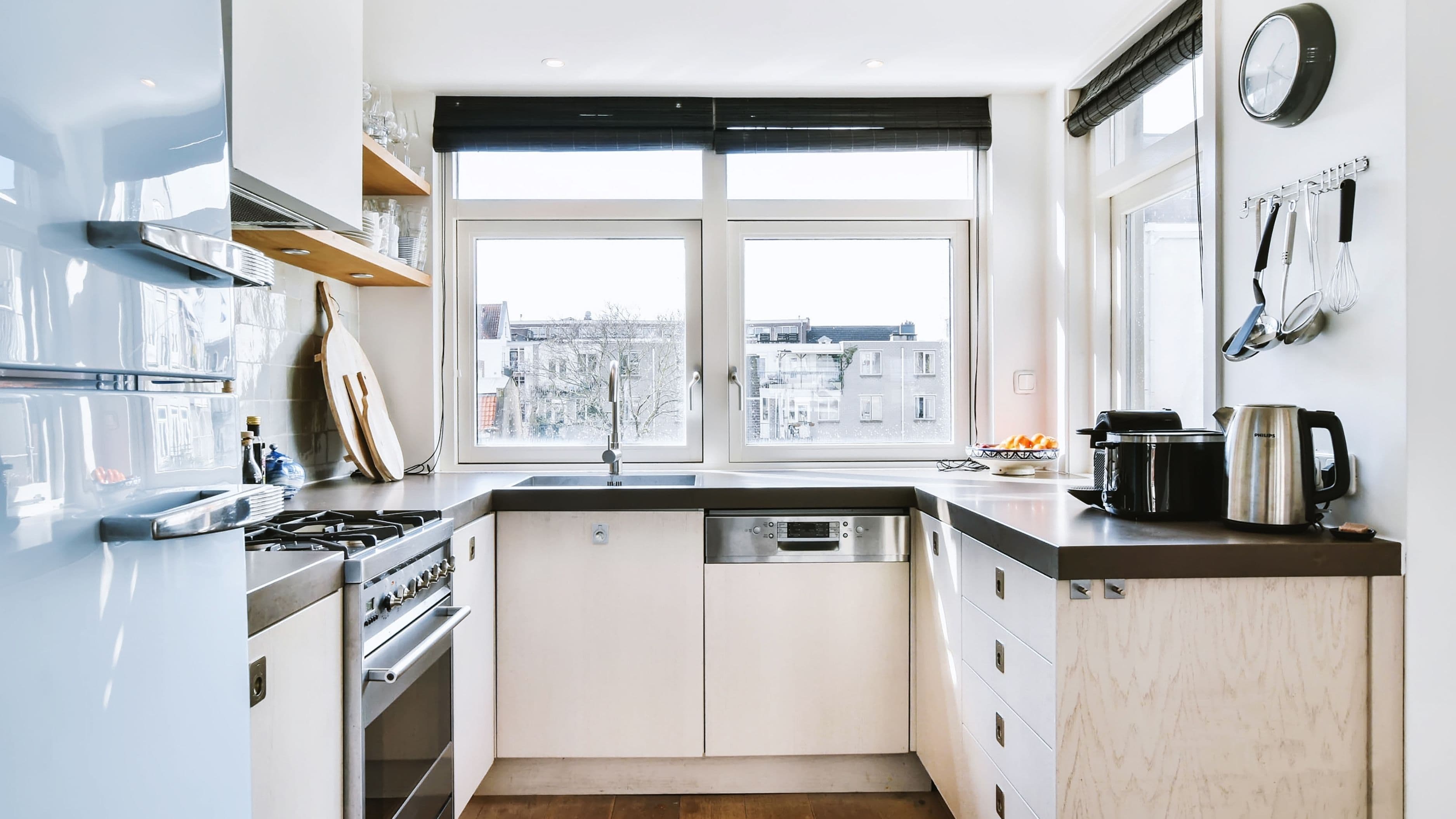
Most homes have a mix of color temperatures because bulbs get replaced one at a time without much thought, which creates a visually incoherent environment where some rooms feel warm and others feel like a hospital corridor. Standardizing on 2700K throughout your living spaces – bedroom, living room, dining room – creates a consistent atmosphere that reads as intentional rather than accidental. In your home office or kitchen, 3000K–3500K is a reasonable compromise between warm and functional if you need better visibility for detailed work.
The cost is minimal. A four-pack of warm white LED bulbs runs $8–$15, they use significantly less electricity than the bulbs they typically replace, and the difference in how your home feels in the evening is immediate. This is genuinely one of the highest return-on-investment changes you can make in any living space.
The realistic benefit: Rooms feel warmer, more relaxing, and more like somewhere you actually want to spend time. Your home will look better in person and in photographs. Evening hours at home will feel more like genuine rest rather than a continuation of whatever bright-lit environment you came from.
2. Add a Floor or Table Lamp to Rooms That Only Have Overhead Lighting
Overhead lighting is functional. It illuminates the whole room evenly, which is useful when you need to see everything clearly – but it's not pleasant for everyday living. The problem is that overhead lighting casts light downward from a single high point, which flattens the room visually and creates a kind of institutional brightness that doesn't have much warmth or dimension to it. It's why hotel rooms with only overhead lighting feel sterile even when everything else is fine.
Lamps change this by introducing light at eye level and below, which creates layers of light at different heights. The interplay between overhead light, a floor lamp in a corner, and a table lamp on a side table produces an environment that feels visually rich and genuinely comfortable to be in. Even with the overhead light turned off and just the lamps on, a room can feel dramatically more intimate and welcoming.
You don't need expensive lamps for this to work. A basic arc floor lamp from IKEA, a simple table lamp from a thrift store with a new shade, or even a plug-in pendant light (which hangs from the ceiling on a cord and plugs into a standard outlet) can add the kind of layered lighting that makes a meaningful difference. Aim for at least two light sources per room beyond the overhead fixture, and your living room or bedroom will feel completely different in the evening.
The realistic benefit: Rooms feel more like rooms you chose rather than rooms you're in by default. Evening time at home becomes noticeably more relaxing. Guests consistently notice when a space is well-lit with layered sources even if they can't articulate exactly what's different.
3. Put Your Living Room and Bedroom Lights on Dimmer Switches
A dimmer switch is one of the most underrated home improvements available to anyone with 15 minutes and a screwdriver. It costs $15–$25, installs where your existing light switch is, and gives you complete control over the intensity of any overhead light connected to it. That control changes everything about how you use a room.
The reason dimmers matter beyond simple aesthetics is biological. Bright overhead light in the evening signals to your body that it's still daytime, suppressing the melatonin production that helps you wind down toward sleep. Dimming your lights significantly in the two hours before bed – to around 30–50% of full brightness – supports your body's natural sleep preparation in a way that no supplement or sleep gadget can match as elegantly. It's one of the simplest evidence-based things you can do for your sleep quality, and it costs under $25.
Installation is straightforward if you're comfortable turning off a circuit breaker and swapping a wall switch. Turn off the power at the breaker, unscrew the existing switch, connect the dimmer's wires to the existing wires using the included wire nuts, and screw it in. The whole process takes 10–15 minutes. One compatibility note: if you have LED bulbs, make sure the dimmer is specifically rated for LED dimmable bulbs, as older dimmer switches can cause LED bulbs to flicker.
The realistic benefit: Better control over the mood of your room for different activities – bright for cleaning or focused tasks, dim for watching a film or winding down. Measurable improvement in sleep quality when used consistently in the bedroom. An immediate upgrade to how the room feels at any time of day.
4. Use Warm Accent Lighting in the Bedroom and Living Room
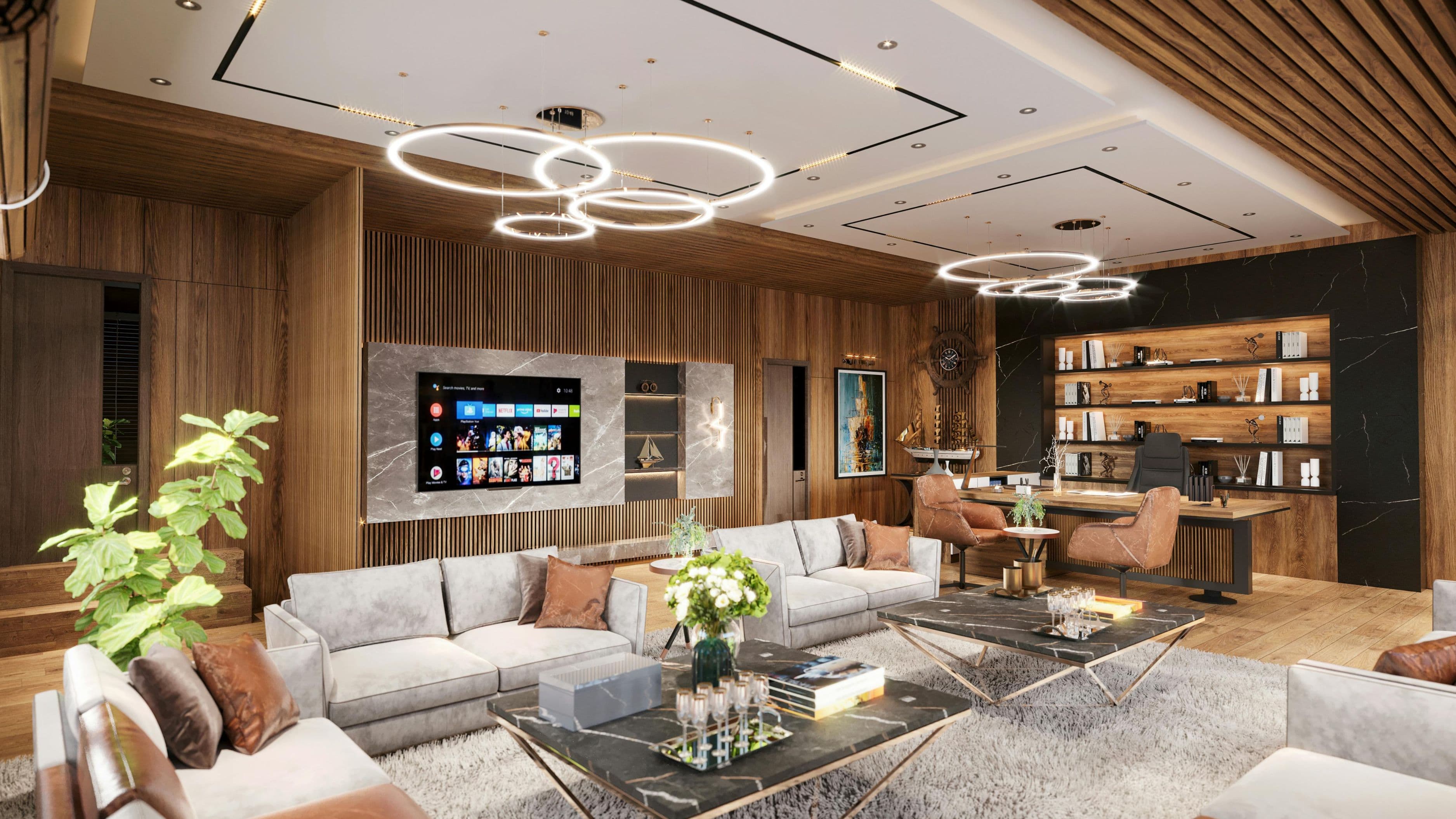
Accent lighting – small, warm light sources that highlight specific areas or objects rather than lighting the whole room – is what distinguishes a living space that feels thoughtfully designed from one that feels assembled. It's not expensive or complicated. It's intentional.
In a bedroom, a small LED strip behind a headboard (warm white, running on a USB adapter) creates a soft, indirect glow that makes the whole room feel more considered without anything being overtly decorative. A small, warm-toned Edison bulb in a simple clip-on fixture on a bookshelf or nightstand produces light that's genuinely pleasant to be around in a way that standard overhead lamps often aren't. Plug-in picture lights over artwork or a mirror add the same quality at minimal cost.
In a living room, an LED strip along the back of the television – often called bias lighting – reduces eye strain during viewing and makes the screen feel more cinematic by reducing contrast between the bright screen and the dark wall behind it. A few battery-operated LED puck lights inside a cabinet or on a bookshelf add warmth to dark corners without any wiring. The key with accent lighting is restraint – two or three well-placed warm sources do more than a dozen poorly placed ones.
The realistic benefit: Your living spaces feel more designed, more personal, and more genuinely comfortable. The cost is low – most accent lighting setups run $20–$60 total – and the impact is disproportionately large relative to that investment.
5. Maximize Natural Light and Work With It, Not Against It
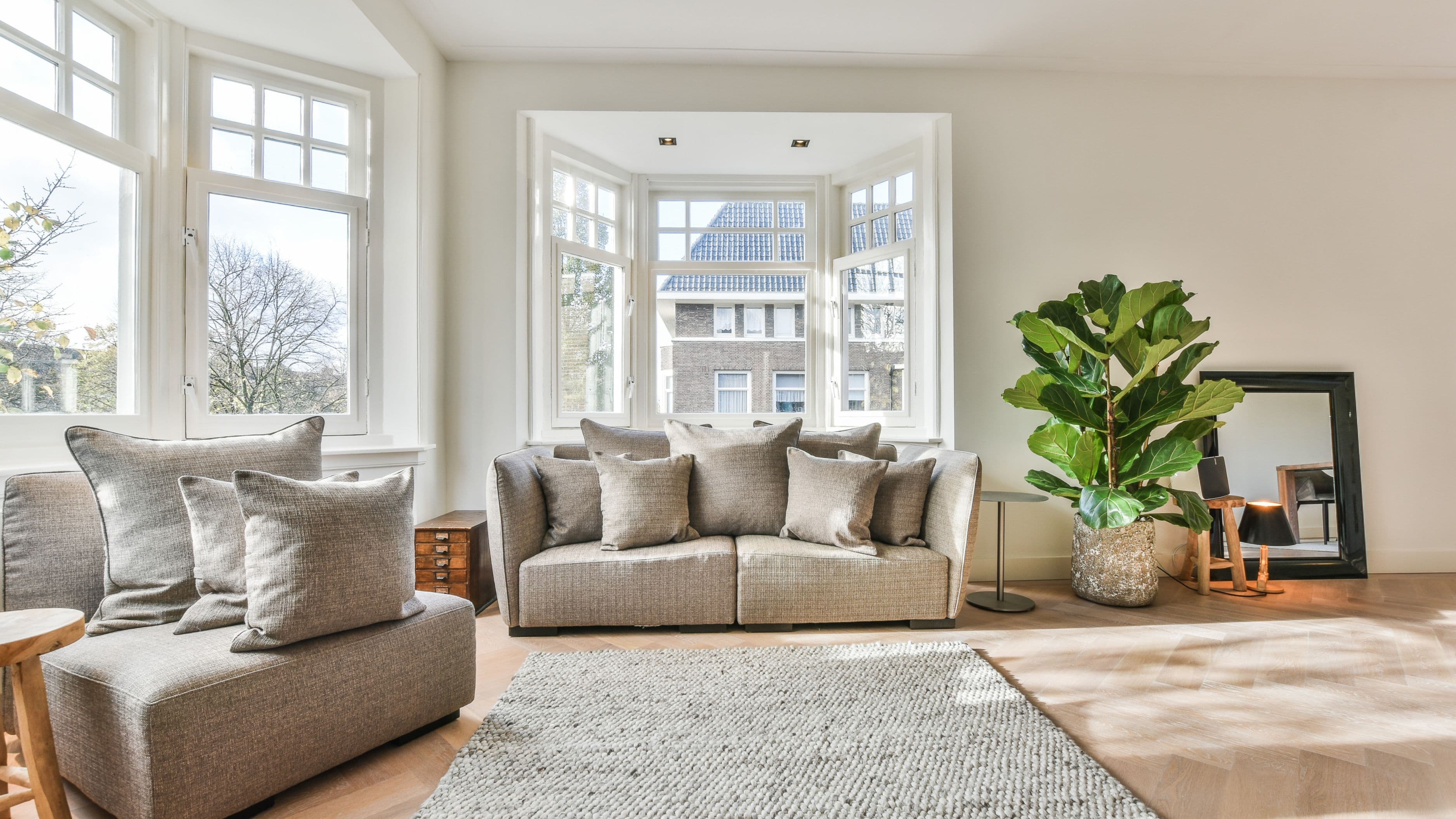
This last one isn't about buying anything. It's about using what you already have more effectively. Natural light is the best light source in your home, and most people inadvertently block or ignore it in ways that make their spaces darker than they need to be.
Heavy curtains pulled over windows during the day are the most common culprit. If you have curtains for privacy, consider whether sheer panels during the day and heavier curtains pulled to the sides would give you both light and privacy without sacrificing either. Sheer linen or cotton panels let in soft, diffused light that makes a room feel bright and airy without the harsh direct sunlight that can feel uncomfortable on hot days.
Mirrors placed opposite or adjacent to windows are the single most effective natural light multiplier available. A large mirror on the wall facing your main window reflects natural light back into the room, making the space feel noticeably brighter without adding a single bulb. A simple frameless rectangular mirror from IKEA costs $30–$80 and can double the perceived brightness of a room. Beyond mirrors, keeping windowsills clear, not blocking windows with furniture, and cleaning windows properly twice a year all have meaningful cumulative effects on how much light actually reaches you.
The realistic benefit: Your home feels bigger, brighter, and more energizing during the day without any additional electricity use. Natural light also improves mood and energy levels in ways artificial light can't fully replicate – and it costs nothing to use more of what's already there.
A 30-Day Lighting Reset: Simple and Sequential
If you'd rather pace this than tackle everything at once, here's how to do it gradually. In the first week, replace bulbs in your main living spaces with warm white LEDs and notice the difference before moving on. In the second week, add one lamp to whichever room feels most lacking. In the third week, install a dimmer switch in the bedroom or living room. In the fourth week, add one form of accent lighting and make one natural light improvement – move a mirror, clear a windowsill, swap a heavy curtain for a sheer.
By the end of 30 days, five meaningful changes will have happened to how your home feels – none of them irreversible, none of them requiring professional help, and most of them costing under $30 individually. Lighting is the one area of home improvement where the payoff is immediate, the effort is genuinely low, and the results surprise almost everyone who actually follows through.
What to Avoid
Buying smart bulbs before you've addressed the basics. Smart lighting systems are genuinely useful, but they work best when your color temperature and lamp placement are already right. Get the fundamentals in order first.
Mixing color temperatures in the same room. Warm and cool light sources together create an incoherent feel that registers as "something's off" without being easily named. Standardize within each room before worrying about anything more complex.
Overlooking the lampshade. The shade dramatically affects how a lamp's light is distributed and what color it casts. Thick or heavily colored shades absorb light; white or light-colored shades diffuse it broadly. If a lamp you already own isn't doing what you want, the shade is often the variable worth changing before replacing the whole lamp.
FAQ
What color temperature is best for a bedroom? 2700K is the standard recommendation – warm, soft, and supportive of winding down in the evening. If you read in bed and need more brightness, an adjustable bedside lamp lets you dial up when needed and bring it back down before sleep.
Do I need an electrician to install a dimmer switch? Not for a standard single-pole dimmer replacing an existing single-pole switch. If you're comfortable turning off the circuit breaker and can follow the included wiring instructions, it's a 10–15 minute job. For three-way switches or any situation you're uncertain about, consult an electrician.
How do I know if my LED bulbs are dimmable? Check the packaging – dimmable LED bulbs are specifically labeled as such. Using a non-dimmable bulb with a dimmer switch can cause flickering or early failure. Most modern LEDs are dimmable, but confirm before buying.
Will dimming lights before bed actually improve my sleep? The evidence is solid: bright light in the evening suppresses melatonin production, and dimming lights significantly in the two hours before bed supports your body's natural wind-down process. Combined with warm-colored lighting throughout the evening, it's one of the most accessible and underused sleep improvements available.
What's the single highest-impact change for the lowest cost? Switching to warm white LED bulbs throughout your living spaces. It costs under $30 for most homes, takes 20 minutes, and immediately changes how every room feels in the evening. Start there.
📚 Sources
U.S. Department of Energy – LED lighting overview and color temperature: https://www.energy.gov/energysaver/led-lighting
Sleep Foundation – How light affects sleep: https://www.sleepfoundation.org/bedroom-environment/light-and-sleep
This Old House – How to install a dimmer switch: https://www.thisoldhouse.com/electrical/21016330/how-to-install-a-dimmer-switch
Apartment Therapy – How to layer lighting in any room: https://www.apartmenttherapy.com/how-to-layer-lighting-36689045