Why You Keep Forgetting – And Why That's Normal
Thirst isn't always a reliable signal, especially in adults. Research published in the journal Physiology & Behavior suggests that mild dehydration can occur before you consciously feel thirsty, and that busyness and distraction suppress thirst cues further. If you're deep in a task, your brain is prioritizing other signals – your focus, your deadline, the problem you're solving – and a gentle nudge to drink water doesn't compete well with that.
The issue is also environmental. If your water bottle is in the kitchen while you're working at your desk, the friction of getting up and going to get it is enough to stop most people from drinking as often as they should. Small environmental changes – putting water where you already are, making it visible, reducing the effort to drink it – matter more than motivation or reminders in the long run.
Step 1: Start the Day With a Full Glass Before Anything Else
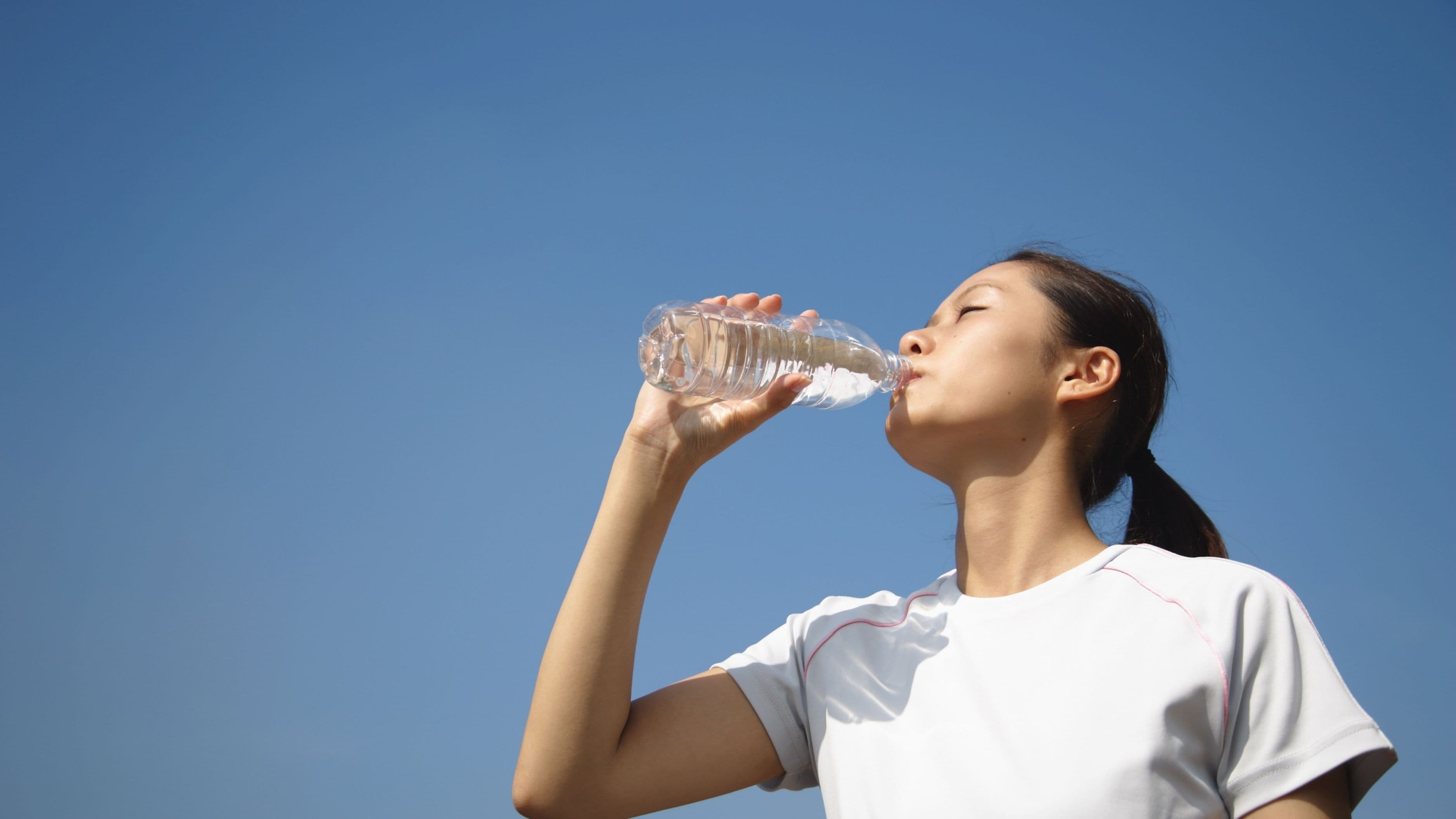
The most reliable hydration habit is also the simplest: drink a full glass of water first thing in the morning before coffee, before your phone, before breakfast. Your body loses water overnight through breathing and sweating, and starting the day already partially dehydrated sets a pattern that's hard to recover from throughout the day.
Keeping a glass or water bottle on your nightstand the night before is the key to making this automatic. When you wake up, it's right there – no effort required, no decision to make. Over time, reaching for that glass becomes as habitual as turning off your alarm. It also stacks nicely with the most consistent thing in your morning: you do it at the same time every day, which is exactly how habits stick.
Step 2: Attach Drinking to Things You Already Do
Habit stacking – linking a new behavior to an existing habit – is one of the most reliable ways to build a hydration routine without relying on memory. The idea is simple: whenever you do X, you also drink water. The existing habit becomes the trigger for the new one.
Some natural pairings that work well: drink a glass of water before every meal (this also has the side effect of helping portion control), drink water every time you make coffee or tea, drink a glass when you sit down at your desk in the morning, and drink water every time you finish a meeting, call, or focused work block. You're not asking yourself to remember to drink water randomly throughout the day – you're using the structure of your day as a built-in reminder system. If you have three meals, two coffee breaks, and four meetings, you've already created nine natural hydration opportunities without adding anything new to your routine.
Step 3: Make Water Visible and Easy to Reach
Visual cues are underrated. If you can see your water bottle, you're significantly more likely to drink from it than if it's tucked in a bag, left in the kitchen, or stored somewhere that requires any effort to reach. This is true regardless of how intentional you're trying to be.
Put a water bottle on your desk where you work. Put one on the kitchen counter so it's visible when you're in the kitchen. If you have a secondary workspace or a couch where you read or watch TV in the evenings, keep a glass of water nearby there too. The goal is to reduce the distance between you and water to essentially zero, so that when your brain has a spare moment and notices the bottle, picking it up is effortless.
The container itself matters slightly. A lot of people find that they drink more from a water bottle with a straw or flip-top lid compared to one that requires unscrewing a cap. The friction reduction is tiny, but tiny friction reductions actually change behavior when you're applying them dozens of times a day. Find a container you like using and use it consistently.
Step 4: Eat Your Water
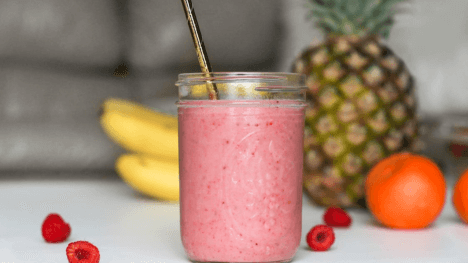
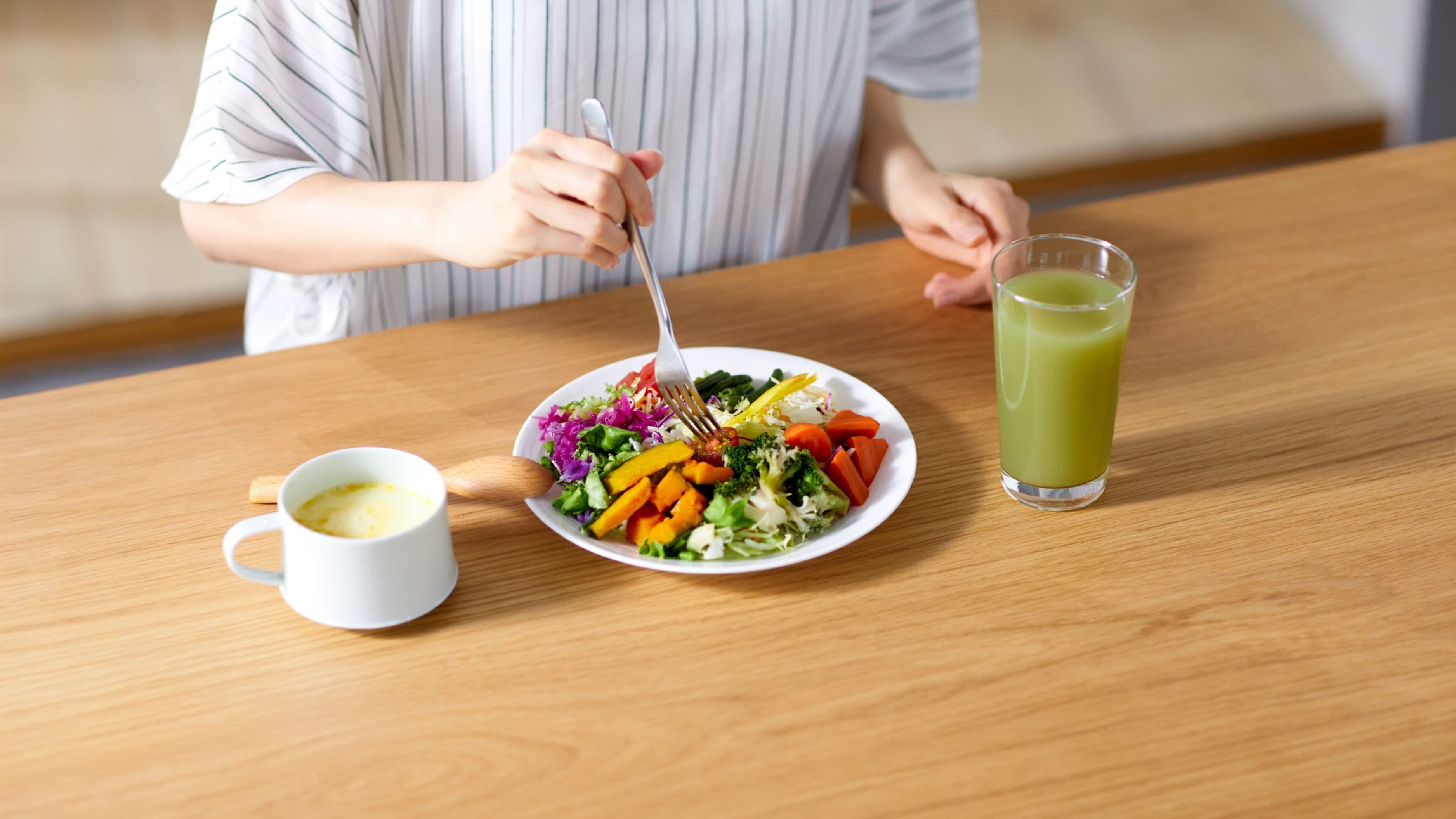
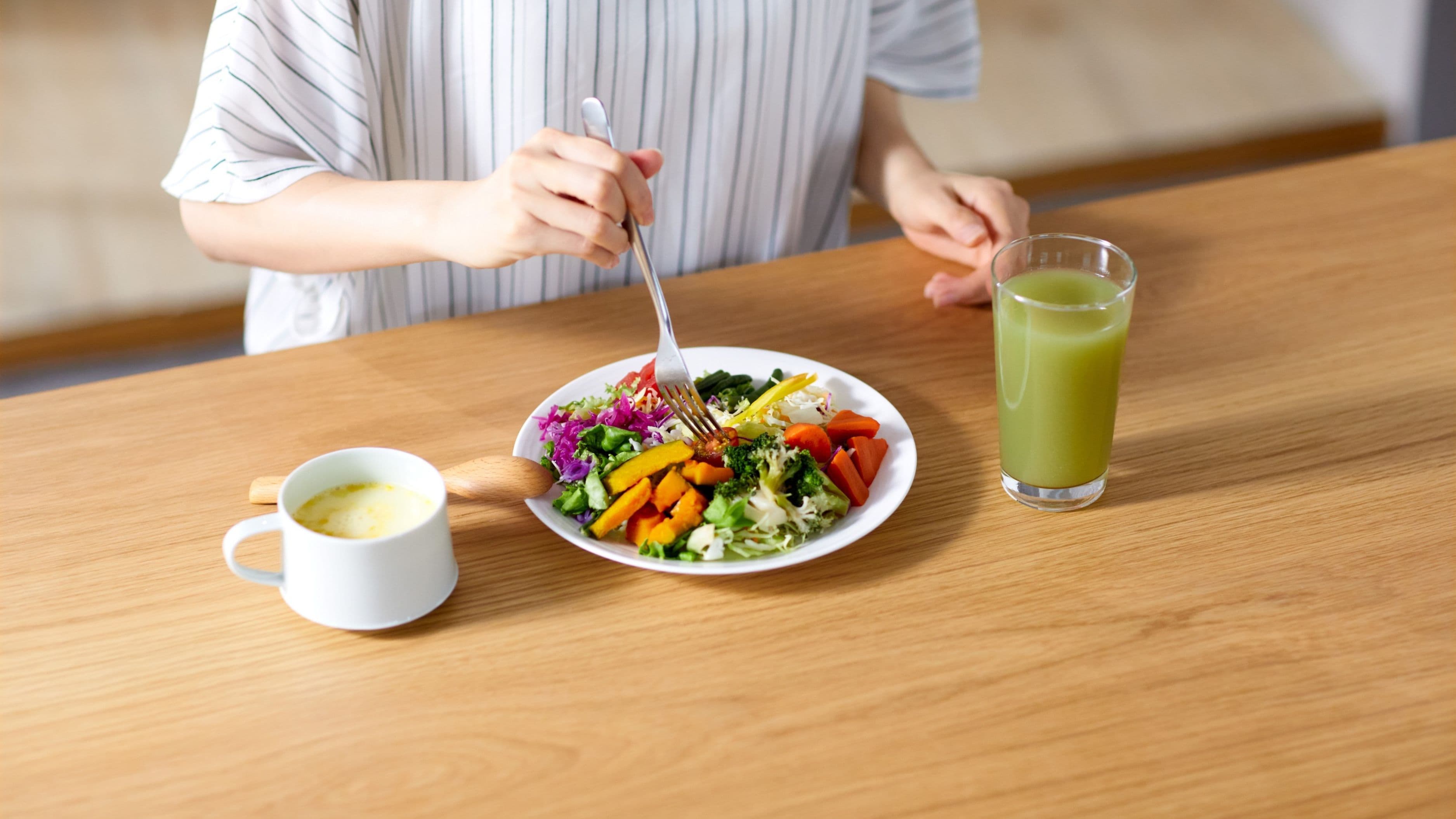
A meaningful portion of daily hydration comes from food, not just drinks. Fruits and vegetables with high water content – cucumber (96% water), watermelon, strawberries, celery, oranges, tomatoes, bell peppers – contribute to your daily hydration in a way that's often underestimated. If you're already eating relatively well and including plenty of produce, you're getting hydration support you may not even be counting.
This isn't a reason to drink less water, but it is a useful mental reframe: your hydration status isn't purely a function of how many glasses you drank today. Adding some high-water produce to your meals and snacks – a cucumber with lunch, some berries in the morning, a smoothie with spinach – contributes meaningfully and makes the overall hydration goal feel less like a separate task to manage.
Step 5: Use Environmental Cues, Not Just Alarms
Phone alarms and app reminders to drink water sound helpful in theory. In practice, most people dismiss them within seconds and don't actually drink anything, and the alarm loses its effectiveness within a few days as you start ignoring it automatically.
Environmental cues are more reliable because they don't compete with everything else demanding your attention – they're just there, visible, when you happen to look up from your work. In addition to keeping water visible at your desk, try placing a small sticky note on your computer monitor with a simple tally system – a row of five boxes where you check one off each time you drink a glass. It takes two seconds and creates a visual progress tracker that your brain finds mildly motivating. Seeing four boxes checked by lunchtime feels different from having no idea whether you've been drinking enough.
If you do want to use a digital tool, apps like WaterMinder or the built-in health trackers on Apple Watch and Fitbit can prompt you when you tend to go long stretches without drinking. The key is choosing the tool that fits your existing habits rather than adding friction. Logging every glass manually works for some people; others find it stops within a week.
Step 6: Flavor Your Water If Plain Water Bores You
One of the most honest reasons people don't drink enough water is that they don't particularly like drinking plain water. Acknowledging this is more useful than trying to convince yourself you should enjoy it. If you genuinely prefer something with a little flavor, there are options that keep you hydrated without adding much sugar or calories.
Infusing water with fruit – lemon, cucumber, mint, berries, orange slices – is easy and changes the experience meaningfully without adding sugar. Herbal teas count toward hydration and come in enough varieties that you can switch based on your mood or the time of day. Sparkling water is fully hydrating and the carbonation makes it feel more interesting to drink for many people. Electrolyte tablets or powders with low sugar content (brands like Nuun or LMNT) add flavor and replace minerals, which can be useful if you sweat a lot or are recovering from a particularly low-water day.
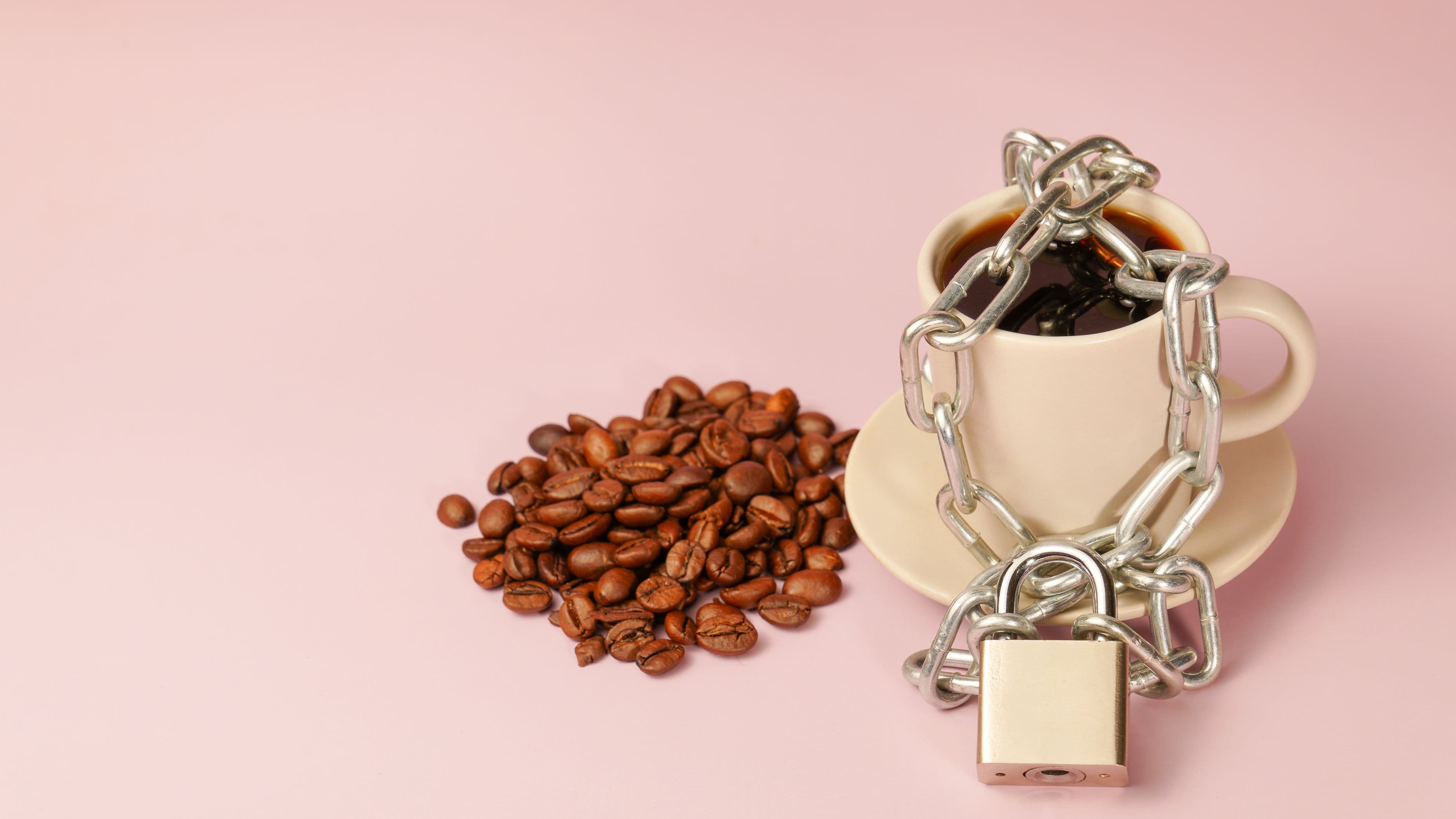
What to avoid: coffee, alcohol, and high-sugar drinks don't contribute to hydration the way water does. Coffee has a mild diuretic effect at high doses, though moderate amounts (two to three cups) don't dehydrate most people significantly. Alcohol does meaningfully impair hydration, which is why pairing alcoholic drinks with water is a practical habit rather than just sensible advice.
What to Avoid
Trying to catch up on hydration by drinking a large amount quickly at the end of the day isn't effective and isn't comfortable. Your body can only absorb and use water at a certain rate, and drinking several glasses in the evening primarily results in disrupted sleep from bathroom trips, not recovery from the day's deficit. Small, consistent amounts throughout the day is always more effective than front- or back-loading.
Don't use thirst as your only guide. As noted earlier, mild dehydration often precedes the feeling of thirst, particularly in adults and in air-conditioned or heated environments that increase fluid loss subtly. Waiting to feel thirsty before drinking means you're often already behind.
And don't set an unrealistic target that makes you feel like you're failing every day. The "eight glasses" rule is a rough estimate, not a universal requirement – actual needs vary based on body size, activity level, climate, and diet. A better indicator is the color of your urine: pale yellow means well-hydrated, dark yellow or amber means you need more water. Use that as your real-time feedback system rather than an arbitrary number.
Your 30-Day Hydration Habit Plan
If you want to build this into a real 30-day habit, here's a simple phased approach that doesn't require overhauling your routine.
Week 1: Focus on just one habit – the morning glass of water before anything else. That's it. Don't add anything else yet. Put the glass or bottle by your bed tonight.
Week 2: Add habit stacking. Choose two existing moments in your day where you'll attach a glass of water – before meals and when you sit down to work are the easiest starting points.
Week 3: Address your environment. Set up your water bottle at your desk visibly, and make sure water is accessible in the rooms where you spend the most time.
Week 4: Check in on what's still not working. Are you still forgetting in the afternoon? Add a specific visual cue or check-in for that window. Are evenings still dry? Add a habit stack to your evening routine.
By week four, you'll have built four layered habits that support each other. You won't need to think about hydration nearly as much because the structure of your day will be doing most of the work for you.
FAQ
How much water should I actually drink per day? The commonly cited eight glasses (roughly 2 liters) is a general estimate. The National Academies of Sciences suggests about 3.7 liters total water intake per day for men and 2.7 liters for women – but this includes water from food, which accounts for around 20% of typical intake. Your activity level, climate, and health also affect this. Use urine color as a simpler daily guide: pale yellow means you're in a good range.
Does coffee count toward daily hydration? At moderate amounts – two or three cups – yes, coffee contributes to daily fluid intake. The diuretic effect of caffeine at low to moderate doses is mild and doesn't negate the fluid in the drink. Very high caffeine intake (more than four or five cups) can have a more noticeable diuretic effect, but most people aren't drinking that much.
What are signs I'm chronically dehydrated? Persistent headaches, especially in the afternoon, are one of the most common. Fatigue that isn't explained by poor sleep, difficulty concentrating, dry skin, infrequent urination, and darker than normal urine are all signs. If these are consistent, gradually increasing your daily water intake is a sensible first step before attributing them to other causes.
Is sparkling water as hydrating as still water? Yes. The carbonation doesn't affect the hydration properties of the water. The concern that sparkling water leaches calcium from bones or damages teeth has not been supported by meaningful evidence at typical consumption levels. Enjoy it if it helps you drink more water.
Can I drink too much water? Yes, though it's rare outside of endurance athletic contexts. Hyponatremia – dangerously low sodium from excessive water intake – is a genuine concern for marathon runners who over-drink without replacing electrolytes, but it's not a realistic risk for most people simply trying to stay adequately hydrated in daily life. For the vast majority of people, drinking more water is safe.
📚 Sources
National Academies of Sciences – Dietary Reference Intakes for Water: https://www.nationalacademies.org/our-work/dietary-reference-intakes-for-electrolytes-and-water
Harvard T.H. Chan School of Public Health – The Nutrition Source: Water: https://www.hsph.harvard.edu/nutritionsource/water/
Mayo Clinic – Water: How Much Should You Drink Every Day?: https://www.mayoclinic.org/healthy-lifestyle/nutrition-and-healthy-eating/in-depth/water/art-20044256
Physiology & Behavior – Mild Dehydration and Cognitive Performance: https://www.sciencedirect.com/science/article/abs/pii/S0031938411005890
Cleveland Clinic – Signs You're Dehydrated: https://health.clevelandclinic.org/signs-youre-dehydrated