This guide walks through how to identify the right corner, set it up simply, and actually use it consistently, without turning it into another item on your to-do list that quietly gets ignored.
Step 1: Pick a Spot Based on Function, Not Aesthetics
Before thinking about how a wellness corner should look, get clear on what you actually want to use it for, since that determines which spot in your home genuinely makes sense. A corner meant for quiet morning reflection works best somewhere naturally quiet, maybe near a window with soft morning light, while a spot meant for quick stretching or movement breaks needs enough open floor space to actually move without bumping into furniture.
Walk through your home with this specific question in mind: where do I already tend to pause during the day, even briefly? Many people find they're naturally drawn to a specific chair, a windowsill, or a quiet hallway nook without ever consciously designating it as anything. Building your wellness space around a spot you're already gravitating toward tends to stick better than forcing a new location into your routine from scratch.
Step 2: Clear It Completely Before Adding Anything
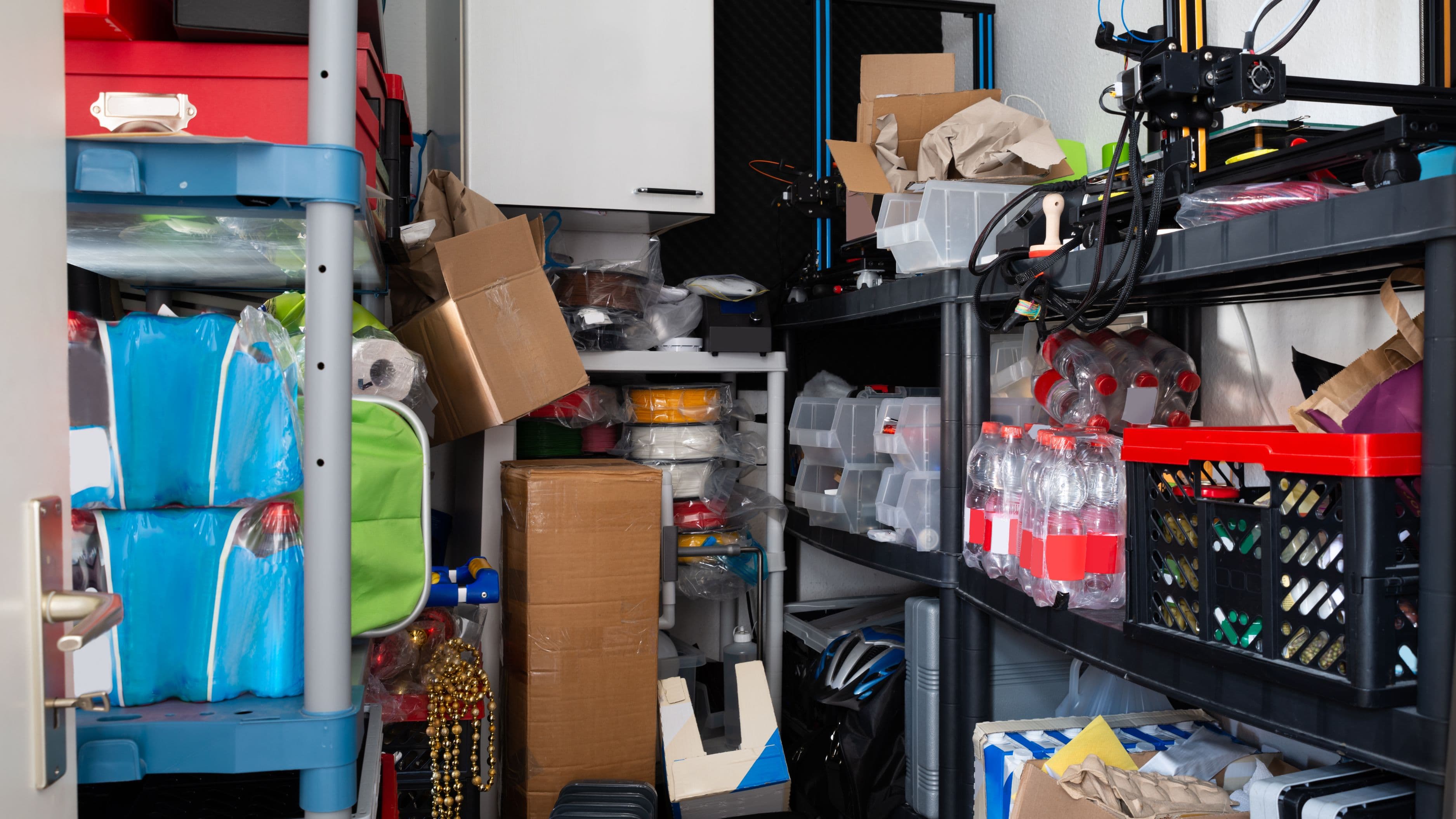
Whatever corner you choose likely has some accumulated clutter, since underused corners tend to become default storage spots almost by default. Clear the space down to bare floor or an empty surface first, even if that means temporarily piling things elsewhere while you figure out where they actually belong. This reset matters more than it might seem, since a cluttered space quietly works against the calm or focus you're trying to create there.
Resist the urge to immediately fill the newly cleared space with new items. Sitting with the empty spot for a day or two, imagining how you'll actually use it, tends to lead to a more thoughtful setup than rushing to decorate it right away.
Step 3: Add Only What Directly Supports the Space's Purpose
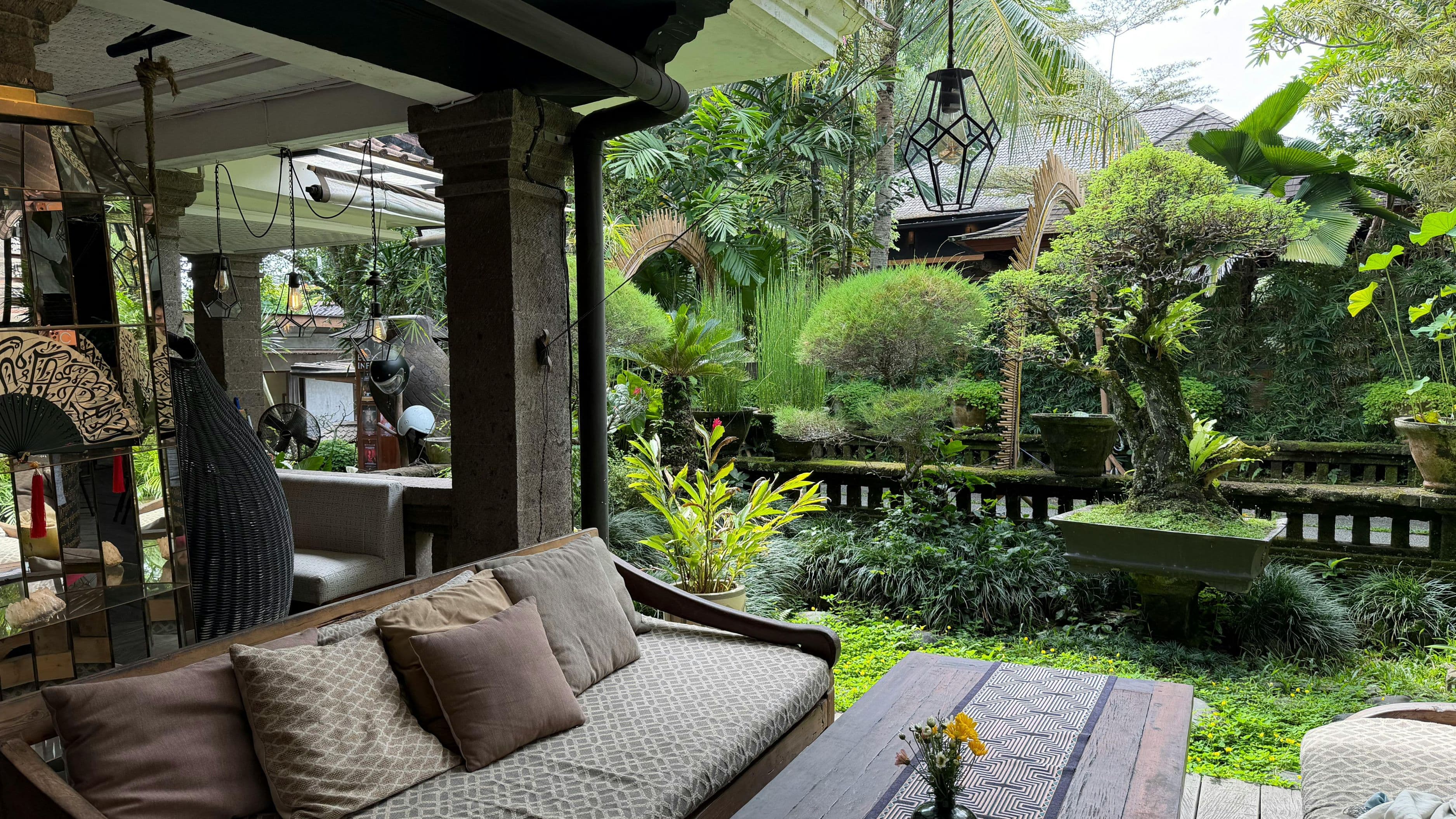
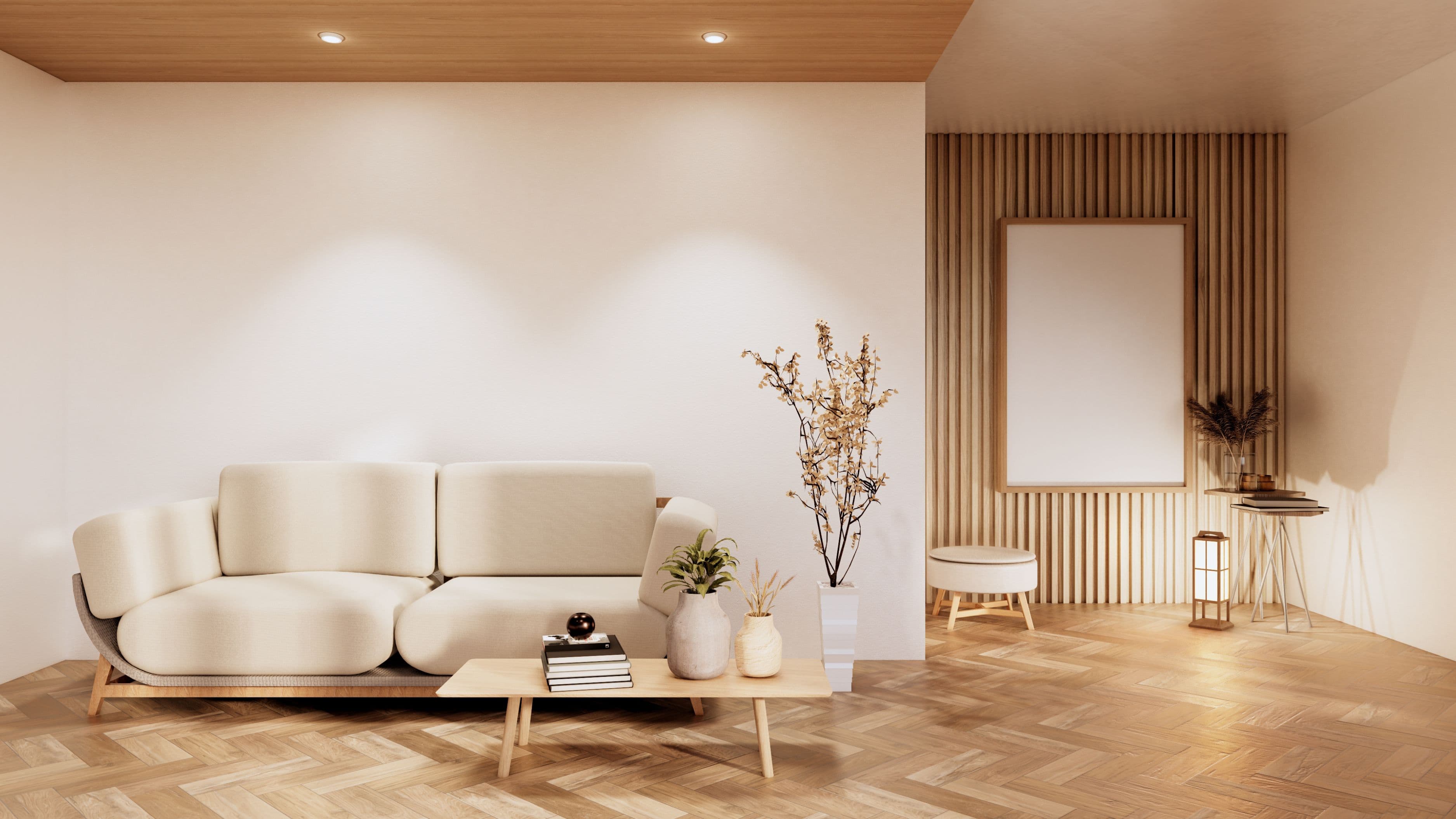
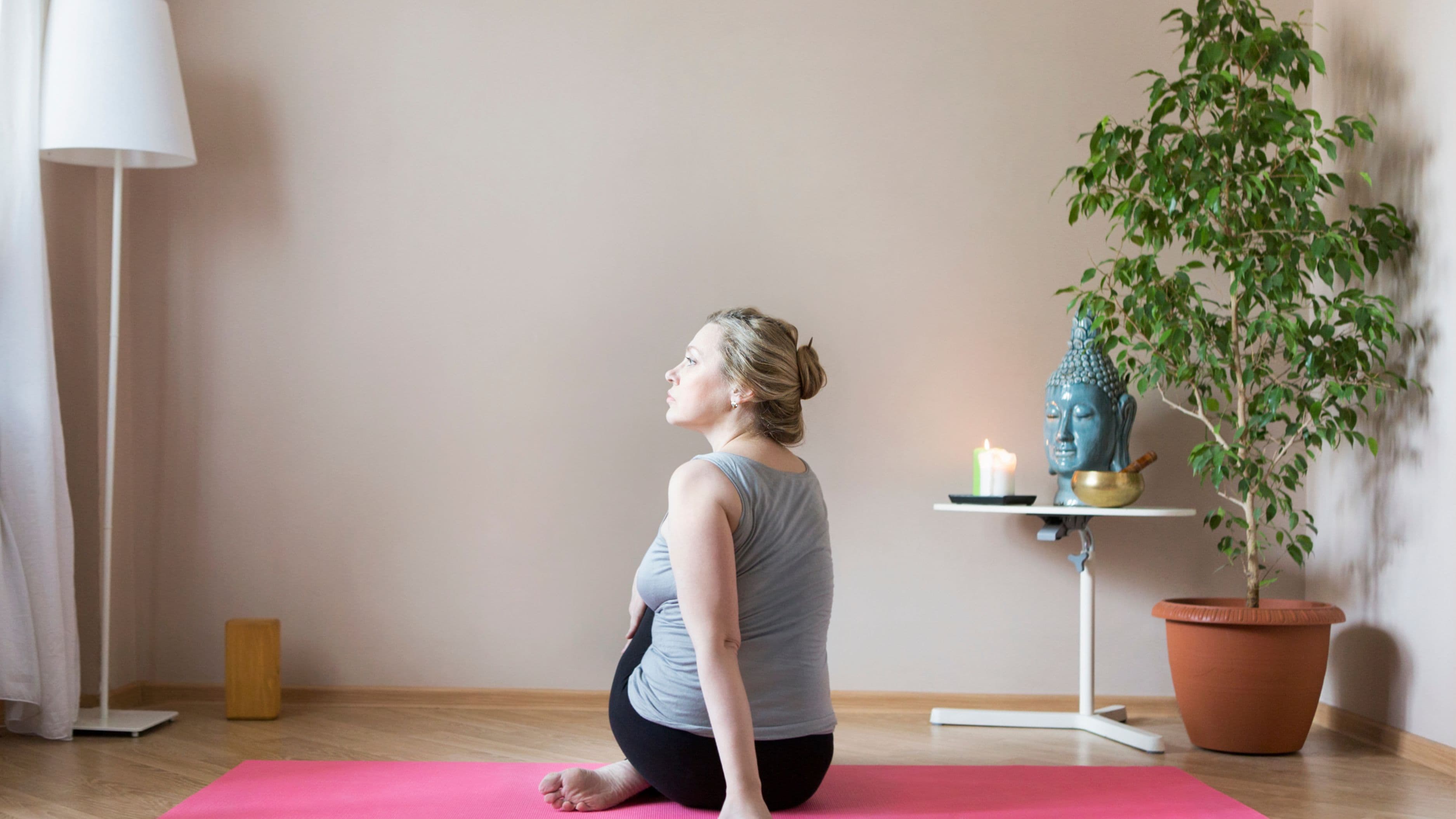
Once you know what the corner is for, add items with real restraint, choosing only what directly supports that specific use rather than general decoration. A meditation or reflection corner might need nothing more than a comfortable cushion, a small plant, and maybe a soft throw blanket, while a stretching or movement corner needs a yoga mat and enough clear floor space, without much else required at all.
It's worth resisting the pull to buy new items before checking what you already own. A cushion from another room, a candle already in a drawer, or a chair repositioned from elsewhere in your home often works just as well as something purchased specifically for this new space, and using what you already have keeps the whole project low-pressure and low-cost.
Step 4: Build In a Simple, Repeatable Cue
A wellness space only works if you actually use it, and the easiest way to build that habit is attaching it to something you already do consistently, rather than relying on remembering to use it out of nowhere. If your corner is for morning reflection, pairing it with your first cup of coffee or tea creates a natural cue that doesn't require extra willpower to remember. If it's a stretching corner, linking it to right after you wake up or right before you start winding down for bed gives it a consistent, predictable moment in your day.
Over the first week or two, this pairing might feel a little deliberate or forced, which is completely normal. Most habits take a few weeks of repetition before the cue and the action start to feel automatic rather than like something you have to consciously remember.
Step 5: Protect the Space From Becoming a Catch-All Again
Corners that were previously cluttered have a strong pull to return to that state, especially in busy households where flat surfaces tend to attract stray items by default. A simple, low-effort habit, like a quick 30-second reset of the space once a week, helps prevent gradual clutter creep before it undoes the intentionality you built into the space initially.
If you share your home with others, a brief, friendly conversation about what the space is for can help prevent it from quietly becoming shared storage again, especially if it's in a common area rather than a private room.
Realistic Expectations
Setting up a small wellness corner typically takes less than an hour once you've decided on its purpose and location, and most people can do it with items they already own rather than needing to purchase anything new. The habit of actually using the space consistently, however, usually takes a few weeks to feel natural, so it's worth giving yourself that same patient runway you'd give any new habit rather than expecting instant consistency.
This also isn't an all-or-nothing project. Using the space three or four times a week still counts as meaningful progress, and missing a day here and there doesn't undo the value of having a dedicated spot to return to when you do have the time or need for it.
Ideas by Room and Purpose
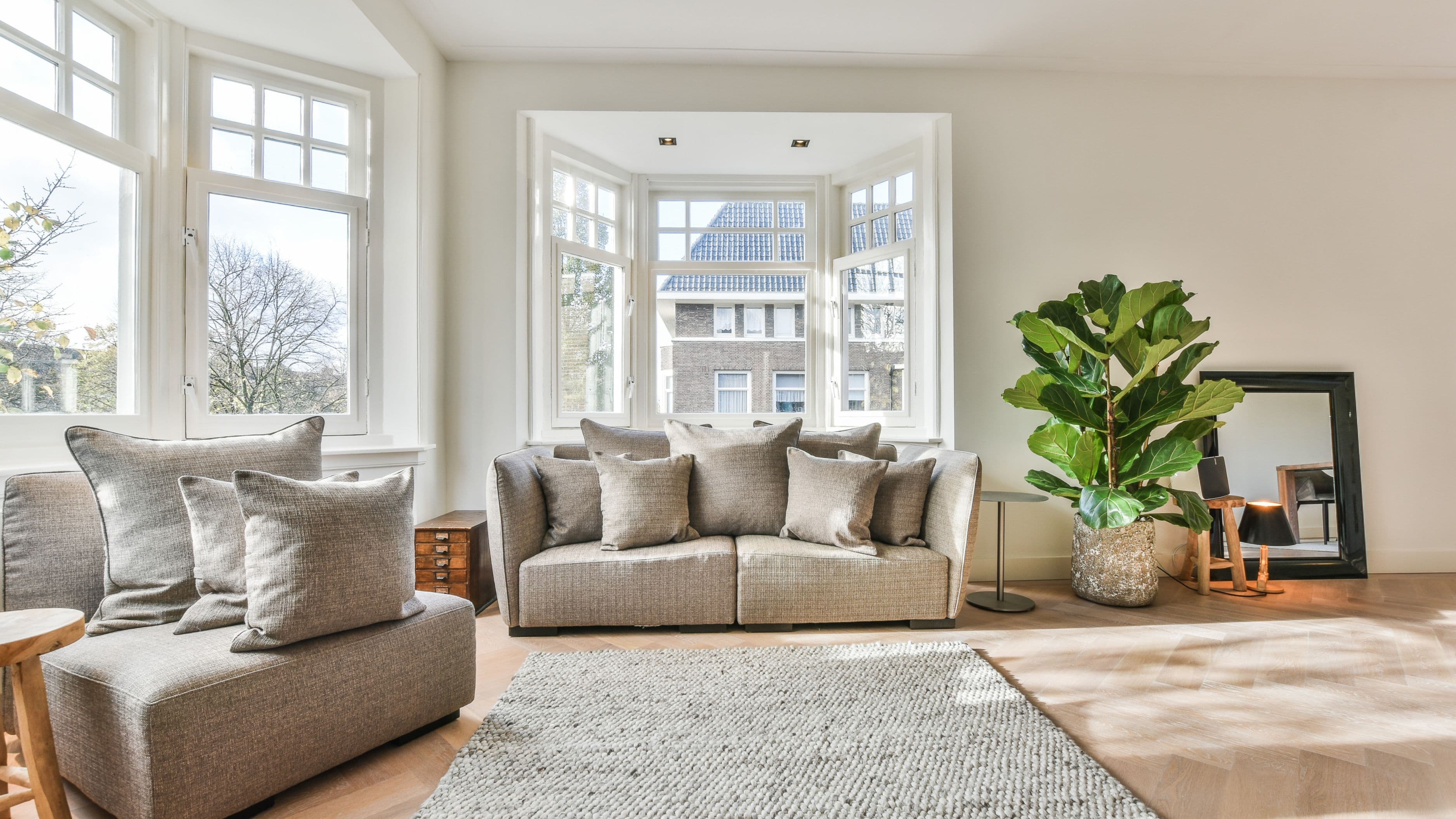
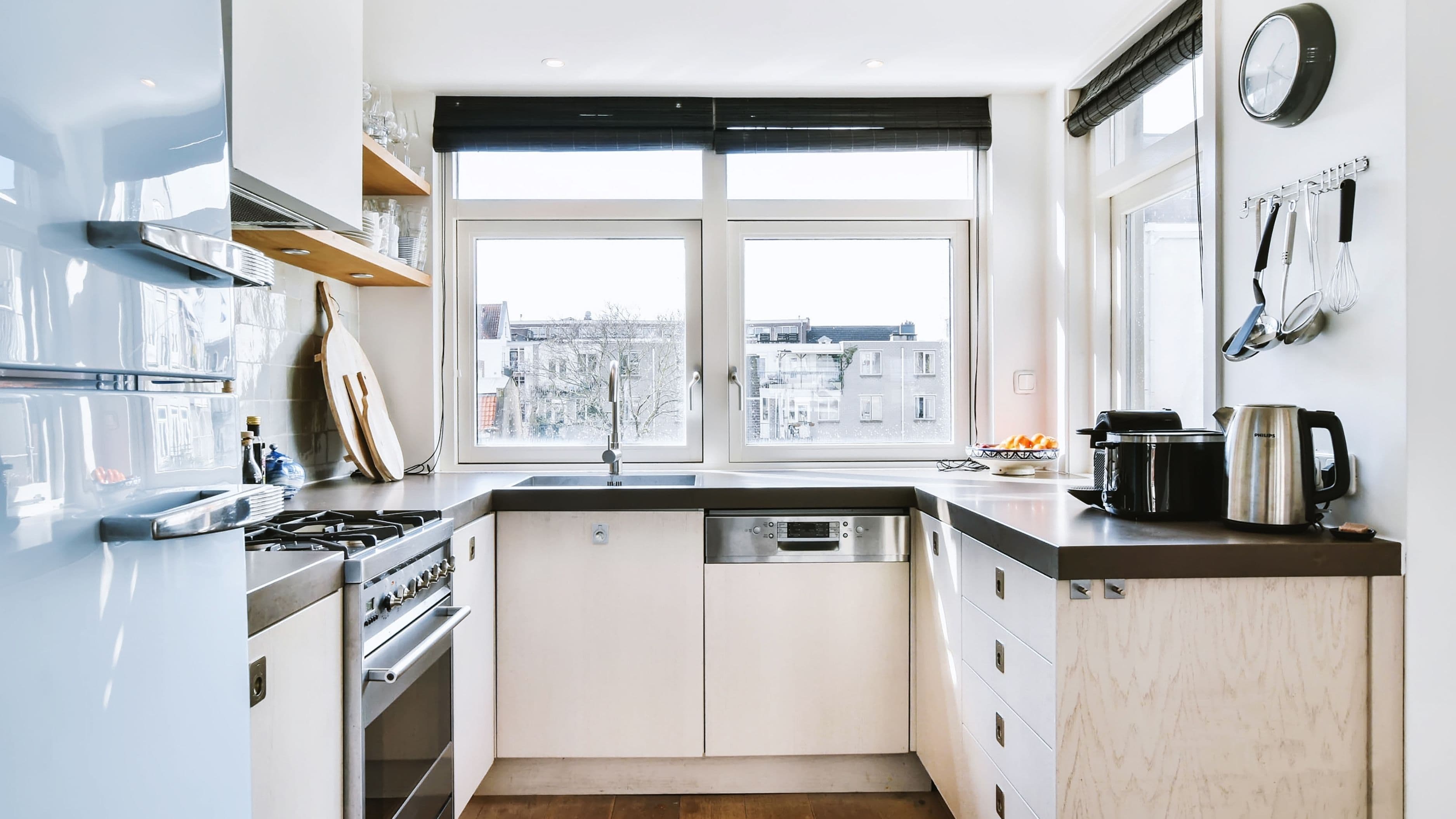
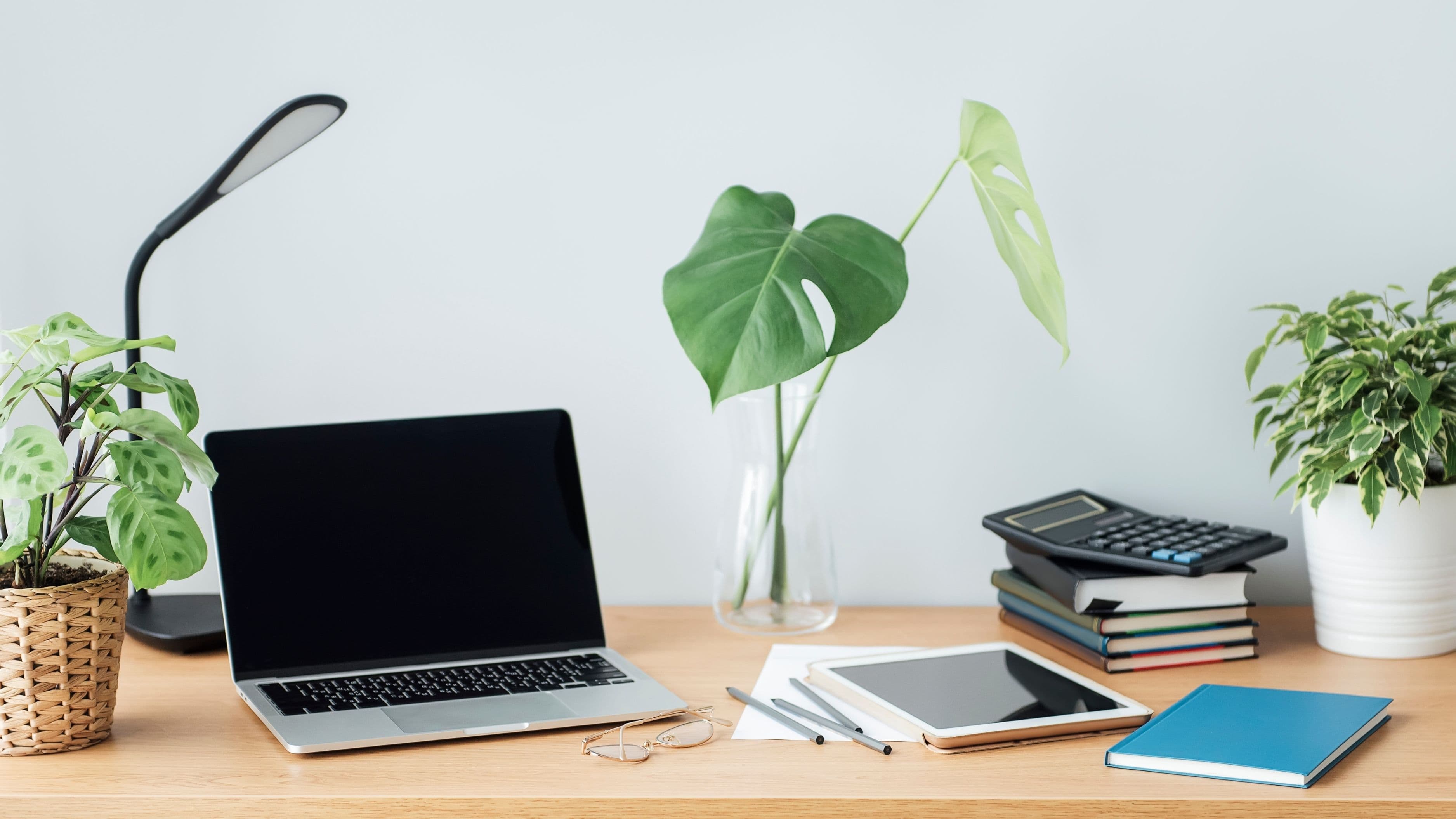
A quiet hallway nook or unused corner of a bedroom works well for reflection or light journaling, needing little more than a comfortable seat and good natural light if possible. A corner of a living room or a cleared section of a home office floor can become a simple stretching or movement space with just a mat and enough clearance to move your arms and legs freely. Even a section of a kitchen counter near natural light can become a small mindful tea or coffee ritual spot, requiring nothing more than intentionally clearing that specific section and treating it as a brief pause point in your morning.
Common Mistakes to Avoid
Overdesigning the space before ever using it is one of the more common ways this project stalls out, since spending excessive time and money curating the "perfect" setup often delays actually starting the habit the space was meant to support. It's also worth avoiding vague intentions like "a space to relax," since a corner without a specific, clear purpose tends to slowly lose its identity and drift back into general clutter over time.
Choosing a spot purely based on how it will look rather than whether it's actually practical for its intended use, like picking a visually appealing but noisy or high-traffic area for quiet reflection, often undermines the space before it has a real chance to become a habit.
FAQ
Do I need to spend money to create a wellness corner at home? Not necessarily. Many effective wellness spaces are built entirely from items already in your home, repositioned and used with more intention rather than purchased new specifically for the space.
How big does the space need to be? It can be genuinely small, a single chair by a window or a small section of open floor is enough for most purposes. The intention and consistency behind how you use the space matter far more than its physical size.
What if I don't have a corner that feels quiet or private? Even a small, temporarily repurposed space, like a corner cleared for 15 minutes during a quiet part of your day, can work well. The space doesn't need to be permanently designated if your home doesn't easily allow for that, as long as you're consistent about using it during that specific window of time.
📚 Sources
Harvard Health Publishing, "The Health Benefits of a Calm Home Environment" – https://www.health.harvard.edu/mind-and-mood/mindfulness-can-improve-mental-and-physical-health
National Institutes of Health, "Mindfulness and Stress Reduction" – https://www.nccih.nih.gov/health/meditation-and-mindfulness-what-you-need-to-know