
Why Most Organization Systems Fail
The typical organization advice focuses heavily on the initial sorting and setup, buy the bins, label the shelves, categorize everything perfectly, but says very little about what happens in the weeks and months afterward when new stuff keeps entering your home and the system needs ongoing maintenance to stay functional. Without a built-in mechanism for that ongoing upkeep, even a beautifully organized space drifts back into clutter within a matter of weeks.
The Core Principle: A Home for Everything, Not a Category for Everything
The system that actually holds up over time starts with a simpler question than most organizing advice asks. Instead of "what category does this belong to," ask "where does this specific item live when it's not in use." This distinction matters more than it sounds, since a specific, consistent physical home for an item makes putting it away an automatic, low-effort action, while an abstract category system requires ongoing decision-making every single time you're tidying up.
Week 1: Identify Your Highest-Traffic Problem Areas
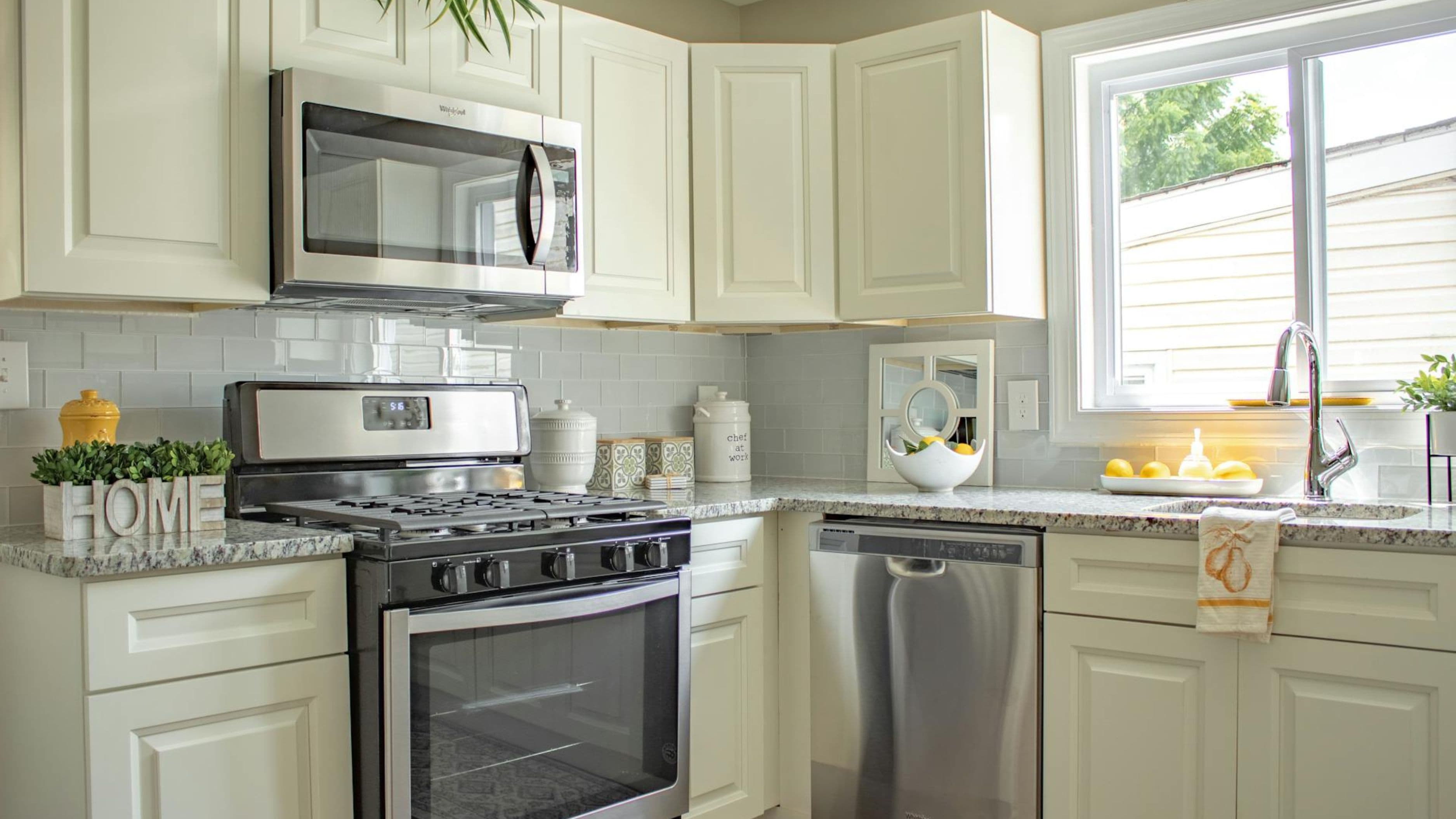
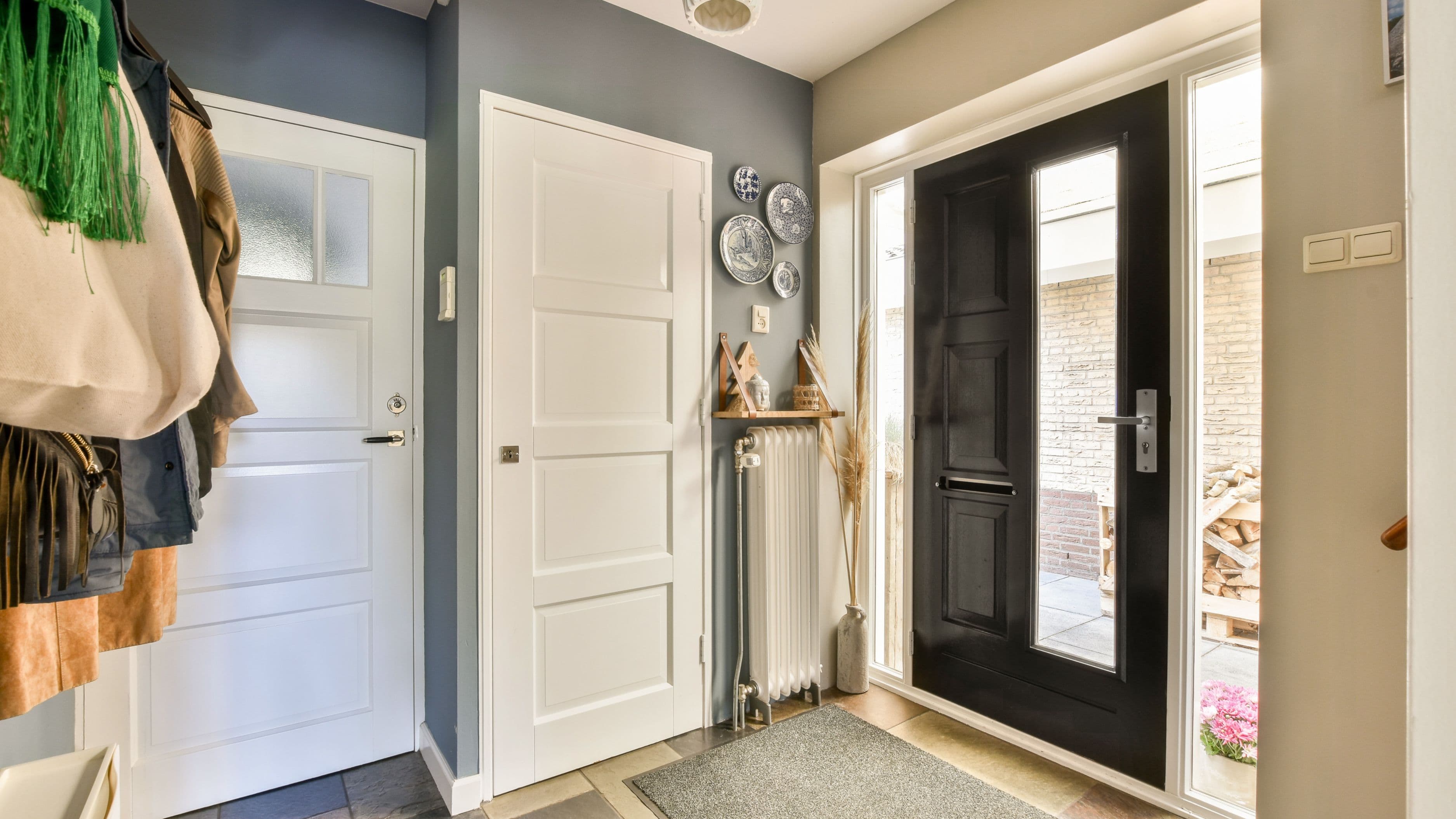
Rather than tackling your entire home at once, spend this first week simply observing which specific spots consistently accumulate clutter, a kitchen counter, an entryway table, the foot of your bed. These high-traffic zones are where a lack of a clear "home" for items creates the most visible mess, and they're the most valuable places to focus your limited organizing energy first.
Week 2: Assign a Specific Home to Everything in Those Zones
For each problem area identified in week one, go through everything currently sitting there and assign each item a specific, permanent location elsewhere in your home, not a general category, but an actual physical spot. Mail goes in a specific tray by the door, not just "somewhere in the office." Shoes go on a specific rack, not just "somewhere near the entrance." The specificity here is what makes the system stick.
Week 3: Build a Two-Minute Daily Reset Habit
Rather than a major weekly cleaning session, which is easy to skip when life gets busy, build a simple two-minute daily habit of returning items to their assigned homes before bed. This small, consistent action prevents the gradual buildup that eventually requires a much larger, more draining cleanup effort, and it's genuinely sustainable precisely because it takes so little time each day.
Week 4: Handle the "No Clear Home Yet" Items
By this point, you'll likely have identified a handful of items that don't have an obvious home, things you're unsure whether to keep, donate, or relocate. Set aside a single, time-boxed session, twenty to thirty minutes, to make decisions on these remaining items specifically, rather than letting indecision about a small number of things undermine the system you've built for everything else.
What Changes After 30 Days
By the end of this process, most people notice their high-traffic areas staying meaningfully clearer with far less conscious effort than before, since the daily reset habit and specific item homes remove most of the decision fatigue that made previous organizing attempts collapse. This isn't about achieving a magazine-perfect home, it's about reducing the low-level stress that comes from constant visual clutter and the mental friction of not knowing where things belong.
Mindset Tips for Making It Stick
Give yourself grace on days you skip the two-minute reset, missing one day doesn't undo the system, and the goal is overall consistency, not perfection. Resist the urge to expand the system to your entire home all at once, since starting small and building the habit in your highest-traffic areas first makes long-term success far more likely than an ambitious, unsustainable overhaul.
Mistakes to Avoid
Don't skip the "specific home" step and default back to vague categories, since specificity is what actually makes putting things away effortless rather than another small decision every time. Avoid buying organizational products, bins, labels, shelving, before you've identified exactly what needs a home and where that home should be, since products bought first often end up mismatched to your actual needs. And don't treat this as a one-time project, the two-minute daily reset is what keeps the system functioning long after the initial setup effort fades.
FAQ
What if I don't have a full 30 days to dedicate to this? The system still works if you move through the weeks at your own pace, what matters most is completing each phase in order rather than rushing, since the daily reset habit depends on already having specific homes assigned.
Does this work for shared households, not just individuals? Yes, and it often works even better, since a specific, agreed-upon home for shared items removes a common source of household friction around where things "should" go, making it easier for everyone to actually follow the system.
What if I relapse into old clutter habits after a few months? That's normal and doesn't mean the system failed, simply revisit your highest-traffic areas and reassign specific homes for anything that's drifted, then recommit to the two-minute daily reset habit going forward.
📚 Sources
National Association of Productivity and Organizing Professionals – Organizing Principles: https://www.napo.net/
American Psychological Association – Clutter and Mental Well-Being: https://www.apa.org/topics/stress