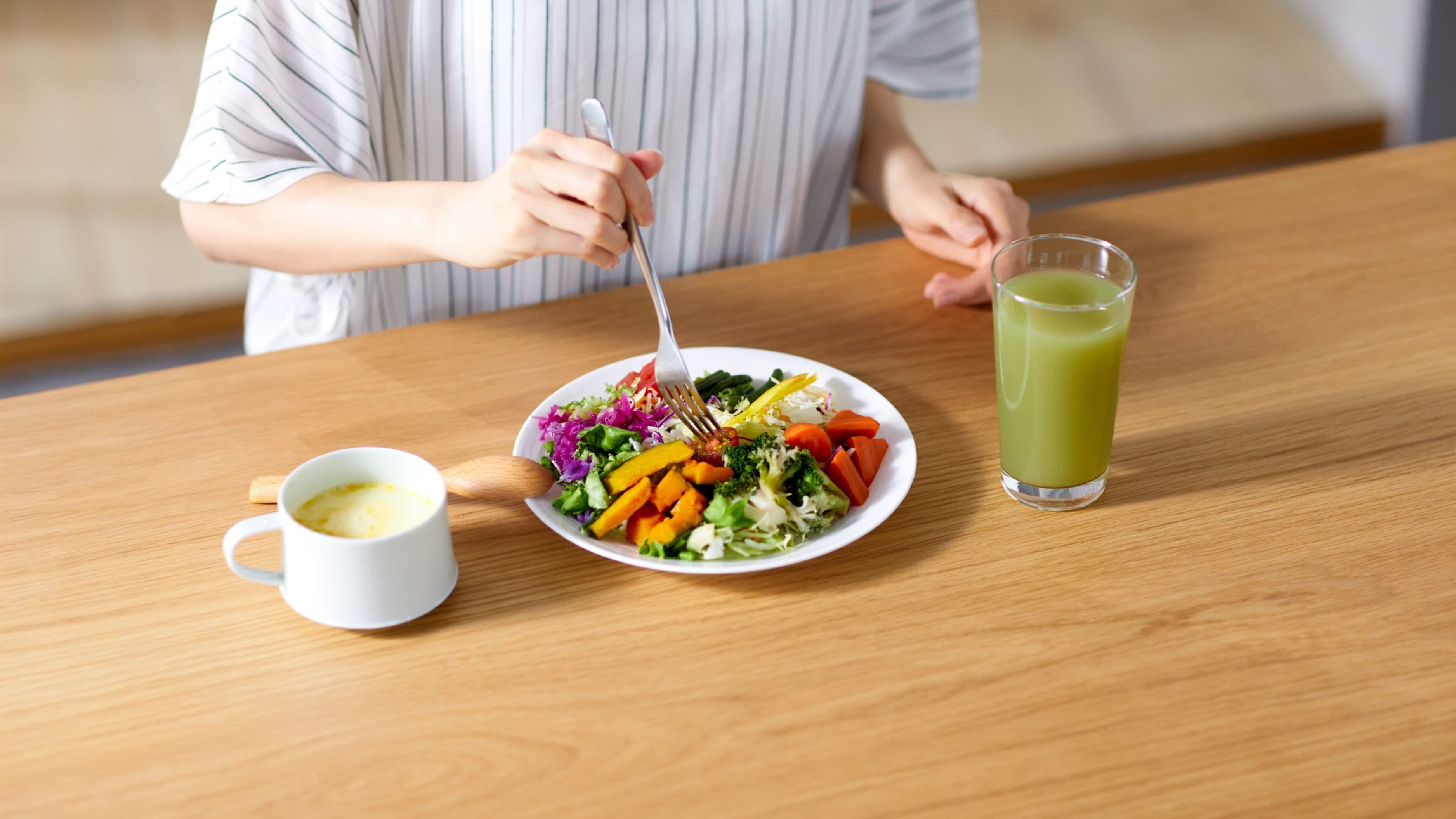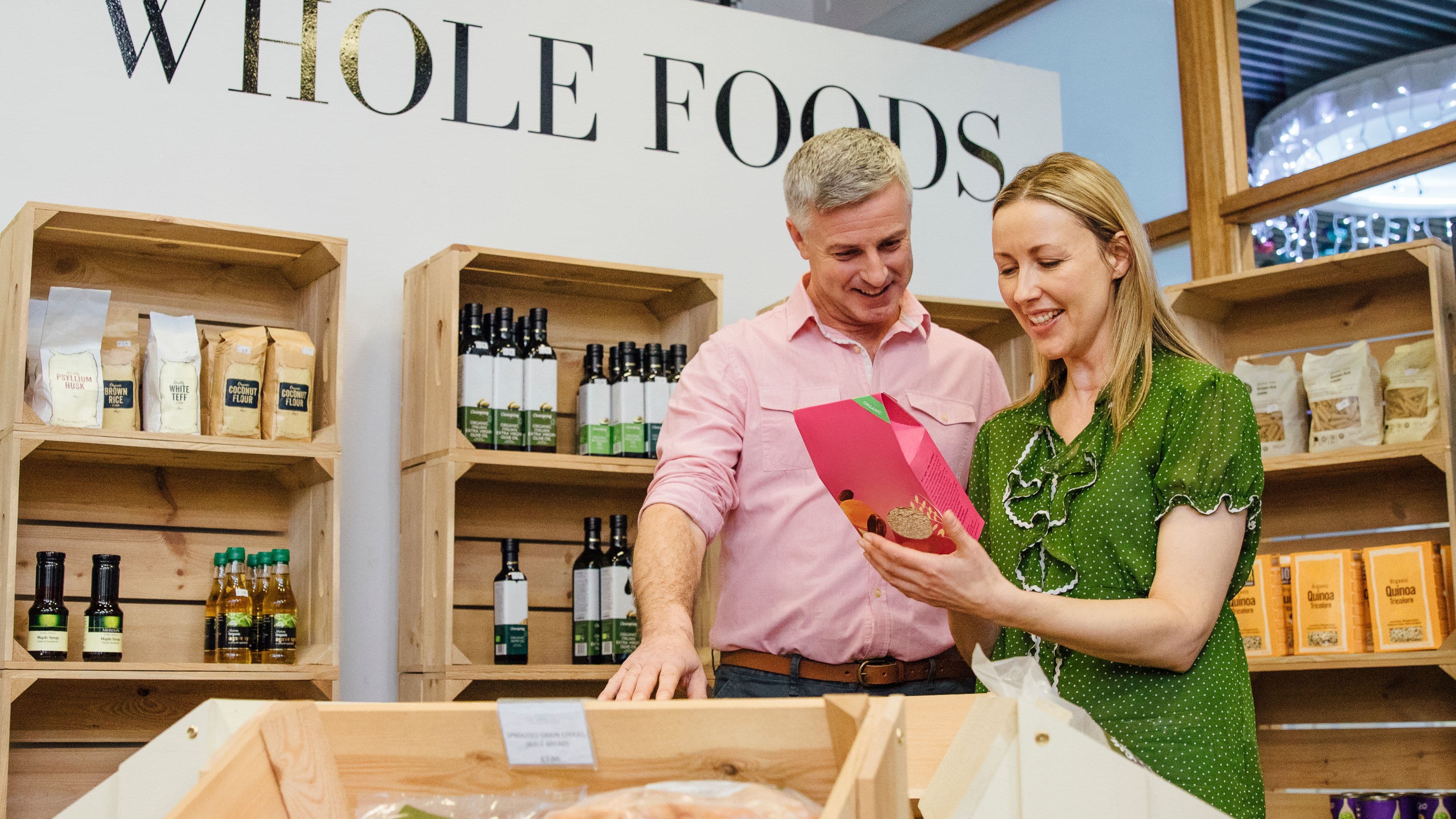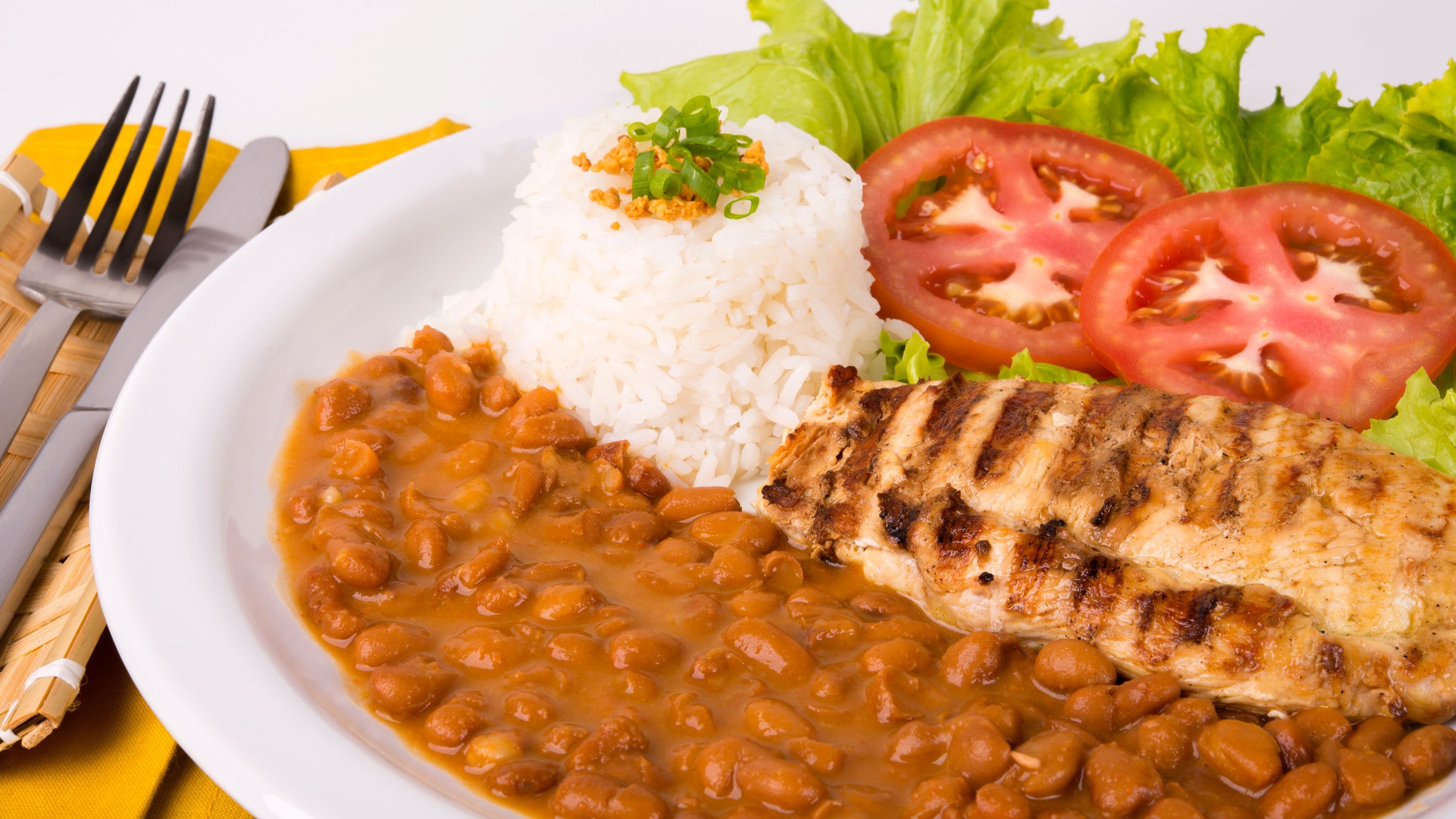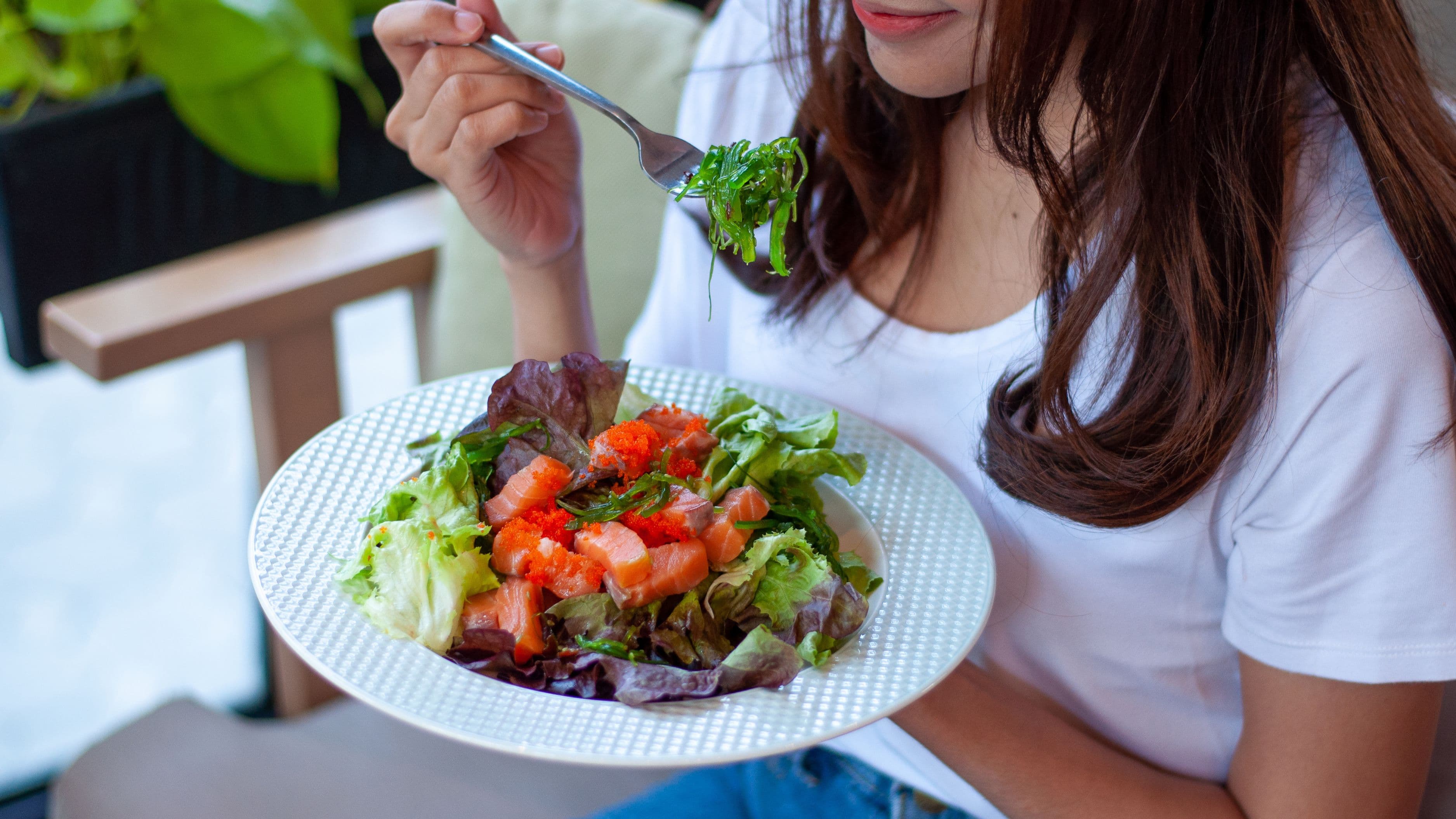

The good news is that eating reasonably well on the road doesn't require willpower, special food, or refusing the client dinner. It requires a small amount of planning and a few consistent habits that don't feel like a diet.
Why Work Travel Derails Eating Habits
Before getting into what to do, it helps to understand why work travel is particularly challenging for eating habits, because the reasons aren't what most people assume.
It's not usually about a lack of healthy options. Most airports, hotel restaurants, and urban areas have perfectly decent food available if you're willing to look for it. The real issue is decision fatigue – travel involves dozens of small decisions (when to leave, what to pack, how to get there, where to sit, who to message) and food is just one more in an already long queue. By the time you're standing at an airport gate with 20 minutes until boarding, your capacity to make a considered food choice has already been used up by other things, and you reach for whatever is closest.
Add jet lag or early morning flights, client meals where you're eating out of social obligation rather than hunger, and the general tendency of hotel environments to offer food designed for convenience rather than nutrition, and you've got a system that passively nudges you toward worse choices throughout the trip. The fix is to reduce the number of decisions you need to make actively – not to resist temptation, but to make the default option a reasonable one.
Step 1: Pack a Small Food Kit for the Trip
Bringing a few portable, non-perishable foods in your bag sounds like overkill until the third time you've paid airport prices for a mediocre sandwich because you were hungry and nothing else was close. A small selection of foods you pack yourself does two things: it removes the worst default options from the equation, and it means you're not ravenous by the time you arrive at your destination and reach for anything in sight.
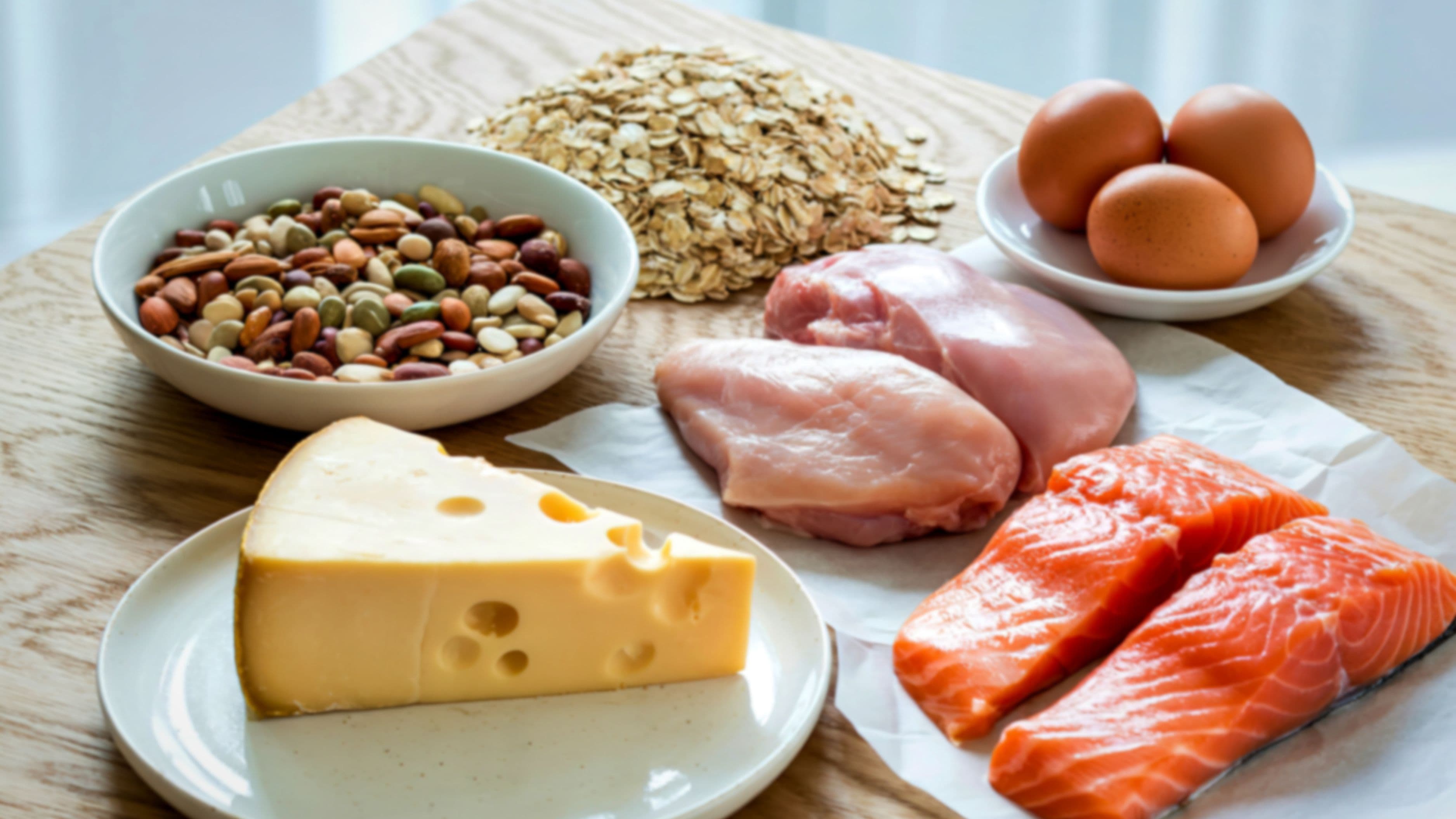
What to pack depends on your preferences, but the most useful categories are protein-rich snacks (protein bars, nuts, jerky, individual nut butters) and things that fill you up without spiking your energy and then crashing it (oatmeal packets, rice cakes, whole grain crackers). You don't need to pack an entire day of food – just enough to not be desperately hungry in the worst-option environments: the airport, the hotel arrival, and the late meeting that runs past dinner time.
A small bag of mixed nuts alone is genuinely useful. It means you can eat something before a client dinner rather than arriving starving and ordering whatever is fastest, which tends to produce both worse food choices and slightly awkward eating behaviour.
Step 2: Make One Proactive Decision Per Day
Trying to optimise every meal while travelling is exhausting and mostly unnecessary. A more sustainable approach is to make one deliberate, healthy food choice per day and let the rest be whatever it needs to be given the circumstances.
In practice, this usually means breakfast. Breakfast on work travel is the meal you have the most control over – you're typically at a hotel that has either a breakfast buffet or room service, or you're near a coffee shop where you can make a deliberate choice before the day's momentum takes over. A breakfast that has some protein and isn't pure refined carbohydrates (toast and jam, pastries, sugary cereal) sets your blood sugar on a more stable track for the morning and reduces the mid-morning crash that drives unhealthy snacking before lunch.
At a hotel buffet, this often just means adding eggs or yoghurt to the plate rather than loading up on pastries. At a coffee shop, it means choosing the egg sandwich or the porridge rather than the muffin. Neither of these requires heroic willpower. They're small defaults that compound across a multi-day trip.
Once you have one solid meal anchored, the rest of the day's eating can flex around business meals, convenience, and reality without the whole trip going sideways.
Step 3: Navigate Restaurant Meals Without Stress
Client dinners, team lunches, and business meals are a non-negotiable part of work travel for most people, and they're the wrong place to be awkward about food choices. The goal here is not to eat perfectly; it's to make slightly better choices within whatever is being ordered, without it becoming a conversation topic.
A few habits that work well in restaurant settings: ordering a starter and a main rather than going straight to the heaviest main on the menu, choosing a dish that has a reasonable amount of protein and vegetables alongside whatever else is appealing, and not eating the entire bread basket before the food arrives just because it's there. None of these are restrictions – they're just slight calibrations that leave you feeling better at the end of a long dinner than you would have otherwise.
Alcohol at client meals is often a professional norm, and the goal isn't to abstain. But alternating alcoholic drinks with water, or ordering a drink you'll sip slowly, keeps your total intake lower without making it obvious or socially awkward.
Step 4: Use the Hotel Room to Your Advantage
Hotels are more useful for food than most travellers use them for, and a small amount of forward thinking at check-in can change what your eating day looks like.
Most hotels, even modest ones, have a mini-fridge. Even if it arrives full of overpriced minibar items, you can ask for it to be cleared (or just move things aside) and use it to store food you've bought nearby. Finding a nearby grocery store or convenience store on the first evening of a trip and buying a few basics – fruit, yoghurt, a water bottle, maybe some nuts or a sandwich for the next morning – costs a fraction of what hotel room service or the minibar would, and gives you options you control.
This is particularly useful for early morning departures. A trip where you leave at 6am is a trip where finding good food at the airport is challenging and expensive. Having something in the room you can eat or take with you makes a meaningful difference.
Most hotel loyalty app or front desk services also let you request a kettle or microwave in the room, which opens up oatmeal, instant soups, and other very basic options. These aren't glamorous, but they're practical when you want something warm and light rather than a full restaurant meal late at night.
Step 5: Stay Hydrated More Deliberately Than Usual
Travel dehydration is underappreciated as a source of fatigue, poor focus, and the kind of vague hunger that makes people reach for snacks they don't really need. Aircraft cabin air is very dry, and between flights, meetings, and social obligations, it's easy to go several hours without drinking anything that isn't coffee or alcohol – both of which dehydrate you further.
Carrying a refillable water bottle is the simplest intervention. Most major airports now have water refill stations after security, and having water readily available means you drink it without thinking about it. On long flights, asking the flight attendant for two cups of water instead of one costs nothing. In meetings and at hotel desks, keeping water in front of you means you'll drink it.
Staying well-hydrated on work travel doesn't require tracking intake or hitting a specific target. It just requires making water available and accessible throughout the day rather than relying on finding it when you're already thirsty.
Common Mistakes to Avoid
Skipping meals to compensate. If you had a big client dinner last night, skipping breakfast as "compensation" tends to produce worse eating later in the day because you arrive at lunch or the afternoon hungry and with reduced food decision quality. Eating something reasonable in the morning, even something small, is better than skipping.
Using travel as a mental free pass. "I'm travelling" can become a reason to eat whatever is convenient for every single meal across a five-day trip. Travel does involve more flexibility and less control than home eating – that's fine. But treating the entire trip as an exception means coming home having made dozens of choices you wouldn't normally make, which compounds across frequent travel.
Over-restricting at business meals. Being visibly selective or restrictive about food at client or team meals draws attention and can create social friction. The goal is to make slightly better choices within what's being eaten together, not to stand out by ordering a salad while everyone else has a three-course meal.
Not planning for the airport. Airports reliably offer poor food at high prices under time pressure. This is one of the most predictable food environments in work travel, and it's also one of the easiest to partially plan around. Eating something before you leave for the airport, or packing a snack, costs almost nothing and removes the worst decision moment from the trip.
Realistic Expectations
Eating well on work travel doesn't mean eating the same way you do at home. It means not letting travel become a complete nutritional free-for-all that leaves you feeling sluggish and off by the end of a trip. A reasonable goal for a work trip is to get one solid, deliberate meal per day, stay hydrated, carry enough snacks to avoid desperation eating, and navigate the rest with reasonable flexibility.
That's it. Small, consistent habits across a trip add up significantly, especially for people who travel frequently. The return isn't a perfect diet – it's feeling better during and after travel than you did before you started paying attention.
FAQ
Is it realistic to avoid all airport junk food? You don't need to avoid all of it, just avoid making it the default. Having eaten something before you got to the airport, or having a snack in your bag, means you're not hungry and desperate when you're surrounded by fast food options. That context makes it much easier to make a reasonable choice rather than grabbing the first thing available.
What are the best snacks to pack for work travel? Portable, non-perishable options that travel well include: mixed nuts, protein bars (look for ones with under 10g of sugar), individual nut butter packets, rice cakes, jerky, dried fruit, and whole grain crackers. These don't require refrigeration and hold up across a full day of travel.
How do I handle jet lag and appetite disruption? Jet lag genuinely disrupts hunger signals – you may feel hungry at unusual times, not hungry when you should eat, or craving heavy food as a comfort response. Eating small amounts at local meal times, staying hydrated, and avoiding heavy meals late in the evening in your new time zone all help your body recalibrate faster. Don't force yourself to eat if you're not hungry, but don't skip eating entirely because your timing feels off.
What if my company's travel expense policy only covers restaurant meals? Grocery store purchases are often covered under per diems even when they're not the default expectation. Check your expense policy – in many cases, buying a few reasonable items at a grocery store is within the allowed daily food budget, even if it's less common than claiming restaurant receipts.
How do I stay healthy at long client dinners without being obvious about it? Order dishes that have a reasonable protein and vegetable component alongside whatever sounds appealing. Eat slowly – long meals move at a slower pace anyway. Drink water between alcoholic drinks. You don't need to announce any of this or make it visible; these are personal calibrations that take place entirely within normal-looking meal behaviour.
📚 Sources
Harvard T.H. Chan School of Public Health – Healthy eating on the road: https://www.hsph.harvard.edu/nutritionsource/healthy-eating-plate/
Cleveland Clinic – How to eat healthy while travelling: https://health.clevelandclinic.org/how-to-eat-healthy-while-traveling
American Heart Association – Eating healthy when dining out: https://www.heart.org/en/healthy-living/healthy-eating/eat-smart/nutrition-basics/eating-healthy-when-dining-out
National Sleep Foundation – Travel and sleep disruption: https://www.sleepfoundation.org/travel-and-sleep
Mayo Clinic – Nutrition and travel tips: https://www.mayoclinic.org/healthy-lifestyle/nutrition-and-healthy-eating/expert-blog/travel-and-healthy-eating/bgp-20056246