
The Restriction Cycle Is the Core Problem
Most healthy eating attempts start with a long list of foods to eliminate: no sugar, no processed food, no this, no that. This works fine for a few days, sometimes even a couple weeks, powered by initial motivation. But restriction-based eating creates a psychological rebound effect where the eliminated foods become more mentally prominent, not less, and the eventual "slip" feels like total failure rather than a normal, expected part of adjusting eating habits.
This cycle, restrict, slip, feel like a failure, abandon the whole effort, repeats because each attempt uses the same restriction-heavy framework that set up the same predictable outcome. The fix isn't more willpower for the next attempt; it's a fundamentally different approach that doesn't create the same rebound dynamic in the first place.
Fix 1: Add Before You Subtract
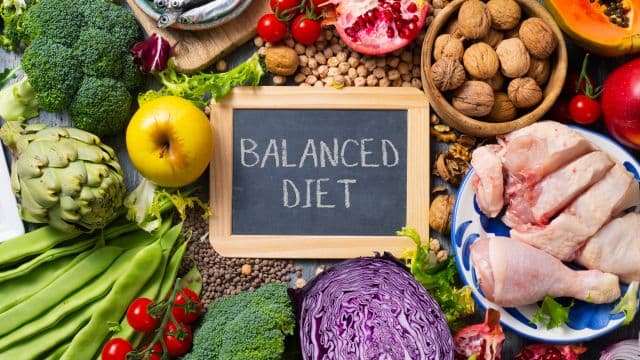
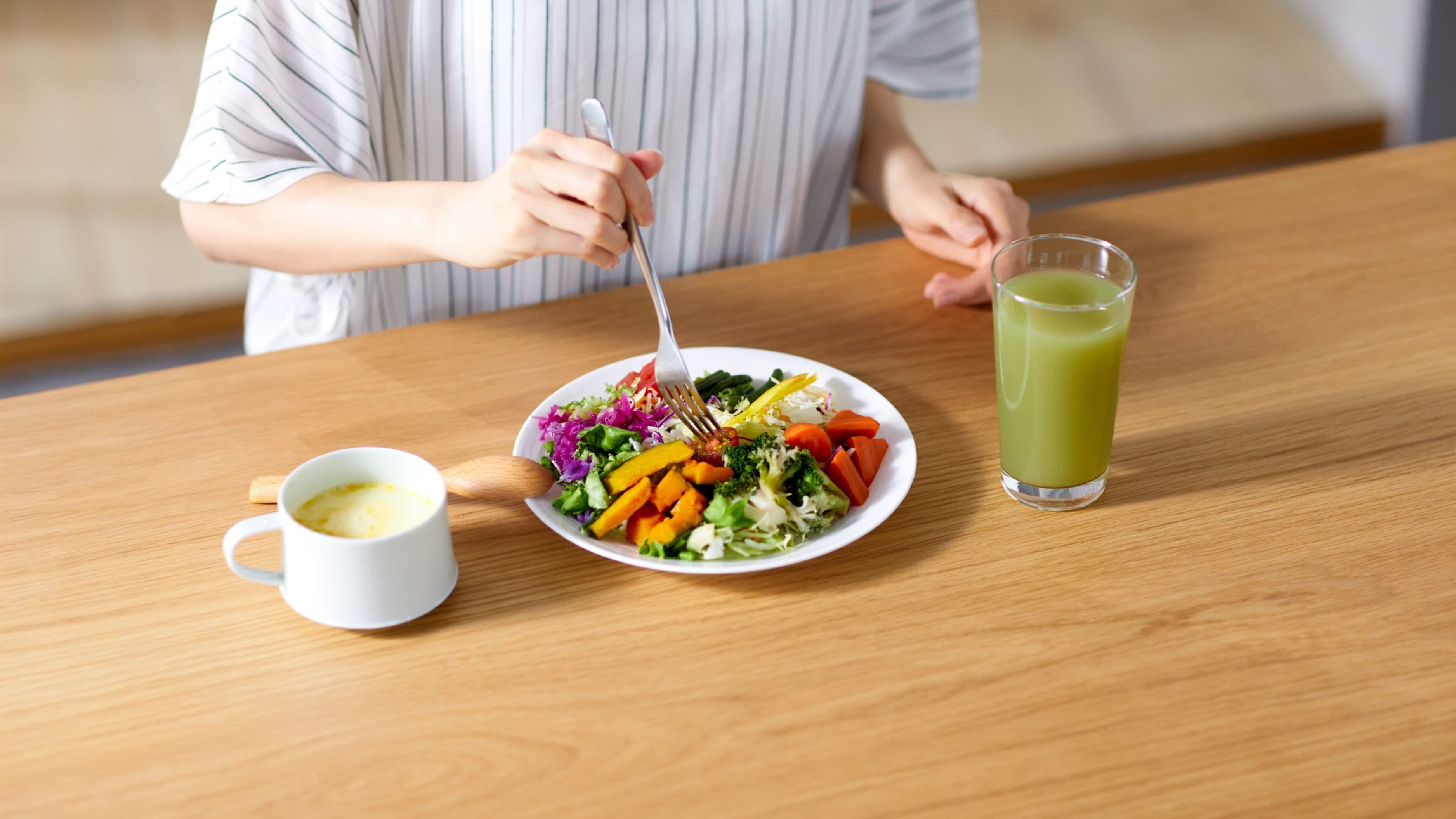
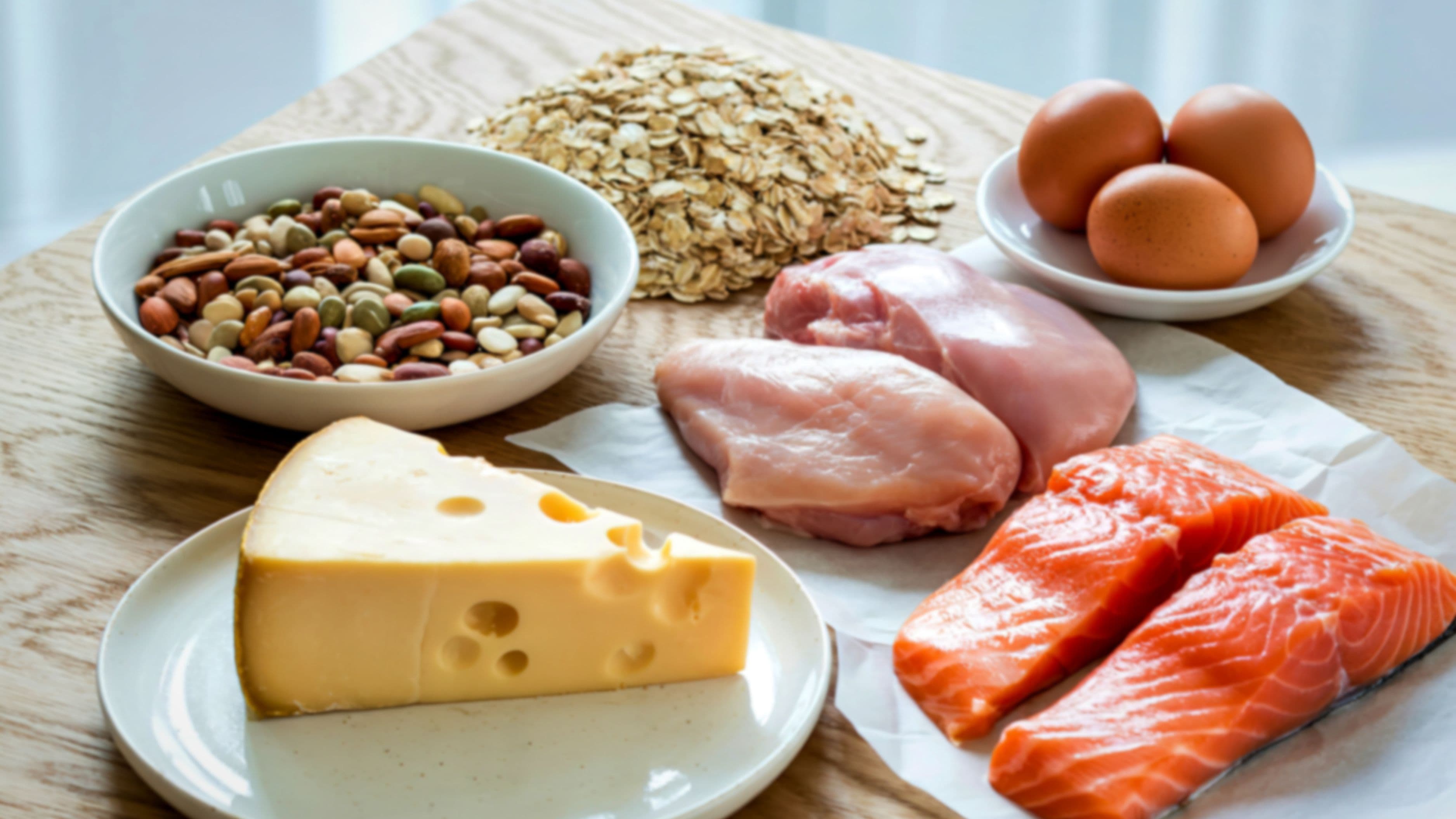
Instead of starting with a list of foods to eliminate, start by adding things: more vegetables, more protein, more water throughout the day. This shifts your relationship with the change from deprivation to addition, which is psychologically a completely different experience even though the net effect, an improved overall diet, moves in the same direction.
In practice, this might mean adding a vegetable to lunch and dinner before worrying about reducing anything else, or adding a glass of water before each meal rather than immediately cutting out soda entirely. The foods you're trying to eat less of often naturally decrease somewhat just from genuinely being fuller and more satisfied, without the direct restriction that triggers the rebound cycle.
Fix 2: Aim for "Better," Not "Perfect"
All-or-nothing thinking, "I already had one unhealthy meal today so the whole day is ruined," is one of the most common and most damaging patterns undermining consistent healthy eating. A single meal doesn't meaningfully affect your overall health trajectory, but the belief that it does often leads to abandoning any effort for the rest of the day, or the rest of the week, once that first "slip" happens.
Reframe each meal as an independent choice rather than a continuation of whatever happened at the last one. This single mindset shift, treating each eating decision separately rather than as validation of an "all good" or "all bad" day, removes a huge amount of the pressure that makes healthy eating feel unsustainable.
Fix 3: Address the Actual Barrier, Not Just the Behavior
"Eat healthier" often fails because the actual barrier isn't lack of knowledge about what's healthy, it's something more specific: no time to cook, stress eating patterns, genuinely disliking most vegetables, or an environment stocked entirely with convenience food because that's what's realistic given your schedule. Generic healthy eating advice doesn't address any of these specific barriers, which is exactly why it tends to fail regardless of how motivated you feel at the start.
Get specific about your actual barrier before choosing a strategy. If time is the real issue, batch cooking simple staples matters more than learning new recipes. If stress eating is the pattern, addressing the stress itself, or building in a non-food coping strategy, matters more than any dietary rule. Matching the fix to the actual barrier, rather than applying generic advice, is what separates changes that stick from ones that don't.
Fix 4: Build Consistency Through Small, Repeatable Actions
Ambitious overnight overhauls, replacing your entire diet at once, are dramatic but rarely sustainable, since they require maintaining a huge number of new habits simultaneously with no established routine to fall back on. Small, specific, repeatable actions, drinking water before each meal, keeping cut vegetables visible and accessible in the fridge, build into genuine habit over weeks in a way that dramatic overhauls typically don't.
This feels slower and less satisfying than a complete transformation narrative, but it's the version that's actually still happening a few months later, which is the entire point.
What to Avoid
Don't set a goal so restrictive that any deviation feels like total failure. Goals with some built-in flexibility, "mostly whole foods most days" rather than "zero processed food ever," survive real life better than rigid, all-or-nothing targets.
Don't ignore emotional or stress-related eating patterns while focusing purely on food choices. If stress or emotion is driving certain eating patterns, addressing food alone without addressing the underlying trigger tends to produce short-lived results at best.
Don't compare your progress to an idealized version of "healthy eating" you've seen online. Sustainable habits look different for different people, schedules, budgets, and food preferences, and chasing someone else's specific approach often sets up the same restriction-and-rebound pattern in a new form.
Realistic Expectations
Building genuinely sustainable eating habits is a gradual process, typically taking a few months of consistent small changes before it feels like your new normal rather than something you're actively managing and thinking about constantly. Expect some inconsistency along the way; the goal is a general upward trend over time, not perfect adherence from the very first week.
FAQ
How long does it actually take to build a new eating habit? Estimates vary, but meaningful habit formation generally takes a few weeks of consistent repetition at minimum, often longer for more significant changes, so patience with the process matters more than speed.
Is it normal to have setbacks even with this approach? Yes, completely normal. The goal of this approach is reducing how much a setback derails your overall progress, not eliminating setbacks entirely.
Should I track calories or macros as part of this approach? This is optional and depends on personal preference; some people find tracking helpful for awareness, while others find it triggers the same restrictive, all-or-nothing thinking this approach is designed to avoid. Choose based on what's genuinely sustainable for you.
📚 Sources
Behavior change and habit formation research – https://www.apa.org/topics/behavioral-health
Sustainable dietary change guidance – https://www.myplate.gov/eat-healthy