
The good news is that the gut microbiome is remarkably responsive. Meaningful shifts in how you eat can produce noticeable changes within 30 days – not a complete overhaul, but enough to feel a real difference in how your body operates. This plan is practical, not extreme. It's about making smarter choices consistently, not following a restrictive diet that you'll abandon by week two.
What You're Actually Trying to Do
The goal of a gut reset isn't to "cleanse" anything or follow a specific branded protocol. It's simpler than that. You're trying to feed the beneficial bacteria in your gut, reduce the things that irritate the gut lining, and gradually shift your microbiome toward a more balanced state. Think of it less like a detox and more like a 30-day shift in eating patterns that gives your digestive system a break and a reason to function better.
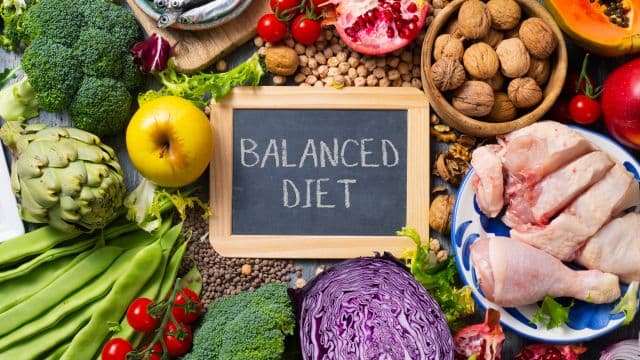
The gut microbiome responds to diversity above almost everything else. Studies consistently show that people who eat a wider variety of whole plant foods – different vegetables, fruits, legumes, whole grains, nuts, and seeds – have healthier, more diverse gut bacteria than those who eat a narrow range, even if both eat "healthy" foods. That's one of the most useful things to hold onto as you move through this month.
Before You Start: One Week of Awareness
Before making any changes, spend a few days noticing what you currently eat and how you feel afterward. You don't need a food journal – just a general awareness of patterns. Do certain foods consistently make you feel bloated, sluggish, or uncomfortable? Are there times of day when your energy crashes? Do you notice any connection between what you ate and how your digestion felt the next morning?
This isn't about diagnosing yourself with anything. It's about building a baseline so that when you do notice changes during the 30 days, you can connect them to specific shifts you made. That feedback loop is what turns a temporary challenge into lasting habits.
Week 1 (Days 1–7): Clear the Deck
The first week is about pulling back the main gut disruptors without dramatically changing everything at once. You don't need to empty your kitchen or go cold turkey on everything simultaneously. Focus on reducing these three things:
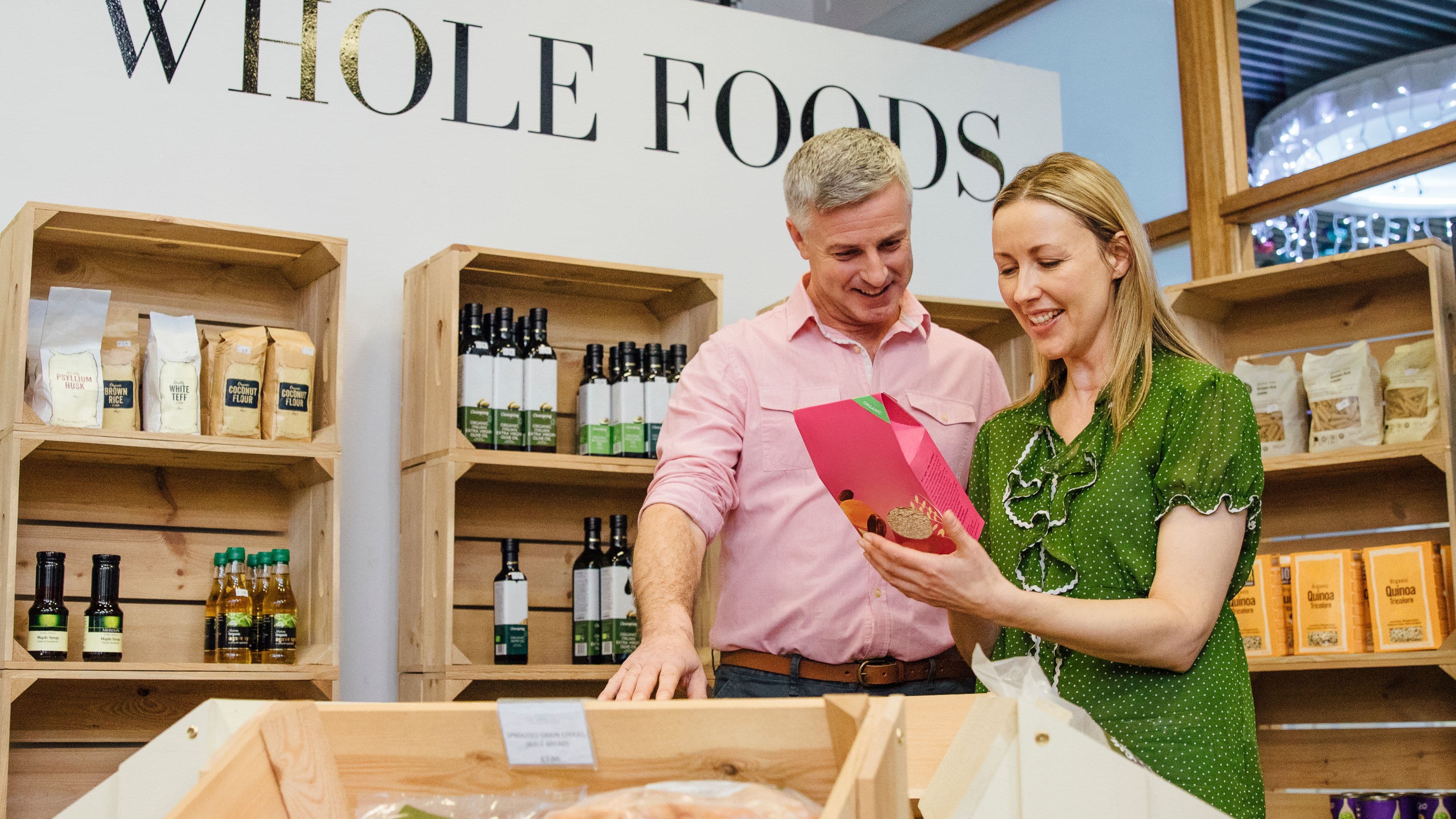
Ultra-processed foods – packaged snacks, fast food, and anything with a long list of unrecognizable ingredients. These contain emulsifiers, artificial sweeteners, and preservatives that research has linked to negative changes in gut bacteria composition. You don't need to eliminate every processed food, but noticeably reducing them in week one creates the foundation for everything else.
Refined sugar and high-fructose corn syrup – these feed opportunistic gut bacteria and yeast that can crowd out the beneficial strains you're trying to support. The goal isn't zero sugar forever – fruit, naturally occurring sugars, and occasional treats aren't the issue. The target is the added sugar that shows up in drinks, condiments, sauces, and packaged foods without you realizing it.
Alcohol – particularly in high quantities. Alcohol disrupts the gut lining, alters the microbiome composition, and impairs the gut's ability to absorb nutrients. For 30 days, reducing or eliminating alcohol is one of the highest-impact changes most people can make for gut health. Even pulling back from frequent moderate drinking to occasional light drinking makes a measurable difference.
This week isn't about perfection. It's about shifting the ratio. More whole food, less packaged food. More water, fewer sugary drinks. Give your gut a cleaner input and it will begin to respond.
Week 2 (Days 8–14): Add the Good Stuff
With some of the disruptors reduced, week two is about actively feeding your gut bacteria what they need. This is where things start to feel more positive and less restrictive.
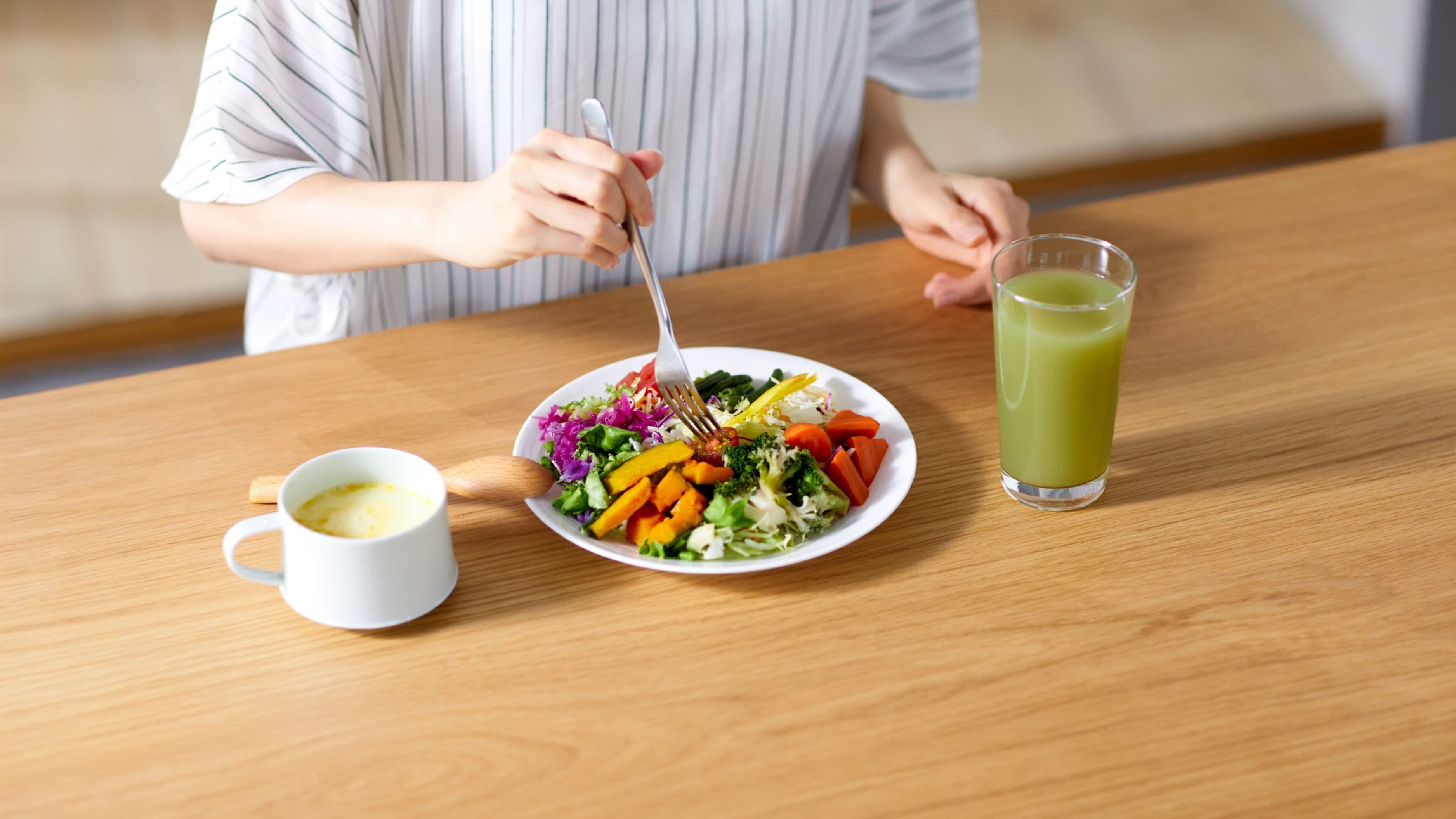
Fiber is the main event. Gut bacteria ferment fiber to produce short-chain fatty acids – compounds that reduce inflammation, support the gut lining, and have been linked to better metabolic health. Most people eat well below the recommended 25–38 grams of fiber daily. Adding more vegetables, legumes (beans, lentils, chickpeas), whole grains, nuts, seeds, and fruit moves you in the right direction. You don't need to count grams – just aim to have at least one significant source of fiber in every meal.
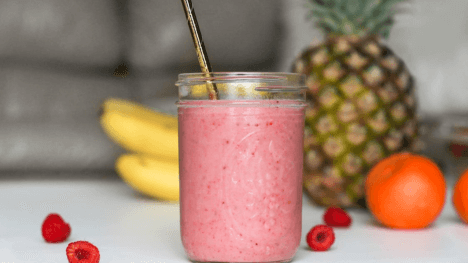
Fermented foods introduce beneficial bacteria directly. Yogurt with live cultures, kefir, kimchi, sauerkraut, miso, and tempeh all contain live microorganisms that support a healthy gut environment. You don't need to eat all of them – even one or two regularly makes a difference. A small serving of kimchi with dinner, a daily yogurt with breakfast, or kefir blended into a morning smoothie are easy entry points that don't require major dietary restructuring.
Polyphenols are plant compounds that act as food for beneficial gut bacteria. They're found in berries, dark chocolate, green tea, olive oil, onions, and many herbs and spices. Adding these to your meals isn't complicated – blueberries in your oatmeal, green tea in the afternoon, extra virgin olive oil used for cooking. Small additions compound meaningfully over 30 days.
Aim for variety within these categories. Different types of fiber and different fermented foods support different bacterial strains, which is why diversity matters more than volume.
Week 3 (Days 15–21): Support the System
By week three, most people start noticing something. Energy feels more consistent, bloating is reduced, digestion is more regular. This is also usually the week when old habits try to reassert themselves, so building in some intentional structure helps.
Hydration matters more for gut health than most people connect. Water helps move things through the digestive tract, supports the mucus lining of the gut, and helps fiber do its job. If you've been adding more fiber without adding more water, you may actually feel worse rather than better. The general aim is 6–8 glasses of water daily, with more on active days. Plain water, herbal teas, and water-rich foods like cucumber, lettuce, and watermelon all count.
Stress management has a direct, documented effect on gut health through the gut-brain axis – the communication network between your digestive system and your brain. Chronic stress changes gut motility, alters microbiome composition, and increases gut permeability. This isn't a reason to add a demanding meditation practice on top of a dietary reset, but it is a reason to notice if high stress is working against the changes you're making. Even brief decompression habits – 10 minutes of walking outside, a few minutes of breathing before a meal, cutting screen time before bed – support the work your gut is doing.
Sleep regularity is also worth addressing. Poor sleep disrupts the gut microbiome in measurable ways, and the gut in turn influences sleep quality. Getting consistent sleep timing – not necessarily more hours, but more regular timing – helps stabilize the gut-brain connection and makes everything else you're doing more effective.
Week 4 (Days 22–30): Anchor What's Working
The final week is about reinforcing the habits that have started to feel natural and identifying what you want to carry forward after day 30.
Look back at the shifts you made in weeks one through three. Which ones required minimal effort and produced noticeable results? Those are the ones most worth keeping. Which ones felt forced or unsustainable? Those either need a different approach or are lower priority. The goal isn't to maintain a perfect 30-day protocol indefinitely – it's to shift your default closer to what supports your gut health.
By the end of week four, most people have naturally reduced their reliance on ultra-processed foods simply through habit replacement. The morning yogurt or kefir has become routine. Vegetables show up in more meals. The water bottle gets refilled more often. These aren't dramatic changes, but they're durable ones – and durability is what produces long-term gut health.
What to Eat More Of (Quick Reference)
Vegetables in variety – aim for different colors throughout the week
Legumes – lentils, chickpeas, black beans, edamame
Whole grains – oats, brown rice, quinoa, barley, whole grain bread
Fermented foods – yogurt (live cultures), kefir, kimchi, sauerkraut, miso, tempeh
Fruits – especially berries, apples, and bananas for their prebiotic fiber
Nuts and seeds – almonds, walnuts, flaxseed, chia seeds
Polyphenol-rich foods – blueberries, green tea, dark chocolate (70%+), olive oil
What to Reduce (Not Necessarily Eliminate)
Ultra-processed snacks and packaged foods with long ingredient lists
Added sugar, especially in drinks and condiments
Alcohol, particularly frequent or heavy consumption
Artificial sweeteners – some research suggests they may negatively affect gut bacteria composition
Excessive red and processed meat – fine in moderation, but a diet heavy in red meat tends to correlate with less diverse gut microbiome profiles
Fried and heavily refined foods that provide little to no fiber
Mistakes to Avoid
Adding too much fiber too fast is the most common reason people feel worse rather than better in the first week of a gut reset. If you jump from a low-fiber diet to eating large amounts of legumes, raw vegetables, and whole grains simultaneously, your gut bacteria haven't adapted yet and the result can be significant bloating and discomfort. Increase fiber gradually across the first two weeks and your gut will adjust without the uncomfortable side effects.
Expecting dramatic results in the first week sets up disappointment. Gut microbiome shifts develop over days to weeks, not overnight. The first week often doesn't feel much different. The second week is usually where small positive changes become noticeable. By the end of week three, most people feel a meaningful difference. Patience with the timeline matters.
Skipping variety in favor of repetition limits the benefit. Eating the same "healthy" foods every day is better than a poor diet, but rotating what you eat – different vegetables, different whole grains, different protein sources – produces more diverse gut bacteria than any single superfood eaten consistently. Variety is the principle that matters most here.
FAQ
Do I need to take probiotic supplements during this reset? Probiotic supplements can be helpful but aren't essential if you're eating fermented foods regularly. The research on supplement-form probiotics is mixed – the strains and doses that produce specific benefits vary significantly, and food-based sources are generally considered more reliable for general microbiome support. If you're recovering from antibiotics or have a specific digestive condition, a probiotic supplement may be worth discussing with your doctor.
Is it normal to feel worse in the first few days? It can be, especially if you've significantly reduced sugar or processed foods. Some people experience a brief adjustment period – changes in digestion, mild fatigue, or headaches – as their gut bacteria shift. This usually passes by days 4–7. If symptoms are severe or persist beyond a week, it's worth checking in with a healthcare provider.
Can I do this reset if I have IBS or a diagnosed digestive condition? Some elements of this reset – particularly high-fiber foods and fermented foods – can be problematic for certain digestive conditions like IBS, SIBO, or Crohn's disease. If you have a diagnosed condition, it's worth speaking with a gastroenterologist or registered dietitian before making significant dietary changes. General gut health advice doesn't always apply to clinical digestive conditions.
What if I slip up and eat poorly for a day or two? Pick up where you left off the next day. One or two off days don't erase the progress from the preceding days, and the gut microbiome responds to overall dietary patterns rather than individual meals. The goal is consistency over time, not perfection in the moment.
How will I know if it's working? Common signs that gut health is improving include more regular and comfortable digestion, less bloating after meals, more consistent energy levels through the day, better sleep quality, and a generally calmer feeling in your digestive system. These changes are gradual and vary by person – the baseline awareness you built in the first week makes them easier to notice.
📚 Sources
Sonnenburg JL & Sonnenburg ED – Gut Microbiota Features Associated with Clostridioides difficile Colonization in Dairy Cattle (Cell, 2019): https://www.cell.com/cell/fulltext/S0092-8674(22)00821-9
Harvard T.H. Chan School of Public Health – The Microbiome: https://www.hsph.harvard.edu/nutritionsource/microbiome/
Zmora N et al. – You Are What You Eat: Diet, Health, and the Gut Microbiota (Nature Reviews Gastroenterology & Hepatology, 2019): https://www.nature.com/articles/s41575-018-0061-2
NHS – How to Get More Fibre Into Your Diet: https://www.nhs.uk/live-well/eat-well/digestive-health/how-to-get-more-fibre-into-your-diet/
Harvard Health Publishing – The Gut-Brain Connection: https://www.health.harvard.edu/diseases-and-conditions/the-gut-brain-connection
Wastyk HC et al. – Gut-Microbiota-Targeted Diets Modulate Human Immune Status (Cell, 2021): https://www.cell.com/cell/fulltext/S0092-8674(21)00754-6