The good news is that a gratitude practice doesn't have to feel like a chore or a fake-positive ritual. When it's built around small, genuine moments instead of obligation, it can quietly shift how you feel day to day. Here's a simple, low-pressure way to build one over the next 30 days – the kind that actually sticks because it never feels forced in the first place.
Why Forced Gratitude Backfires
Before the how, it helps to understand why the usual approach often falls flat. When gratitude becomes a box to tick – a rushed list scribbled out of duty – it turns into a performance rather than a feeling, and your brain notices the difference. Forced positivity can even feel a little dishonest, especially on hard days, which is why so many people quietly abandon the gratitude journal after a week.
Real gratitude isn't about pretending everything is great or manufacturing cheerfulness on command. It's about genuinely noticing the good that's already there, however small. That shift – from forcing to noticing – is the whole secret, and it's what makes the difference between a practice that drains you and one that lifts you. The goal isn't to feel more grateful by sheer effort; it's to pay closer attention so the gratitude shows up on its own.
Step 1: Start Ridiculously Small
The fastest way to make any habit feel forced is to make it too big. So start almost laughably small: one genuine thing a day. Not three, not a full page – just one real thing you actually appreciated.
The key word is real. Instead of reaching for generic answers, notice something specific and true from your actual day: the way your dog greeted you, a text from a friend, the first warm sip of your drink, the fact that a stressful task is finally done. Specific, real moments carry feeling in a way that generic lists never do. One sincere noticing beats ten obligatory ones, and because it takes seconds, you'll actually keep doing it. What this means for you: aim for one genuine thing a day, and let the smallness be the point – it keeps the practice honest and easy.
Step 2: Attach It to Something You Already Do
A gratitude practice sticks when it doesn't require carving out special time, which usually feels like a chore. Instead, attach it to a habit you already have – this is called habit stacking, and it's one of the most reliable ways to make a new behavior automatic.
Pick an existing anchor and tie your one moment of gratitude to it. You might notice something you appreciate while your morning coffee brews, during your commute, while brushing your teeth, or as you settle into bed. By linking gratitude to something automatic, you remove the "I forgot" and "I don't have time" excuses entirely, and it starts to feel like a natural part of your day rather than an added task. What this means for you: choose one daily anchor you never skip, and let it quietly carry your gratitude practice along with it.
Step 3: Feel It, Don't Just List It
Here's the difference between a practice that works and one that feels mechanical: take a few seconds to actually feel the gratitude, not just record it. Listing "lunch with a friend" does little if you breeze past it. Pausing for even five seconds to genuinely re-experience that warmth is what gives gratitude its quiet power.
So when you notice your one thing, linger on it briefly. Picture the moment, recall why it mattered, and let the small good feeling register before moving on. This tiny pause is what shifts gratitude from a thinking exercise to a felt one, and it's where the real benefit lives. It costs you only a few extra seconds, but it's the step that makes the whole thing meaningful rather than rote. What this means for you: don't just note the good thing – pause long enough to actually feel it, even for a breath or two.
Step 4: Let It Be Honest (Even on Bad Days)
A genuine gratitude practice has room for real life, including hard days, and that honesty is exactly what keeps it from feeling fake. You don't have to be relentlessly positive or grateful for your struggles. On a rough day, your one thing can be tiny and that's completely fine – "I'm grateful this day is over" counts.
Allowing your practice to be honest means you never have to fake it, which is what makes it sustainable. Some days gratitude comes easily; other days you'll have to look harder for one small thing, and the looking itself is valuable. Avoid the trap of using gratitude to dismiss genuine difficulties, since real feelings deserve acknowledgment too. Gratitude and hard times can coexist, and a practice that allows both feels real instead of performative. What this means for you: keep it honest, let bad days have small or simple entries, and never force a feeling you don't have.
A Simple 30-Day Approach
Here's how this comes together over a month, building gently so it never feels like pressure. The idea isn't to transform overnight – it's to let noticing become natural one easy week at a time.
Week 1 – Just notice one thing. Each day, find a single genuine thing you appreciate and simply notice it. Don't even write it down yet if you don't want to. The only goal this week is to start paying attention.
Week 2 – Anchor it to a habit. Now tie that one daily noticing to an existing routine (your coffee, your commute, bedtime). This week is about making it automatic, so it happens without you having to remember.
Week 3 – Add the pause. Keep your one thing and your anchor, and now add the few-second pause to actually feel it. This week deepens the practice from noticing into genuinely experiencing.
Week 4 – Make it yours. By now it's becoming natural, so personalize it. Maybe you start jotting your one thing in a note, occasionally share it with someone, or expand to two things on days it comes easily. Let the practice settle into whatever form feels good and sustainable for you.
The aim by day 30 isn't a dramatic personality change – it's that noticing the good has started to feel like a small, natural part of your day rather than a task. What this means for you: build slowly across four weeks, and let the habit deepen at a pace that never feels forced.
Realistic Expectations
Be patient and gentle with yourself here. A gratitude practice is quiet, not dramatic – you likely won't feel transformed in a day, but over weeks of small, genuine noticing, many people find they feel a little more content, notice good moments more readily, and dwell slightly less on the negatives. It's a gradual shift in attention, not a switch you flip.
The effort required is genuinely tiny – seconds a day – which is exactly why it can last. Consistency matters far more than intensity, so a small practice you keep up beats an ambitious one you quit. And if you miss a day, that's completely normal; just pick it back up without guilt, since gratitude practiced with self-criticism rather defeats the point. What this means for you: expect a slow, gentle improvement, keep it tiny and consistent, and forgive the missed days.
Mistakes to Avoid
A few common missteps turn gratitude back into a chore, so they're worth sidestepping. The biggest is making it too big or too rigid – long lists and strict rules quickly feel like homework, which is the fast track to quitting. Keep it small and flexible instead.
Avoid generic, repetitive entries you don't actually feel, since going through the motions is exactly what makes gratitude feel forced. Be careful about forcing positivity on genuinely hard days or using gratitude to brush past real struggles, as that breeds resentment rather than appreciation. Don't beat yourself up over missed days or "doing it wrong," because there's no perfect way to be grateful. And don't expect instant results, then give up when day three doesn't feel life-changing – the benefit builds quietly over time. What this means for you: keep it small, genuine, honest, and forgiving, and you'll avoid the traps that make most gratitude practices fizzle out.
FAQ
How long does it take for a gratitude practice to work? It's gradual rather than instant. Many people start noticing small shifts – feeling a bit more content or catching good moments more easily – within a few weeks of gentle, consistent practice. The key is patience and consistency over intensity; a tiny daily habit kept up for a month does more than an ambitious one abandoned after days.
Do I have to keep a gratitude journal? Not at all. Writing can help some people, but simply noticing and briefly feeling one genuine thing a day works without any journal. The practice lives in the noticing and the small pause to feel it, not in the recording. Start with just mental noticing, and add writing later only if it appeals to you.
What if I genuinely can't think of anything to be grateful for? That's okay, especially on hard days. Start as small as it takes – warmth, a meal, a quiet moment, even just that a tough day is ending. The looking itself is part of the practice. And gratitude doesn't require ignoring real difficulties; a small, honest thing is enough, and forcing big feelings isn't the goal.
Isn't forcing gratitude on bad days just toxic positivity? It can be, which is exactly why this approach allows for honesty. You're not pretending everything is fine or being grateful for your struggles. On hard days, your one thing can be tiny and real, and your difficult feelings still get to be acknowledged. Genuine gratitude and hard times can coexist without one denying the other.
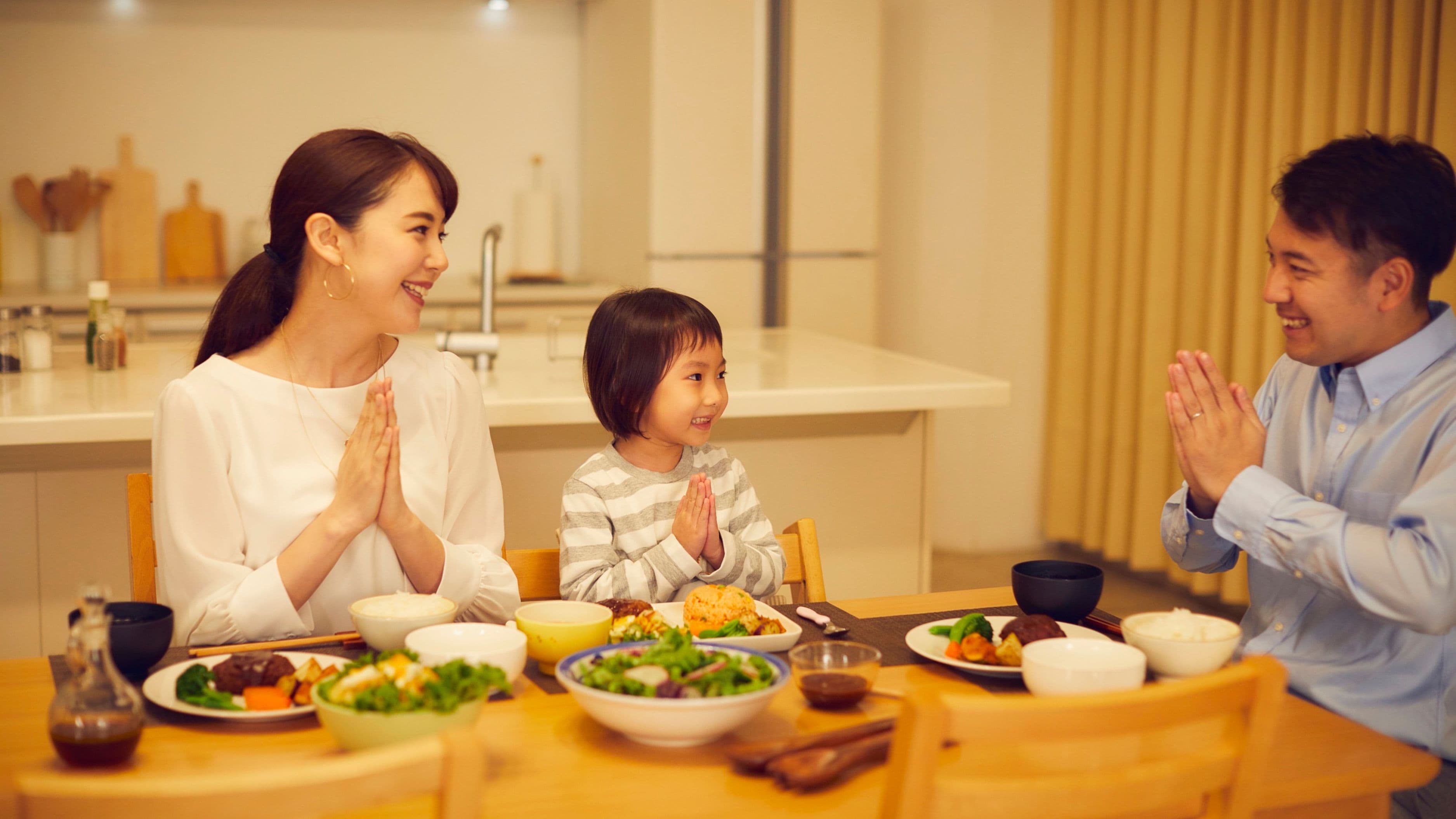
Can I do this with my family or partner? Yes, and it can be lovely. Sharing one genuine thing you each appreciated – at dinner or before bed, for example – keeps it light and connects you to others at the same time. Just keep it optional and low-pressure so it stays a warm moment rather than another obligation on anyone's plate.
The Bottom Line
A gratitude practice that doesn't feel forced comes down to one shift: stop manufacturing gratitude and start genuinely noticing it. Begin with one real thing a day, attach it to a habit you already have, pause a few seconds to actually feel it, and let it stay honest even on hard days. Build it gently over 30 days, keep your expectations realistic, and forgive yourself for the off days. Done this way, gratitude stops being a chore on your to-do list and quietly becomes a natural part of how you move through your day – which is exactly where its quiet power comes from.
📚 Sources
Harvard Health Publishing – Giving thanks can make you happier: https://www.health.harvard.edu/healthbeat/giving-thanks-can-make-you-happier
Greater Good Science Center, UC Berkeley – What is gratitude and why practice it: https://greatergood.berkeley.edu/topic/gratitude/definition
American Psychological Association – The science of gratitude and well-being: https://www.apa.org/topics/mental-health/gratitude
Mayo Clinic – Can expressing gratitude improve your health: https://www.mayoclinichealthsystem.org/hometown-health/speaking-of-health/can-expressing-gratitude-improve-health
NIH News in Health – Practicing gratitude for better health and well-being: https://newsinhealth.nih.gov/2019/03/practicing-gratitude