Why the Entryway Deserves More Attention Than It Gets
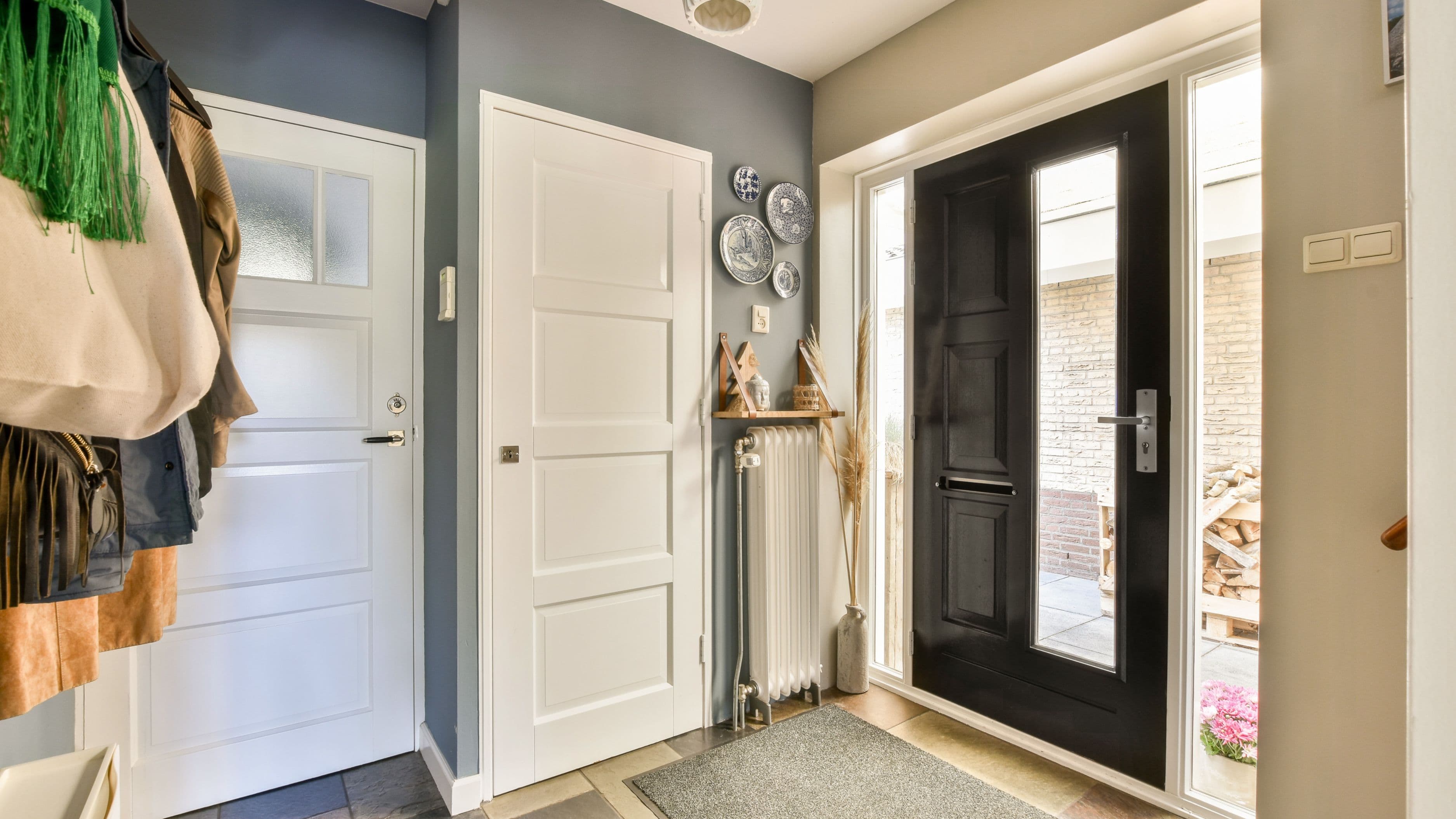
Every time you leave or return home, you pass through this space, which means small inefficiencies here get repeated daily, sometimes multiple times a day. A missing hook means fumbling with keys while holding groceries. No designated landing spot for mail means it ends up scattered across the kitchen counter. These aren't major problems individually, but they add up to a low-grade daily friction that a few targeted changes can meaningfully reduce.
Thinking of the entryway as a functional transition zone, rather than just a decorative first impression for guests, shifts the focus toward changes that actually improve your daily routine rather than ones that just look good.
Give Everything a Specific, Designated Spot
The single most effective entryway upgrade is ensuring every commonly used item, keys, mail, bags, shoes, has one specific, consistent spot rather than a general "somewhere near the door" area. A small key hook mounted at eye level, a designated tray or basket for mail, and a shoe rack or mat sized appropriately for your household all reduce the daily mental effort of deciding where things go, and more importantly, where to find them again later.
This matters more than it initially seems, since the friction of an unclear system compounds daily. A consistent system means you're not searching for keys during a rushed morning, and mail doesn't slowly migrate to random surfaces throughout the house.
Seating Changes the Entire Experience
A small bench or stool near the entryway, even a compact one in a tight space, makes putting on and removing shoes significantly easier and more comfortable, particularly for anyone with mobility considerations, young children, or simply anyone who'd rather not balance on one foot while wrestling with a shoe. This is a small addition that has an outsized impact on how rushed or calm entering and exiting the house feels day to day.
If floor space is limited, a slim, wall-mounted fold-down seat or a narrow bench designed specifically for tight entryways can provide this function without requiring significant square footage.
Lighting That Actually Serves the Space
Entryways are frequently under-lit, especially in homes where the space wasn't designed as a distinct room with its own lighting plan. Adding a dedicated light source, even a simple wall sconce or a well-placed lamp, makes the space feel more intentional and makes finding keys, checking mail, or simply seeing clearly during evening arrivals noticeably easier. This is a relatively low-cost change with a disproportionately large impact on how functional and welcoming the space feels.
A Mirror Serves More Than Aesthetics
Beyond the obvious use of checking your appearance before heading out, a mirror near the entryway visually expands a small space and helps bounce additional light around an area that's often naturally darker than adjacent rooms. This is a practical, not just decorative, addition, particularly in smaller entryways that can otherwise feel cramped and dim.
Managing the Daily Paper and Mail Flow
A simple system for handling mail and daily paperwork prevents one of the most common sources of entryway clutter. A small shredder or recycling bin near your mail landing spot, combined with the habit of immediately sorting mail into "keep," "action needed," and "recycle" categories rather than setting the entire stack down unsorted, prevents the slow accumulation that turns an entryway surface into a permanent pile of unopened envelopes.
Seasonal Flexibility Matters
An entryway that works well in summer might fall short in winter when bulkier coats, boots, and umbrellas need accommodating. Building in some flexibility, an extra hook or two beyond what feels necessary in warmer months, a boot tray for wet or muddy footwear, and adequate space for bulkier winter gear, prevents the space from becoming overwhelmed during seasonal transitions when the volume of items passing through the entryway naturally increases.
Realistic Expectations
Most entryway improvements are low-cost and can be implemented over a single weekend, though building the habit of actually using new systems consistently, hanging keys on the hook instead of dropping them on the counter, sorting mail immediately instead of letting it pile up, takes a few weeks of conscious effort before it becomes automatic. Expect an adjustment period where you're reminding yourself to use the new system, rather than assuming the physical changes alone will instantly create new habits.
What to Avoid
Avoid adding decorative elements that don't serve a genuine function in this specific space, an entryway is one area where form should follow function closely, since it's a high-traffic transition zone rather than a space meant for lingering. A beautifully styled console table that lacks any actual storage or organizational function often ends up collecting the same clutter it was meant to prevent.
Also avoid designing the space around an idealized, always-tidy image rather than your household's actual daily patterns. If you have young children or pets, plan for realistic storage needs, extra hooks, a durable mat, accessible bins, rather than a minimalist setup that looks good in photos but doesn't accommodate how your household actually uses the space daily.
FAQ
What's the most impactful entryway upgrade for a small budget? A designated key hook and a mail sorting tray are among the lowest-cost changes with the most immediate daily impact, since they directly address two of the most common sources of entryway clutter and morning friction.
Do I need a lot of space to create a functional entryway? No. Even narrow hallways or small apartment entries can benefit from wall-mounted hooks, a slim console table, and a compact mat, all of which work in tight footprints without requiring dedicated square footage.
How long does it take to build new entryway habits? Most people find new organizational habits, like consistently hanging keys or sorting mail immediately, start to feel automatic after a few weeks of consistent use, particularly once the physical system makes the correct habit easier than the old, disorganized pattern.
📚 Sources
This Old House – Entryway Organization Ideas: https://www.thisoldhouse.com/organizing/21015874/entryway-organization
National Association of Professional Organizers – Home Organization Systems: https://www.napo.net/
Real Simple – Small Space Entryway Solutions: https://www.realsimple.com/home-organizing/organizing/entryway-organization