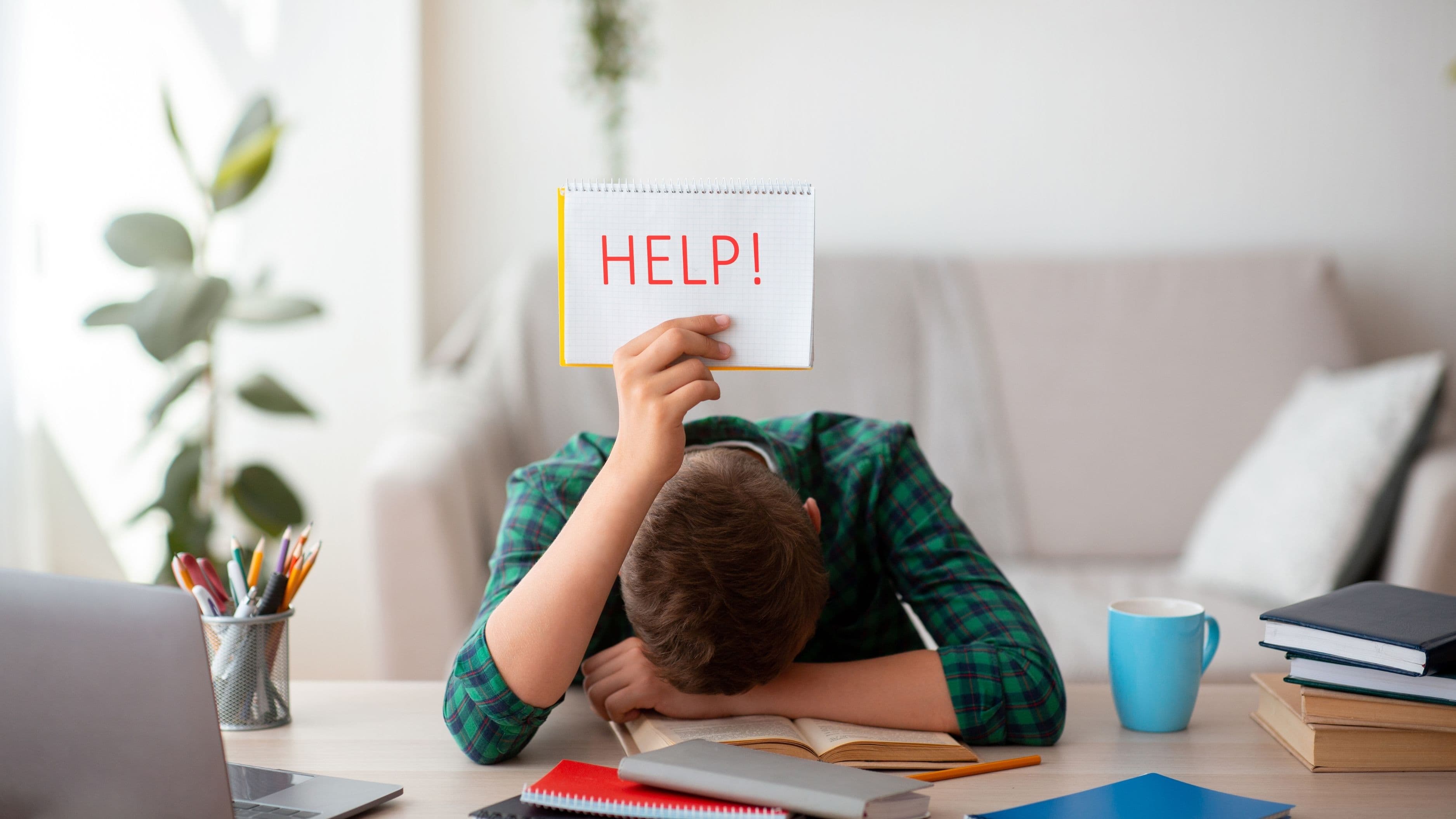

Why This Grief Often Goes Unacknowledged
Society has built extensive support structures and shared understanding around romantic loss – breakup movies, sympathetic friend group rallying, an accepted cultural script for processing heartbreak. Friendship endings rarely receive this same validation, partly because friendships are often culturally framed as lower-stakes than romantic relationships, despite the reality that many close friendships involve comparable emotional intimacy, shared history, and genuine daily life integration.
This gap in acknowledgment can make an already painful experience feel additionally isolating, since the person grieving a friendship's end often doesn't have the same built-in support system of people who intuitively understand what they're going through, the way they might if they were grieving a romantic breakup instead.
Why Friendship Endings Are Genuinely Comparable to Romantic Loss
Close friendships often involve many of the same core elements that make romantic relationships significant – deep emotional intimacy, shared vulnerability, integration into daily routines and future plans, and a genuine sense of being known and understood by another person. When a friendship this significant ends, the loss touches on these same fundamental needs for connection and belonging that romantic relationships also address, which is precisely why the resulting grief can feel comparably intense, even without romantic or physical elements involved.
Research on relationship psychology increasingly recognizes friendship as a genuinely significant category of attachment, not simply a lesser or more casual form of connection compared to romantic partnership, supporting the idea that friendship loss deserves to be taken seriously as a genuine grief experience rather than something to simply move past quickly.
The Added Complexity of Ambiguous Endings
Unlike many romantic breakups, which often involve an explicit conversation or clear ending point, friendships frequently end through gradual drift, unspoken tension, or an ambiguous falling out without ever having an explicit "this friendship is over" conversation. This ambiguity can make the grieving process considerably more confusing, since there's often no clear closure point to process, and the person left grieving may spend considerable time genuinely uncertain whether the friendship has actually ended or might still be repaired.
This uncertainty itself is a genuine source of additional distress, distinct from the loss itself, since human psychology generally struggles more with ambiguous, unresolved situations than with clear, defined endings, even painful ones.
Why There's Often No One to Process This Grief With
A particularly isolating aspect of friendship loss is that the very people you might normally turn to for support in processing a difficult loss are sometimes connected to the same friend group affected by the friendship ending, making it genuinely complicated to seek support without navigating complex social dynamics or feeling like you're putting mutual friends in an uncomfortable position. This can leave someone grieving a friendship loss with meaningfully less accessible support than they might have during a romantic breakup, where friends are typically expected to rally around the person going through the difficult experience without this same complicating overlap.
How to Actually Process This Kind of Loss
Allowing yourself to genuinely name the experience as grief, rather than minimizing it as something you should simply get over quickly given cultural framing that friendship loss is less significant than romantic loss, is a meaningful first step in processing this experience authentically. Validating your own emotional response, rather than second-guessing whether you're "allowed" to feel this level of loss over a friendship, supports a healthier processing of the actual grief involved.
Seeking support from people outside the immediately affected friend group, whether other friends, family, or a therapist, can provide a genuinely supportive space to process this loss without the complicating social dynamics that seeking support from mutual friends might involve. This doesn't need to be a formal therapy relationship necessarily, but having at least one person who can hold space for this experience without competing loyalties matters considerably for genuinely processing the loss.
What to Expect During This Process
It's reasonable to expect this kind of grief to take genuine time to process, similar to romantic loss, even though cultural expectations might implicitly suggest you should move past a friendship ending more quickly. Give yourself permission to grieve at whatever pace feels authentic, rather than rushing the process based on unspoken cultural assumptions that friendship loss deserves less time and space than romantic loss.
It's also common to continue caring about a former friend's wellbeing even after a difficult ending, and this doesn't necessarily indicate you haven't genuinely processed the loss – it can simply reflect the reality that caring about someone doesn't automatically disappear just because active friendship has ended.
What to Avoid
Avoid minimizing your own experience by comparing it unfavorably to what you assume romantic loss "should" feel like, since this comparison doesn't actually reflect the genuine emotional reality that friendship loss can be comparably significant. It's also worth avoiding pressuring yourself to immediately understand exactly what went wrong or to definitively resolve ambiguity in situations where the friendship ended without clear explanation, since some situations genuinely don't offer full closure, and that's a difficult but real part of this kind of loss to accept rather than force resolution onto.
FAQ
Is it normal to grieve a friendship as intensely as a romantic breakup? Yes, this is a completely valid and common experience, particularly for close, long-term friendships that involved significant emotional intimacy and daily life integration.
How do I process a friendship ending when there was no clear explanation or conversation? Accepting that some situations genuinely don't offer full closure, while still allowing yourself to grieve the loss authentically, is often more helpful than continuing to search for a definitive explanation that may not be available.
Should I try to reconnect with a friend after a difficult falling out? This depends entirely on your specific situation and what led to the ending, and there's no universally correct answer, though giving yourself adequate time and clarity before deciding, rather than reaching out impulsively during acute grief, is generally worth considering.
Is it okay to still care about someone after a friendship has ended? Yes, continuing to care about someone's wellbeing doesn't necessarily indicate unresolved grief or an inability to move forward; it can simply reflect the genuine, lasting nature of the connection that existed.
📚 Sources
American Psychological Association – Friendship and Attachment Research
Journal of Social and Personal Relationships – Studies on Friendship Dissolution