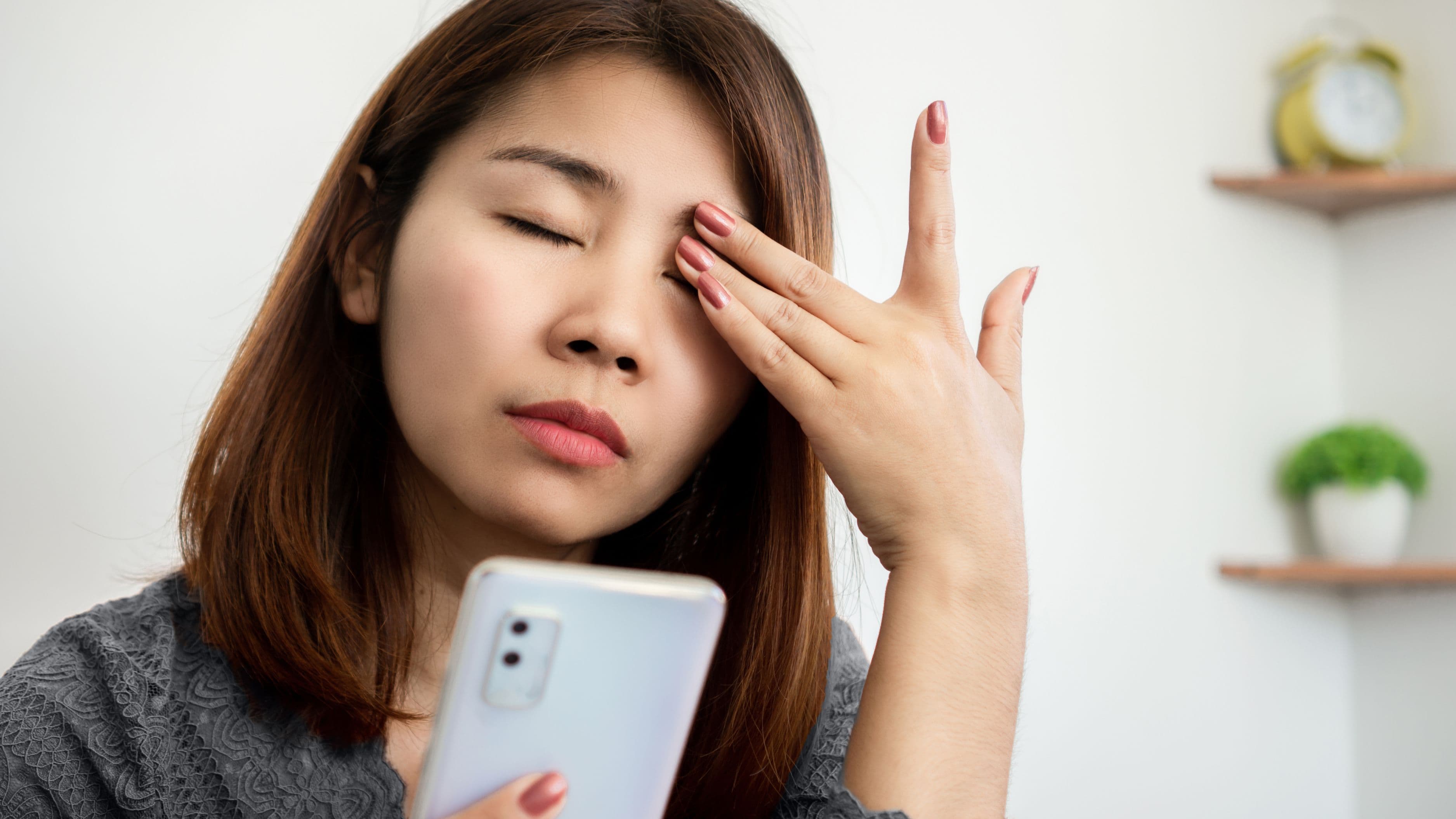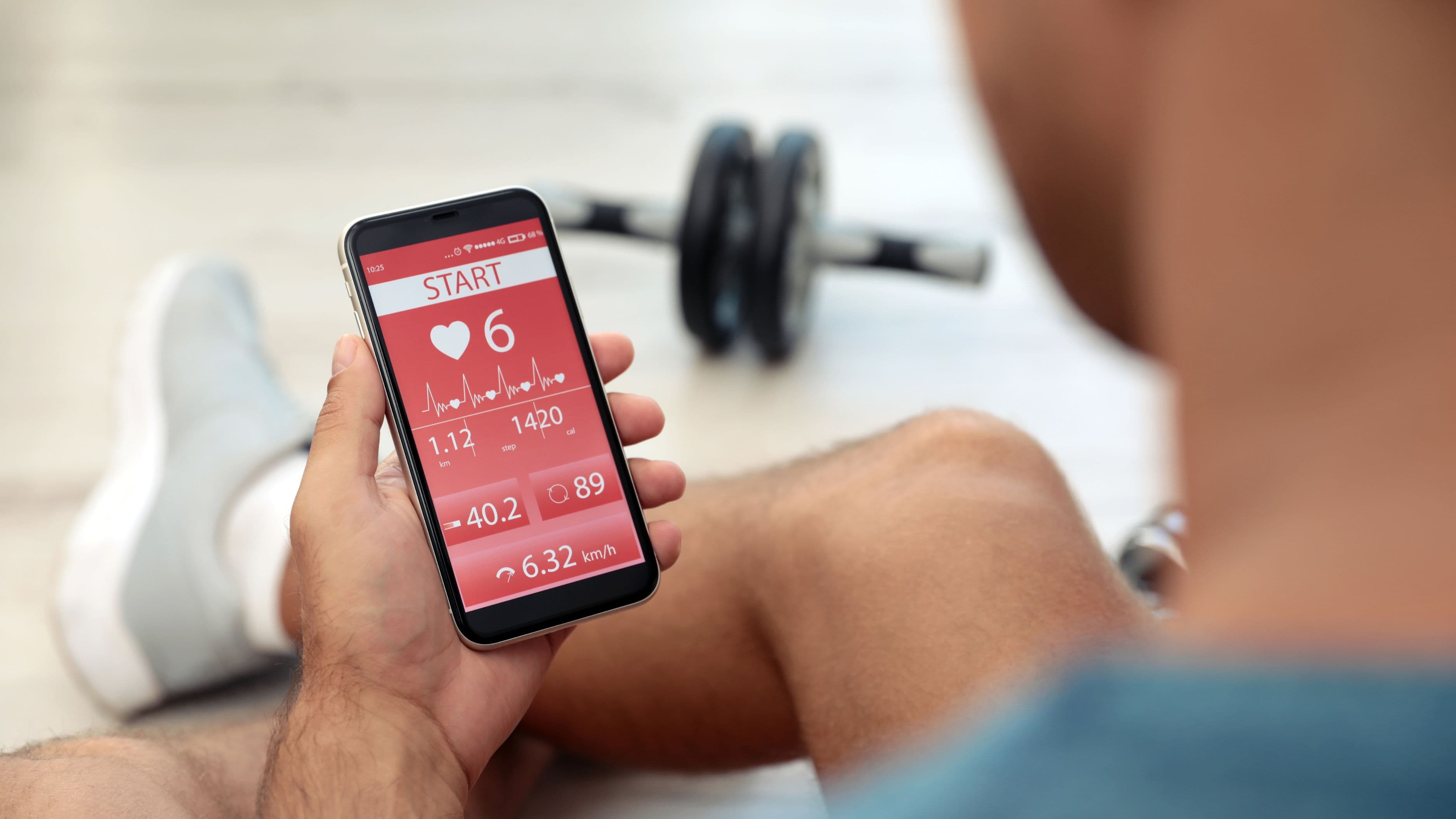

If you've ever felt genuine anxiety about a low HRV score, an imperfect sleep readout, or missing a step goal by 200 steps, you're not alone. And if you've ever checked your stress level notification and somehow felt more stressed because of it, that's worth thinking about. The tracker isn't broken – but the way you're relating to it might be.
When Helpful Data Becomes a Source of Stress
The promise of fitness trackers is that more information leads to better decisions and better health. In many cases, that's true. Seeing your resting heart rate trend downward over a month of consistent exercise is genuinely useful feedback. Noticing that late caffeine reliably fragments your sleep can change a habit that was dragging you down without you realizing it.
But data has a way of shifting from informative to prescriptive without you noticing the transition. What starts as "interesting, my sleep was light last night" can quietly become "I need to fix my sleep tonight" and eventually "I haven't had a good sleep score in two weeks and I don't know why." That escalation – from observation to obligation to anxiety – is how a wellness tool starts generating the stress it was meant to reduce.
There's also a specific problem with health data: it's inherently variable. Heart rate variability, sleep stages, blood oxygen, resting heart rate – all of these fluctuate day to day for normal, healthy reasons. Travel, temperature, alcohol, a stressful week, a single late night, hormonal changes – any of these will move your numbers. When you're checking daily and treating each variation as a signal that something is wrong, you're going to find a lot of "problems" that aren't actually problems at all.
The Signs It Might Be Affecting You
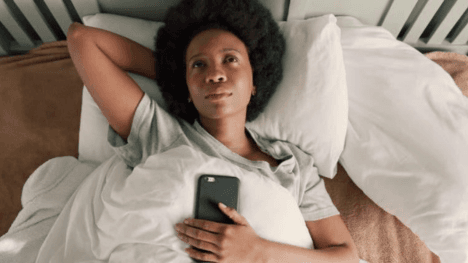
It's worth pausing to notice how your tracker is actually affecting how you feel. Some signs that it may be generating more anxiety than benefit include checking your metrics first thing in the morning before getting out of bed, feeling like a bad sleep readout has already "ruined" the day before it starts, or noticing that a low stress score or recovery number makes you feel unwell even if you felt fine beforehand.
Other signals include fixating on a single metric rather than overall trends, feeling compelled to hit specific daily goals even when you're tired or sick, or finding yourself researching symptoms or potential health issues based on tracker readings. The tracker reading becomes the primary source of how you understand your own body – sometimes overriding what you actually feel. When the device tells you something different from your physical experience, and you trust the device more than yourself, that's worth noticing.
Why This Happens
Part of the reason fitness trackers can amplify health anxiety is the same reason they're useful: they make invisible things visible. Before wearables, most people didn't know what their resting heart rate was, didn't think about sleep stages, and couldn't observe their HRV. Now that information is available 24/7, it's easy to treat it as something that needs to be actively managed rather than something that's naturally variable.
There's also the design of the apps themselves to consider. Streaks, rings, goal notifications, and achievement systems are designed to keep you engaged with the platform. That's not inherently bad – but the engagement design can encourage more monitoring than is actually useful, and it can make missing a goal feel like a failure rather than a neutral data point.
Research published in health psychology journals has found that for people with existing health anxiety, access to biometric monitoring can increase worry rather than reassure. The availability of data provides more material for anxious thinking rather than fewer things to worry about. This isn't a character flaw – it's a predictable response to a system that provides a lot of data about a topic (your health) that most people care about deeply.
How to Use Your Tracker Without Letting It Use You
The goal isn't necessarily to throw the tracker away. For many people, the right adjustment isn't elimination but a different relationship with the device and the data it produces.
The most effective shift is moving from daily data checks to weekly or trend-based reviews. Instead of looking at last night's sleep score every morning, check your 7-day or 30-day sleep average once a week. This immediately reduces the noise-to-signal ratio. Daily variation is mostly noise. Weekly trends are where actual patterns live. You get more useful information from looking less often, and you stop treating normal fluctuation as evidence of a problem.
Turning off notifications that generate anxiety is another straightforward adjustment. Most fitness trackers allow you to customize what kinds of alerts you receive. If the "time to stand" reminders create stress, turn them off. If you don't want to see a stress score pop up during a busy workday, disable it. The data is still being collected – you're just choosing to engage with it on your terms rather than on the device's schedule.
It's also worth reconnecting with how you actually feel in your body, separately from what the tracker says. Before checking any data in the morning, take 30 seconds to notice your physical state: how rested do you feel, how's your energy, any areas of tension? Then check the tracker if you want to. This small sequence – body first, data second – keeps your lived experience as the primary reference point rather than a score on a screen.
Setting Healthier Boundaries With Your Data
If the tracker is meaningfully affecting your mood or anxiety level on a regular basis, it's worth being more deliberate about your data relationship. A few practical adjustments that help:
Designate one or two days per week as your data check days and ignore the app completely on other days. You'll quickly realize that a few days of not checking doesn't leave you less healthy – it often leaves you feeling better. The tracker is still recording; you're just not narrating everything it captures.
Choose one or two metrics that actually matter to your specific goals and give yourself permission to ignore the rest. If your main goal is improving your sleep, track sleep. You don't need to monitor your stress score, VO2 max estimate, body battery, and blood oxygen simultaneously. Fewer metrics means fewer things to worry about and clearer feedback on what you've decided actually matters.
Create a rule for yourself about how you respond to concerning readings. Something like: "I only take action if a metric is consistently unusual over at least two weeks" prevents the reflex of Googling symptoms or spiraling over a single anomalous reading. Single data points are almost never meaningful. Patterns over time are what carry information worth responding to.
When It's More Than Tracker Anxiety
Sometimes what looks like fitness tracker anxiety is actually a sign of broader health anxiety that's worth addressing directly. If you find yourself frequently convinced that symptoms or data readings indicate a serious illness, if worrying about your health takes up significant time and mental energy even without the tracker, or if reassurance from doctors doesn't reduce your worry for long, talking to a mental health professional is genuinely worthwhile.
Health anxiety is a recognized pattern that responds well to therapy, particularly cognitive behavioral approaches. A therapist who works with health anxiety can help you develop a more balanced relationship not just with your tracker but with uncertainty about your health more generally. There's no shame in this – health anxiety is very common, and treating it directly tends to be more effective than any number of adjustments to your device settings.
A 30-Day Reset Approach
If you want to recalibrate your tracker relationship intentionally, a 30-day structured reset can help.
For the first week, try using the tracker for data collection only – no checking the app at all. Just wear it. At the end of the week, look at your 7-day averages. Notice how it felt to not be checking daily. Most people feel some relief in the first few days and then forget they were tracking at all by day five.
In week two, choose one metric you genuinely care about – sleep quality, step count, resting heart rate – and check that one metric at the end of each day. Nothing else. Just the one thing. Notice whether having focused attention on one number feels different from the anxiety-generating multi-metric overview.
In week three, try turning off all proactive notifications and alerts. No goal reminders, no stand notifications, no weekly summaries pushed to you. You're going to the data intentionally, on your schedule, instead of responding to the device's prompts.
By week four, you'll have a much clearer sense of which data is actually useful to you, what notification types create stress vs help you, and whether the tracker is adding to your life or subtracting from it. At that point you can make an informed decision about how you want to use it going forward – or whether you want to keep using it at all.
FAQ
Is it better to take the tracker off completely if it causes anxiety? For some people, yes – especially if tracker anxiety has become a significant daily issue. Taking it off for a defined period (one week, two weeks) and noticing how your anxiety and body awareness change is useful information. Some people find they feel measurably calmer without it. Others miss having the data and realize the anxiety was about how they were using it, not the device itself. Both outcomes are useful.
What if I need the tracker for a specific health condition? If you're monitoring a specific health metric on medical advice – heart rate irregularities, blood oxygen for a respiratory condition, blood sugar patterns – the calculus is different and the tracking serves a clear clinical purpose. Talk to your doctor about what level of monitoring is actually necessary vs what you're doing out of anxiety, and let that conversation guide your approach.
Can fitness trackers be accurate enough to trust fully? Consumer fitness trackers are useful for identifying trends but are not medical-grade diagnostic tools. Heart rate monitoring is reasonably accurate for most wrist-based trackers. Sleep staging, HRV, SpO2, and stress scores are estimates based on algorithms and vary in accuracy across devices and individuals. Treating any reading as a definitive health assessment rather than a directional data point leads to the anxiety problem described above.
What metrics are actually worth paying attention to? For most people, the metrics with the clearest relationship to genuine health outcomes are resting heart rate trends (lower over time generally indicates improving cardiovascular fitness), sleep duration, and activity level. These are simple, meaningful, and have solid research behind them. Complex metrics like readiness scores, body battery, or HRV-based stress estimates are more variable and less consistently useful for most non-athletes.
The Bottom Line
Your fitness tracker can be a genuinely useful tool for building healthier habits – but only if it's making you feel better over time, not worse. Data is supposed to serve you, not generate a second job of monitoring and optimizing your own body. If the device is creating more anxiety than it's reducing, changing how you use it is a completely reasonable response.
Start small: try checking your data less often and notice how that feels. Give yourself permission to ignore the metrics that don't meaningfully connect to your actual goals. Trust your body's experience as much as the screen on your wrist. Progress doesn't require perfect data – it requires consistent, low-pressure action over time, and a mind that's calm enough to sustain it.
📚 Sources
American Psychological Association – Health anxiety and the role of health monitoring: https://www.apa.org/topics/anxiety/health
JMIR mHealth and uHealth – Self-monitoring wearables and anxiety outcomes: https://mhealth.jmir.org/2020/10/e17790/
Harvard Health Publishing – Wearables and health anxiety: https://www.health.harvard.edu/blog/the-quantified-self-how-wearable-sensors-expand-human-potential-2014092710174
Sleep Foundation – Understanding sleep tracking accuracy and limitations: https://www.sleepfoundation.org/sleep-studies/sleep-trackers
National Institute of Mental Health – Health anxiety overview: https://www.nimh.nih.gov/health/topics/anxiety-disorders