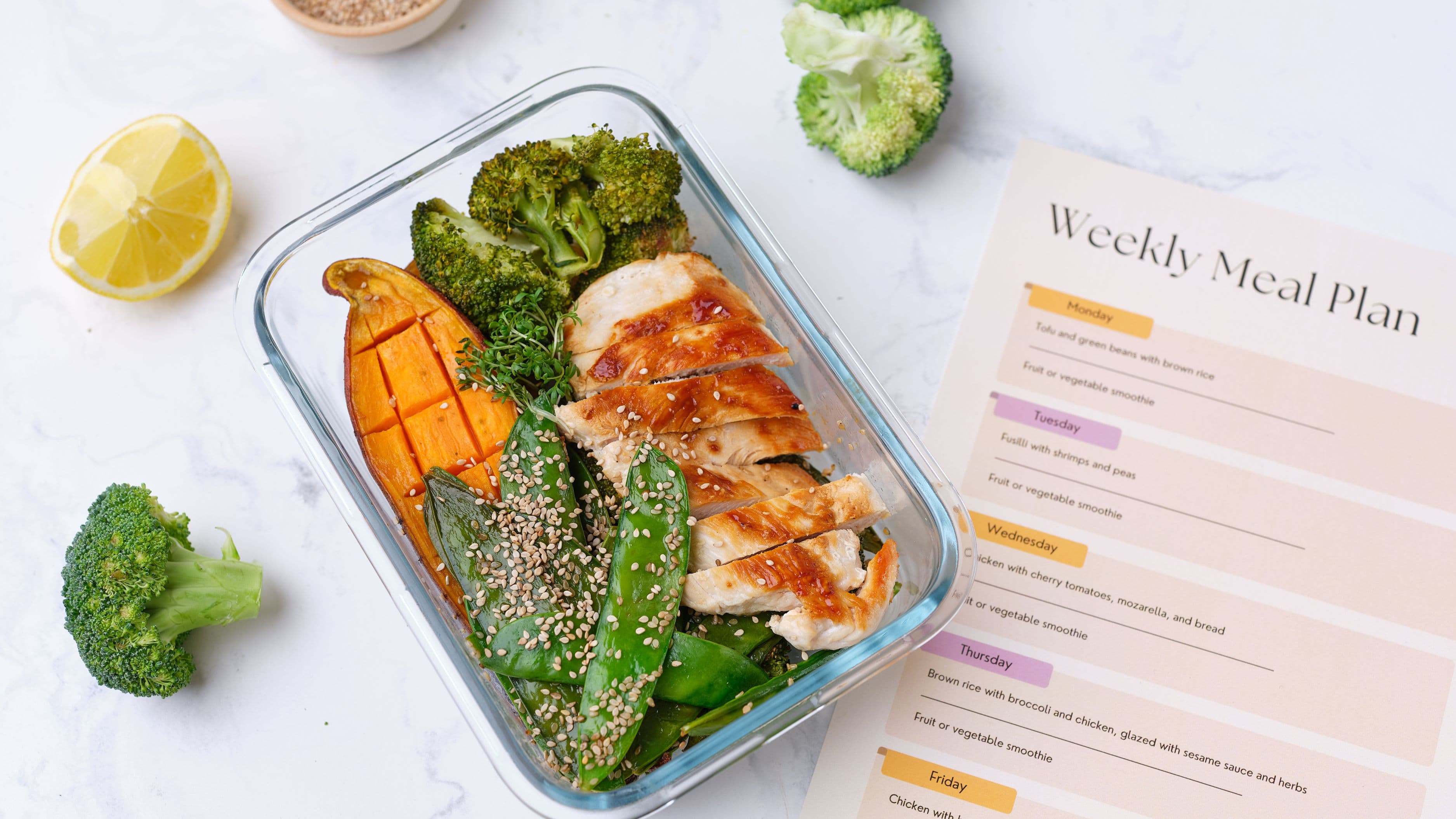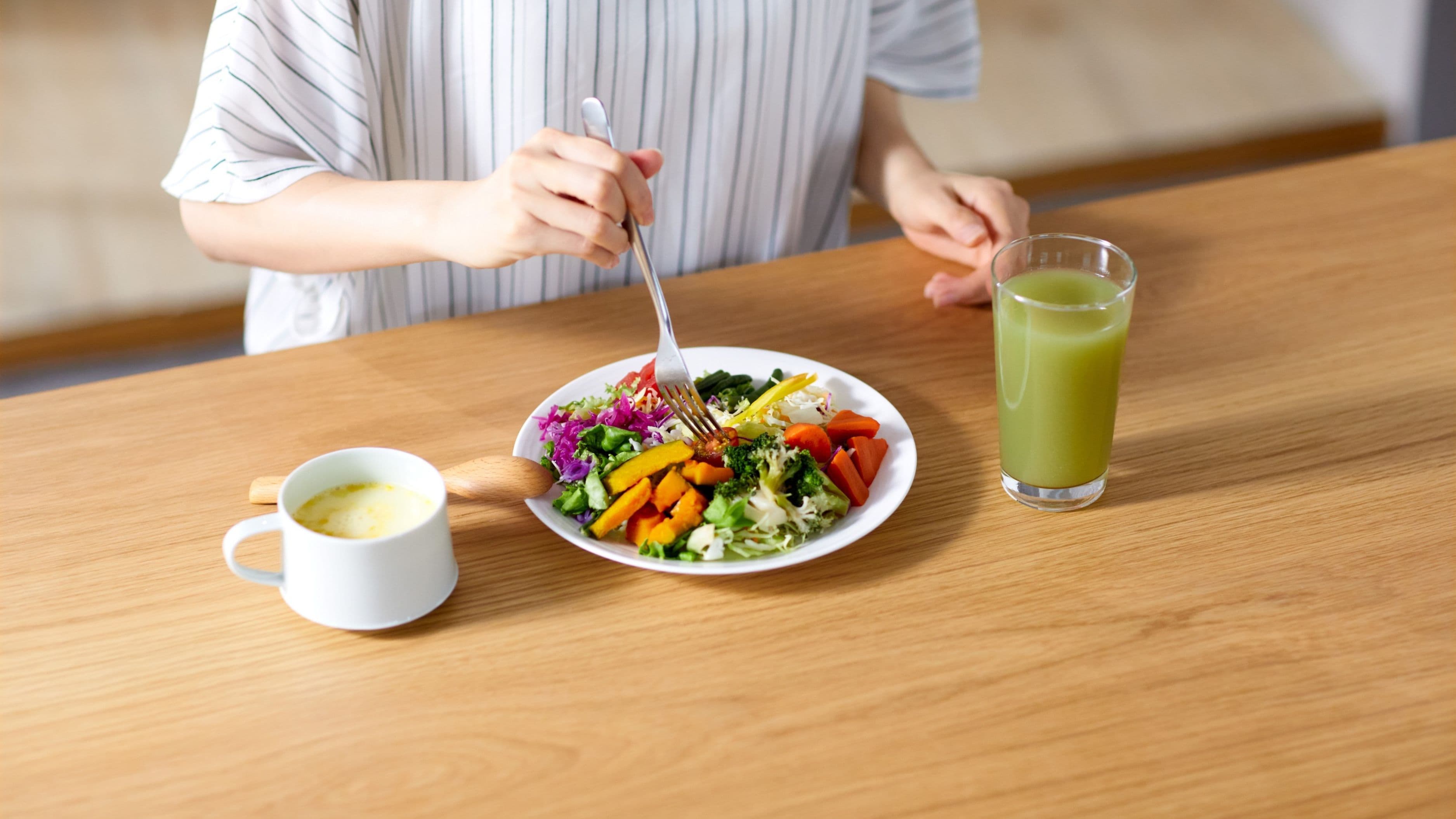

Eating well during a stressful season isn't about a perfect meal plan. It's about a few simple, low-effort habits that keep you fed, steady, and a little more resilient while everything else is chaotic. This guide gives you a realistic, 30-day approach you can actually keep up, even when your energy is low.
Why Stress Changes the Way You Eat
Stress affects your body and your appetite in real, physical ways. Short bursts of stress can shut down hunger for a while, while longer periods of stress may increase cravings, especially for foods high in sugar, fat, or salt. Harvard Health has described how stress hormones, including cortisol, can influence appetite and the pull toward comfort foods.
Stress also affects your routines. When your schedule is unpredictable or your mind is overloaded, planning, shopping, and cooking often fall off the list. Understanding this can help you respond with a bit more compassion and a bit less guilt.
The Goal: Steady, Not Perfect
During stressful periods, the aim isn't to eat "clean" or follow strict rules. It's to eat regularly enough to keep your energy steady, include foods that make you feel good, and avoid long stretches of running on empty. Small, repeatable habits matter far more than big changes you can't maintain.
Step 1: Eat at Fairly Regular Times
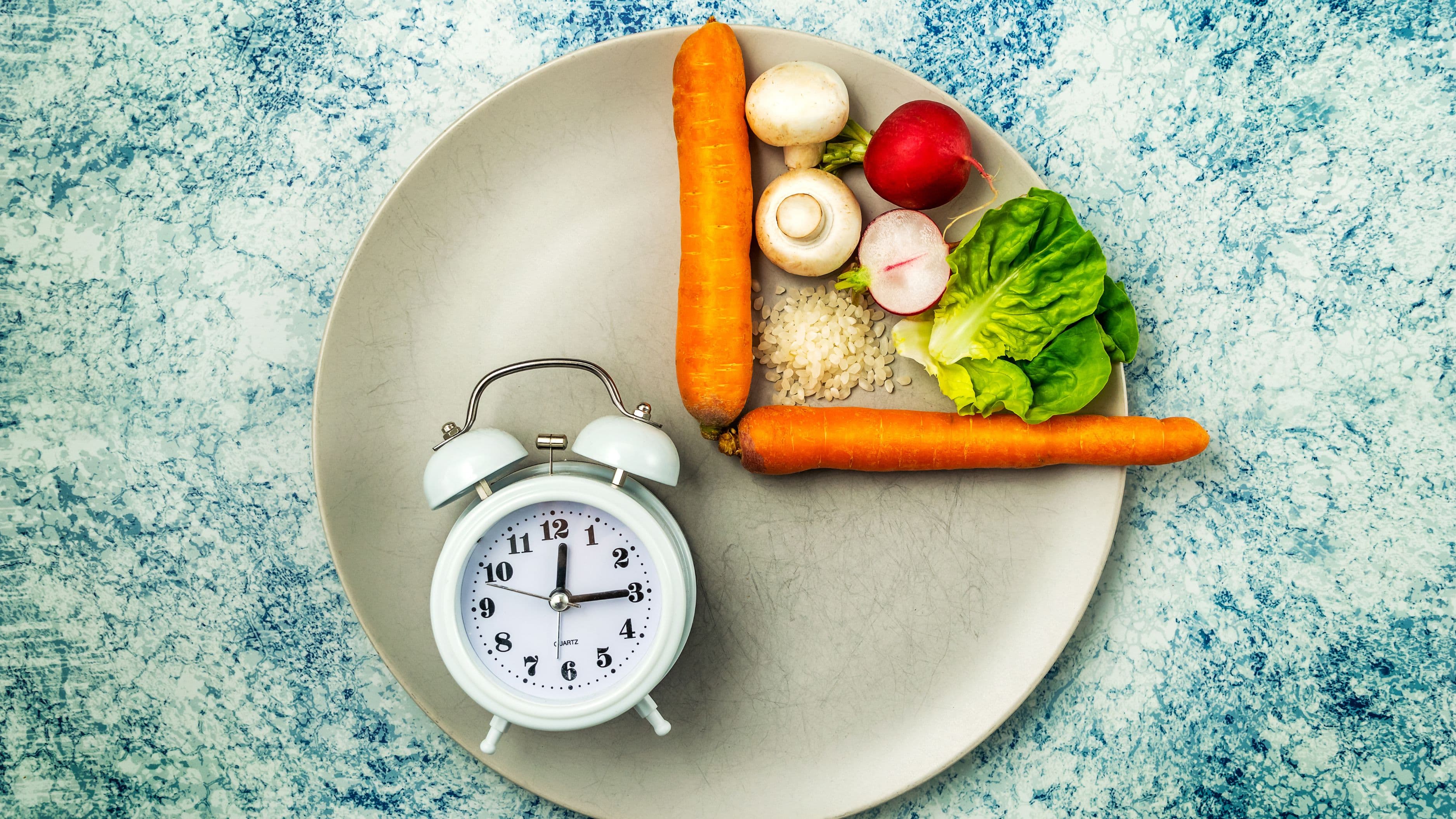
When stress takes over, it's easy to go hours without eating and then feel ravenous later. Try to eat something roughly every three to five hours during the day, even if it's small. This helps prevent energy crashes, irritability, and the intense hunger that can lead to grabbing whatever's closest.
A simple approach is to anchor your day with three moments: something in the morning, something midday, and something in the evening, with snacks as needed. If you forget, set a gentle phone reminder.
Step 2: Keep "Minimum Effort" Meals Ready
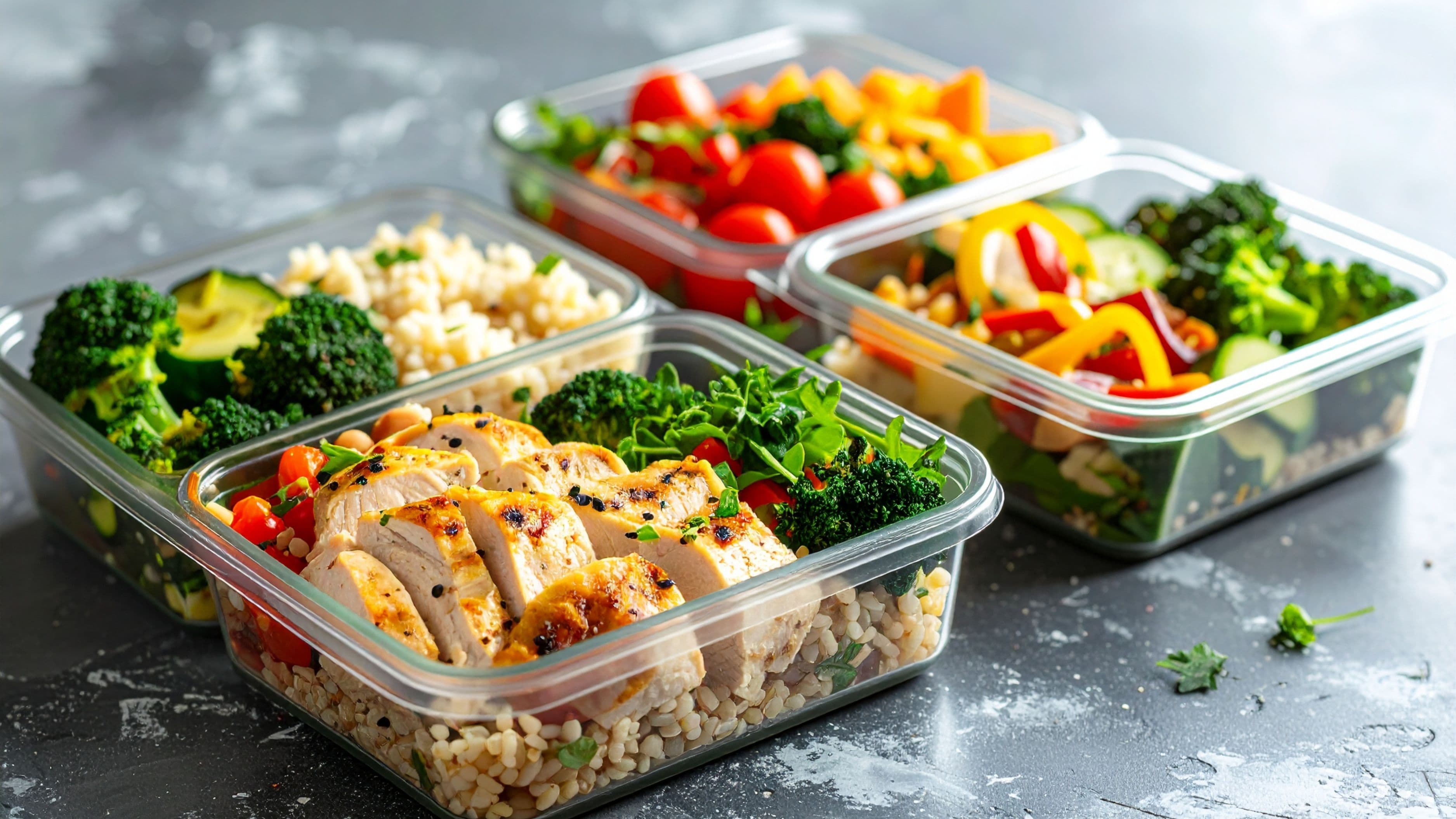
On hard days, cooking a full meal can feel impossible. Build a short list of no-stress meals you can put together in five minutes or less. These might include whole-grain toast with eggs or nut butter, yogurt with fruit and granola, a rotisserie chicken with a bagged salad, canned soup with extra frozen vegetables, or a grain bowl with microwaveable rice, beans, and salsa.
Stock your kitchen with these basics so you always have options. Frozen fruits and vegetables, canned beans, pre-cooked grains, eggs, and whole-grain crackers can make healthy eating easier when you're exhausted.
Step 3: Build Balanced Plates Without Overthinking
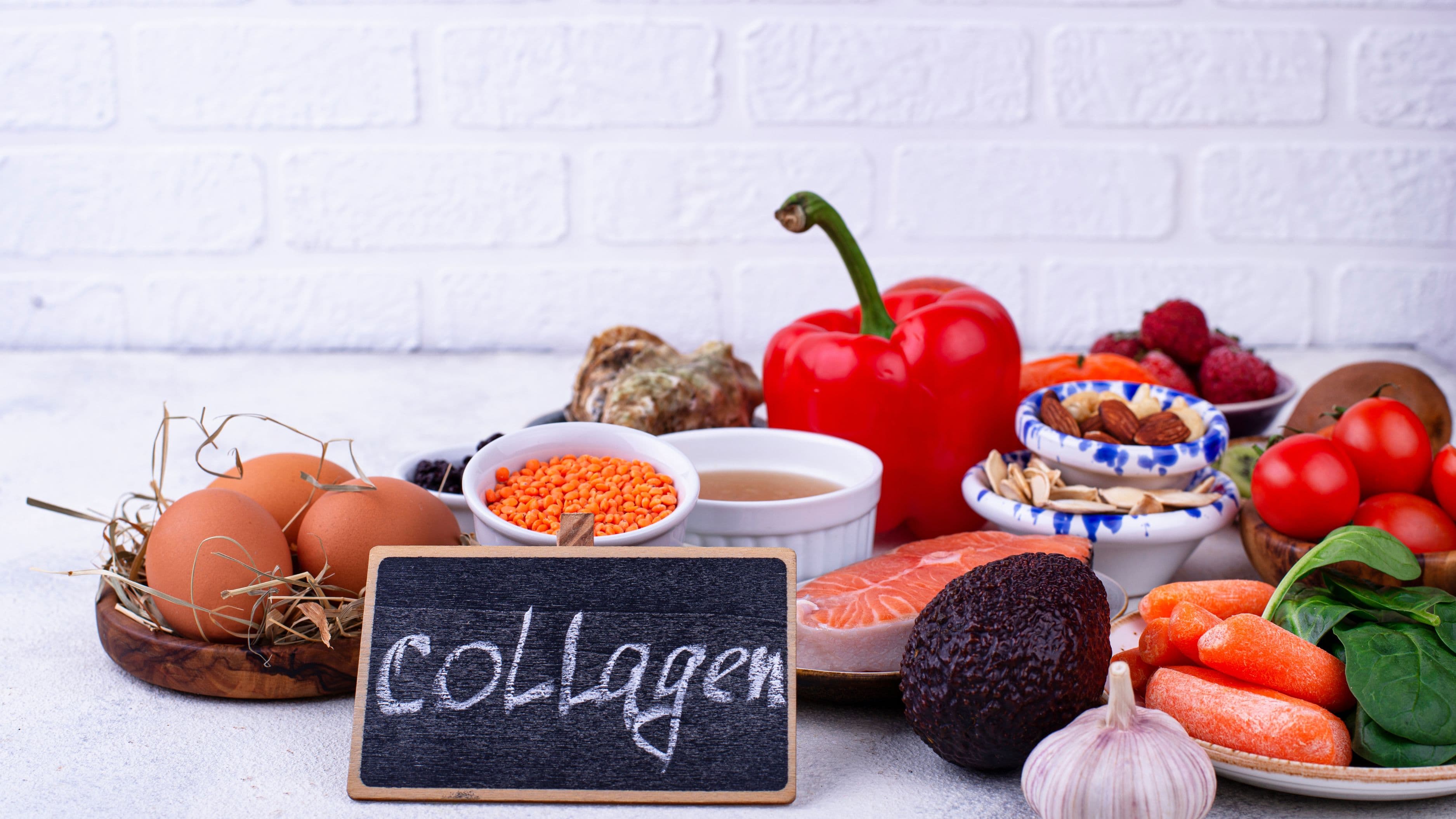
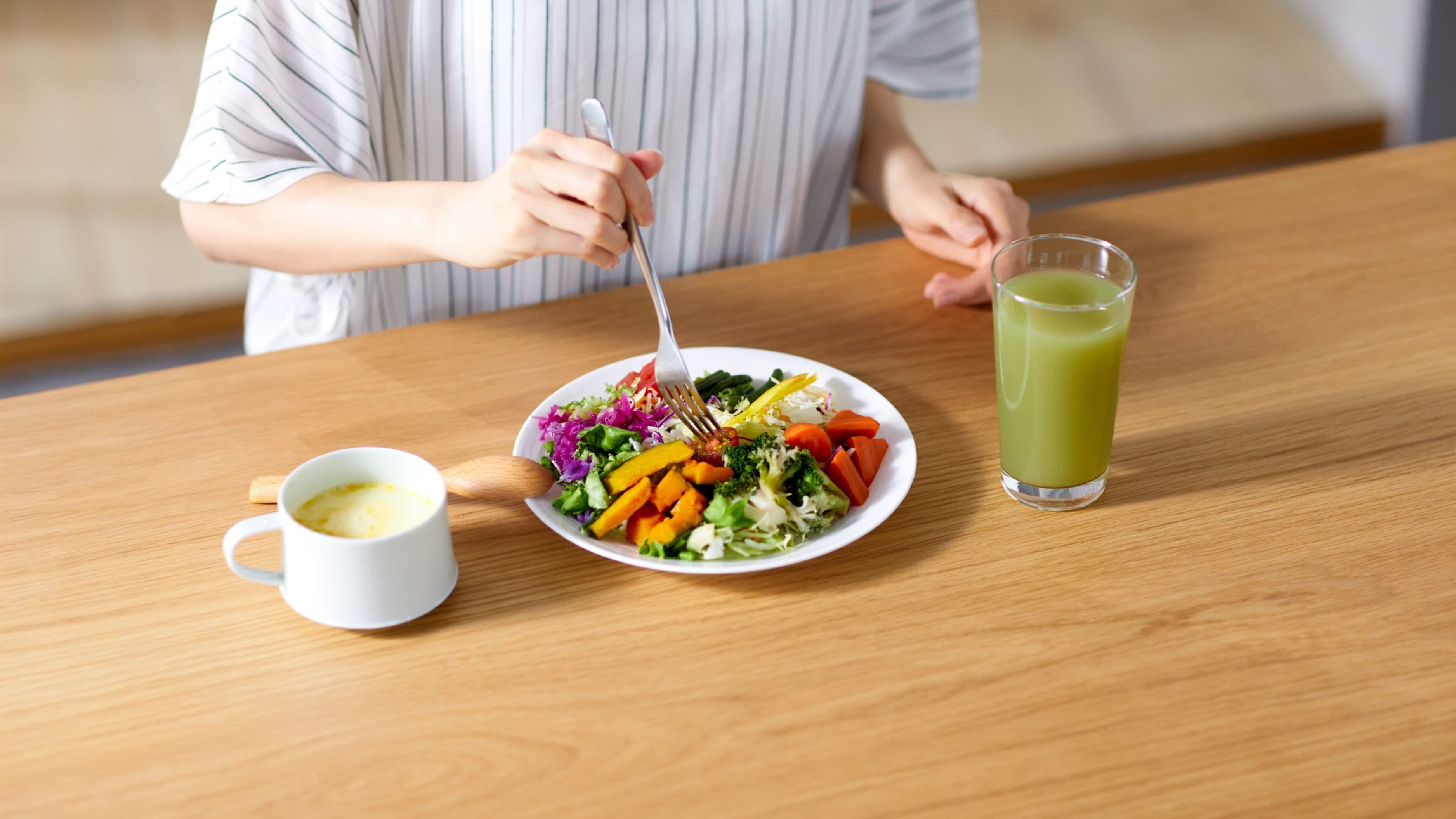
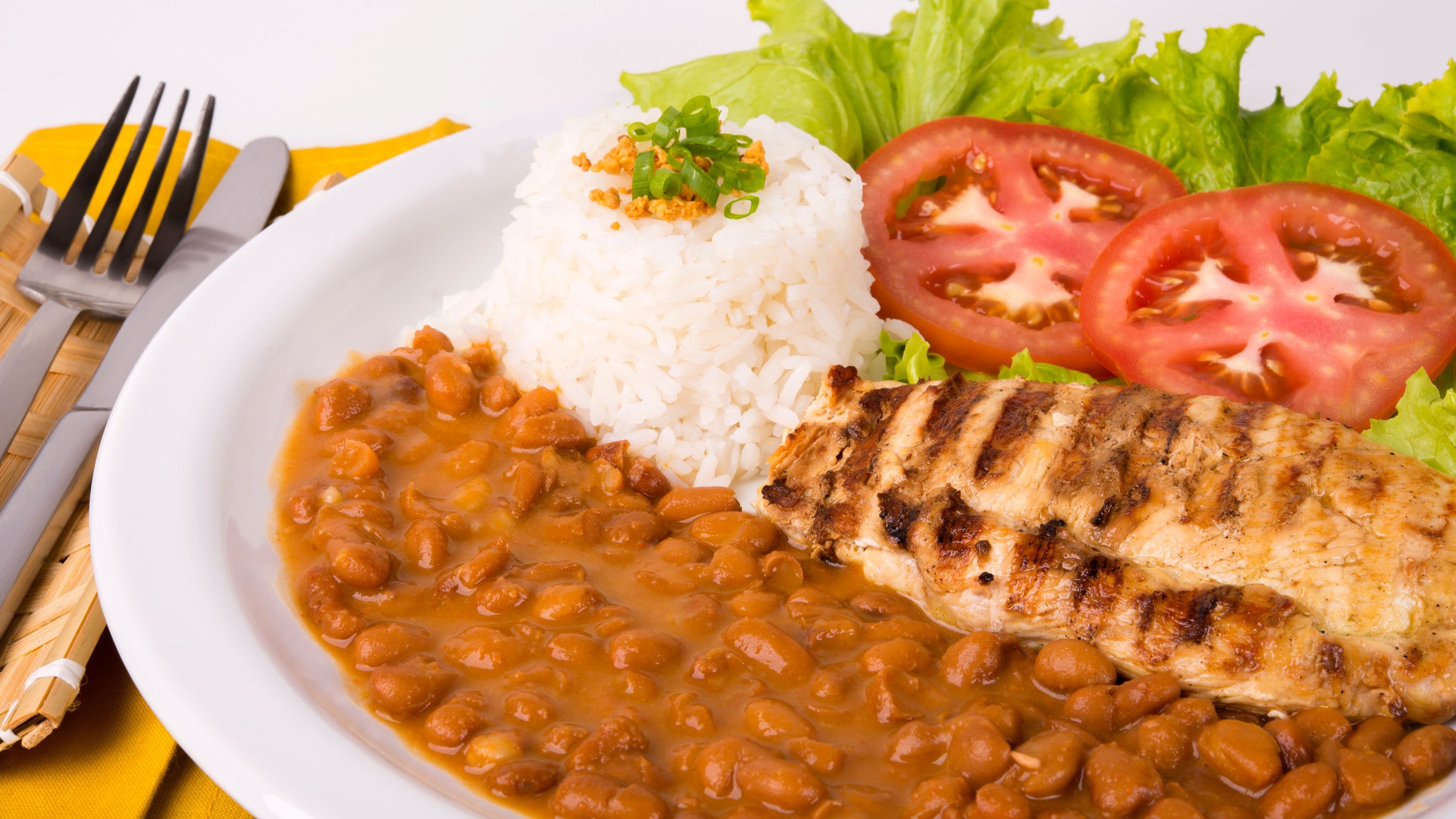
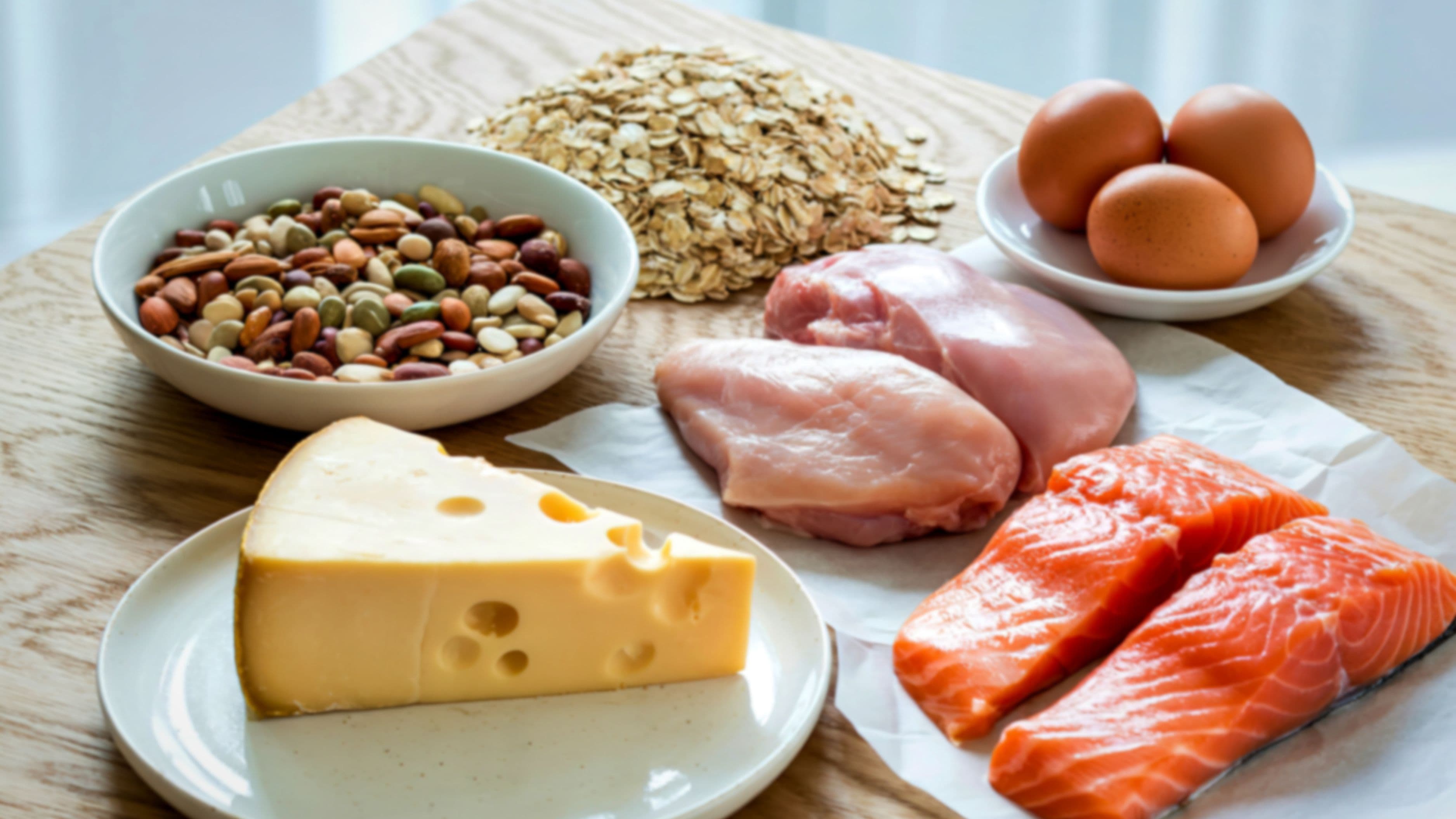
You don't need to count anything. Just aim to include a few basic building blocks at most meals: a source of protein, like eggs, beans, fish, chicken, tofu, or yogurt; some fiber-rich carbs, like whole grains, fruit, or starchy vegetables; and a little healthy fat, like nuts, olive oil, or avocado. This mix helps you feel satisfied longer and supports steadier energy.
Adding color is another easy win. A handful of berries, some baby carrots, or frozen spinach tossed into a meal makes a difference without extra effort.
Step 4: Hydrate Before You Snack
Stress, caffeine, and busy days can make you forget to drink water. Sometimes mild dehydration feels like fatigue or hunger. Keep a water bottle nearby and sip throughout the day. If plain water feels boring, try herbal tea, sparkling water, or water with a slice of citrus.
Step 5: Be Kind About Comfort Food
Comfort food isn't the enemy. Enjoying a favorite treat during a tough week can genuinely lift your mood. The goal is to enjoy it intentionally rather than on autopilot. Try sitting down, putting it on a plate, and savoring it instead of eating straight from the package while scrolling.
If you notice you're eating mainly to cope with difficult feelings, pause and ask yourself what you need in that moment. Sometimes it's food. Sometimes it's rest, a walk, a conversation, or a few deep breaths.
Step 6: Watch the Caffeine and Alcohol Balance
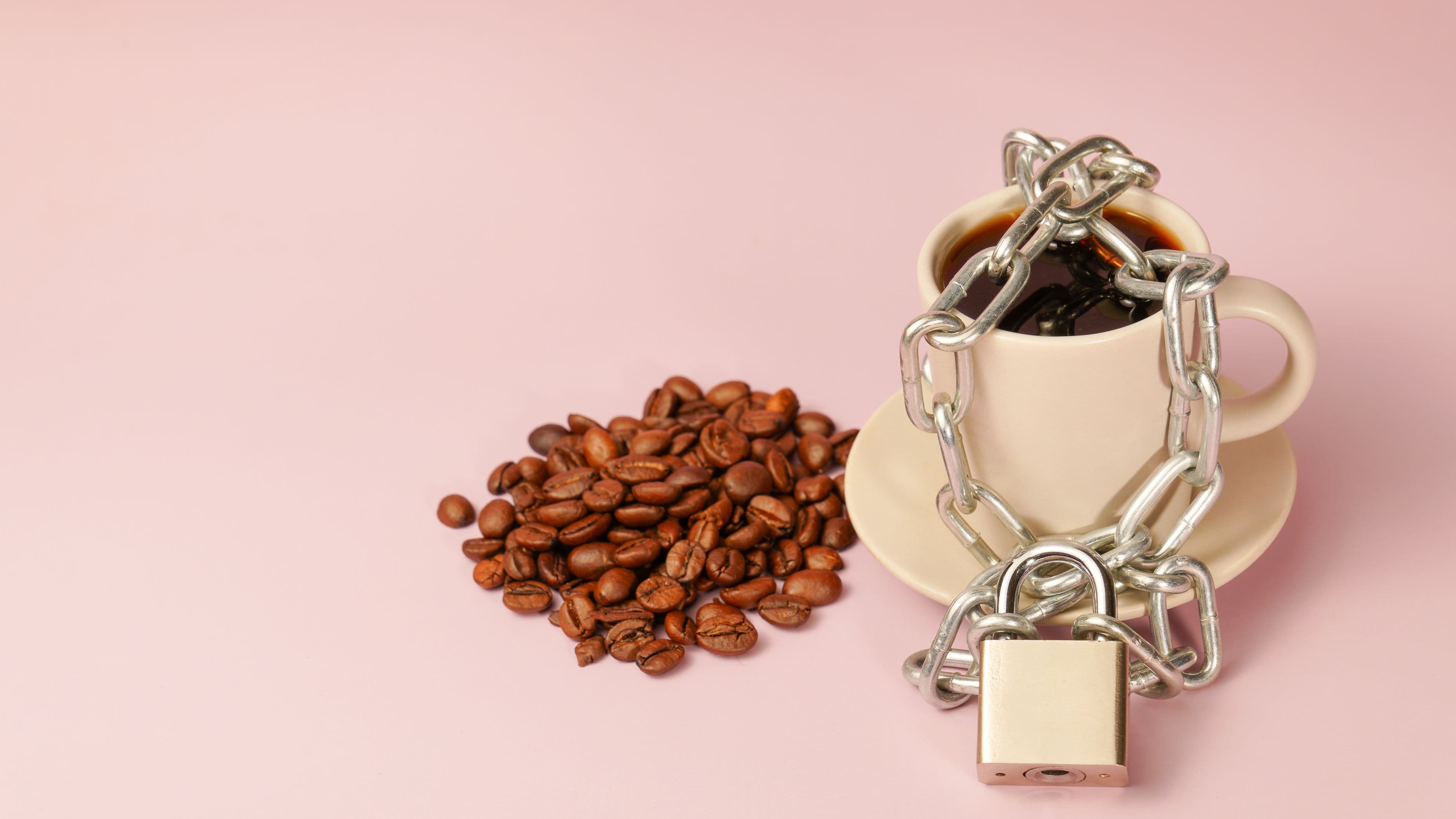
Coffee can help you get through a long day, but too much, especially later in the afternoon, can interfere with sleep and increase jitteriness. Alcohol may feel relaxing in the moment but can disrupt sleep and mood. Being mindful of both can help you feel more balanced.
A Simple 30-Day Approach
Week 1: Regular rhythm. Focus only on eating something in the morning, midday, and evening. Don't worry about what yet.
Week 2: Stock your safety net. Build your list of five-minute meals and keep your kitchen stocked with easy staples.
Week 3: Add one building block. Try adding protein or a fruit or vegetable to one meal each day.
Week 4: Mindful moments. Practice eating at least one meal a day without screens, noticing how the food tastes and how you feel.
By the end of 30 days, you may notice steadier energy, fewer intense cravings, and a bit more confidence in your ability to take care of yourself, even when life is busy.
Common Mistakes to Avoid
Skipping meals to save time. It often leads to low energy and overeating later.
Aiming for perfection. Strict rules usually collapse under stress. Consistency beats intensity.
Guilt after comfort food. Guilt adds stress and rarely leads to healthier choices.
Relying only on caffeine. It can mask hunger and fatigue without giving your body what it needs.
Ignoring bigger signs. If stress is significantly affecting your eating, sleep, or daily life, it's worth talking with a doctor, registered dietitian, or mental health professional.
FAQ
Why do I crave junk food when I'm stressed?
Stress hormones can increase cravings for high-sugar and high-fat foods, which may temporarily feel comforting. This is common and nothing to feel ashamed about.
What should I eat when I'm too stressed to cook?
Simple, no-cook or quick options like yogurt and fruit, eggs on toast, canned soup with vegetables, or a rotisserie chicken with salad work well.
Is it okay to lose my appetite during stressful times?
Short-term appetite changes are common. Try small, easy snacks. If appetite loss lasts or affects your health, talk to a healthcare professional.
How can I stop stress eating?
Start by noticing when and why you eat. Regular meals, easy healthy options, and alternative ways to cope, like walking or talking to someone, can help.
The Takeaway
Eating well during stressful life periods is less about willpower and more about making things easier for yourself. Eat regularly, keep simple meals on hand, add a little balance when you can, and treat yourself with kindness. Hard seasons pass, and these small habits can help you feel more supported along the way.
📚 Sources
Harvard Health Publishing – "Why stress causes people to overeat": https://www.health.harvard.edu/staying-healthy/why-stress-causes-people-to-overeat
American Psychological Association – "Stress effects on the body": https://www.apa.org/topics/stress/body
USDA – MyPlate: https://www.myplate.gov/eat-healthy/what-is-myplate