The Realistic Goal Behind This Challenge
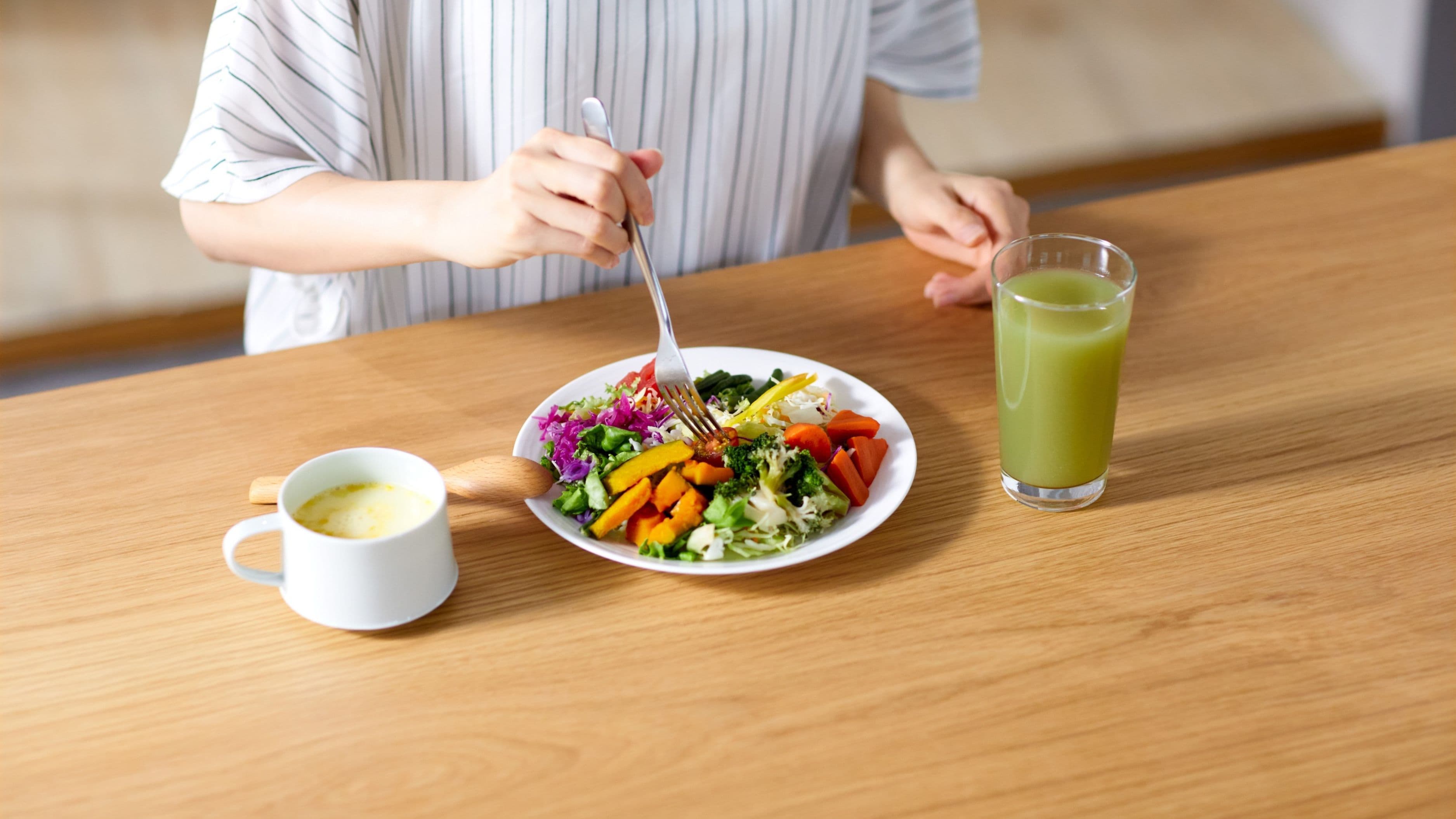
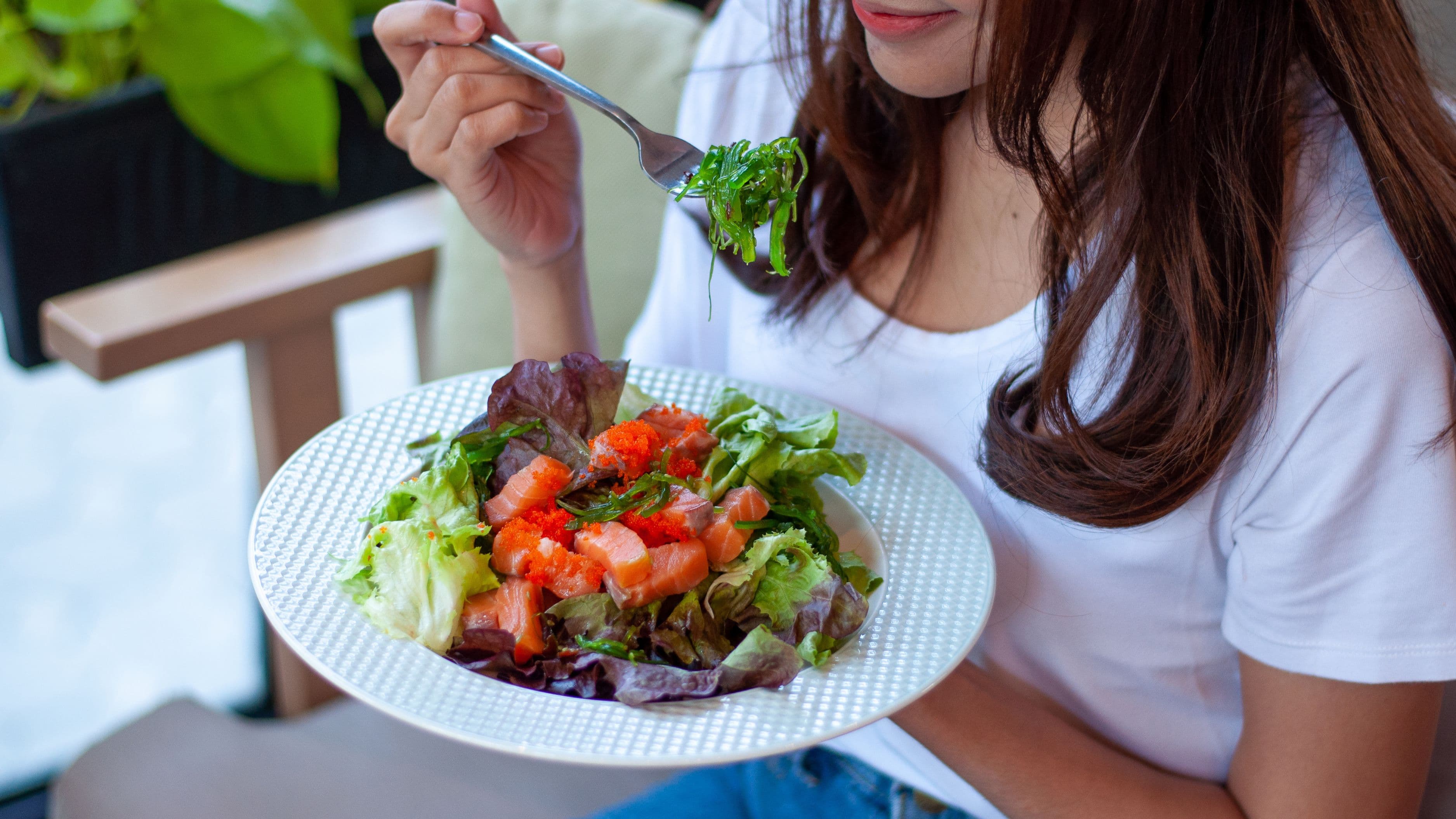
The point of a 30-day vegetable challenge isn't to overhaul your entire diet overnight or hit some perfect daily quota. It's to build a consistent habit of including more vegetables in meals you're already eating, gradually shifting your default choices rather than forcing a dramatic, hard-to-sustain transformation. Progress here looks like small, repeated wins, not a complete dietary identity change in a month.
Week One: Building the Habit Feels Like Effort
The first week is usually the most mentally effortful part of the entire process, simply because you're building a new default rather than relying on existing habits. Expect to think consciously about adding vegetables to meals – tossing spinach into a morning smoothie, adding a side salad you wouldn't normally make, roasting a tray of vegetables alongside dinner – rather than it happening automatically.
This is completely normal and doesn't mean the habit isn't taking hold. Early-stage habit formation almost always requires this kind of deliberate effort before it starts feeling more natural, and expecting instant ease in week one sets up unrealistic frustration when it doesn't happen.
Week Two: Digestive Changes Are Common
Many people notice digestive changes during the second week, particularly if their baseline vegetable intake was previously low. Increased fiber intake can lead to some bloating or changes in bowel regularity as your digestive system adjusts to processing significantly more plant fiber than it's used to.
This typically settles within a week or two as your gut adjusts, and staying well hydrated alongside the increased fiber intake tends to ease this transition considerably. If digestive discomfort feels significant or doesn't improve, it's worth pacing your vegetable increase more gradually rather than pushing through discomfort.
Week Three: Energy and Fullness Often Shift Noticeably
By the third week, many people report feeling more consistently satisfied after meals, largely because vegetables add volume and fiber that support fullness without excessive calorie density. This isn't a dramatic energy transformation – it's a subtler shift in how satisfied you feel between meals, which some people notice more than others depending on their starting point and overall diet pattern.
Energy level changes are genuinely harder to attribute specifically to vegetable intake alone, since sleep, hydration, and overall diet quality all play a role. Some people do report feeling somewhat steadier throughout the day, but this varies enough between individuals that it shouldn't be expected as a guaranteed, universal outcome.
Week Four: The Habit Starts Feeling More Automatic
By the final week, many people find that reaching for a vegetable side or adding vegetables into a recipe has started to feel less like a deliberate decision and more like a default habit, particularly for the specific meals or moments they focused on most consistently throughout the month. This is genuinely the goal of the entire challenge – not a dramatic transformation, but a shift in default behavior that's more likely to stick beyond the 30 days.
What Doesn't Change in 30 Days
It's worth being upfront about what this kind of challenge realistically won't do. Significant, measurable weight changes aren't a guaranteed outcome of adding vegetables alone, particularly if overall calorie intake and other dietary patterns remain unchanged. Vegetables support overall health and can aid fullness and nutrient intake, but they're not a standalone weight-loss intervention on their own.
Similarly, don't expect a single month of increased vegetable intake to meaningfully shift longer-term health markers that typically take months or years of consistent habit to influence. This challenge is best understood as a habit-building exercise with modest, genuine short-term benefits, not a quick health transformation.
Practical Ways to Build the Habit
Focus on just one or two meals initially rather than trying to overhaul every meal at once – adding a vegetable side to dinner consistently, for example, is more sustainable than attempting to add vegetables to breakfast, lunch, and dinner simultaneously from day one.
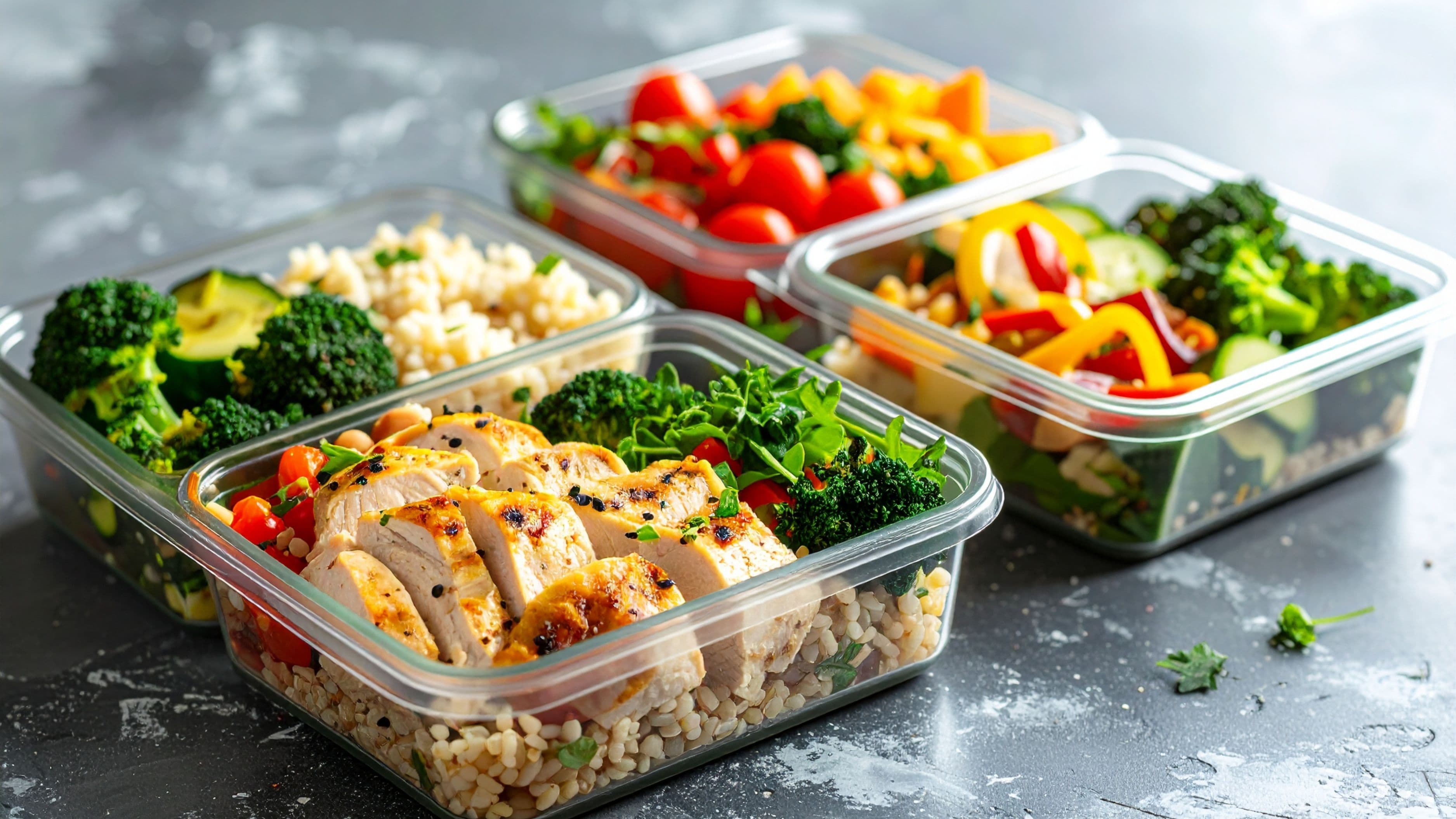
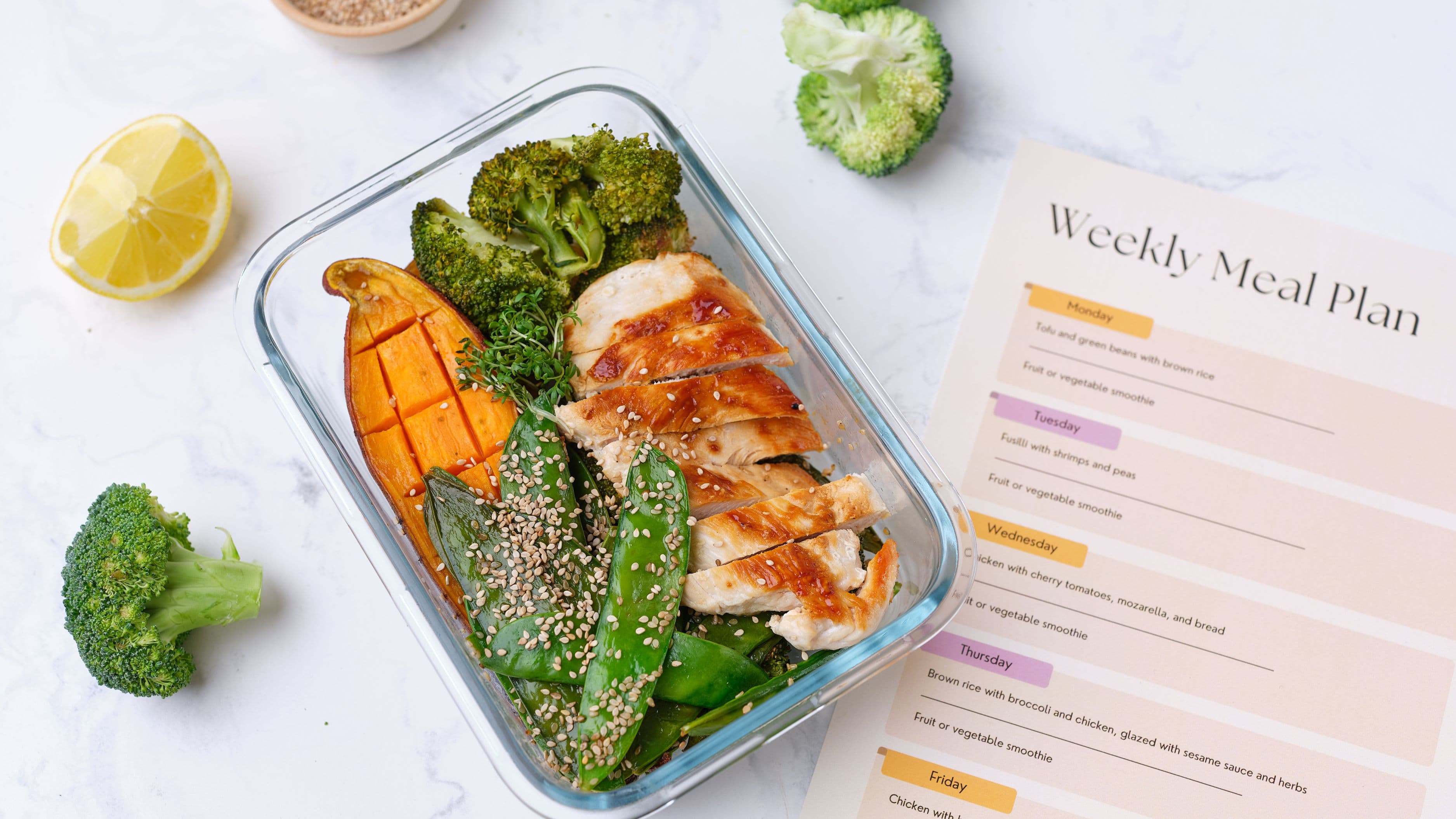
Prepping vegetables in advance – washing, chopping, and storing them ready to use – removes a significant amount of friction that otherwise makes reaching for a quick, easy option instead of vegetables the path of least resistance on a busy day.
Repetition of a few reliable, enjoyable vegetable preparations matters more than variety in the early weeks. Finding two or three ways of preparing vegetables that you genuinely enjoy and can make quickly builds consistency faster than constantly trying new, more complicated recipes.
What to Avoid
Don't set an unrealistic daily target that feels overwhelming from day one. A jump from minimal vegetable intake to an ambitious daily quota often leads to early burnout rather than sustainable habit change. Gradual increases tend to stick better than dramatic overnight shifts.
Avoid treating this challenge as a strict, all-or-nothing rule where a single missed day feels like failure. Consistency over the full month matters more than perfection on any individual day, and a flexible, forgiving approach tends to produce better long-term habit retention than a rigid one.
Don't expect this single change to offset other significant dietary patterns, like high intake of processed foods or added sugar. Vegetables genuinely add nutritional value, but they work best as part of a broader pattern of reasonably balanced eating, not as a counterbalance to an otherwise unchanged diet.
Realistic Expectations
By the end of 30 days, expect a more established habit of including vegetables in a couple of specific meals, a modestly easier time reaching for vegetables by default, and some possible improvement in feelings of fullness and digestive regularity once your body adjusts. Don't expect dramatic weight loss, a complete palate transformation, or a fully overhauled relationship with food in this timeframe – those kinds of shifts, if they happen at all, tend to build over a much longer period of sustained habit.
FAQ
Is it normal to feel bloated when eating more vegetables? Yes, particularly in the first one to two weeks as your digestive system adjusts to increased fiber intake. This typically improves with time and adequate hydration.
Will eating more vegetables for 30 days help me lose weight? It can support a broader healthy eating pattern, but weight change depends on many additional factors like overall calorie intake, so it shouldn't be treated as a guaranteed weight-loss strategy on its own.
What's the best way to make this habit stick beyond 30 days? Focus on repeating a small number of vegetable preparations you genuinely enjoy in the specific meals where you've built consistency, rather than trying to expand into new territory too quickly once the challenge officially ends.
Thirty days of intentionally eating more vegetables builds a genuinely useful habit foundation, even if it doesn't deliver a dramatic transformation. Progress here is quiet and incremental, which is exactly what makes it more likely to last well beyond the challenge itself.
📚 Sources
Harvard T.H. Chan School of Public Health: Vegetables and Fruits - https://www.hsph.harvard.edu/nutritionsource/vegetables-and-fruits/
Mayo Clinic: Fiber and Digestive Health - https://www.mayoclinic.org/healthy-lifestyle/nutrition-and-healthy-eating/in-depth/fiber/art-20043983