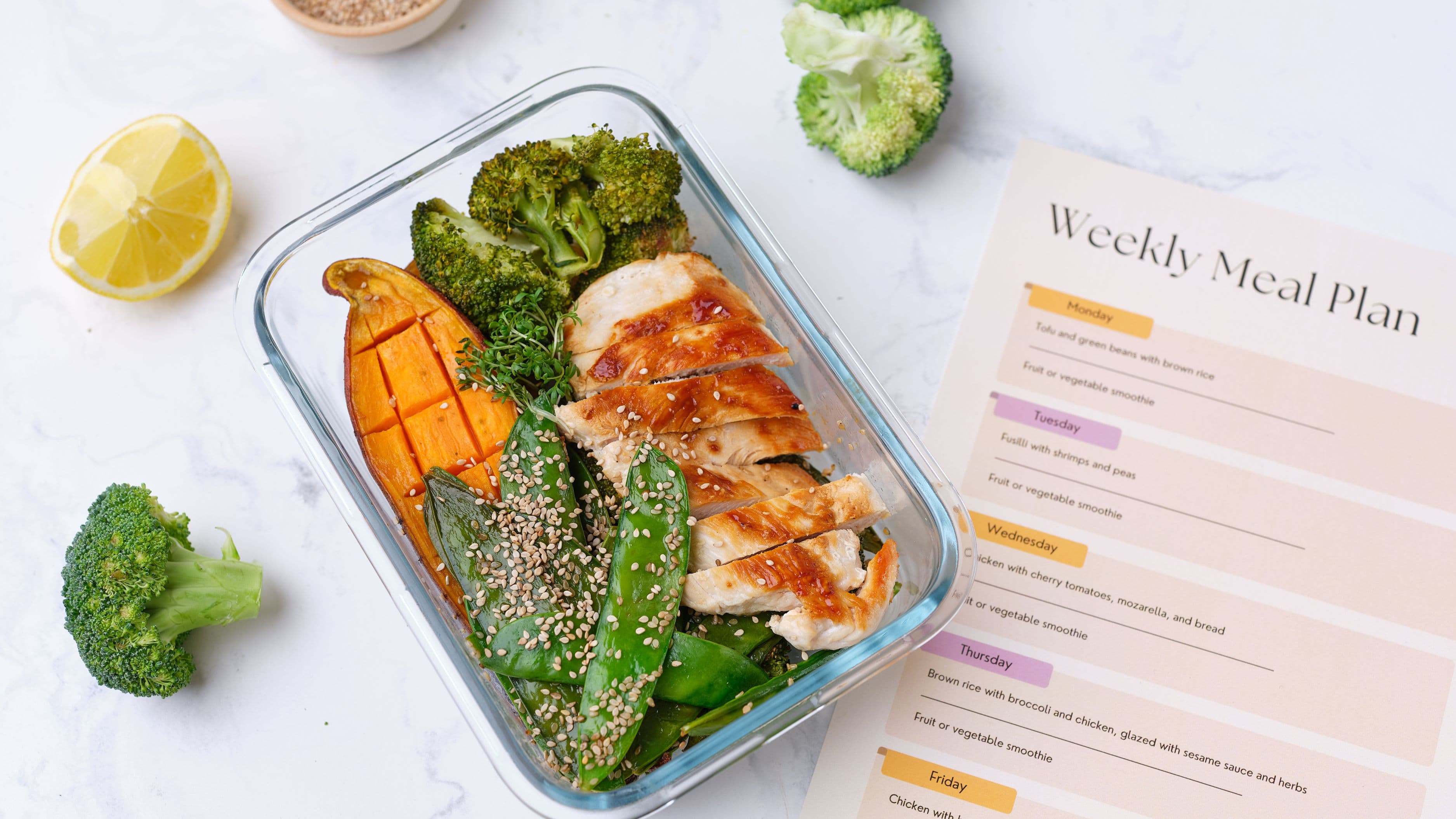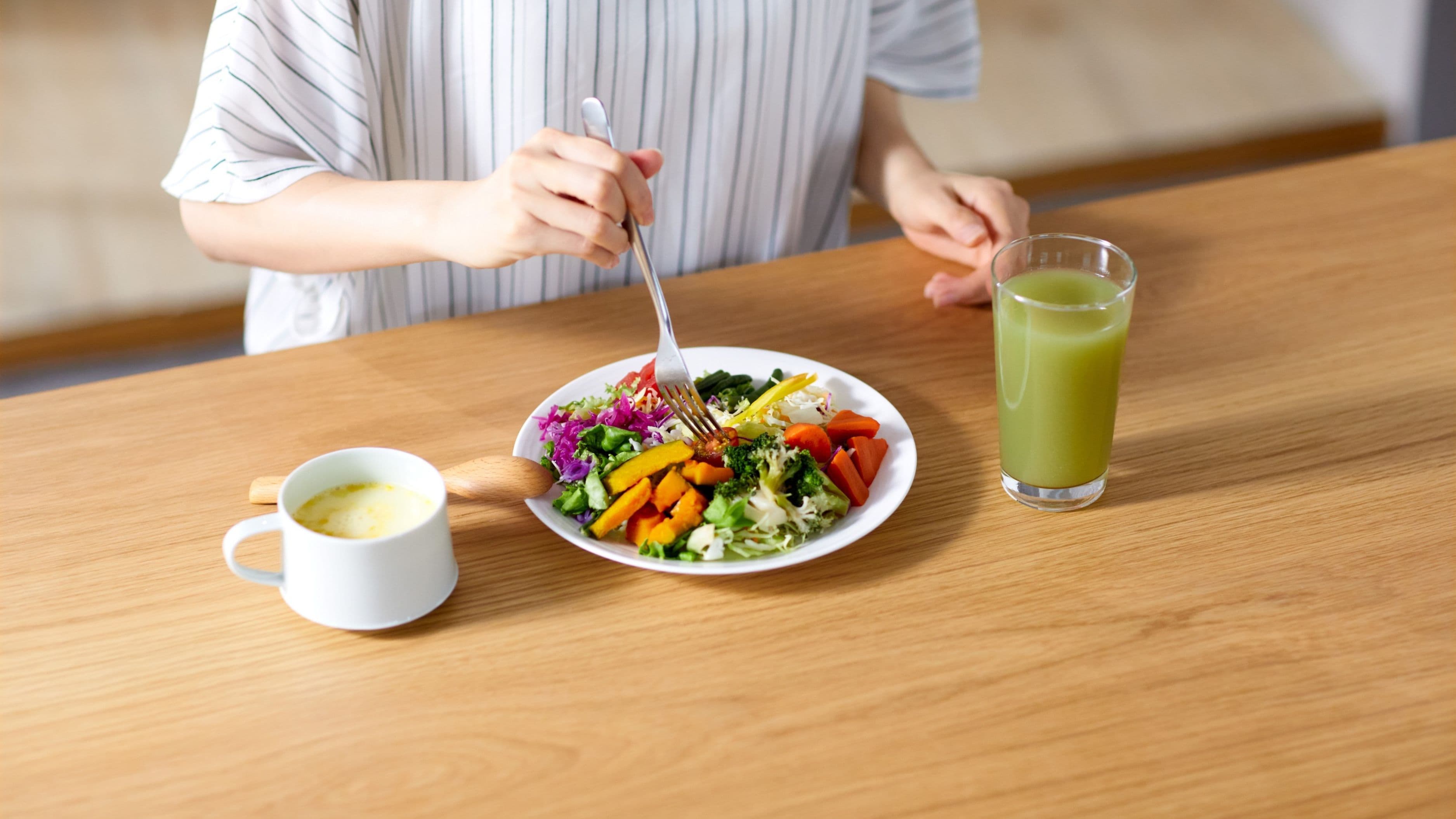
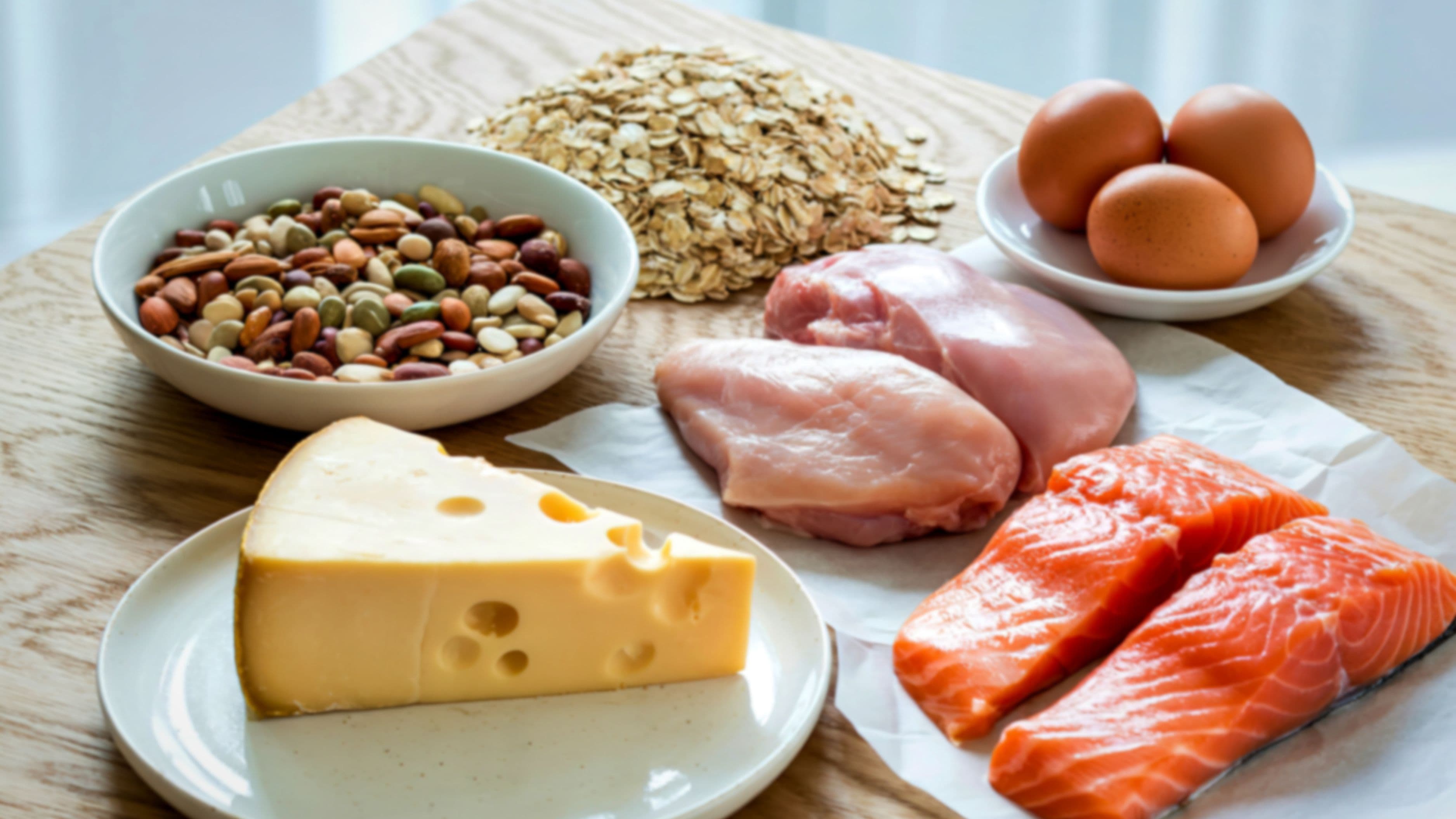
It's not. Eating more protein is one of the more achievable nutrition improvements you can make, and it doesn't require elaborate cooking, expensive ingredients, or even that much planning. It mostly requires knowing which easy options exist and making slightly different choices about what you keep at home and what you reach for first.
Why Protein Actually Matters for Busy People
Before getting into the practical side, it's worth understanding why protein is worth prioritising in the first place – because if you don't feel the difference, the habit won't stick.
Protein keeps you full longer than carbohydrates or fats at equivalent calorie amounts. This isn't a mild effect – it's a well-established physiological response. Higher protein meals reduce hunger hormones and increase satiety hormones, which means you naturally feel satisfied with less and stay full for longer. For busy people who sometimes go too long between meals and then overeat whatever's convenient, this is a genuinely useful lever.
Protein also supports muscle maintenance, which becomes increasingly important after 30. Even for people who aren't actively trying to build muscle, adequate protein helps preserve the muscle you have during periods of caloric deficit or general activity. And the thermic effect of protein – the energy your body uses to digest it – is higher than for carbohydrates or fat, meaning your body burns slightly more calories processing protein than other macronutrients. None of these effects are dramatic on their own, but together they make higher protein intake a fairly reliable component of feeling better and managing weight more easily over time.
Most adults benefit from roughly 0.7 to 1 gram of protein per pound of body weight per day, though the exact figure varies based on activity level and goals. A sedentary person weighing 150 lbs might aim for around 100g per day; someone exercising regularly might aim closer to 130–150g. The numbers sound large if you're currently eating much less, but the strategies below make it more achievable than it first appears.
Strategy 1 – Anchor Every Meal with a Protein Source First
The simplest structural shift you can make is deciding on the protein component of a meal before everything else. Most people build meals around a carbohydrate – pasta, rice, bread – and then add protein as an afterthought. Reversing this mental order makes a significant difference to how much protein you actually consume.
This doesn't mean abandoning the carbohydrates you enjoy. It means deciding first: "What protein am I having?" and then building the rest of the meal around that answer. Eggs with toast rather than toast with eggs. Greek yoghurt with granola rather than granola with a small scoop of yoghurt. A can of tuna with crackers rather than crackers with a small amount of tuna. The shift is subtle but consistent, and it reframes protein from a garnish to the main event.
Strategy 2 – Stock High-Protein Options That Require Zero Cooking
If getting more protein requires cooking, you'll do it on your best days and skip it on your worst. The solution is to keep a reliable stash of options that need no preparation at all.
Canned fish is one of the most underrated protein sources available. A can of tuna contains around 25–30g of protein, costs less than $2, has a two-year shelf life, and requires nothing except opening and optionally mixing with a condiment. Canned salmon and sardines offer similar protein content with the added benefit of omega-3 fatty acids. You can eat them straight from the can, on crackers, on toast, mixed into whatever else you're eating, or stirred into a bowl with some greens and olive oil. Fast, cheap, and high-protein.
Greek yoghurt is another straightforward option. A standard 170g serving of plain full-fat Greek yoghurt contains 15–18g of protein. Add a handful of nuts and some fruit and you have a meal or a very substantial snack with minimal effort. The key is choosing plain Greek yoghurt rather than flavoured versions, which tend to have more sugar and less protein per serving.
Cottage cheese has had a quiet comeback in the protein conversation, for good reason. Half a cup contains around 14g of protein and works in sweet or savoury applications. Eat it with fruit, with crackers and hot sauce, or blended smooth and used as a base for other things. It's one of the cheapest high-protein foods per gram of protein available in most supermarkets.
Hard-boiled eggs are the classic no-excuse protein option. You can boil a batch in 12 minutes and they keep in the fridge for up to a week. Each egg contains 6–7g of protein. Eat two or three with anything and you've added 15–20g of protein to a meal without changing what else you're eating.
Edamame provides around 17g of protein per cup and comes either frozen (ready in a few minutes in the microwave) or shelf-stable. It works as a snack, a side, or mixed into salads and grain bowls.
Protein powder isn't essential, but it's a genuinely practical tool for people who struggle to hit protein targets through food alone. A scoop of whey or plant-based protein mixed into milk, water, or a smoothie takes 30 seconds and delivers 20–25g of protein. It's not a replacement for whole food sources, but as a supplement to a day where you're running short, it works efficiently.
Strategy 3 – Upgrade What You're Already Eating
You don't have to change your meals – you can upgrade the versions of them you're already making to include more protein without changing the basic structure.
Swapping regular pasta for high-protein pasta (brands like Barilla Protein+ or chickpea-based alternatives) nearly doubles the protein content of a pasta dish without changing anything else about how you cook it. Swapping regular milk for higher-protein alternatives like Fairlife in coffee, cereal, or cooking adds protein without any additional effort. Choosing whole eggs rather than egg whites actually provides more protein per egg and adds healthy fat. Using Greek yoghurt instead of sour cream in recipes where it works – tacos, baked potatoes, dressings – substitutes a low-protein ingredient for a high-protein one.
These swaps require no new cooking skills, no new recipes, and minimal adjustment to your existing habits. They simply shift the protein content of food you were already going to eat.
Strategy 4 – Build a Small Repertoire of 10-Minute Protein Meals
You don't need an extensive recipe collection to eat well. You need three to five reliable meals you can make quickly without thinking much about it. Here are some genuinely fast, high-protein options:
Eggs in any form are the fastest complete protein meal available. Scrambled eggs take four minutes. A fried egg on toast takes five. A three-egg omelette with whatever you have in the fridge takes eight minutes and delivers 18–20g of protein before any fillings. If you can make eggs, you can always make a high-protein meal.
Canned tuna pasta takes the time it takes to boil pasta (about ten minutes) and nothing else. Drain the pasta, mix in a can of tuna, some olive oil, salt, pepper, and optionally capers or chilli flakes. Done. Around 40g of protein in a single bowl, depending on pasta choice and tuna quantity.
A yoghurt and egg breakfast requires no cooking if you're starting with hard-boiled eggs prepared earlier in the week. Greek yoghurt, two eggs, a piece of fruit. Ready in ninety seconds. Around 30g of protein.
A bean-based bowl takes five minutes if you're using canned chickpeas or black beans. Heat them in a pan with olive oil and spices, serve over rice or with flatbread, add a dollop of Greek yoghurt or some crumbled feta. Nutritious, filling, and high in protein without any significant cooking skill required.
Cottage cheese with crackers and vegetables is not technically cooking at all. It takes 90 seconds to assemble and provides a surprisingly filling, high-protein snack or light meal.
Strategy 5 – Front-Load Protein Earlier in the Day
One of the most reliable findings in protein research is that most people eat the majority of their daily protein at dinner. Breakfast is usually low-protein (cereal, toast, fruit), lunch is moderate, and dinner is where the chicken, fish, or meat shows up. This back-loading means that hitting your protein target requires eating a lot of protein in a short window, which is harder on digestion and less effective at supporting muscle maintenance than spreading intake throughout the day.
Shifting more protein to breakfast and lunch doesn't require cooking elaborate meals – it just requires choosing differently from the options already discussed. A high-protein breakfast of eggs or Greek yoghurt, a lunch anchored around tuna, legumes, or cottage cheese, and a normal dinner means your protein is more evenly distributed and your dinner doesn't have to carry the entire daily load.
What to Avoid
Don't try to change everything at once. If your current diet is low in protein, jumping to 150g per day immediately is disorienting and unsustainable. A more useful approach is to identify the one meal where your protein is lowest and improve that first. Once that becomes habit, address the next meal.
Don't fall into the trap of thinking protein only comes from meat. Eggs, dairy, legumes, canned fish, and protein-fortified foods all contribute meaningfully. A varied approach tends to be both healthier and easier to sustain than relying on a single protein source.
Don't ignore protein quality alongside quantity. Protein from eggs, dairy, and meat contains all essential amino acids. Plant-based proteins are often incomplete individually but can be combined (beans and rice, for example) to cover the full amino acid profile. If you're eating mostly plant-based, variety matters more.
Don't mistake protein bars for a reliable long-term strategy. They're convenient occasionally, but many are high in sugar and processed ingredients, and they tend to be expensive relative to whole food alternatives. Use them as an occasional backup, not a daily habit.
A 30-Day Starting Point
If you want to build this habit gradually over 30 days, here's a simple weekly framework:
Week 1: Add one high-protein food to your existing breakfast – a couple of eggs, Greek yoghurt, or a scoop of protein powder in your morning drink. Don't change anything else.
Week 2: Upgrade one lunch per day. Swap a low-protein lunch option for one of the fast options above – tuna on crackers, a yoghurt bowl, a bean-based meal. One meal, five days a week.
Week 3: Stock your kitchen for zero-effort protein. Buy canned tuna, Greek yoghurt, hard-boiled eggs (or eggs to boil), and cottage cheese on your next grocery run. The goal is availability: protein options present before hunger strikes.
Week 4: Assess and refine. Notice which changes stuck and which didn't. Identify where your protein still feels low and make one more small adjustment. By the end of the month, you should be eating meaningfully more protein than you were four weeks ago without having fundamentally changed how you cook or live.
FAQ
How do I know if I'm eating enough protein? Tracking for a few days using a free app like Cronometer or MyFitnessPal gives you an honest baseline. Most people are surprised to find they're eating significantly less than they thought. You don't need to track indefinitely – a week of data gives you a clear picture of where your intake is and where the gaps are.
Is plant-based protein as effective as animal protein? For general health and muscle maintenance, plant-based protein can be effective when total intake is sufficient and variety is maintained. Plant proteins are sometimes lower in certain essential amino acids, which is why eating a variety of sources – legumes, whole grains, nuts, tofu, tempeh – matters more than it does with animal proteins. Total daily protein intake is the most important variable.
Will eating more protein make me gain weight? Protein itself doesn't cause weight gain. Excess calories cause weight gain. Adding protein to your diet typically has the opposite effect on most people because it increases satiety and reduces overall calorie consumption.
Replacing lower-protein, higher-calorie foods with protein sources usually supports weight management rather than undermining it.
What's the easiest single change someone can make today? Add two eggs to whatever you're already having for breakfast, or swap a snack for Greek yoghurt. Either of those changes adds roughly 15–18g of protein with almost no effort and no change to the rest of your diet. Small first steps that require minimal willpower are the ones that actually stick.
📚 Sources
Harvard T.H. Chan School of Public Health – "Protein": https://www.hsph.harvard.edu/nutritionsource/what-should-you-eat/protein/
National Institutes of Health – "Dietary Protein and Muscle Mass": https://www.ncbi.nlm.nih.gov/pmc/articles/PMC6566799/
American Journal of Clinical Nutrition – "A high-protein diet for reducing body fat": https://academic.oup.com/ajcn/article/82/1/41/4863422
Journal of Nutrition – "Protein Distribution and Muscle Protein Synthesis": https://academic.oup.com/jn/article/144/6/876/4571652
Mayo Clinic – "How much protein do you need every day?": https://www.mayoclinic.org/healthy-lifestyle/nutrition-and-healthy-eating/in-depth/protein/art-20046401