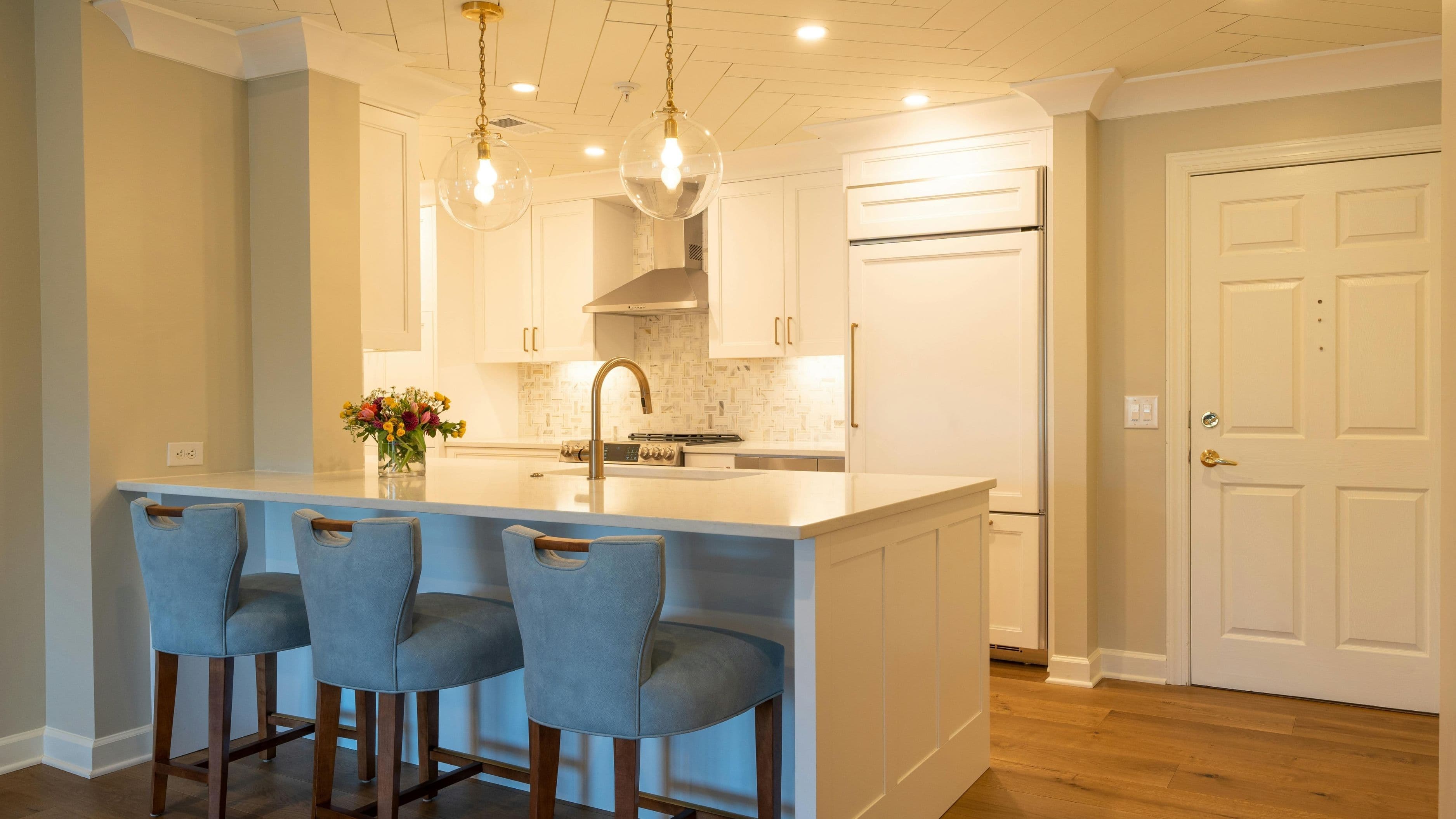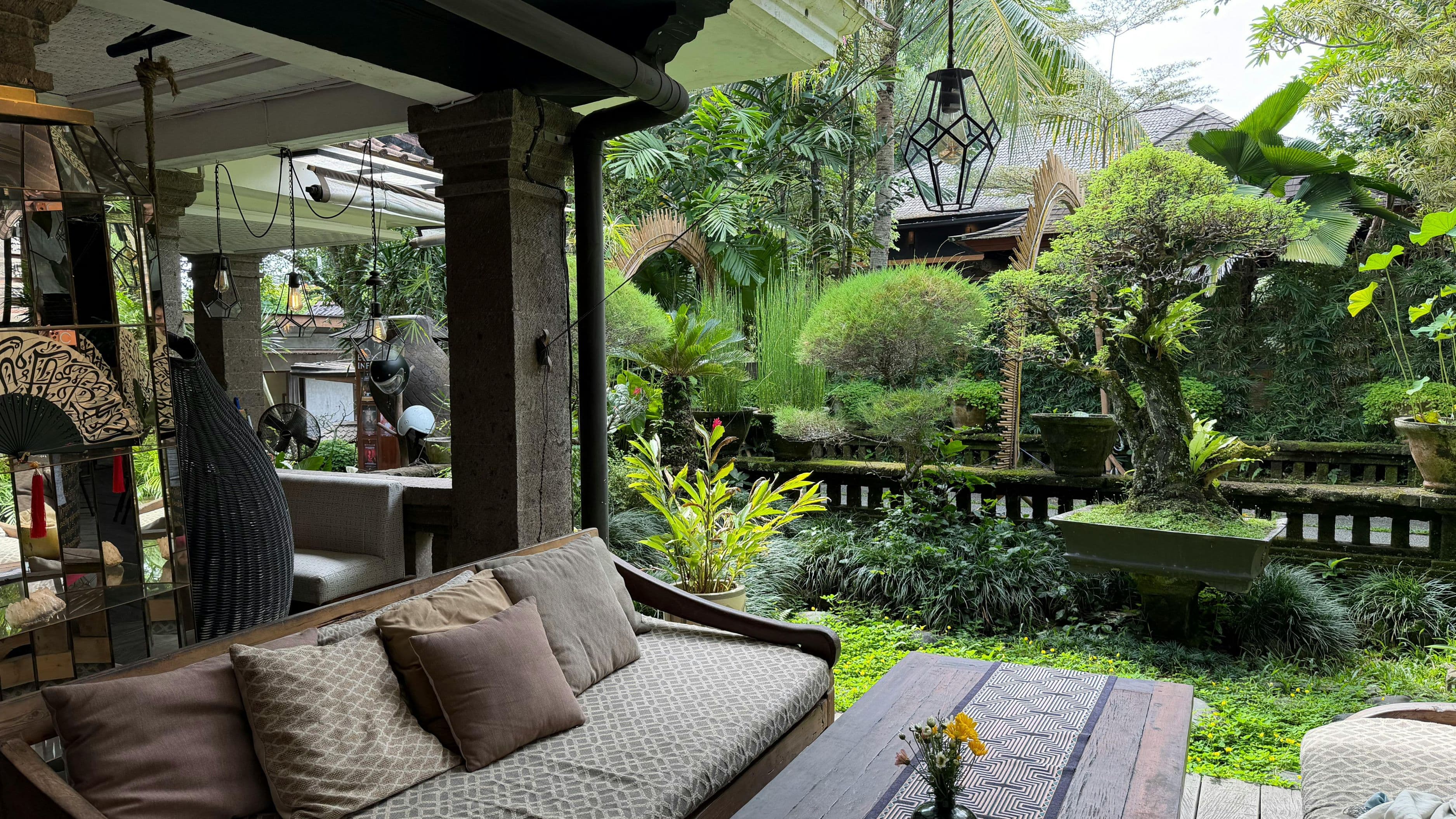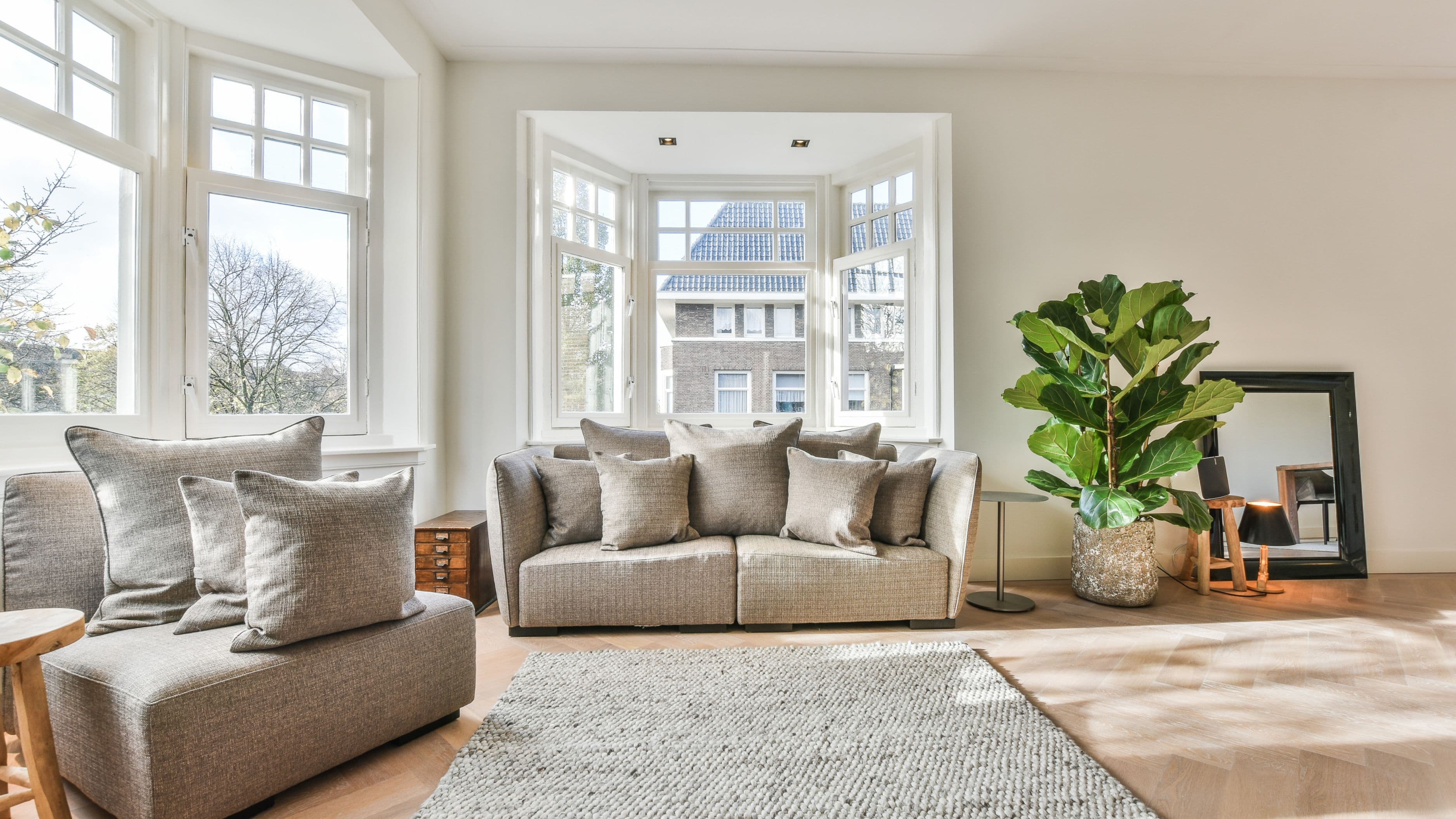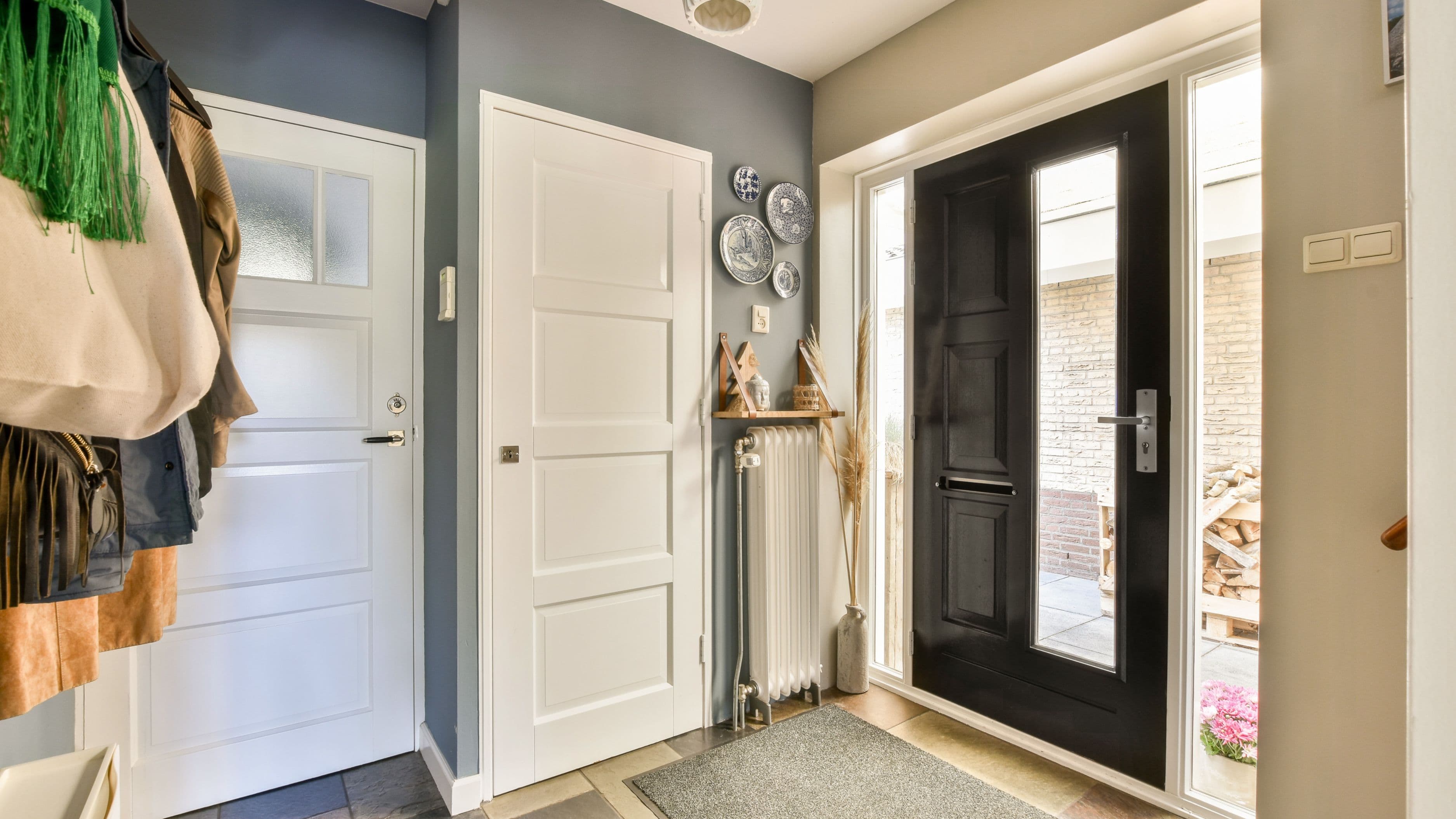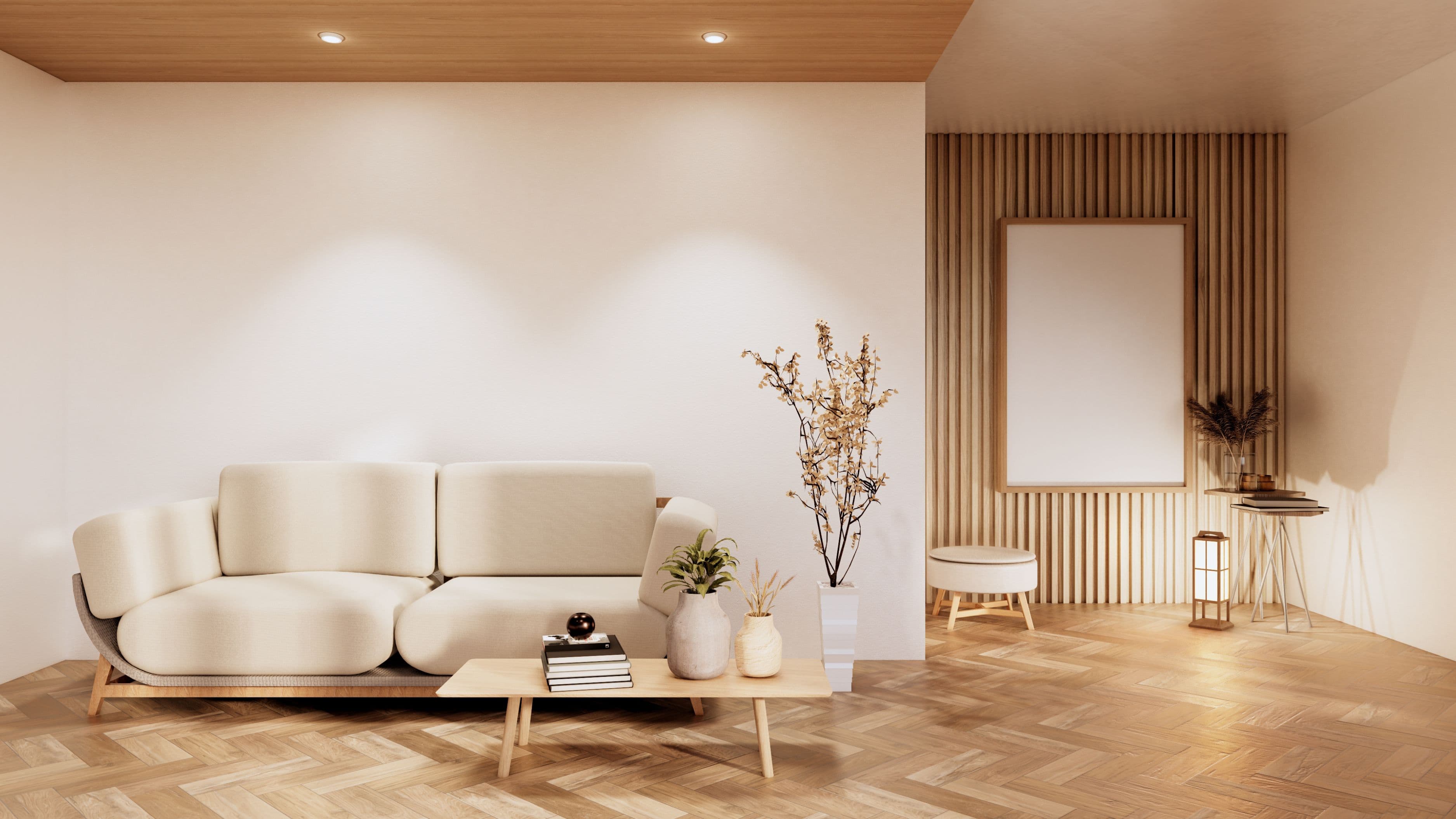

The good news is that creating a calm space doesn't necessarily mean having a room to yourself or installing soundproofing or laying down strict household rules. It often means making smaller, more intentional choices about how you carve out a corner of your environment – and sometimes a corner of your time – that consistently signals rest, recovery, and being off-duty from the demands of the day.
Start by Accepting What You Can and Can't Control
This sounds like a soft place to begin, but it's actually foundational. One of the reasons people struggle to feel calm at home when they live with others is that they're trying to control the whole environment when they only have authority over part of it. Your housemate's music through the wall, your partner's habit of leaving things on the counter, your children's energy levels in the evenings – these are real factors in your environment that you don't fully get to manage.
What you can control is your own corner of the space: where you sit, what's around you when you're there, the conditions you create within whatever area you can genuinely influence. Shifting focus from "how do I make this whole home calmer?" to "how do I create one reliable spot that feels like mine?" is often what makes the whole project feel possible rather than overwhelming.
It also helps to have a direct, low-stakes conversation with the people you live with at some point if you haven't already. Not a big discussion about the state of the household, but a simple one: "I'm trying to build a bit of downtime into my evenings – would it be okay if I had a particular spot or a particular time that I treat as my recharge time?" Most people are more accommodating than we assume when we make the request simply and without accusation.
Choose Your Spot
A calm space doesn't require a room. It requires a spot – somewhere specific enough that your brain starts to associate it with rest rather than tasks. That association builds over time through repetition, and it's what makes the spot useful rather than just comfortable.
Look around your home for a corner, a chair, or even a section of a room that isn't currently being used as a thoroughfare or a work surface.
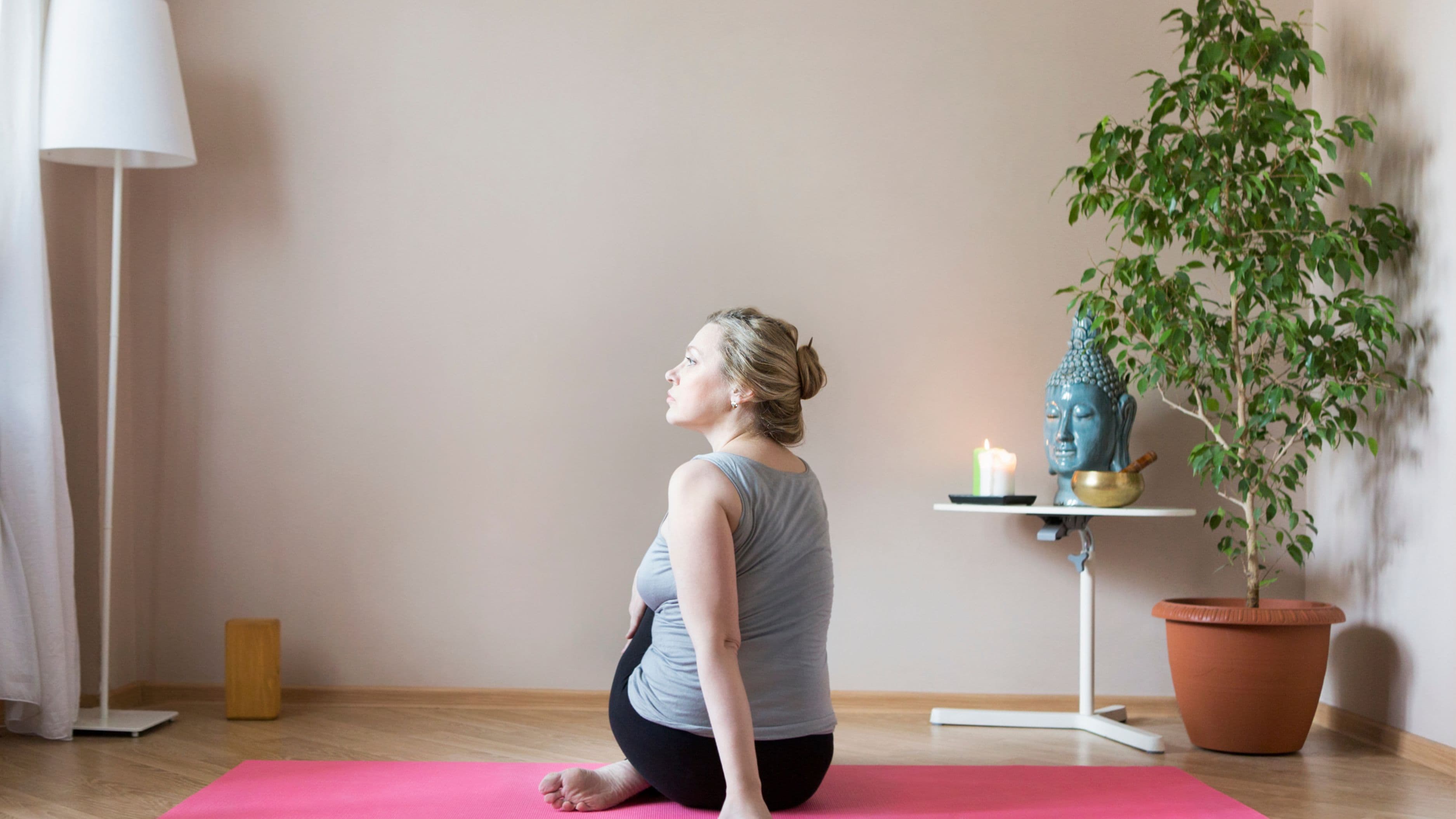
It might be a corner of the bedroom with a chair and a lamp. It might be a spot on the sofa that faces the window rather than the TV. It might be a particular chair at the kitchen table during the hour before the house wakes up in the morning. The physical location matters less than the fact that you choose it deliberately and use it consistently for the same purpose: rest, quiet, or whatever activity you associate with decompressing.
Once you've chosen the spot, do a few small things to make it feel distinct from the rest of the space. Add a cushion or a throw blanket that you use only there. Put a small lamp nearby if the overhead light is harsh. Clear the immediate sightline of anything work-related or task-oriented. You're not redecorating – you're just giving the spot a slightly different sensory quality from the rest of the room so your nervous system starts to register it as different.
Use Sensory Signals to Mark the Transition
One of the most underrated tools for creating calm in a shared space is using sensory cues to signal a shift in mode. Your brain responds to consistent environmental cues – that's the same mechanism that makes a particular song instantly transporting or makes the smell of coffee feel like morning regardless of the clock. You can deliberately create these associations to support the calm you want.
A scent is one of the most reliable. Lighting the same candle or turning on the same essential oil diffuser every time you settle into your calm spot builds an association over a few weeks that works almost on autopilot – the smell itself starts to tell your nervous system that it's time to shift gears. Lavender, sandalwood, and cedarwood are commonly used for this purpose, but the specific scent matters less than the consistency.
Sound is another. Noise-canceling headphones with a consistent playlist, a white noise or brown noise track, or even a specific low-key album you always put on can create an acoustic boundary between you and the rest of the house without requiring actual silence. The headphones in particular serve a double function: they reduce external noise and they're a visible signal to people you live with that you're in a different mode, which reduces interruptions without requiring you to say anything.
Light is the third lever. Soft, warm light in your spot while the rest of the room is brighter or overhead-lit creates a subtle environmental distinction. A small lamp at reading height rather than a ceiling fixture creates a sense of enclosure and warmth that helps the spot feel like its own micro-environment.
Protect Time, Not Just Space
Having a physical spot is one half of the equation. The other half is having time that reliably belongs to you rather than to the household's collective needs.
This is often harder than it sounds in a shared home, because the shared schedule is constant and the gaps in it aren't always predictable. But most households have at least one window that's reliably quieter than the rest – early mornings before other people wake, the hour after children go to bed, a mid-morning period when housemates are at work. Identifying that window and treating it as protected time – time you don't schedule other tasks into, time you don't give away casually – is how the calm space becomes actually useful rather than just a nice idea.
You don't need a long stretch. Twenty to thirty minutes of genuinely uninterrupted time in your spot, consistently, does more for your sense of restoration than two hours of fragmented attempts. The consistency is the thing. A short reliable window that your body and brain learn to expect works better than a longer but unpredictable one.
It also helps to be specific about what you do in that time. Not "relax" in a general sense, but a specific low-demand activity that you genuinely enjoy and that doesn't bleed into productivity: reading, a particular podcast, slow stretching, journaling with no agenda, sitting with a drink and looking out the window. The specificity helps you protect the time because it's concrete, and it helps your brain shift modes because the activity has its own association with rest.
Have a Version That Works Anywhere in the House
The fixed spot and the protected time are your anchor, but life in a shared home isn't always predictable enough for everything to go according to plan. Some days someone else is in your spot. Some days the protected time window gets overtaken by something. Having a portable version of your calm – something that works regardless of where you are in the house – makes the whole system more resilient.
This is essentially what a pair of noise-canceling headphones with a reliable playlist or a simple breathing practice achieves. You can use it at the kitchen table, in the hallway, in the car parked outside for five minutes before you go in. It's not the ideal version, but it provides some of the same function when the full version isn't available.
The miniaturized version also serves a useful purpose in the middle of a difficult moment – when someone else's mood is filling the house, when you've just had a frustrating interaction with a housemate, when the noise levels have climbed past what you can tune out. Having a small, portable practice that you know reliably shifts your internal state is worth more in those moments than any fixed corner you've created.
What to Avoid
Trying to make your calm space a rule for the whole household rarely works and often creates resentment. "I've decided this corner is mine and everyone needs to respect it" is a hard sell to people who didn't ask for a household policy. A softer approach – telling people you've been trying to have some quiet time in a particular spot in the evenings and asking for their support – lands very differently and produces more genuine cooperation.
Waiting for perfect conditions before using the space is also counterproductive. If you've decided your calm spot only counts when the house is genuinely quiet, you'll rarely use it. Part of the practice is learning to let the background noise of a shared home be present without engaging with it – to be in the noise without being disturbed by it, which is a skill that develops through practice rather than through finding silence.
And avoid over-engineering the setup. It's easy to get absorbed in making the perfect calm corner – the right cushion, the right candle, the right playlist – when the real work is showing up there consistently even when conditions are imperfect. A spot that's 70 percent right, used daily, does more for you than a perfect setup used occasionally.
A Simple 30-Day Approach
If you want to build this as a genuine habit rather than a one-time setup, a gradual approach over 30 days makes it stick better than trying to implement everything at once.
In the first week, simply choose your spot and your time window. Don't worry about any of the other details yet. Just show up at the same spot at the same time for a few minutes each day, doing nothing in particular. That act of repetition alone begins building the association.
In the second week, add one sensory cue – a lamp, a scent, a pair of headphones. Keep showing up consistently.
In the third week, introduce the specific activity that defines your rest time for you. Make it simple and genuinely enjoyable.
In the fourth week, develop your portable backup for the days when the primary version isn't available. A five-minute breathing practice or a short playlist that you use when you need a quick reset anywhere in the house.
After 30 days, you'll have a real habit rather than a good intention, and you'll have done it without requiring your whole household to change.
FAQ
What if I truly don't have any space of my own at home?
Even in very small or very full households, there's usually a micro-territory available – a specific chair, a stretch of counter, a spot by a window – that isn't actively being used for something else. The goal is creating a psychological association with a specific location rather than a physically separate space. Outside your home counts too: a particular bench nearby, a café you go to, a park route you walk. Calm isn't confined to four walls.
How do I handle it when people keep interrupting me in my spot?
The most effective approach is a direct, low-key conversation rather than a sign or a rule. Something like: "I've been trying to have a bit of downtime in the evenings. When I'm sitting in that chair with my headphones in, could you treat it like I'm briefly unavailable unless it's urgent?" Most people respond well to a clear, specific, polite request. Headphones or a visual signal helps in the moment.
I share a bedroom with a partner. Is a calm space even possible?
Yes, though it requires a bit more negotiation. Having an honest conversation with your partner about both of you needing some individual downtime – rather than framing it as needing to get away from them – usually opens up a practical solution. That might mean one person has the bedroom for an hour while the other has the living room, or it might mean you each have your own headphones-in time within the same space. Many couples find this kind of intentional structure actually improves the time they spend together.
What if I feel guilty for taking this time when others in the house have needs?
This is probably the most common obstacle. The reframe that tends to help: taking 20 to 30 minutes of genuine rest regularly makes you more patient, more present, and more pleasant to live with the rest of the time. It's not a withdrawal from your household – it's maintenance that makes you better at being in it. You don't need to justify recovery time, but framing it that way to yourself can help ease the guilt while you build the habit.
Creating calm in a shared home is less about redesigning your environment and more about making a series of small, consistent choices that your brain learns to trust. The spot, the time, the sensory cue, the specific activity – none of them are complicated on their own. What makes them powerful is showing up to them reliably, even imperfectly, and letting the habit build quietly in the background of your daily life.
📚 Sources
American Psychological Association – Stress and the home environment – https://www.apa.org/topics/stress/tips
NIH – Lavender aromatherapy and anxiety reduction – https://www.ncbi.nlm.nih.gov/pmc/articles/PMC3612440/
Princeton Neuroscience Institute – Clutter, visual cortex, and cognitive performance – https://pni.princeton.edu/news/2011/01/clearing-clutter-may-improve-focus-productivity
Journal of Environmental Psychology – Restorative environments and recovery from stress – https://www.sciencedirect.com/science/article/abs/pii/S0272494401902456
Harvard Health – Relaxation response and stress – https://www.health.harvard.edu/mind-and-mood/relaxation-techniques-breath-control-helps-quell-errant-stress-response