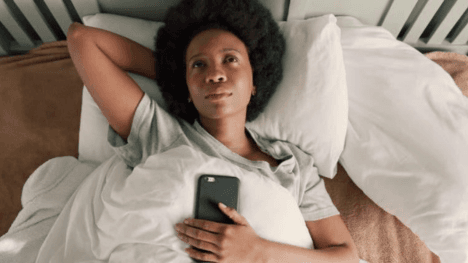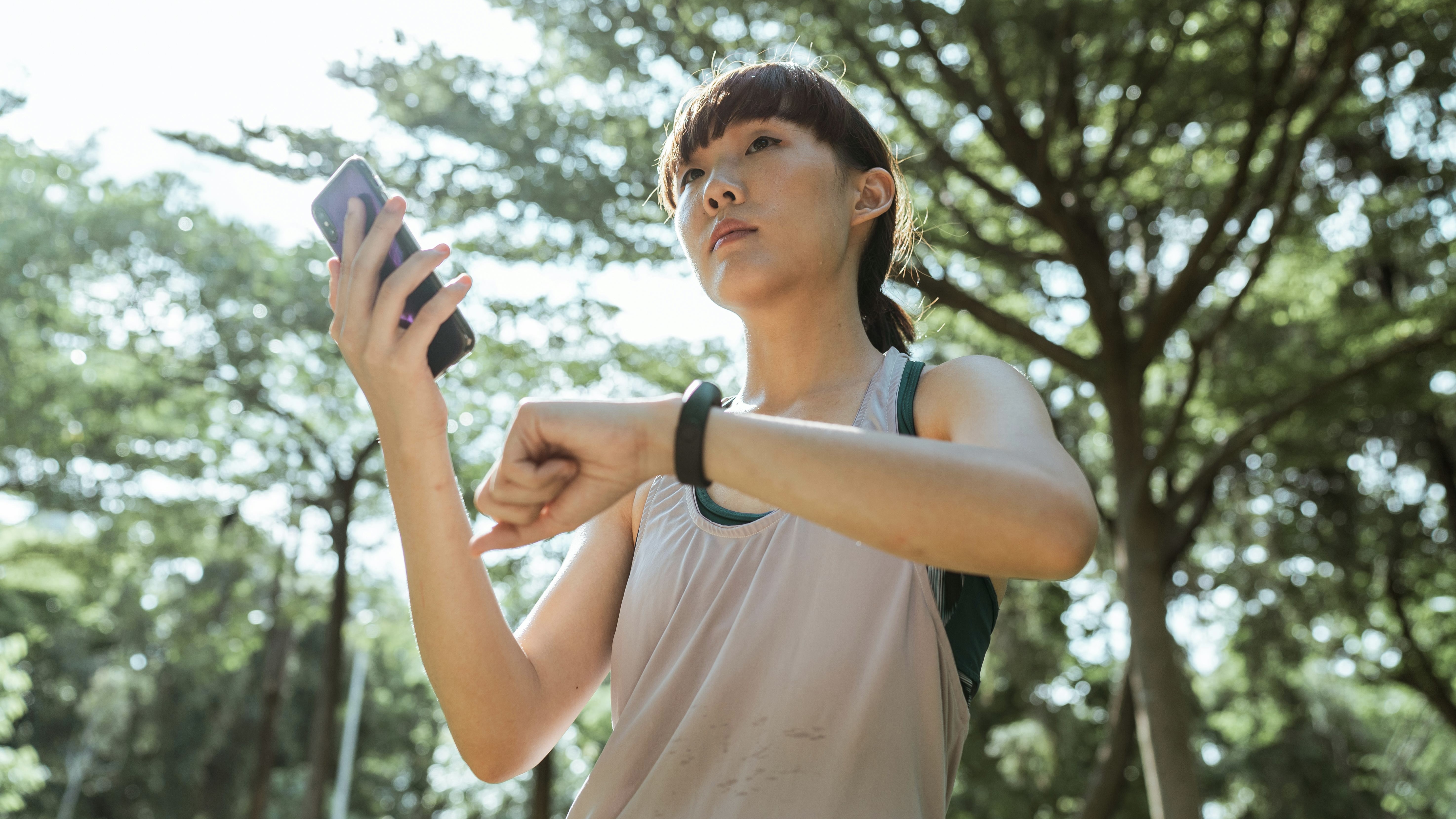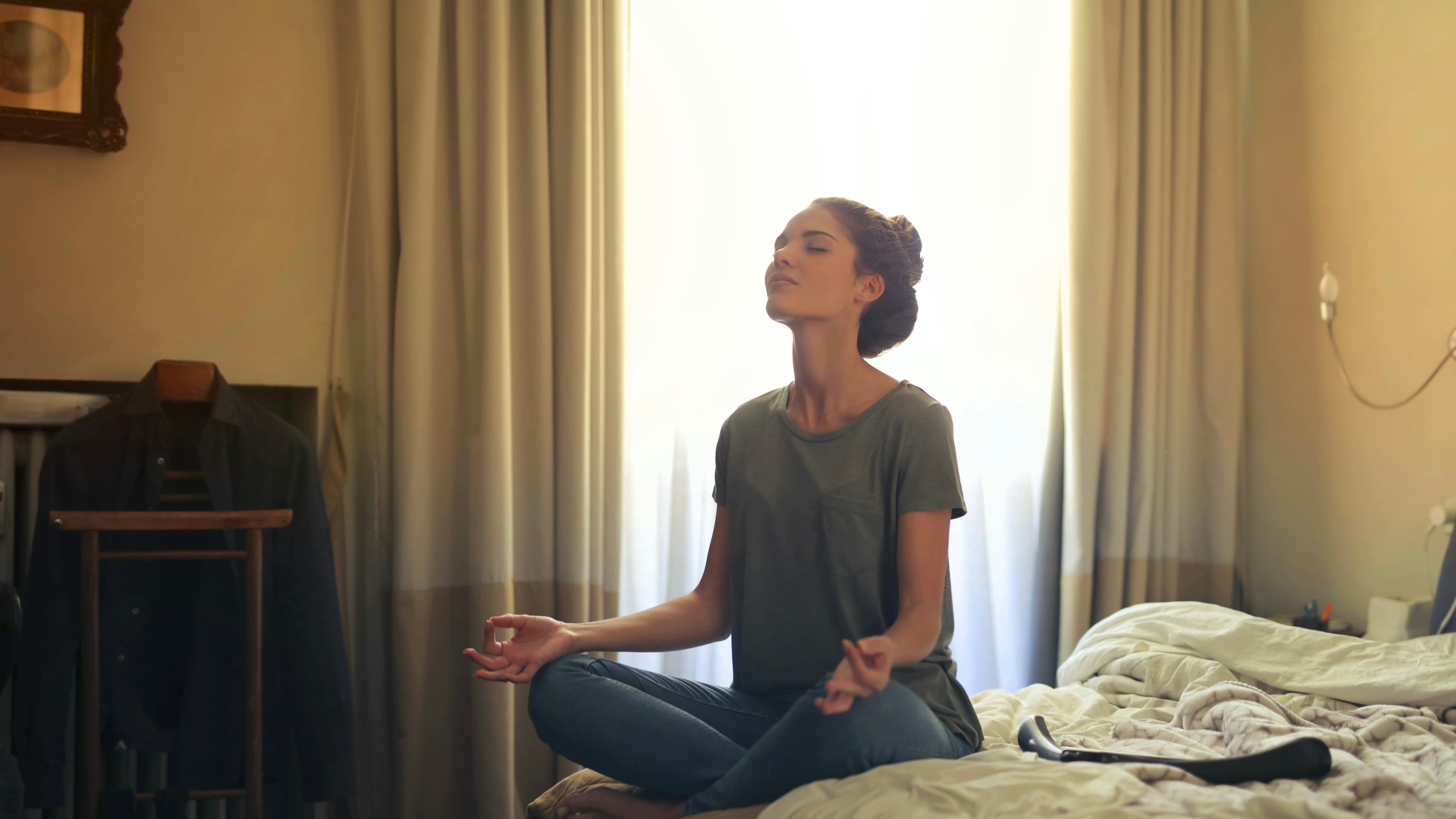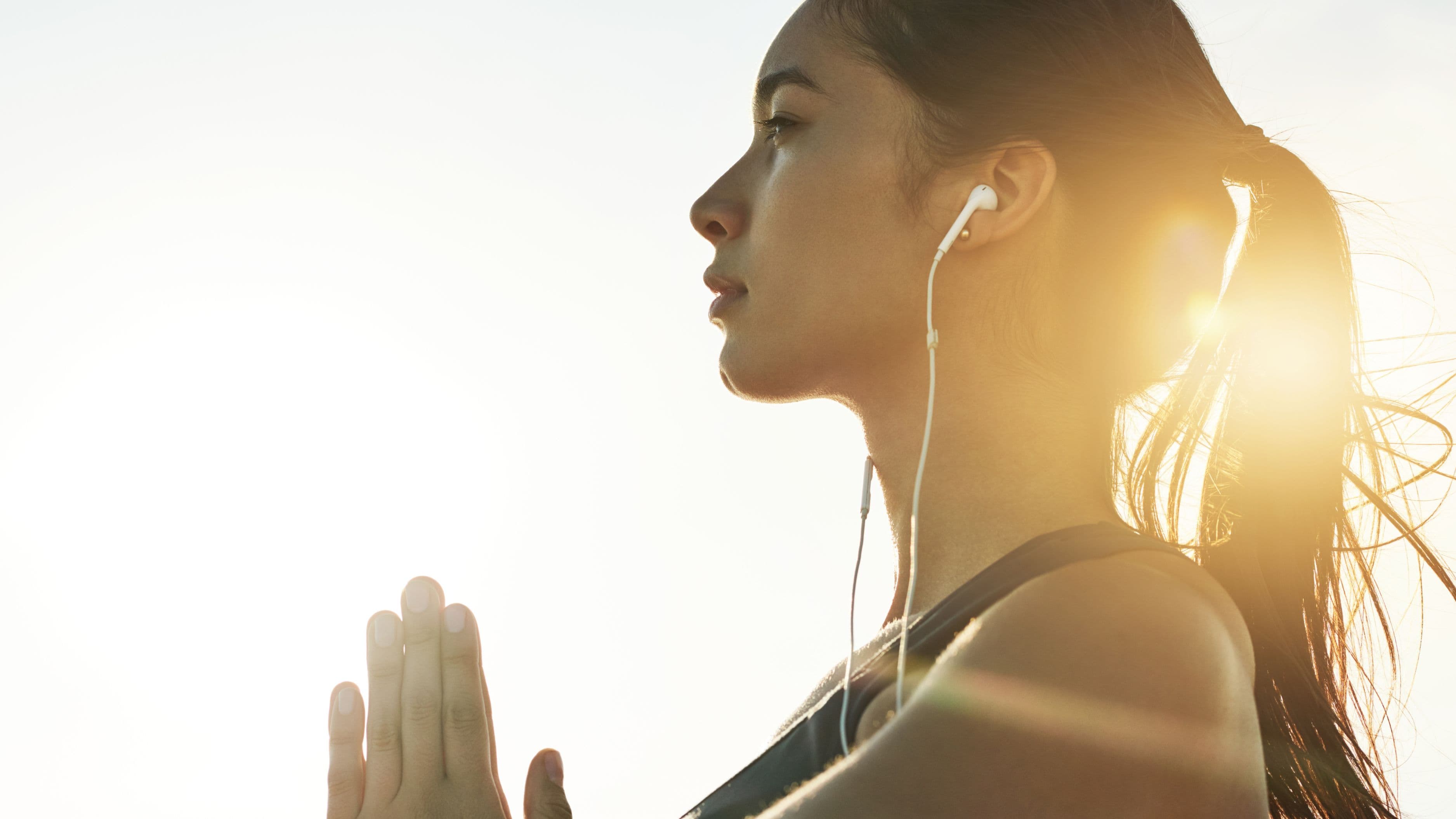

The good news is you don't have to choose between convenience and genuine benefit. With a few intentional adjustments, breathwork apps can be a helpful entry point rather than a crutch that keeps you dependent on a screen every time you need to calm down.
Why This Tension Exists in the First Place
Breathwork, at its core, is about learning to notice and regulate your own nervous system through your breath. That's an internal skill, one that ideally becomes something you can access anywhere, anytime, without needing a device to prompt you.
Apps are excellent for teaching the mechanics, how long to inhale, how long to hold, how to structure a pattern like box breathing or 4-7-8 breathing. The risk is that some people never move past that guided stage, meaning the moment they don't have their phone, the skill isn't quite there yet either.
Use the App as a Teaching Tool, Not a Permanent Requirement
Think of a breathwork app the way you might think of training wheels: genuinely useful while you're learning, but something you're working toward not needing. In the first few weeks of using an app, focus specifically on learning the timing and rhythm of whatever pattern you're practicing, rather than just passively following along.
After a few consistent sessions, try doing the same pattern without the app's visual guide, just counting mentally or using your own sense of timing. This single shift, moving from passive following to active recall, is what actually builds the internal skill the app was meant to introduce in the first place.
Practice Without the App at Least Once a Week
Set a specific, low-stakes goal: once a week, do a short breathing session entirely from memory, no app, no timer, just you counting in your head. This doesn't need to be a big production, even two or three minutes counts, and it's specifically designed to test whether you've actually internalized the pattern or you're still relying entirely on the app's guidance.
If you find this genuinely difficult at first, that's useful information, not a failure. It tells you exactly where to focus your next few app-guided sessions before trying the unguided version again.
Pay Attention to Your Body, Not Just the App's Timer
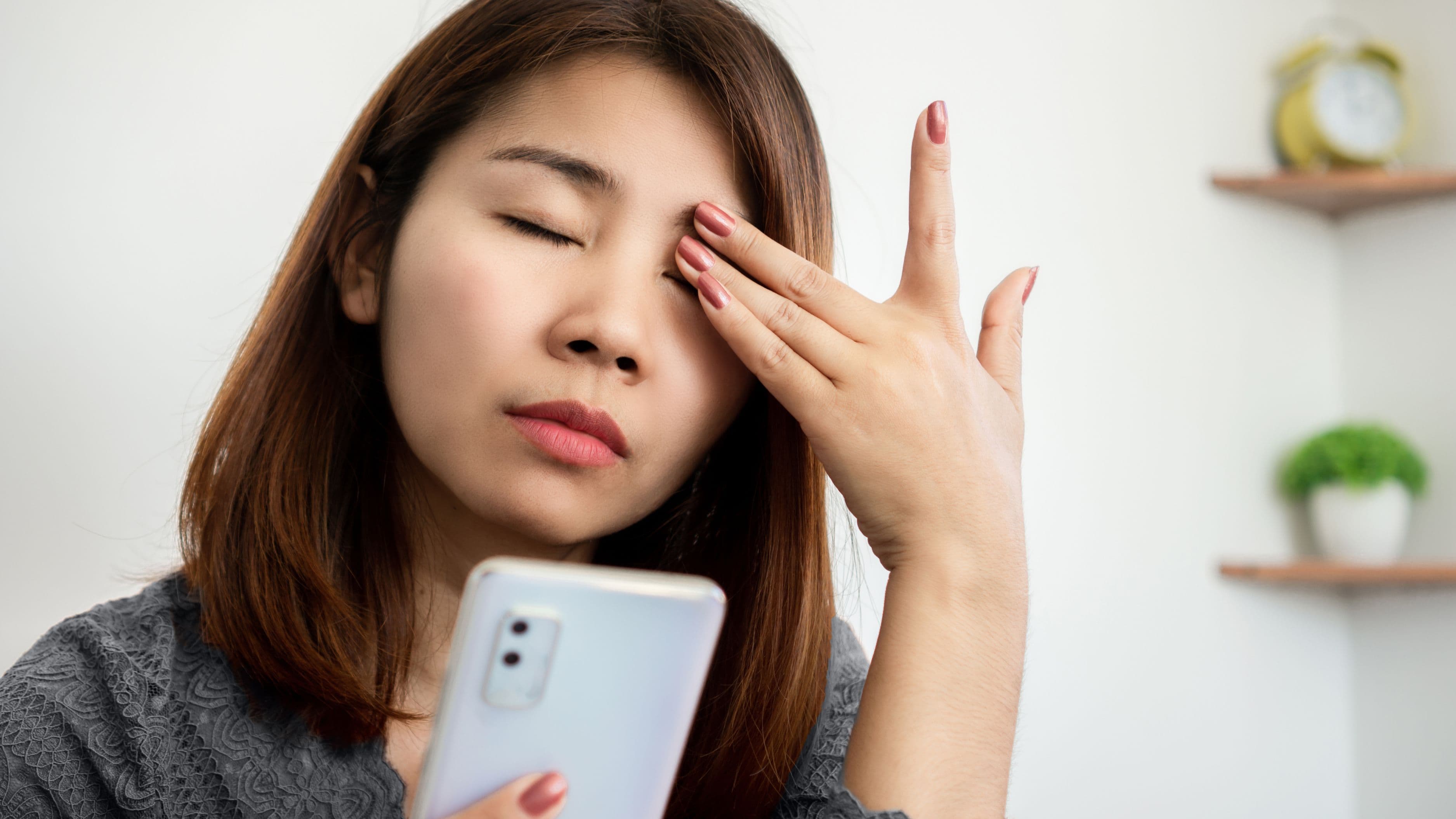
One of the easiest habits to fall into with a breathwork app is watching the visual countdown instead of actually noticing what's happening in your body as you breathe. Try closing your eyes for at least part of each session, or using an audio-only version if your app offers one, so your attention stays on your actual physical sensations rather than the screen.
This matters because the real value of breathwork comes from the felt sense of calming down, noticing your heart rate settle, your shoulders drop, your mind quiet, not from precisely following a visual guide. If you're staring at a screen the whole time, you're more likely to miss those internal cues that are the actual point of the practice.
Use Different Situations to Test What You've Learned
Real-world stress rarely waits for you to open an app first. Try using a simple breathing pattern you've learned during a small, everyday stressful moment, before a difficult conversation, while stuck in traffic, right before checking an email you're dreading, without reaching for your phone first.
These small, unguided moments are where breathwork actually proves useful in daily life, and practicing this way builds real confidence that the skill lives in you, not just in an app you might not have access to in the moment you need it most.
When the App Genuinely Adds Value
None of this means apps are something to avoid entirely. They're genuinely useful for learning new, more complex breathing patterns you haven't practiced before, for maintaining consistency through reminders and streaks, and for guided sessions specifically designed for deeper practices, like longer breathwork sessions aimed at processing emotion, which benefit from more structured guidance than a quick calming breath does.
The goal isn't to eliminate the app from your routine entirely, it's to make sure you're not solely dependent on it for basic regulation skills you could otherwise access anywhere, anytime.
What to Avoid
Don't let the app become the only way you know how to calm yourself down. If you find yourself unable to do a simple breathing pattern without opening an app first, that's a sign to build in more unguided practice.
Don't treat every session as passive content consumption. Actively noticing your body's response, not just following the visual cues, is what makes the practice actually work.
Don't give up on the app entirely if unguided practice feels hard at first. This is a normal part of building any new skill, and returning to the app for a few more guided sessions before trying again is a completely reasonable approach.
FAQ
Is it bad to rely on a breathwork app every time I need to relax? Not inherently, but building some ability to practice without the app ensures you have access to this skill even when you don't have your phone, which matters most in genuinely stressful, unplanned moments.
How long does it take to internalize a breathing pattern without an app? This varies by person, but many people find that after two to three weeks of consistent guided practice, they can recall and use a simple pattern, like box breathing, without visual guidance.
Are breathwork apps actually effective, or is real breathwork better? Apps are a genuinely effective tool for learning and maintaining consistency, they're not inherently less effective than unguided practice, the key is making sure you're building genuine skill alongside the convenience, not relying on the app exclusively.
📚 Sources
"Breathing Techniques for Stress Relief" – Harvard Health Publishing – https://www.health.harvard.edu/mind-and-mood/relaxation-techniques-breath-control-helps-quell-errant-stress-response
"How Breathing Affects the Nervous System" – National Institutes of Health, National Library of Medicine – https://www.ncbi.nlm.nih.gov/pmc/articles/PMC6137615/
"Mindfulness and Breath Awareness Practices" – American Psychological Association – https://www.apa.org/topics/mindfulness