If you've been wondering whether blue light glasses are actually worth buying, or whether you already own a pair and want to know if they're doing anything, this is the honest breakdown you're looking for.
What Blue Light Actually Is
Blue light is part of the visible light spectrum — the high-energy, short-wavelength end of it. Your eyes are exposed to blue light constantly, and the biggest source by far is the sun, not your phone screen. Sunlight contains enormous amounts of blue light, which is one reason you feel alert and awake outdoors during the day. Your body uses blue light exposure as part of its natural circadian rhythm — detecting it through the eyes to signal "daytime" to the brain.
Screens — phones, tablets, monitors, TVs — do emit blue light, but in significantly lower quantities than natural sunlight. A study published in the journal Ophthalmic and Physiological Optics found that the blue light from digital screens represents only a fraction of what your eyes receive on a sunny day outdoors. This doesn't mean screen exposure has no effect on your body, but it does put the "blue light from screens is damaging your eyes" narrative in important perspective.
What the Research Actually Shows
This is where blue light glasses run into a real evidence problem. The core claim — that filtering blue light from screens reduces digital eye strain — has been tested in multiple randomized controlled trials, and the results are consistently underwhelming.
A 2021 Cochrane Review, which analyzed the highest-quality available evidence on blue light filtering spectacle lenses, found that there was insufficient evidence to support the claim that they reduce eye strain from screen use. A 2023 randomized controlled trial published in BMJ Open Ophthalmology compared participants wearing blue light filtering glasses versus regular clear lenses during computer use and found no meaningful difference in eye strain, visual fatigue, or discomfort between the two groups.
The American Academy of Ophthalmology has been consistent in its position: it does not recommend blue light glasses for screen use and explicitly states that there is no scientific evidence that blue light from digital devices causes eye damage or that special glasses prevent it. This is not a fringe view — it's the official position of one of the most respected ophthalmological organizations in the world.
So What Is Causing Digital Eye Strain?
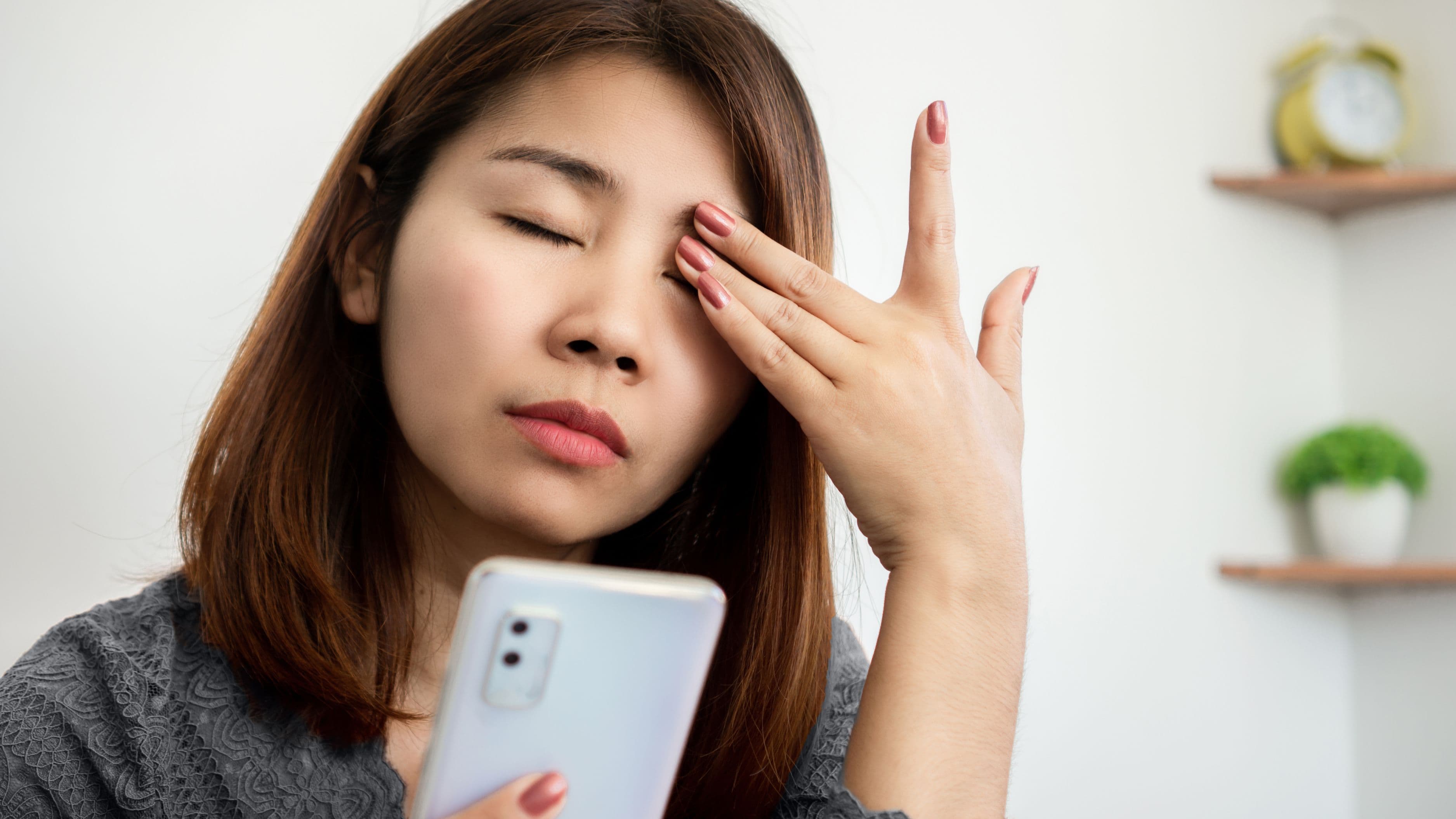
If blue light isn't the culprit, something is clearly going on — because digital eye strain is real, and a lot of people genuinely feel worse after long screen sessions. The research points to a different cause: reduced blink rate.
When you stare at a screen, you blink significantly less than you do during other activities. Your normal blink rate is around 15–20 blinks per minute. During screen use, it can drop to as low as 5–7 blinks per minute. Blinking is what spreads the tear film across your eyes and keeps them lubricated. Less blinking means a drier, more irritated eye surface — and that dryness is what produces the burning, tired, and uncomfortable sensation people attribute to blue light.
Additional contributing factors include screen brightness set too high for the ambient lighting conditions, sitting too close to your screen, poor screen glare from overhead lighting, and extended focus at a fixed distance without breaks — which causes the focusing muscles inside your eyes to fatigue. None of these have anything to do with blue light, which is why filtering blue light doesn't reliably fix the symptoms.
The Sleep Angle: Where Blue Light Gets More Interesting
Here's where the story genuinely gets more nuanced. While the eye strain evidence for blue light glasses is weak, the connection between evening blue light exposure and sleep disruption has stronger scientific backing — and it matters for how you use your devices before bed.
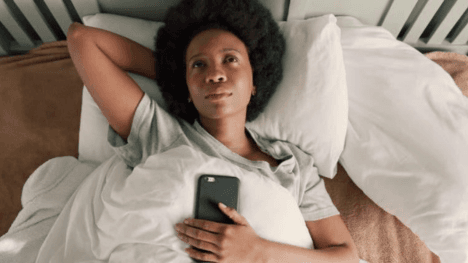
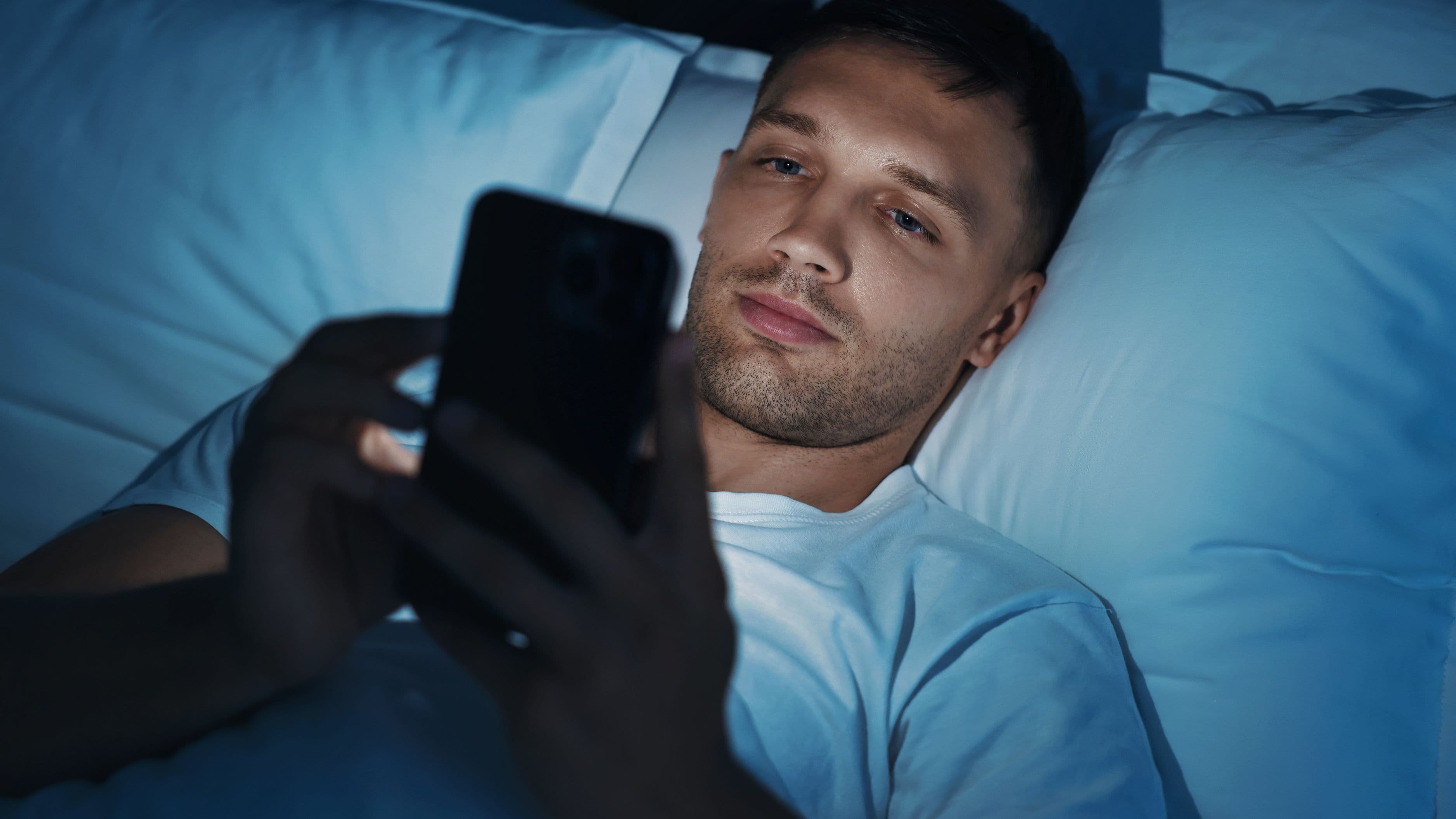
Your brain produces melatonin in response to darkness, which signals that it's time to sleep. Blue light exposure in the evening suppresses melatonin production by sending the same "it's daytime" signal your brain receives from sunlight. This pushes back your natural sleep onset and reduces sleep quality if you're using bright screens in the hour or two before bed.
Research published in the Journal of Applied Physiology found that blue light exposure at night significantly reduced melatonin levels compared to dim light. A study in the Proceedings of the National Academy of Sciences found that reading on a light-emitting device before sleep delayed melatonin onset, delayed sleep timing, and reduced morning alertness compared to reading a printed book.
This is the context where blue light glasses — specifically blue light blocking glasses worn in the evening, not during the workday — have the most plausible benefit. They won't fix your tired eyes at 3pm, but wearing them an hour or two before bed might help with sleep onset if evening screen use is part of your routine.
What Actually Helps With Digital Eye Strain
Since blue light glasses aren't the answer for daytime screen discomfort, here's what genuinely does help:
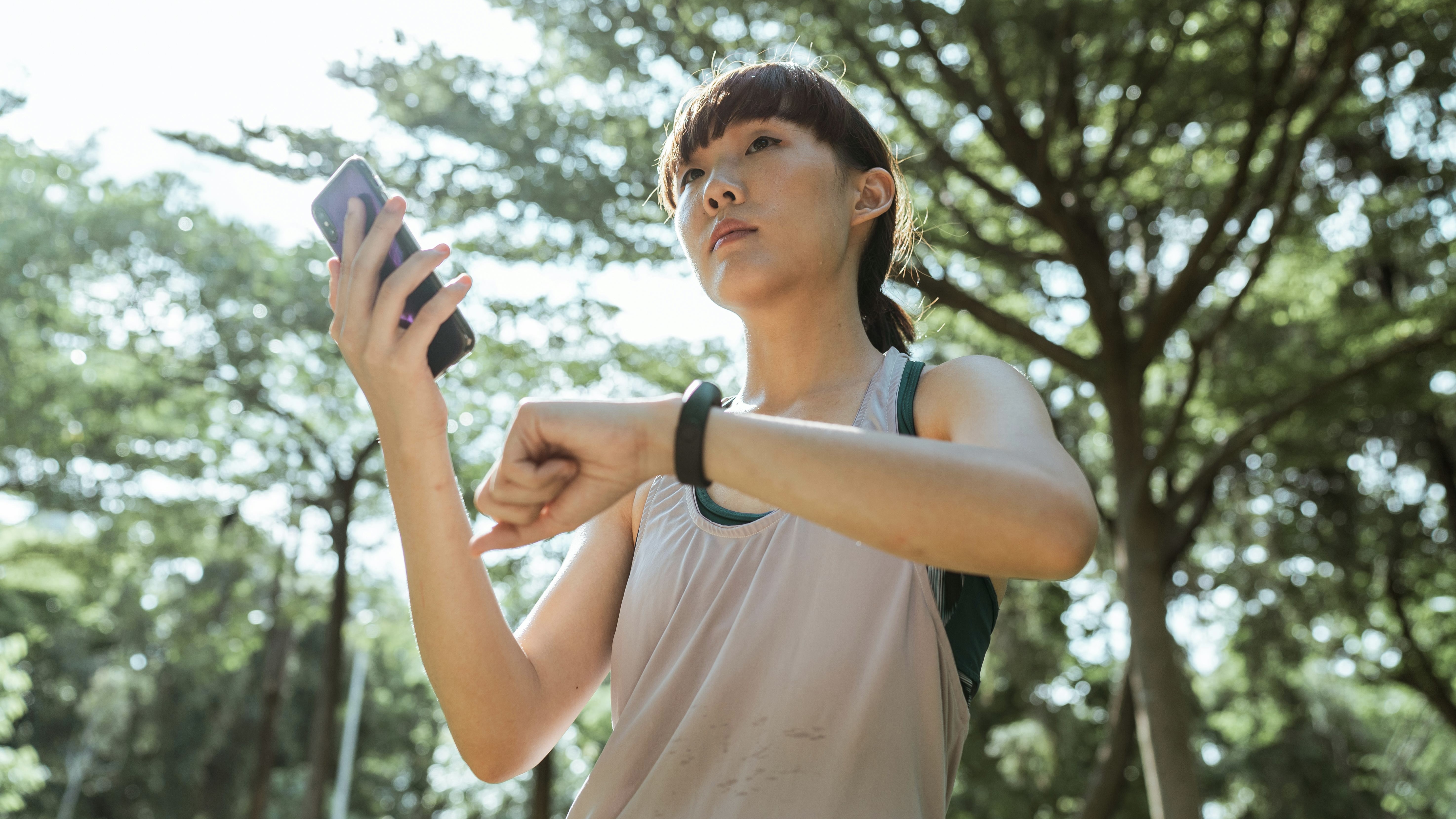
The 20-20-20 rule. Every 20 minutes of screen time, look at something 20 feet away for 20 seconds. This relaxes the focusing muscles inside your eye and is one of the most evidence-backed and cost-free interventions for screen-related eye fatigue. Setting a timer on your phone or using an app reminder makes it easy to build as a habit.
Blink deliberately. It sounds almost too simple, but consciously reminding yourself to blink during screen use — especially during tasks that demand intense focus — reduces dryness significantly. Some people put a small sticky note on their monitor as a reminder until the habit forms.
Adjust your screen brightness to match your environment. Your screen shouldn't be much brighter or much dimmer than the ambient light around you. On a bright day, increase screen brightness. In a dim room, reduce it. Many devices have auto-brightness settings that handle this, but manual adjustment based on your environment is often more accurate.
Use artificial tears. If your eyes feel dry after screen use, over-the-counter preservative-free lubricating eye drops address the actual cause of the discomfort. They're inexpensive, available at any pharmacy, and ophthalmologist-recommended for digital eye strain.
Reduce glare. A matte screen protector, repositioning your monitor away from direct overhead lighting, or using a desk lamp positioned behind your monitor rather than behind you can significantly reduce reflected glare, which is a direct contributor to visual fatigue.
The Honest Bottom Line on Blue Light Glasses
If you're buying blue light glasses to reduce eye strain during the workday: the current evidence doesn't support that they'll help. You're likely better served by the habits listed above, which address the actual causes of the discomfort.
If you're buying blue light glasses to wear in the evening specifically to improve sleep quality: there's more rationale here, and some people do report genuine benefit. The evidence is not as strong as many sellers suggest, but it's more plausible than the eye strain claim, and the downside risk is essentially zero.
If you already own blue light glasses and feel like they help: the placebo effect is real, consistent, and not something to dismiss. If wearing them makes you more mindful about your screen habits and you feel better, that's a net positive regardless of the mechanism. Just don't pay a premium for them expecting a clinical effect that the research doesn't currently back up.
A Simple 30-Day Screen Health Habit to Try Instead
If you're ready to do something genuinely useful for your eyes and sleep over the next 30 days, this is a low-effort, evidence-backed starting point:
Week 1: Set a 20-minute timer during screen work and practice the 20-20-20 rule each time it goes off. You'll likely forget at first — that's normal. The habit builds gradually.
Week 2: Add a deliberate "blink check" every time you sit down at your computer. Two or three intentional blinks before you start a focused work session takes three seconds and resets the dryness cycle before it starts.
Week 3: Set your phone and bedroom TV to Night Mode (which shifts the screen to warmer tones) at 9pm, and try to put screens down 30 minutes before your intended sleep time. Note whether your sleep feels different.
Week 4: Check in on how your eyes feel compared to week one. Most people notice a meaningful reduction in evening eye discomfort from the combination of blink awareness and evening screen reduction — no new glasses required.
FAQ
Are blue light glasses harmful to wear? No — wearing blue light glasses won't damage your vision or cause any harm. The main downside is spending money on something that may not deliver its advertised benefit. If you already own them and they're comfortable, there's no reason to stop wearing them.
My optometrist recommended blue light glasses — should I still follow that advice? Optometrists have different perspectives on this, and some do recommend them. The research gap is worth discussing openly with your optometrist, particularly the Cochrane Review findings. At the same time, if your optometrist has observed specific benefits in their patients, that clinical experience is worth weighing alongside the published research.
Do children need blue light glasses for school screen time? The American Academy of Ophthalmology doesn't recommend blue light glasses for children any more than it does for adults. The more useful intervention for children is regular breaks from screens, outdoor time (which genuinely benefits developing eyes), and enforcing screen-free periods before sleep.
Is Night Mode on my phone the same as blue light glasses? Night Mode (or True Tone/Warm Display settings) shifts your screen to warmer, more yellow tones by reducing blue wavelengths. It's a free, built-in version of what blue light glasses attempt to do, and there's reasonable evidence it helps with evening melatonin suppression. Enabling Night Mode in the evening costs nothing and is worth using whether or not you own blue light glasses.
Your eyes are worth taking care of, and the habits that actually support them — blinking more, taking breaks, managing glare, and protecting your sleep — are all free and genuinely backed by evidence. You don't need to spend $80 on glasses to get there.
📚 Sources
Cochrane Review – Blue light filtering spectacle lenses for visual performance, sleep, and eye health (2021): https://www.cochranelibrary.com/cdsr/doi/10.1002/14651858.CD013244.pub2/full
BMJ Open Ophthalmology – Randomized trial of blue light filtering lenses and eye strain (2023): https://bmjophth.bmj.com/content/8/1/e001172
American Academy of Ophthalmology – Should You Be Worried About Blue Light?: https://www.aao.org/eye-health/tips-prevention/should-you-be-worried-about-blue-light
Journal of Applied Physiology – Blue light and melatonin suppression: https://journals.physiology.org/doi/10.1152/japplphysiol.01634.2004
Proceedings of the National Academy of Sciences – Evening use of light-emitting eReaders and sleep: https://www.pnas.org/doi/10.1073/pnas.1418490112
American Optometric Association – Computer Vision Syndrome: https://www.aoa.org/healthy-eyes/eye-and-vision-conditions/computer-vision-syndrome