
What "Biohacking" Actually Covers
The term has expanded to cover an enormous range of products and practices, everything from genuinely well-supported basics like sleep tracking and structured exercise, to considerably more speculative and expensive interventions with thinner scientific backing. This wide range matters because lumping everything under one umbrella term makes it easy to assume that if one biohacking practice is well-supported, others carrying the same label deserve similar confidence, which isn't necessarily true at all.
Where Gadgets Genuinely Earn Their Cost
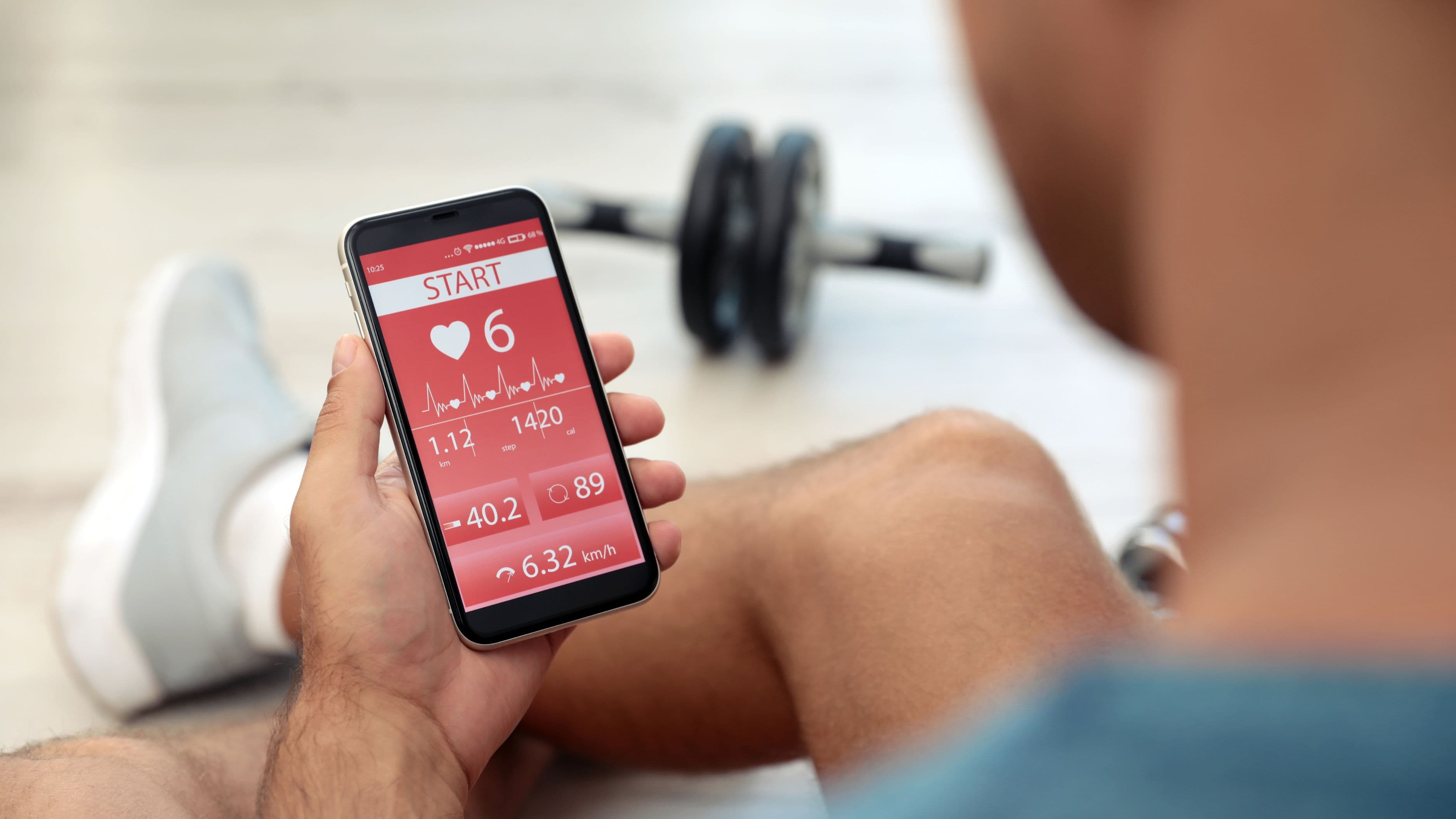
Devices that improve awareness of genuinely useful, actionable data tend to justify their cost best. A sleep tracker that helps you notice a real pattern, consistently worse sleep on nights with late caffeine, for instance, provides genuine, actionable value even if its precision isn't clinical-grade. Similarly, heart rate variability tracking, while imperfect, can offer a reasonable, non-invasive proxy for overall recovery and stress levels that some people find genuinely useful for pacing their exercise and daily activity.
What determines genuine value here: The device needs to measure something that (a) actually connects to a goal you're pursuing and (b) you'll consistently act on based on what it tells you. A gadget providing interesting but ultimately unused data isn't delivering real value regardless of its accuracy.
Where the Evidence Gets Considerably Thinner
Continuous glucose monitors for people without diabetes have become a popular biohacking trend, but the evidence supporting meaningful benefit for people with already normal glucose regulation is considerably weaker than the marketing around these devices suggests. For someone managing diagnosed diabetes or prediabetes, continuous glucose monitoring has clear, well-established medical value. For a healthy individual without a diagnosed condition, the actionable insight gained from constant glucose tracking is much less clearly established, and the cost is often substantial relative to that more uncertain benefit.
Expensive recovery gadgets stacking multiple unproven claims, devices combining red light therapy, vibration, and other simultaneous interventions with limited independent research on the combined effect specifically, tend to represent some of the weakest value propositions in the biohacking gadget space, often relying on the individual, better-studied components' reputation to imply a combined benefit that hasn't actually been independently verified.
The Placebo Question Worth Taking Seriously
It's worth acknowledging honestly that some portion of reported benefit from biohacking gadgets likely comes from a genuine placebo effect, feeling more in control of your health, paying closer attention to your habits because you're now tracking them, and the psychological comfort of actively "doing something" about your wellness. This isn't necessarily a reason to dismiss a product entirely if it's genuinely improving how you feel and behave, but it's worth being honest with yourself about whether a specific gadget's benefit is coming from its actual physiological mechanism or from the behavioral and psychological shifts that come from simply paying closer attention.
A Practical Framework for Deciding If a Specific Gadget Is Worth It
Before purchasing any biohacking device, it's worth asking a few honest questions: is there independent research (not just studies funded or conducted by the device's own manufacturer) supporting the specific claimed benefit? Will you actually use this consistently, or is it more likely to become another unused item after the initial novelty fades? And is there a substantially cheaper, low-tech alternative, a consistent sleep schedule instead of an expensive sleep-optimizing device, for instance, that would deliver a comparable benefit without the significant cost?
A useful mental exercise: If a specific gadget disappeared entirely tomorrow, would your actual health habits meaningfully change, or were you already doing the underlying healthy behavior and the gadget was simply tracking it? Devices that are purely tracking an already-existing good habit provide less unique value than ones that genuinely change your behavior for the better.
What to Avoid
Avoid purchasing expensive biohacking devices based primarily on social media buzz or an athlete or influencer's endorsement without checking whether independent, non-manufacturer-funded research actually supports the specific claims being made. Avoid stacking multiple unproven interventions simultaneously, expecting compounding benefits from combining several speculative gadgets, when even the individual components' effectiveness isn't well established on their own.
It's also worth avoiding the assumption that expensive automatically means effective; some of the most well-supported health interventions, consistent sleep, regular movement, adequate hydration, cost nothing at all, and no gadget replaces the foundational value of these basics.
Realistic Expectations
A small number of biohacking gadgets, sleep trackers used to identify genuine actionable patterns, HRV tracking for people seriously managing training load, offer real, if modest, value for the right person with the right specific goal. A larger portion of the biohacking gadget market relies more heavily on marketing momentum and speculative or thin scientific backing than genuine, well-established benefit, and approaching new purchases with healthy skepticism, specifically looking for independent research rather than manufacturer claims alone, is a reasonable, low-cost way to protect yourself from expensive disappointment.
FAQ
Are sleep trackers worth the investment? For many people, yes, particularly for building awareness of patterns connecting habits to sleep quality, though their precision for specific sleep stage data is more limited than clinical equipment.
Should healthy people without diabetes use continuous glucose monitors? The evidence for meaningful benefit in people without diagnosed glucose regulation issues is considerably weaker than the marketing suggests, making this a harder purchase to justify for most healthy individuals.
How can I tell if a biohacking gadget's claims are legitimate? Look specifically for independent research not funded or conducted solely by the manufacturer, and be skeptical of products stacking multiple unproven claims together without individual verification for each specific benefit.
📚 Sources
National Institutes of Health – Wearable Health Technology Research: https://www.nih.gov/
Harvard Health Publishing – Evaluating Health Technology Claims: https://www.health.harvard.edu/