
This guide walks you through practical changes you can make at your own pace, starting with the easiest ones and building toward the more involved. Even if you only make three or four of these changes, you'll likely notice a difference within a week or two.
Why Your Sleep Environment Matters More Than You Think
Most people focus on their bedtime habits – no screens before bed, a warm shower, a calming routine – without paying much attention to the actual space they're sleeping in. But your room sends signals to your brain constantly, even while you're asleep. Light seeping under the curtains at 6 a.m. can pull you into lighter sleep stages before your alarm goes off. A room that's too warm prevents your body from dropping its core temperature the way it needs to for deep sleep. A pile of laundry on the chair or work materials on the desk can keep your brain in a mild state of alert, even when you're not consciously thinking about them.
The good news is that most of these environmental factors are genuinely within your control, and fixing them doesn't require spending a lot of money or making dramatic changes. It's about small, deliberate adjustments that collectively create a space your brain and body associate with rest.
Start With Darkness
Light is the most powerful external cue your brain uses to regulate its sleep-wake cycle. Even small amounts of light during the night – a streetlight filtering through thin curtains, a LED standby indicator on a device, the glow of a clock – can suppress melatonin and reduce sleep quality without you ever fully waking up.
The goal is to make your bedroom as dark as reasonably possible during sleep hours. Blackout curtains are the most impactful purchase you can make for sleep environment improvement. They block outside light from windows completely, which makes the biggest difference for people who sleep in urban areas or whose bedroom faces east (and gets hit with early morning sun). Basic blackout curtains start around $25 to $40 and can be found at most home goods stores. You don't need anything fancy – a good light-blocking liner is what matters, not the fabric or style.
For light sources inside the room – LED indicators on chargers, cable boxes, air purifiers, or other devices – a roll of black electrical tape costs almost nothing and covers them in seconds. If you're not ready for blackout curtains or you're renting and can't install them, a sleep mask is a genuine and inexpensive alternative that works surprisingly well once you get used to wearing one.
Get the Temperature Right
Your body needs to drop its core temperature by a degree or two to initiate and maintain deep sleep. If your bedroom is too warm, that process gets interrupted, which often shows up as trouble falling asleep or waking up during the night feeling restless. Research consistently points to the 65–68°F (18–20°C) range as optimal for most adults, though individual preference varies slightly.
If you have control over your thermostat, setting it lower at night is the simplest solution. If you don't – if you're in a shared space or if adjusting the heat isn't practical – a fan pointed at your bed increases airflow and evaporative cooling. Running a fan during sleep also has the secondary benefit of providing consistent white noise that masks disruptive sounds, which is a two-for-one improvement in your sleep environment.
Your bedding matters too. If you're sleeping under a heavy winter duvet year-round, the bedding itself might be working against you in warmer months. A lighter blanket or a breathable cotton or linen duvet cover can make the same blanket significantly more temperature-neutral. If you and a partner run at very different temperatures at night, a dual-zone approach – different blankets for each side rather than one shared duvet – is a simple adjustment that removes a common source of overnight disruption.
Deal With Noise
Noise disrupts sleep in two ways: it can wake you up, and it can pull you into lighter sleep stages without full waking – the kind of disruption you don't remember but feel the next day as grogginess and reduced alertness. Street noise, early-morning birds, a partner snoring, household sounds from other rooms – all of these fragment sleep in ways that add up over a week or a month.
A white noise machine is the most reliable fix for consistent ambient noise. It works by creating a steady background sound that masks fluctuating noises before they register as disruptions. You don't need an expensive device – a basic white noise machine costs $25 to $50, and plenty of people use a simple box fan to achieve a similar effect at lower cost. If you prefer, there are free apps that play white noise or nature sounds through your phone speaker, though for consistent overnight use, a dedicated device or fan is more reliable than leaving your phone running all night.
For partner snoring specifically, a good pair of foam earplugs remains one of the most effective and least expensive sleep tools available. They're not glamorous, but they work consistently for light-to-moderate snoring situations.
Clear the Clutter (Even a Little)
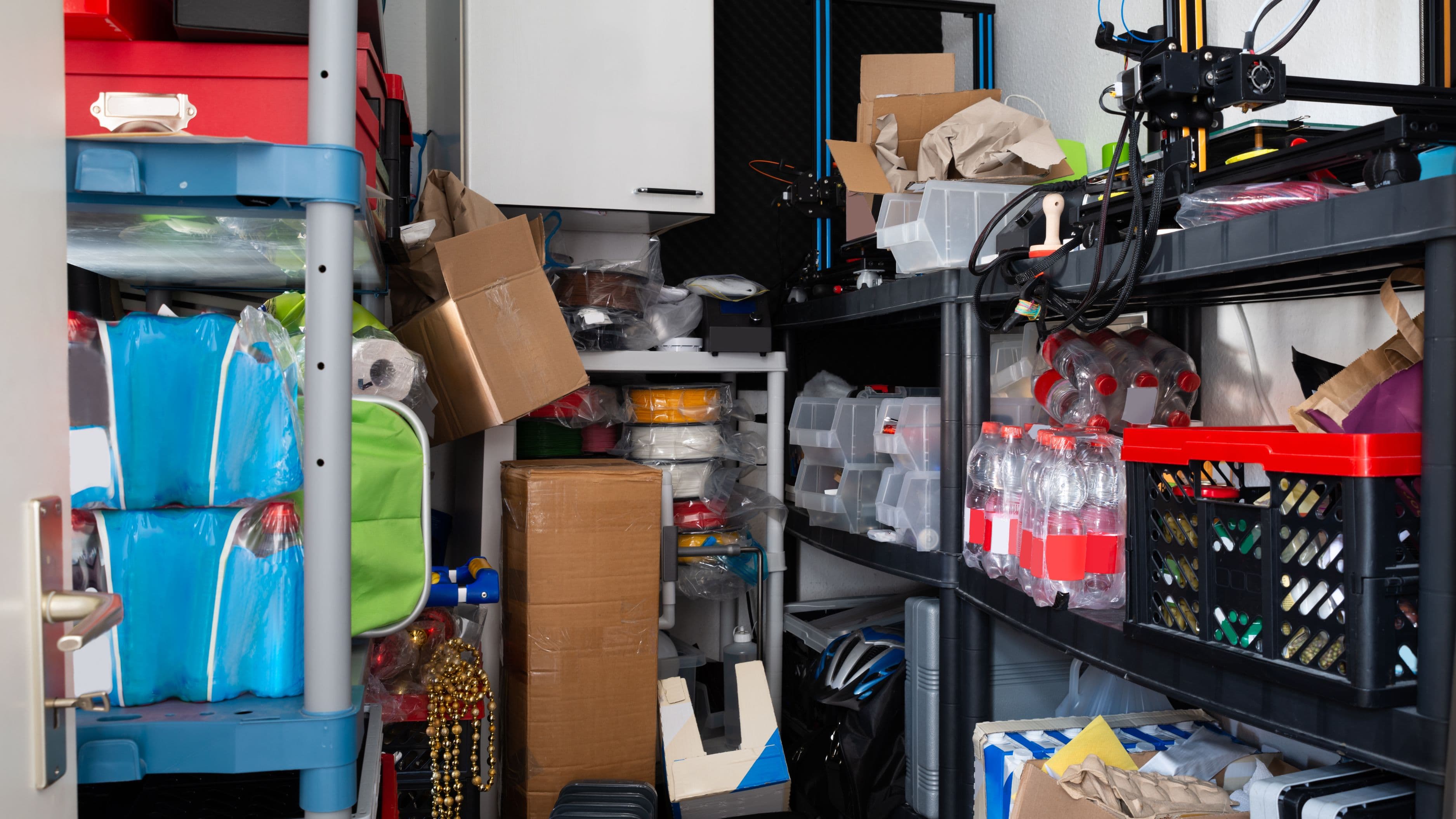
Clutter in a bedroom has a subtle but real effect on how well you sleep. Visual noise – a messy desk, laundry piled on a chair, items that belong in other rooms – keeps your brain in a mild state of low-level alertness. Your environment is communicating "unfinished business" even when you're lying down trying to rest.
You don't need to turn your bedroom into a minimalist showroom. The goal is simply to reduce the amount of visual clutter in your immediate sleep environment, particularly in your direct line of sight from the bed. Moving work-related items – laptops, notebooks, anything associated with productivity or obligation – out of the bedroom entirely makes a meaningful difference for many people.
Containing clutter in closed storage (a laundry basket with a lid, a dresser with drawers, boxes that close) reduces the visual noise enough to shift the room's feeling even if you haven't dramatically reduced the total amount of stuff.
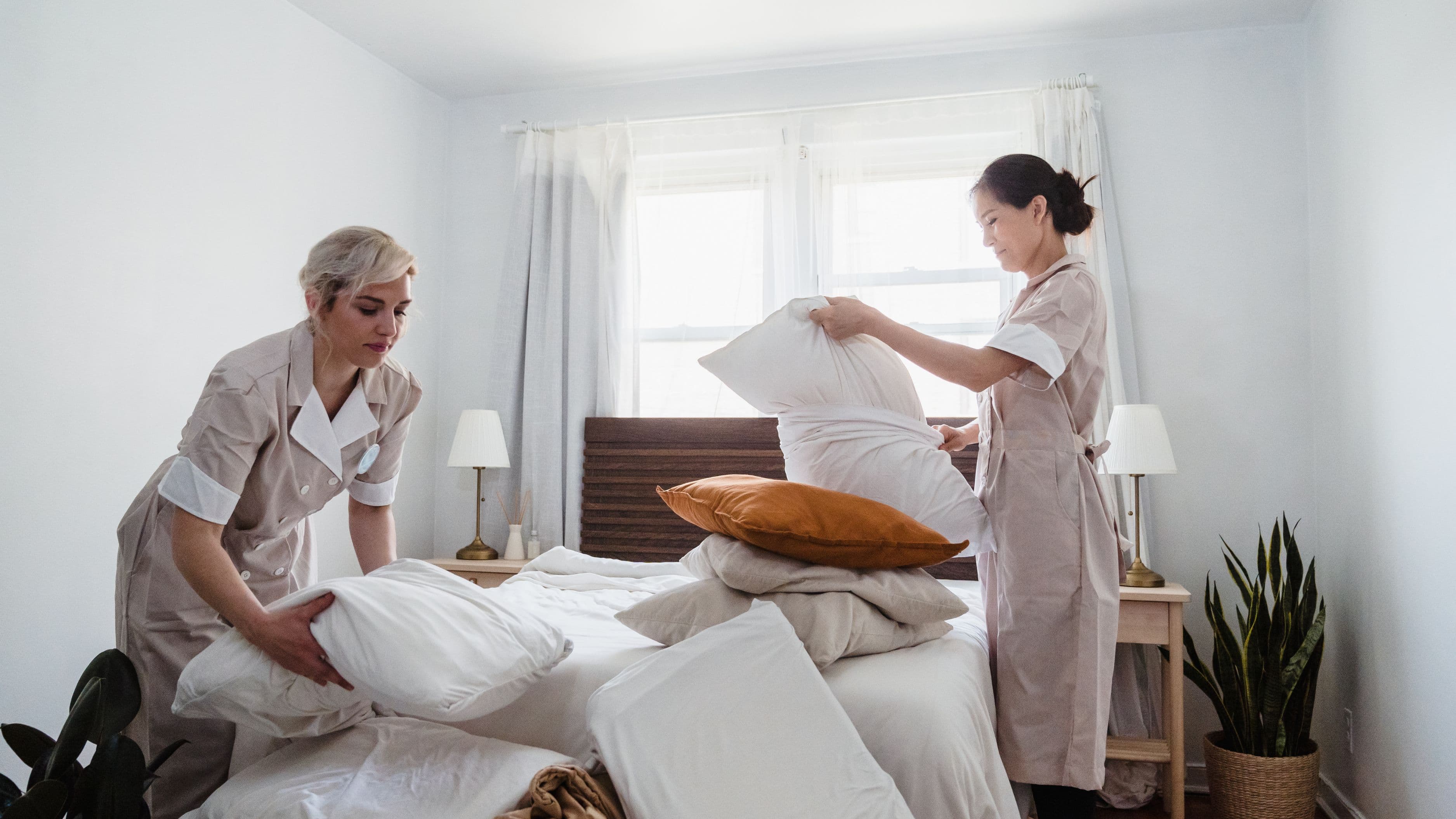
Making your bed each morning is a small habit that actually does matter here – not for neatness, but because it signals environmental order when you return to the room at night. It takes two minutes and makes the room feel more deliberately restful than returning to a rumpled pile of sheets.
Rethink Your Relationship With Screens in the Bedroom
This one is worth addressing gently rather than with a "no phones in the bedroom, ever" rule that most people aren't going to follow. The more realistic goal is creating some distance between you and your phone during sleep, which reduces both the light exposure and the psychological pull of checking notifications when you wake briefly in the night.
The simplest change is charging your phone outside the bedroom and using a standalone alarm clock for wake-up. This one habit removes both the blue light temptation and the reflexive phone-reaching during nighttime awakenings. A basic alarm clock costs $10 to $20 and solves both problems at once. If charging outside the bedroom feels like too much of a change right now, placing your phone across the room rather than on your nightstand achieves part of the same effect – you won't reach for it automatically when you stir, and the habit of checking it mid-night diminishes without the immediate access.
Television in the bedroom is worth reconsidering if sleep quality is genuinely a priority. Falling asleep to TV creates a dependency on external stimulation for sleep onset that gradually erodes natural sleep pressure. If removing the TV entirely isn't realistic, setting a sleep timer so it turns off automatically – rather than running all night – is a meaningful partial step.
Add a Scent That Supports Rest
Scent has a direct pathway to the brain's limbic system, which is why certain smells can shift your mood and alertness level almost immediately. Lavender is the most well-studied option for sleep – multiple clinical studies have found that lavender aromatherapy reduces sleep onset time and improves reported sleep quality, particularly for people with mild anxiety-related sleep difficulties.
A small bedside essential oil diffuser running for 30 to 60 minutes before sleep costs $20 to $40 and is a low-effort addition to your sleep environment. A few drops of lavender oil on your pillow achieves a similar effect more simply. The scent becomes a consistent cue that tells your brain it's time to wind down, which is a form of sleep conditioning that builds strength with repetition over days and weeks.
Keep the concentration subtle – a gentle background scent is the goal, not a strong smell that becomes its own sensory input to process. Roman chamomile and bergamot are alternatives if lavender isn't appealing to you.
Your 30-Day Bedroom Sleep Plan
Rather than trying to change everything at once, here's a gentle phased approach that lets each change settle before adding the next.
Week 1 – Tackle darkness and temperature. Add blackout curtains or a sleep mask, cover LED indicators with tape, and try sleeping with the room one or two degrees cooler than usual. These are the highest-impact, lowest-effort changes, and they often show results within a few nights.
Week 2 – Address noise and screens. Move your phone charger out of the bedroom or across the room. Try a fan or white noise app if outside noise is disrupting your sleep. Notice whether nighttime wakings decrease.
Week 3 – Declutter and simplify. Spend 20 to 30 minutes moving non-sleep items out of the bedroom or into closed storage. Make the bed each morning this week and observe how the room feels when you return to it at night.
Week 4 – Add a positive sensory cue. Try lavender aromatherapy for the final week, running a diffuser or placing a few drops on your pillow each night. Use this week to also assess which of the earlier changes have made the biggest difference for you, and decide which ones are worth maintaining long-term.
By the end of 30 days, you'll have a clearer, calmer, more sleep-supportive space – and you'll have built the habits that maintain it without needing to think about it actively.
Mistakes to Avoid
Trying to change everything in a single day usually leads to overwhelm and quick regression. Small, sequential changes are more likely to stick than a full bedroom overhaul attempted on a Sunday afternoon.
Buying sleep gadgets before addressing the basics is a common pattern. A cooling mattress pad, a weighted blanket, or a sleep tracker are all legitimate tools, but they won't compensate for a room that's too bright, too warm, or filled with screens. Get the fundamentals right first, then consider enhancements.
Expecting instant results is worth managing upfront. Some changes – like getting the temperature right – show up quickly. Others, like reducing the habit of reaching for your phone at night, take a week or two to feel natural. Consistency over 30 days produces more noticeable improvement than intensity for two or three days followed by returning to old habits.
FAQ
Do I need to spend a lot of money to improve my sleep environment? No. The most impactful changes – adjusting temperature, blocking light with a sleep mask, using a fan for white noise, clearing clutter from the room – cost very little or nothing. Blackout curtains are the most worthwhile purchase for most people and can be found for $25 to $40. The total investment for a meaningfully improved sleep environment is well under $100 if you shop thoughtfully.
How long before I notice a difference? Most people notice some improvement within three to five days of making the primary changes (darkness, temperature, noise). Deeper changes in how rested you feel tend to build over two to four weeks as your body's sleep patterns adjust to the improved environment. Be patient with the process – consistency matters more than speed.
What if I share a bedroom with a partner who has different sleep preferences? The changes that are easiest to accommodate individually are sleep masks (each person uses their own), separate blankets for different temperature preferences, and earplugs if one person is more sensitive to noise. White noise tends to work for both people simultaneously. For bigger differences around light or temperature, a direct conversation about what each person finds most disruptive is the most practical starting point.
Is it really worth removing the TV from the bedroom? For many people, yes. The TV is one of the more consistently cited factors in delayed sleep onset – it keeps your brain stimulated past the point where you'd naturally fall asleep, and creates a dependency on external content for drifting off. That said, if TV in the bedroom is deeply ingrained in your routine and removing it would cause more stress than it solves, a sleep timer is a meaningful compromise. Progress over perfection applies here too.
Should I try all these changes at once or one at a time? One at a time or in small clusters gives you clearer feedback on what's actually making a difference and is more sustainable as a habit-building approach. The 30-day phased plan above is designed specifically around this principle – sequential changes that build on each other over time.
Small changes, consistently applied, are what actually transform a space over time. You don't need a perfect bedroom. You need one that's a little darker, a little quieter, a little cooler, and a little calmer than it is right now. Start there, and build from progress – not from perfection.
📚 Sources
National Sleep Foundation. Bedroom Environment and Sleep Quality. https://www.sleepfoundation.org/bedroom-environment
Harvard Health Publishing. Blue Light Has a Dark Side. https://www.health.harvard.edu/staying-healthy/blue-light-has-a-dark-side
National Sleep Foundation. Best Temperature for Sleep. https://www.sleepfoundation.org/bedroom-environment/best-temperature-for-sleep
NIH National Institute of Neurological Disorders and Stroke. Brain Basics – Understanding Sleep. https://www.ninds.nih.gov/health-information/public-education/brain-basics/brain-basics-understanding-sleep
Goel, N. et al. Lavender Aromatherapy and Sleep. Journal of Alternative and Complementary Medicine. https://www.ncbi.nlm.nih.gov/pmc/articles/PMC3230460/
American Academy of Sleep Medicine. Healthy Sleep Habits. https://sleepeducation.org/healthy-sleep/healthy-sleep-habits/
Centers for Disease Control and Prevention. Tips for Better Sleep. https://www.cdc.gov/sleep/about_sleep/sleep_hygiene.html
Sleep Research Society. Environmental Factors and Sleep Disruption. https://www.sleepresearchsociety.org
Porcheret, K. et al. Melatonin Suppression by Light. Journal of Biological Rhythms. https://pubmed.ncbi.nlm.nih.gov/26561373/
Consumer Reports. How to Create a Better Sleep Environment. https://www.consumerreports.org/sleep/how-to-create-a-better-sleep-environment/