The Simple Visual Framework
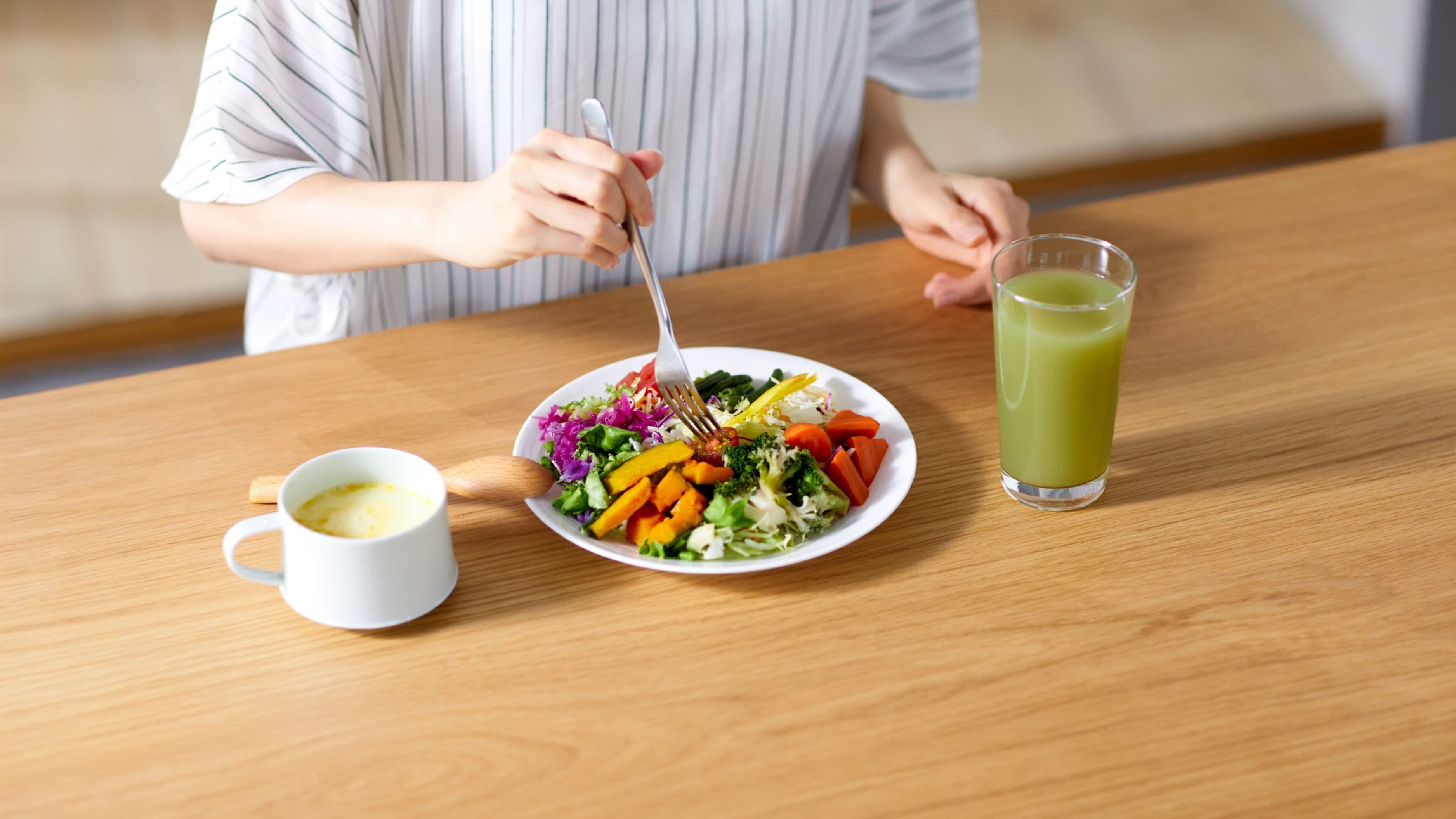
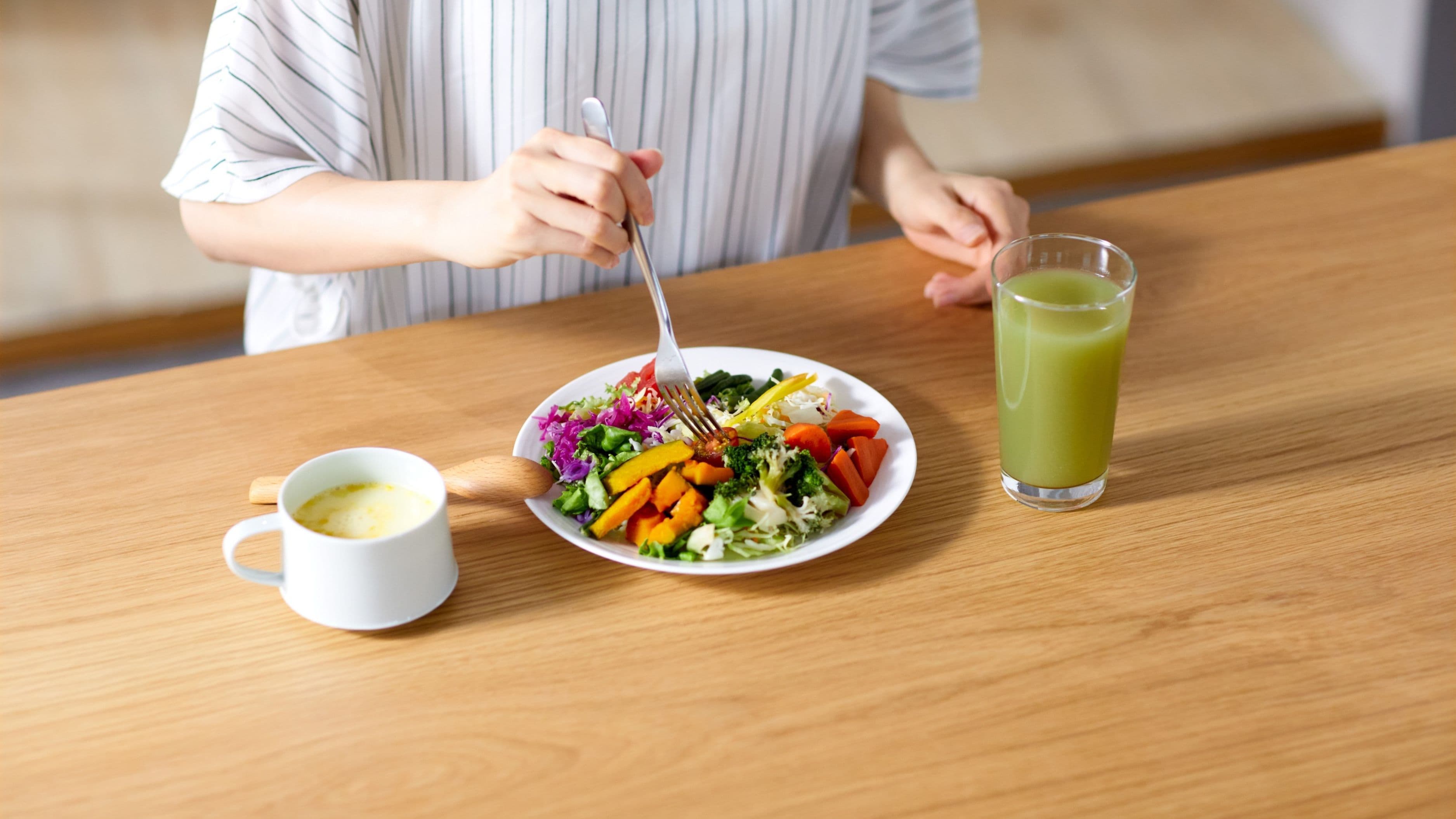
Picture your plate divided into a few general sections rather than exact measurements. Roughly half the plate given to vegetables and fruit, about a quarter given to protein, and about a quarter given to whole grains or starchy foods, with a small amount of healthy fat worked in somewhere, whether that's the oil used in cooking, a bit of avocado, or a handful of nuts.
This isn't a rigid rule to measure with a ruler, it's a general shape to aim for most of the time. Some meals will naturally lean differently, and that's completely fine. The point is having a mental picture you can glance at and roughly match, rather than a system that requires any calculation.
Why This Simple Version Actually Works
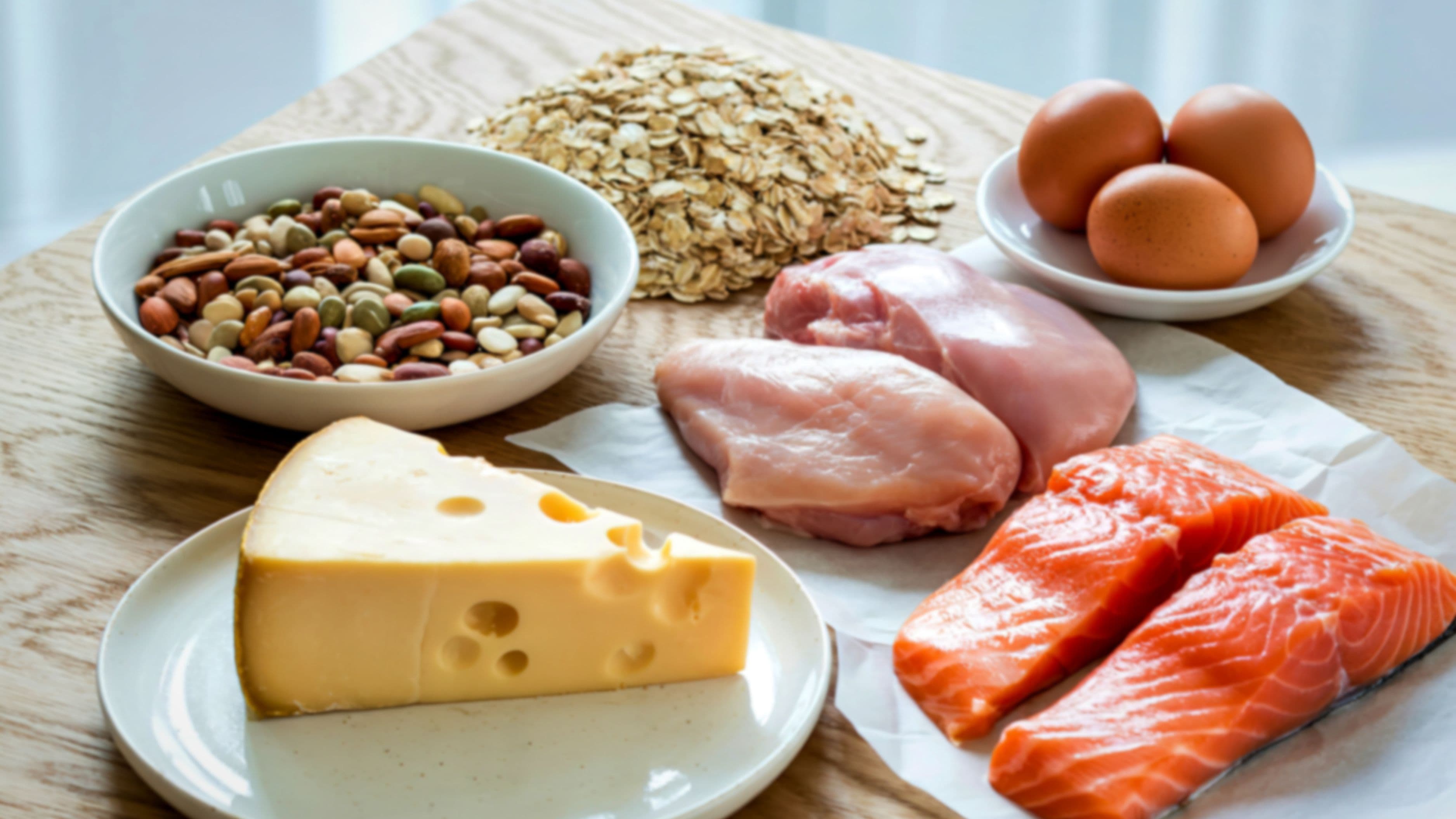
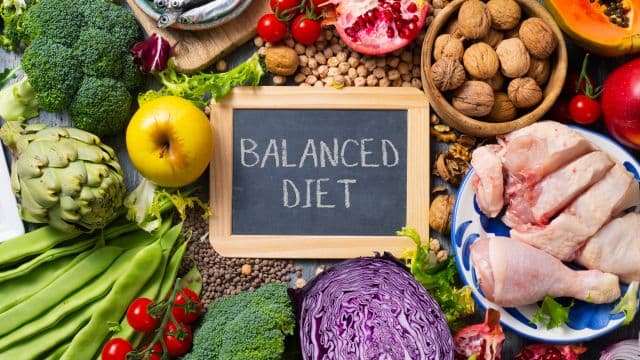
The reason this basic proportion approach holds up is that it naturally builds in the things a body needs from a meal without requiring you to think about them individually. Vegetables and fruit provide fiber, which supports digestion and helps you feel satisfied after eating, along with a wide range of vitamins and minerals. Protein supports muscle maintenance and tends to be the most satiating part of a meal, which is part of why meals light on protein often leave people hungry again quickly. Whole grains and starches provide steady energy, and healthy fats support nutrient absorption and add satisfaction to a meal that plain lean protein and vegetables alone sometimes lack.
You don't need to understand the biochemistry behind any of this to benefit from it. The visual proportion approach essentially bakes these principles in automatically, without asking you to think about grams or percentages.
What This Looks Like in Practice
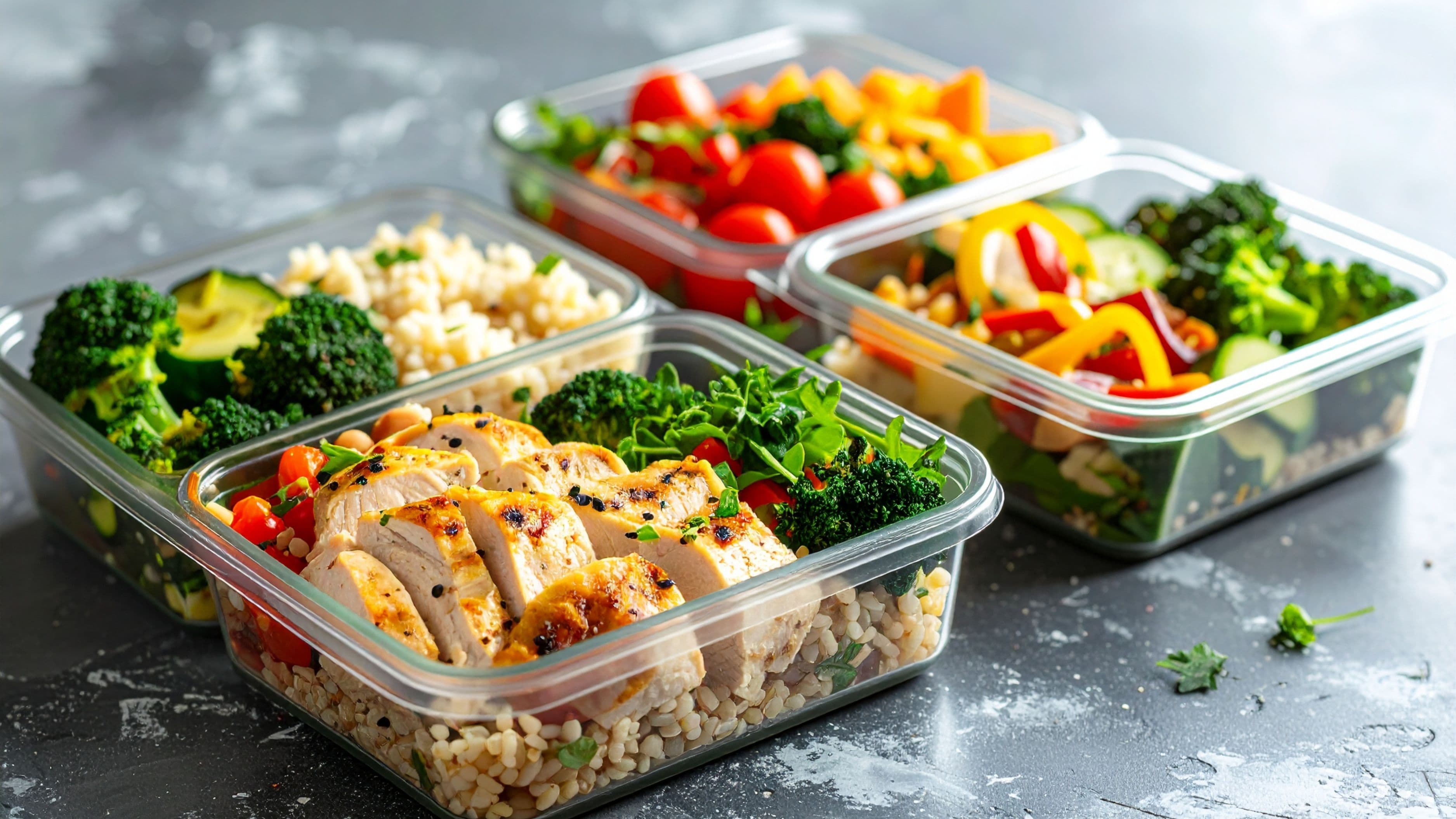
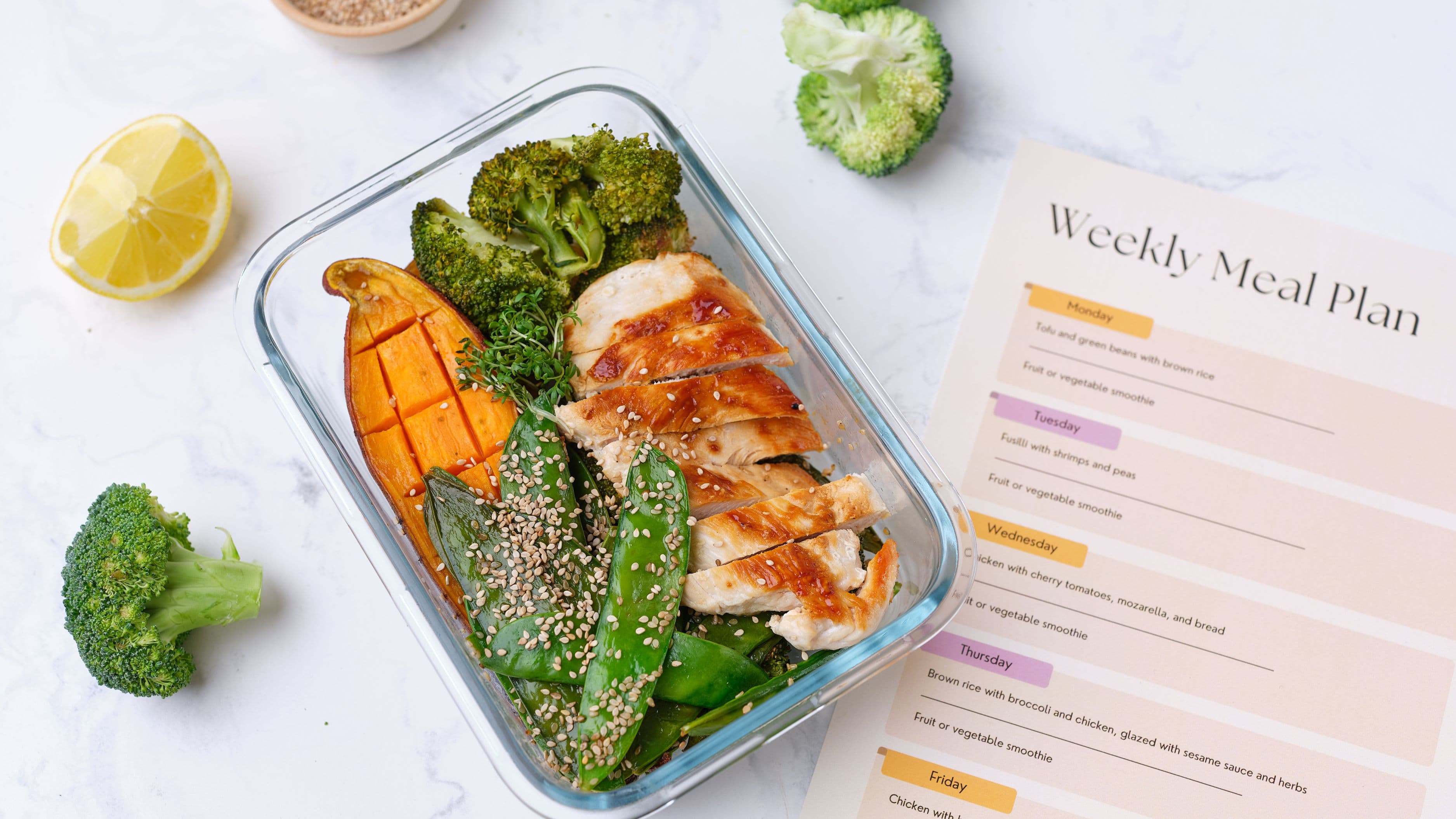
A balanced dinner might be grilled chicken, a generous portion of roasted vegetables, and a serving of brown rice or quinoa, with the oil used for roasting counting as your fat component. A balanced lunch could be a grain bowl with beans or tofu as the protein, a mix of raw and cooked vegetables, a modest portion of rice or another grain, and a simple olive oil-based dressing.
This framework works across cuisines without needing to be reinvented each time. A Mexican-inspired plate might be black beans and grilled vegetables with a smaller portion of rice, topped with a bit of avocado. An Italian-inspired plate might be a modest portion of whole wheat pasta with a generous amount of vegetables mixed in and grilled chicken or white beans for protein. The proportions stay consistent even as the specific foods change entirely.
Adjusting for Your Own Situation
This basic framework is a starting point, not a fixed rule, and it's fine to adjust based on your own needs and how your body responds. Someone who's more physically active on a given day might reasonably want a larger portion of grains or starches to support that activity level. Someone focused on weight management might lean toward a slightly larger vegetable portion and a slightly smaller grain portion, while keeping protein consistent since it tends to be the most satisfying part of a meal per calorie.
The goal isn't perfection at every single meal, it's having a simple mental template that makes most of your meals reasonably balanced most of the time, without needing to think hard about it. A day where lunch skews more toward carbohydrates and dinner leans more toward protein and vegetables still balances out reasonably well across the full day.
Making It Realistic for a Busy Schedule
The simplicity of this framework is what makes it sustainable for actual daily life, rather than something you do carefully for a week and then abandon. When you're cooking at home, building a meal around this rough proportion takes no extra time compared to cooking without any framework in mind, since you're likely already choosing a protein, a starch, and some vegetables anyway.
Eating out gets a bit trickier since portions are set by the restaurant, but the same mental picture still helps: if a plate arrives heavy on starch and light on vegetables, that's useful information for what to add or prioritize at your next meal, rather than something to stress about correcting in that single sitting.
What to Avoid
Don't treat this framework as a strict rule requiring exact measurement, that defeats the entire point of a simple, sustainable approach. Don't feel like every single meal needs to hit the proportions perfectly, balance across a day or a week matters more than any individual plate. And don't use this as a reason to cut out entire food groups, like grains or fats, the framework works because it includes a reasonable amount of everything, not because it eliminates categories.
📚 Sources
Harvard T.H. Chan School of Public Health, "The Healthy Eating Plate" – https://www.hsph.harvard.edu/nutritionsource/healthy-eating-plate/
U.S. Department of Agriculture, "MyPlate" – https://www.myplate.gov/
Mayo Clinic, "Healthy Eating for a Healthy Weight" – https://www.mayoclinic.org/healthy-lifestyle/weight-loss/in-depth/