So is it worth doing? And more importantly – is it actually sustainable beyond the 30 days? The honest answer depends a lot on how you
approach it.
What the Challenge Actually Involves
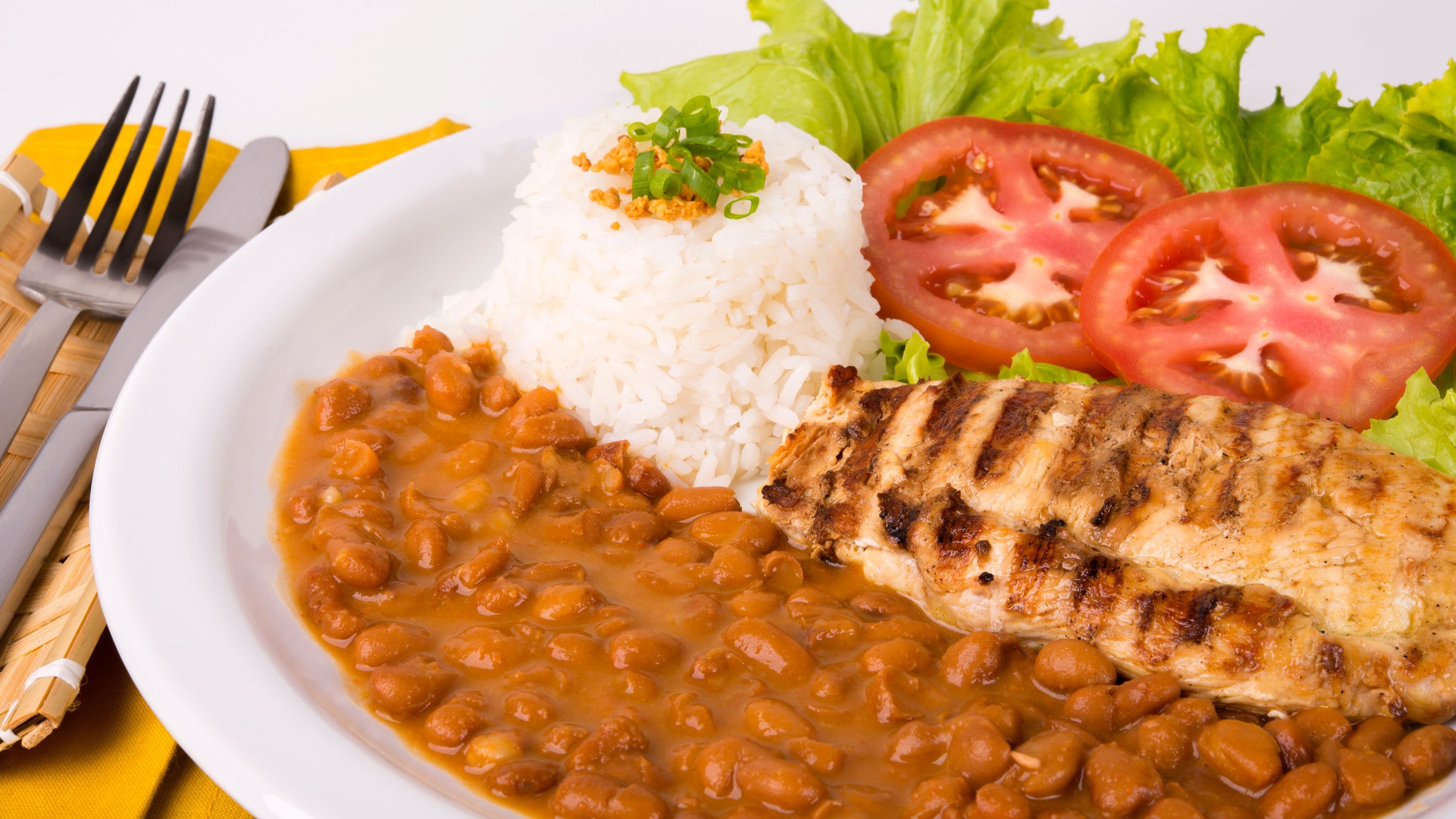
At its core, a whole foods challenge means removing processed and ultra-processed foods from your diet for 30 days and replacing them with ingredients in their natural or minimally altered state. In practice, that means cooking more, reading food labels carefully, and making deliberate choices about what you eat at restaurants and social situations.
It's not a calorie-counting plan, a fasting protocol, or a weight loss program in the traditional sense. The primary goal is to reset your relationship with food – to notice how your body feels when it's fueled by whole ingredients, and to become more aware of how much processed food you were consuming without realizing it. Many people who complete the challenge are genuinely surprised by how different they feel by the end, particularly around energy levels, digestion, and cravings for sugar and processed snacks.
What makes it challenging is the sheer shift in lifestyle it requires. If your current diet includes regular takeout, packaged convenience foods, sweetened beverages, or a lot of bread, pasta, and snack foods, the first week especially can feel like a significant adjustment – not just in what you eat, but in how much time and planning eating requires.
Week 1: The Hardest Part (And Why)
The first week of a whole foods challenge is typically the most difficult, and it helps to know that upfront so you're not caught off guard. Your body and your habits are both adjusting simultaneously, and the friction is real. You may notice headaches, fatigue, or irritability – particularly if you were previously consuming a lot of sugar, caffeine, or refined carbohydrates. These are temporary adjustment symptoms, not signs that the challenge is wrong for you.
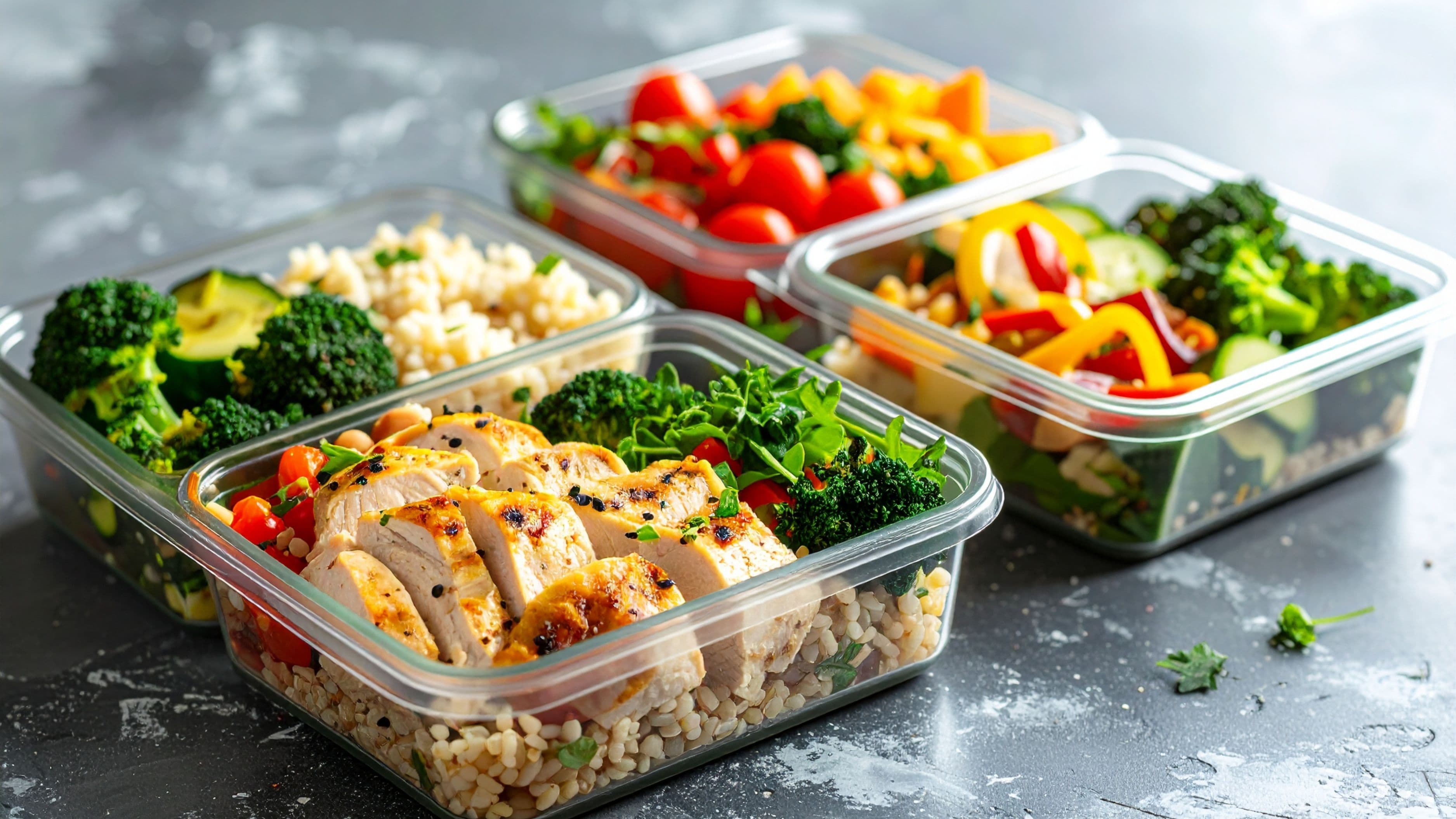
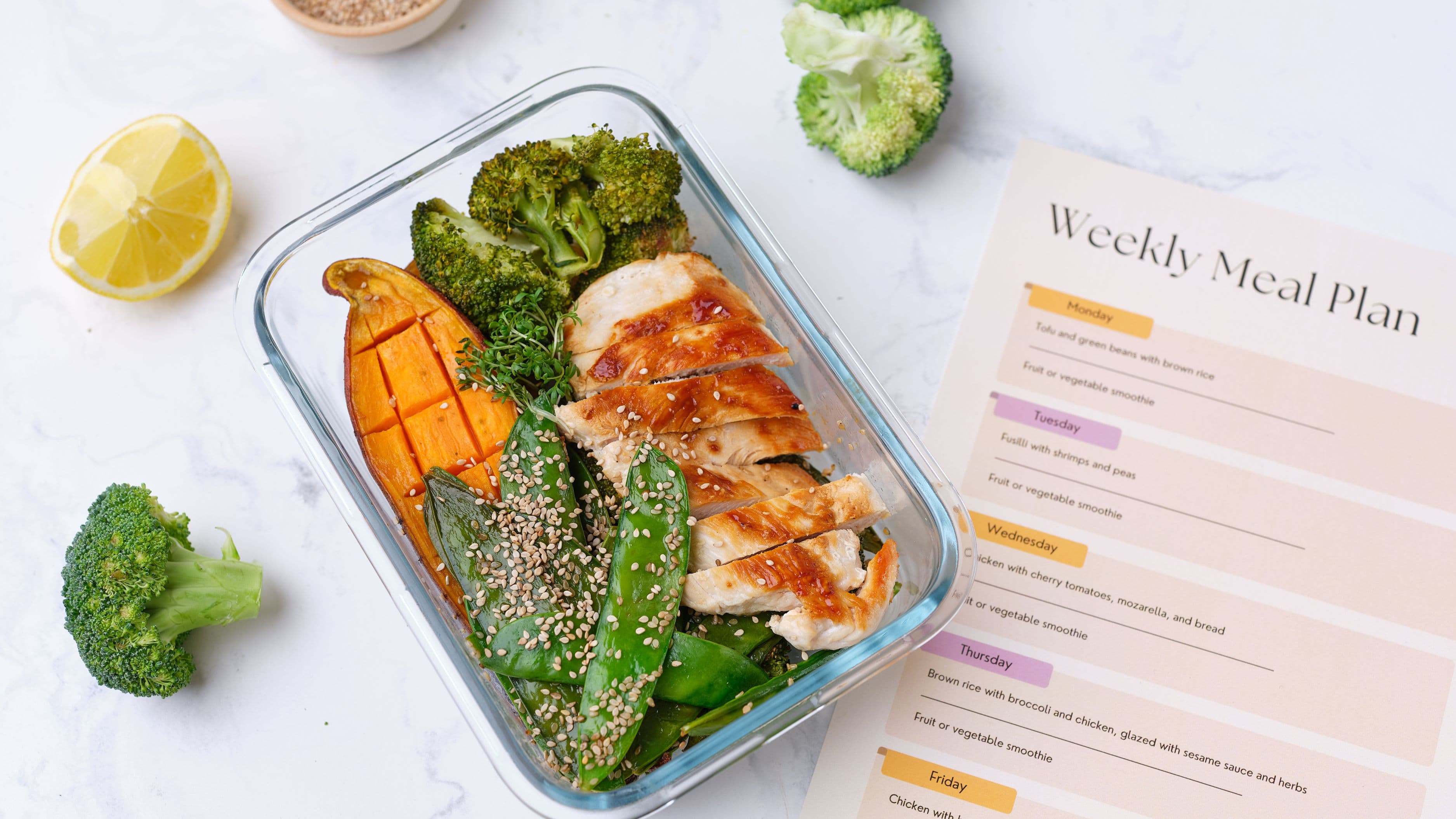
Practically, week one is when the planning gap shows up most clearly. You may open your fridge and realize you have nothing ready to eat, or find yourself at a restaurant with very limited options, or discover that your usual snacks are all off the table and you're not sure what to replace them with. The remedy for week one friction isn't willpower – it's preparation. Batch cooking on Sunday, having whole food snacks ready to grab (hard-boiled eggs, nuts, fruit, cut vegetables), and identifying two or three easy meals you can rotate takes most of the daily decision-making off the table.
The social element is also real in week one. Friends, family, and colleagues may be eating things you're not eating, and navigating that without making it a whole thing requires a bit of confidence in your choice. You don't need to announce the challenge to everyone – just know what you can eat and order or bring accordingly.
Week 2: Finding Your Rhythm
Most people find that week two gets noticeably easier. The initial adjustment period has passed, your palate has started to recalibrate toward whole foods, and you've worked out the basics of what you're cooking and eating each day. This is the week when you start to notice benefits more clearly – better energy, more consistent blood sugar, reduced afternoon slumps – which reinforces the motivation to continue.
Week two is also when you discover what your actual friction points are. Maybe it's not having time to cook during a busy work week. Maybe it's that you miss a particular food genuinely and not just out of habit. Maybe social eating is harder than you expected. These friction points are valuable data, not failures. They tell you what you'll need to address if you want to maintain elements of this approach after the 30 days end.
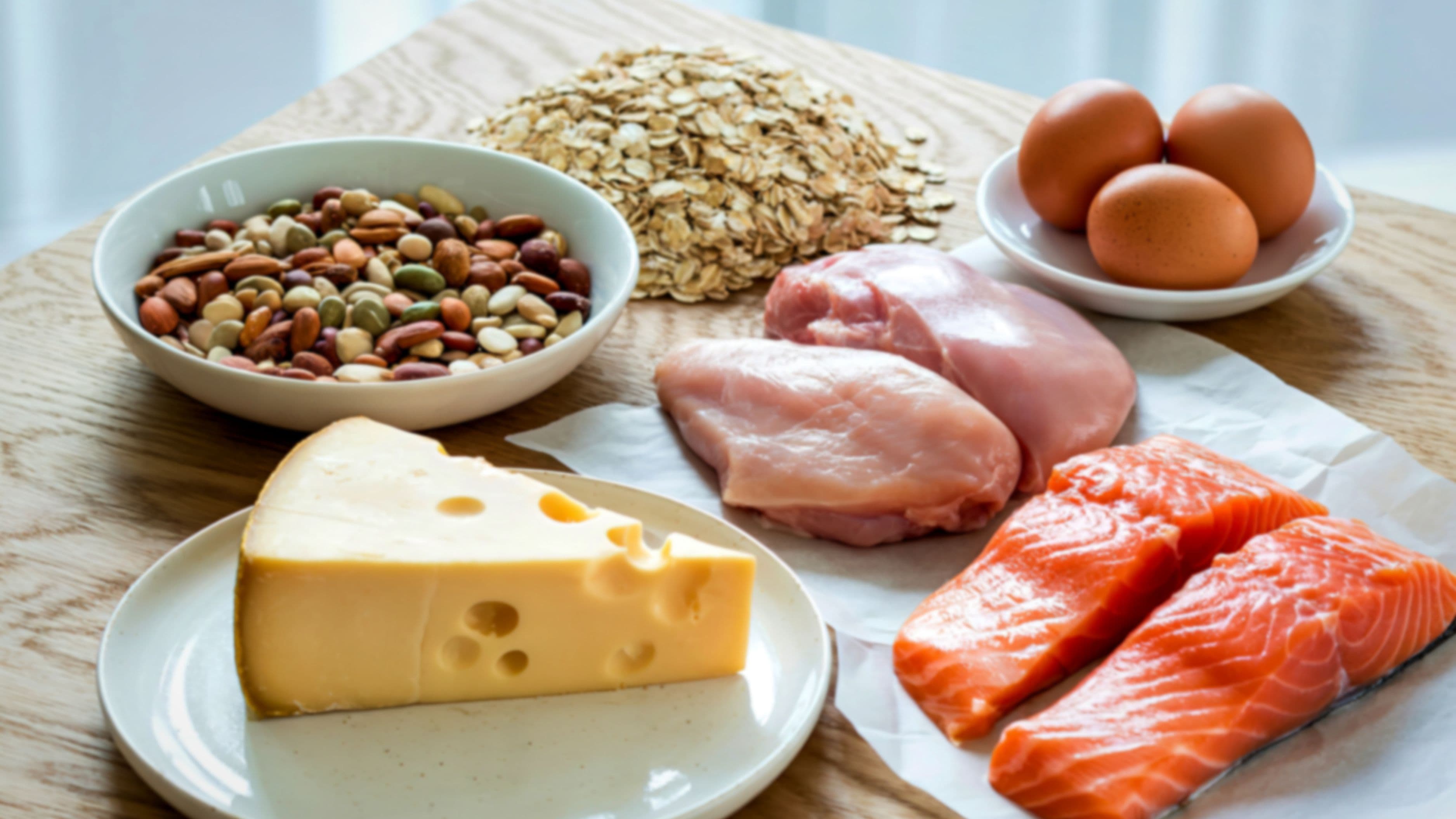
A useful mindset shift for week two: focus on what you're adding, not what you're removing. You're adding vegetables you hadn't cooked before, adding whole grains you weren't familiar with, adding more protein at breakfast, adding more cooking at home. Framing the challenge as addition rather than restriction tends to sustain motivation better as the novelty of the early days wears off.
Week 3: Getting Creative
By week three, most people have moved past the adjustment phase and are genuinely curious about expanding their repertoire. This is when the challenge can start to feel more like an adventure than a restriction. You're comfortable with the basics and ready to experiment – trying a new grain, cooking a cuisine you haven't made before, finding whole-food versions of meals you love.
This is also the week to look honestly at your social life and decide how you want to handle it for the remaining time. If a dinner party, a birthday, or a travel commitment is coming up, plan how you'll navigate it without either abandoning the challenge or making it awkward for everyone around you. You can usually find options that work without making a big deal of it, and if a specific situation means you eat something that isn't strictly on the plan, that doesn't mean you've failed – it means you made a reasonable choice and you keep going.
Energy levels are typically the most improved by week three for most participants, and this is often when sleep quality and mood improvements become noticeable too. These benefits reinforce the investment you've made in the challenge and make the remaining days feel less like an obligation and more like something you're actively choosing.
Week 4: The Transition Question
The final week of the challenge is the most important one to think through carefully, because what happens in week 31 determines whether the 30 days had any lasting impact. This is where "is it sustainable?" becomes the real question – and the honest answer is that the challenge as written is not meant to be a permanent lifestyle for most people. It's an intervention, not a destination.
What the 30 days gives you is a reset: a calibrated sense of how whole foods feel versus processed foods, a working knowledge of how to cook and shop differently, and a set of habits that have been practiced enough to feel familiar. The question at week four isn't "do I keep doing this forever?" It's "which parts of this do I want to keep, and how do I build them in sustainably?"
For most people, the sustainable version of a whole foods challenge looks like making whole food the default – cooking at home most of the time, keeping vegetables and whole grains as the foundation of meals, choosing less processed options when possible – while not applying the same strictness to every meal forever. The 80/20 principle applies well here: eating whole foods 80% of the time and letting the other 20% accommodate social meals, favorite treats, and practical convenience creates a sustainable approach that keeps most of the benefits without the rigidity that makes all-or-nothing challenges burn out over time.
Realistic Results: What to Expect and What Not To
It's worth being honest about what 30 days of whole foods eating typically does and doesn't produce. Most participants report meaningful improvements in energy, digestion, and reduced cravings for sugar and processed snacks. Some notice clearer skin, better sleep, and a more stable mood. Weight loss is common but varies widely depending on what your previous diet looked like and what deficit, if any, the whole foods diet creates for you.
What 30 days won't do is reverse years of dietary habits, produce dramatic physical transformations, or cure underlying health conditions. It's a foundation, not a solution to everything. The value is in the reset and the habits, not in any specific physical outcome. If you go in expecting to feel noticeably better by the end, you will probably be right. If you go in expecting a complete transformation of your health in 30 days, you'll likely feel disappointed regardless of how well you did.
Mistakes to Avoid
The most common mistake is going all-in on restriction without building the practical infrastructure to support it. Starting the challenge without meal planning, without a stocked kitchen, and without a clear sense of what you're going to eat on day one is the fastest route to giving up by day four. Spend the weekend before you start cooking a few things and stocking up on go-to whole food staples, and the first week becomes much more manageable.
Treating every imperfect choice as a failure that resets the challenge is another pattern that derails people unnecessarily. If you eat something off the plan at a social event, the healthy response is to continue the challenge the next meal, not to declare it over. Progress over perfection is the actual goal, and building that flexibility into your mindset before you start means small imperfections don't become excuses to quit.
Finally, avoid doing this challenge in isolation during a particularly stressful or socially demanding stretch of your life. If you have a work deadline, a major event, or a vacation in the first two weeks of your challenge, the additional friction will make it harder than it needs to be. Pick a relatively normal 30-day stretch of your life, and the challenge is considerably more doable.
FAQ
Do I have to be 100% strict to get benefits from this challenge? Strict adherence produces the clearest reset experience because it eliminates processed foods completely enough for your palate and habits to genuinely recalibrate. That said, someone who follows the challenge 85% of the time will see meaningful benefits and build valuable habits. The goal is improvement, not perfection.
What do I eat for quick meals when I don't have time to cook? Keep emergency whole food meals ready: hard-boiled eggs and fruit, nuts and cut vegetables, canned sardines or tuna with rice cakes, a banana with almond butter. Having three to four no-cook options you can assemble in under five minutes covers the high-stress moments without reaching for something processed.
Is this safe for everyone? Whole foods eating is generally appropriate for most healthy adults and is an improvement over a highly processed diet for almost anyone. If you have specific health conditions, dietary restrictions, or concerns about nutritional adequacy, it's worth checking with a healthcare provider before starting. Pregnant or breastfeeding individuals in particular should consult a doctor before making significant dietary changes.
What should I do at the end of the 30 days to avoid rebounding? Reintroduce foods you've been avoiding one category at a time, and pay attention to how each one makes you feel. This helps you identify which processed foods were affecting you more than you realized and which ones you can reintroduce without noticing a difference. Keeping the whole foods approach as your default, with intentional flexibility rather than a full return to previous habits, preserves most of the progress you've made.
The 30-day whole foods challenge is genuinely useful – not because it will change everything in a month, but because it gives you a real baseline for how food affects your energy, your habits, and your relationship with eating. The question isn't whether you can complete it. The question is what you build from it afterward. Approach it as the beginning of a shift rather than a temporary performance, and it becomes one of the more durable things you can do for your health.
📚 Sources
Harvard T.H. Chan School of Public Health. The Nutrition Source: Processed Foods. https://www.hsph.harvard.edu/nutritionsource/processed-foods/
National Institutes of Health. Ultra-Processed Diets and Health Outcomes. https://www.nih.gov/news-events/news-releases/nih-study-finds-ultra-processed-diet-associated-with-increased-risk-all-cause-mortality
Mayo Clinic. Whole Foods Diet: What You Need to Know. https://www.mayoclinic.org/healthy-lifestyle/nutrition-and-healthy-eating/expert-answers/whole-foods/faq-20454549
American Heart Association. Whole Grains, Refined Grains, and Dietary Fiber. https://www.heart.org/en/healthy-living/healthy-eating/eat-smart/nutrition-basics/whole-grains-refined-grains-and-dietary-fiber
Centers for Disease Control and Prevention. Healthy Eating for a Healthy Weight. https://www.cdc.gov/healthyweight/healthy_eating/index.html